
Mini Split Installation in New York
Homes in New York are older than in 49 of the other 49 states.
Tell us about the job
Takes about a minute. No obligation.
- 81°Fsummer afternoon high where people live
- 3 monthsof cooling, June through August
- 24°Fwinter overnight low where people live
- 8 monthsof heat, October through May
Electricity here costs more than most so efficiency matters on every bill
- Southern counties need about twice as much cooling than northern ones
- Summer afternoons average 81°F where people live
- Winter nights average 24°F where people live
- Cooling runs June through August
- 9,767 damaging wind events from 2015 to 2024
- 11% of homes lost power a day or more in 2024


Half of New York's homes were built in 1959 or earlier

Summers here run about three months, June through August, with afternoons averaging 81 degrees. That's shorter and milder than what most other states deal with. A mini split sized for the room handles it without trouble.
New York also sees a fair amount of damaging wind, more than most other states between 2015 and 2024. That's a reason to have the unit mounted and wired properly, not a reason to size it bigger. A correctly sized mini split is the right call for this climate.
Install in May, before cooling starts in June
Cooling here runs June through August, so May is the month to get a mini split in place. Done then, the crew can mount the unit and run the line set at a normal pace instead of fitting it in during the first hot week. New York homes run cooling fewer months than 23 other states, so there's less wear on the system over a year, but June still arrives on its own schedule.
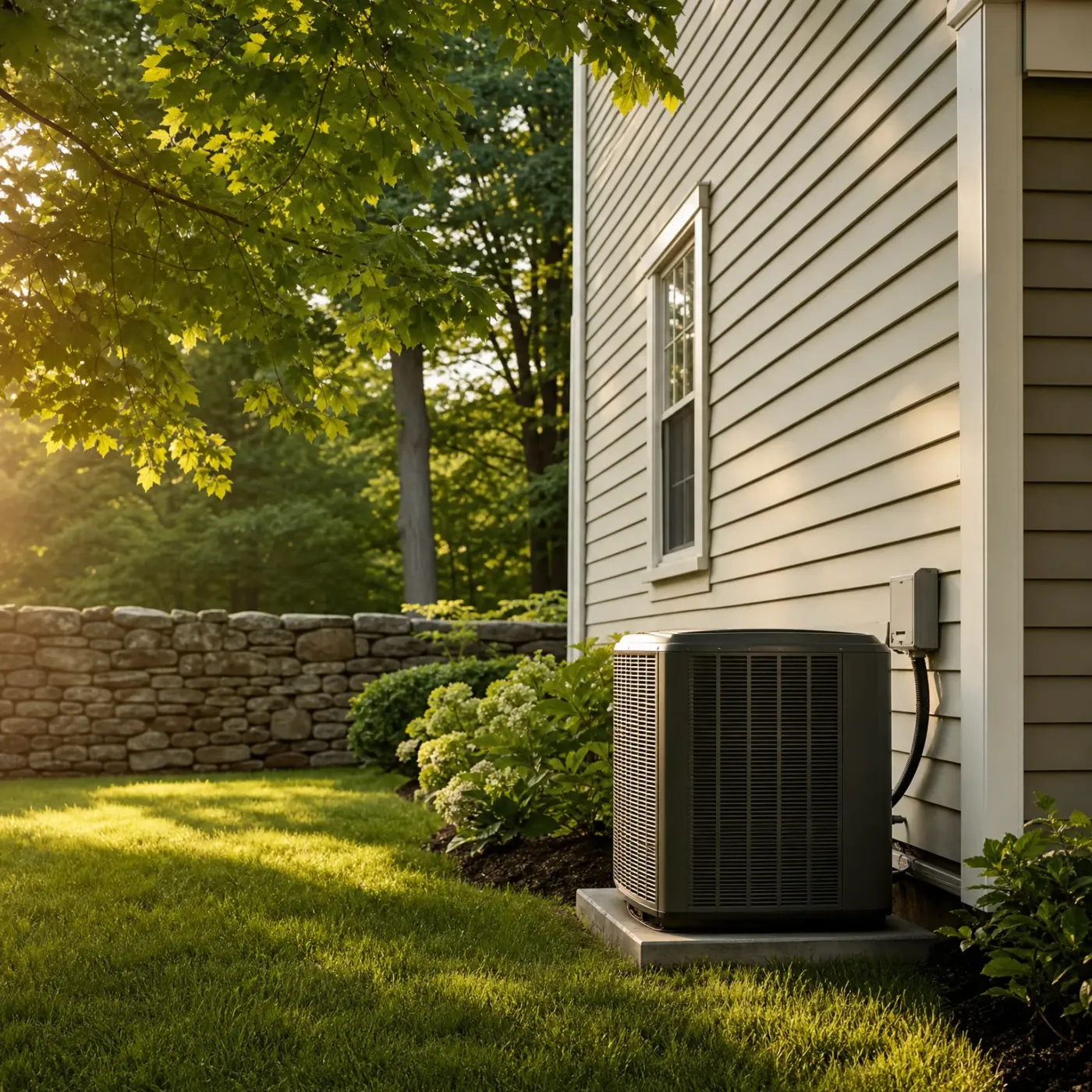
3 months of cooling, June through August
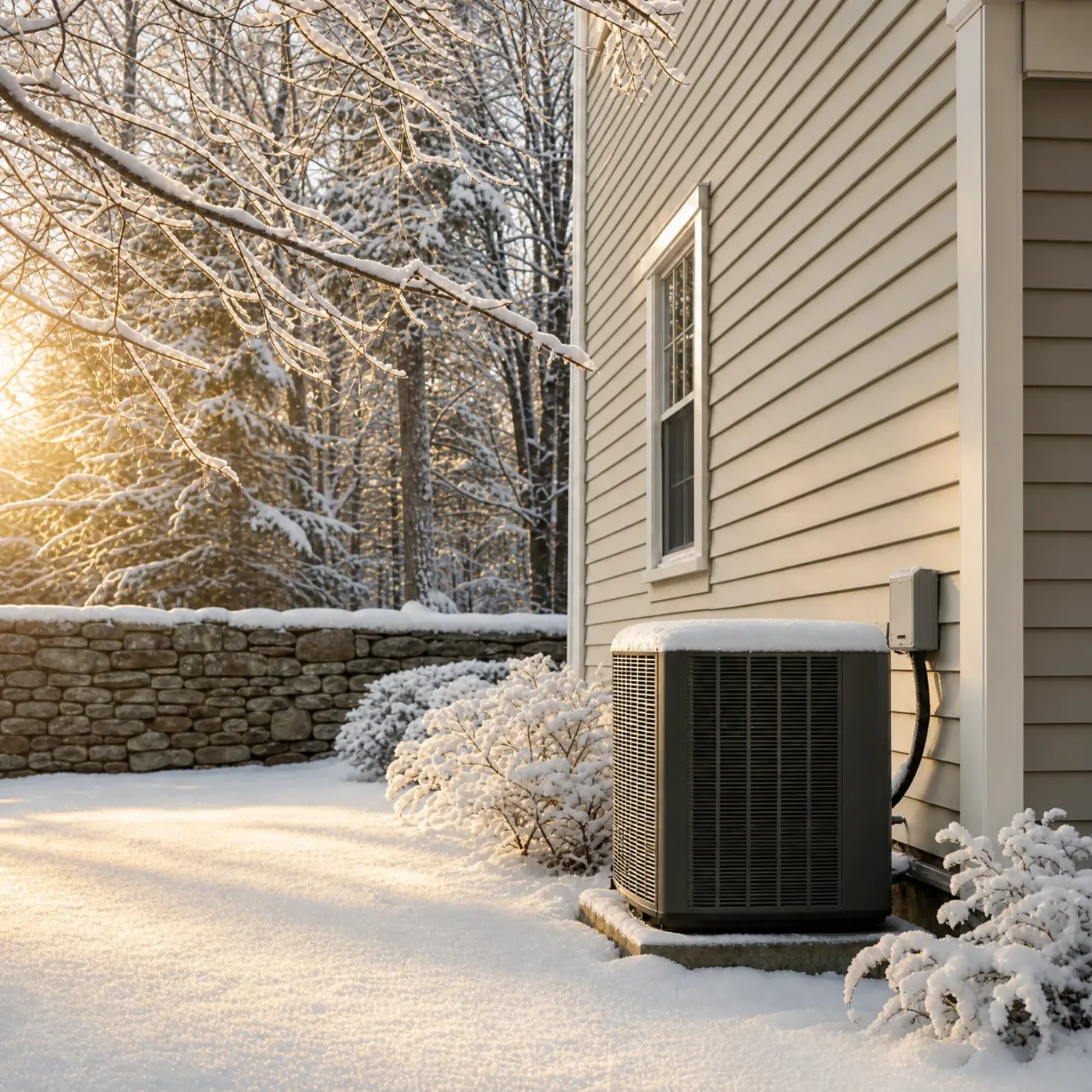
8 months of heat, October through May
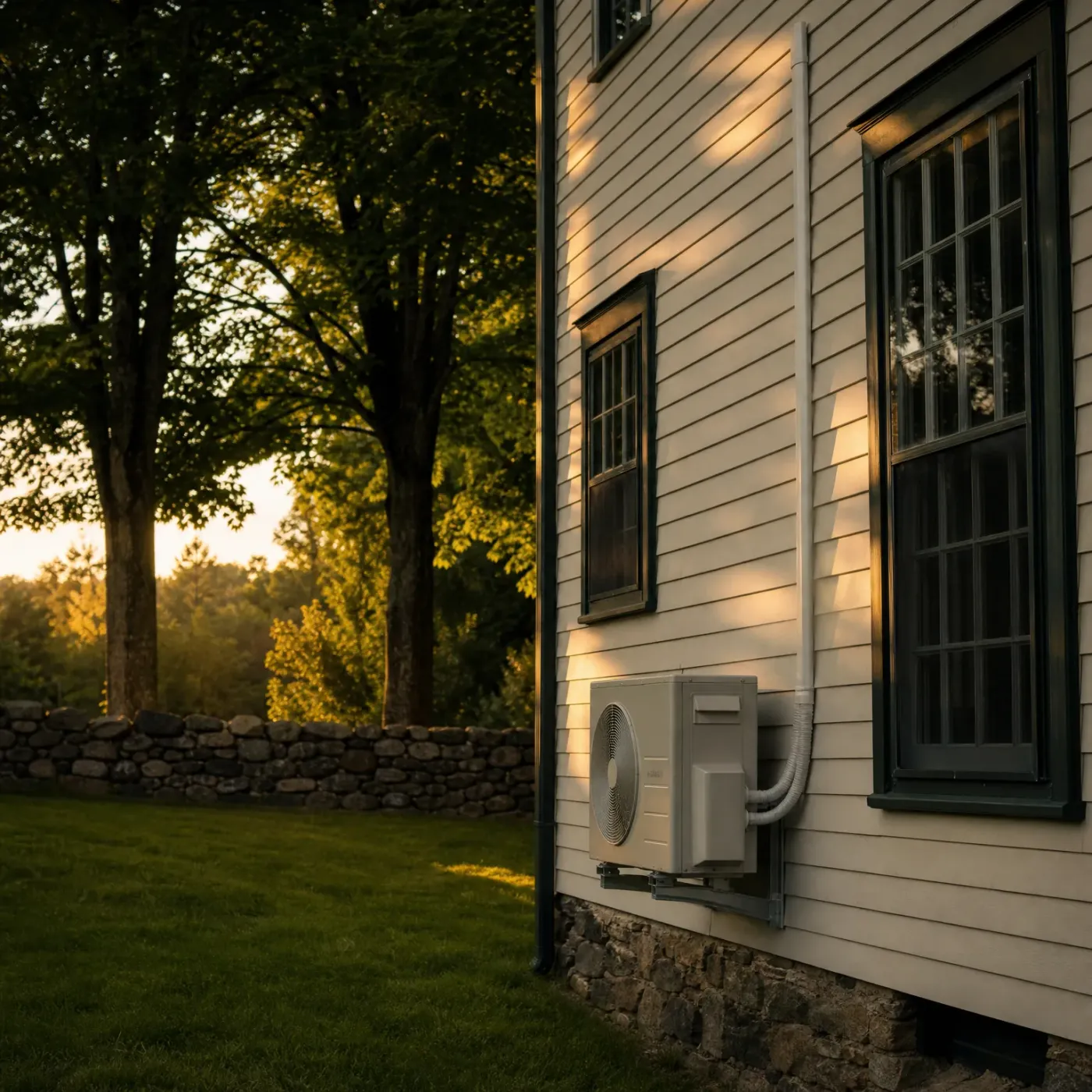
New York isn't one cooling climate. Homes across the southern counties run cooling about four months a year and need roughly twice the cooling that homes across the northern counties do, where the season runs about two months. A mini split installed in Kings County is working a longer stretch than one installed upstate.
Kings County runs cooling about four months a year, the longest in the state. Herkimer County runs close to none. Two homes in New York can call for different sized equipment just based on which of these counties they're in.
The temperature gap follows the same lines. Southern counties average 83°F on summer afternoons against 79°F across the north. Richmond County runs hottest, averaging 84°F through June, July and August. A mini split sized for a room in Richmond County is working harder on an average afternoon than the same unit upstate.
None of this makes New York a demanding climate by national standards. Homes here run cooling for fewer months than in 23 other states, and summer afternoons run cooler than in 34 of them. But the right size and setup still depends on where in the state the home sits, not just that it's in New York.
What does a mini split in New York face?
How hot do summer afternoons get?
81°Faverage afternoon high where people live
Alaska66°F
Arizona101°F
How cold do winter nights get?
24°Faverage overnight low where people live
North Dakota4°F
Hawaii65°F
How many months does the cooling run?
3 monthsof cooling a year
Alaska0 months
Hawaii12 months
What does electricity cost?
24.43¢per kWh (kilowatt hours, the unit on an electric bill), what homes paid in 2024
North Dakota11.51¢
Hawaii42.86¢
How often do storms hit?
197severe weather events per county from 2015 to 2024
Alaska5
Wyoming1,057
How many homes lost power for a day or more?
11%of homes in 2024
Arizona7%
Maine54%
What to ask when you're comparing quotes
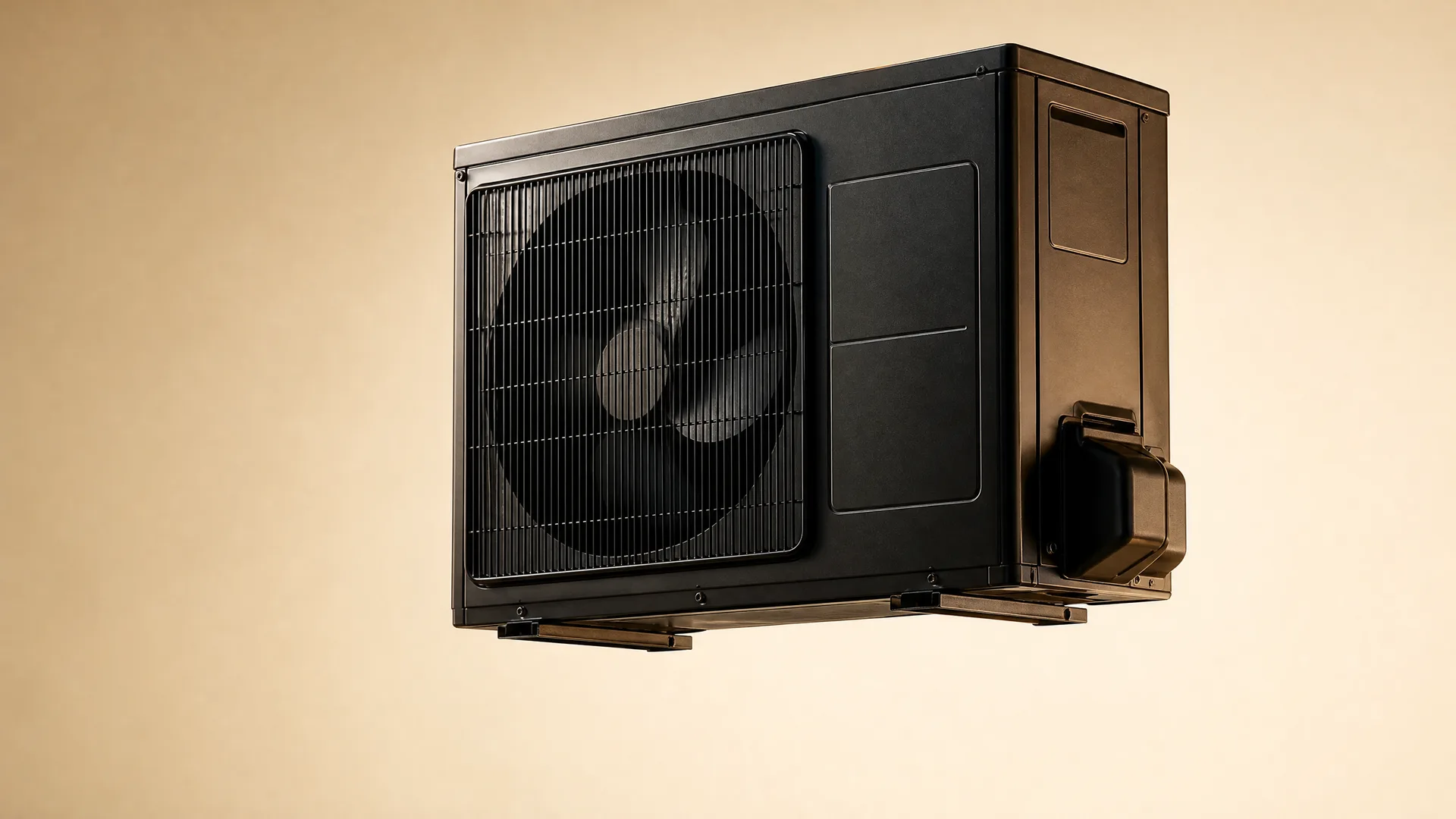
A mini-split quote should tell you the size of the unit, how many zones it covers, and where the line set and condensate drain are going to run. Size matters most. A unit too big for the room cools the air fast and shuts off before it pulls the moisture out, so the room ends up cold and damp at once. A unit too small runs constantly and never quite catches up on the hottest afternoons. Ask how the contractor arrived at that size. One who measures the room and asks about windows and sun exposure is doing it right. One who just goes off the square footage of the house is not. Ask where the condenser will sit outside and how far the line set has to travel to reach it. A short, direct run performs better than one that snakes around corners or climbs past multiple floors. Ask who services the unit after install, since the filters need regular cleaning and the outdoor coil has to stay clear of leaves and debris. If you're weighing a multi-zone system against several single-zone units, ask what happens if one indoor head needs service. On some multi-zone setups, work on one zone can shut down the others sharing that compressor.
What the efficiency number on the label actually tells you
Every mini-split carries a SEER2 (seasonal energy efficiency ratio under the 2023 test, an AC's cooling efficiency over a season) number on its label. That number measures efficiency, not how much cooling the unit puts out. A higher SEER2 number means the unit gets more cooling out of the electricity it uses, not that it's bigger or stronger. Capacity is a separate figure, usually printed right next to it, and that's the one that tells you whether a unit matches the room. Ductless systems tend to post higher SEER2 numbers than central air to begin with. There's no duct losing cooled air on the way to the room and no blower working to push air through the house. The rating on the label comes from a lab test, run under fixed conditions. What the unit actually delivers depends on the install. A line set that runs too long, a condenser mounted where the sun hits it all afternoon, a filter that never gets cleaned. Any of these pull real-world efficiency below what the label promises. The number is worth comparing between units. Getting it in practice comes down to correct sizing and a clean install.
Most homes heat with something else, and that's fine
Most homes in New York heat with utility gas, 59.1 percent of them. Fuel oil accounts for another 16.1 percent, and electric heat sits at 15.4 percent. A mini split doesn't replace a furnace or boiler. It works alongside whatever already heats the home, so the fuel mix here matters less for this job than it would for a heating replacement. Most homes already have a gas or oil system carrying the cold months, and the mini split is there mainly for cooling. Some mini splits are built to handle a room's heating load as well, which is worth asking about if the goal is leaning less on that oil or gas system in the shoulder seasons.
Electricity here costs more than in most states, so efficiency shows up on every bill.
Tell us about the job
Takes about a minute. No obligation.
Fill out the form and a licensed New York mini split contractor sizes the job to your room.