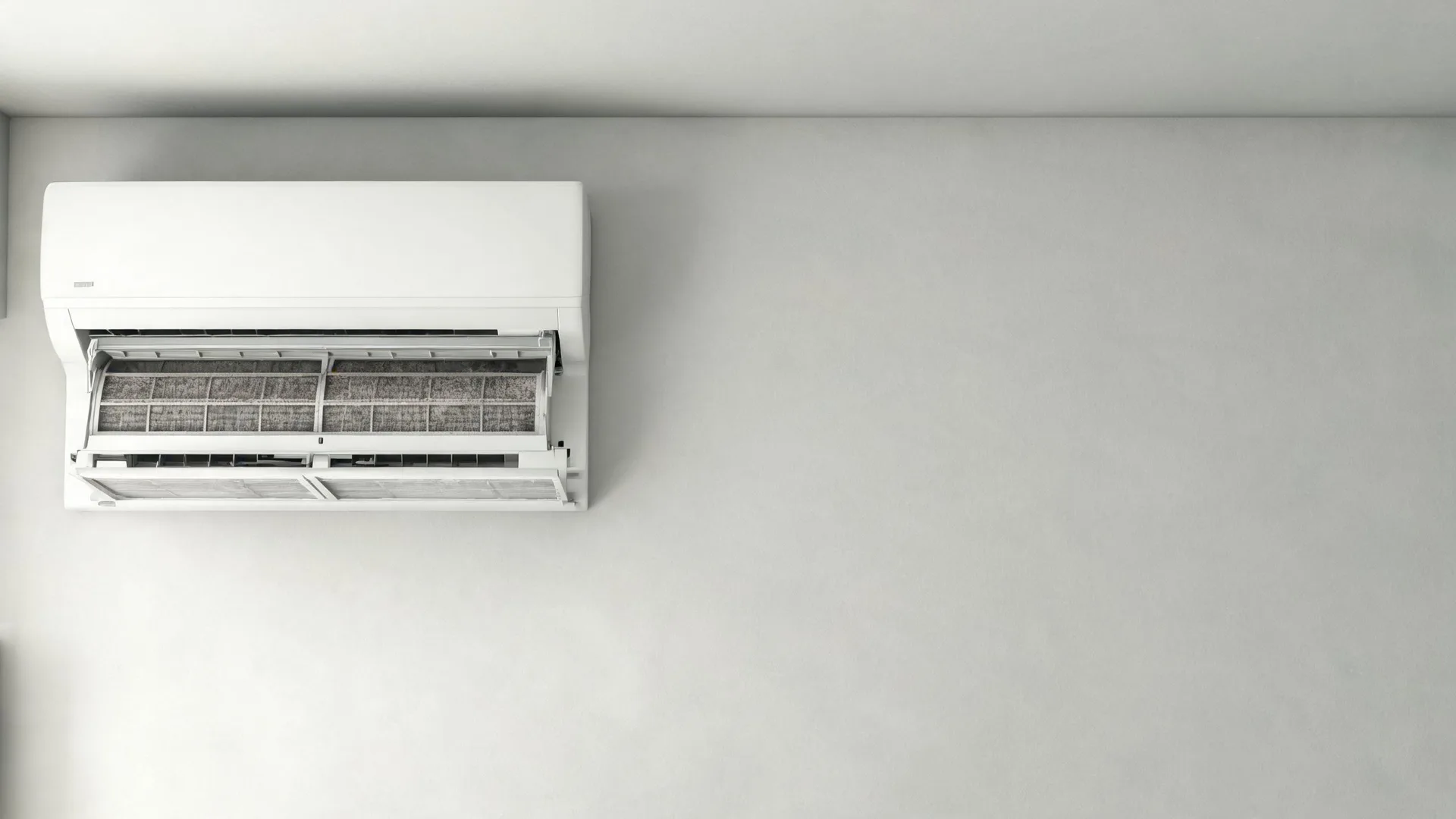
Gas heats most homes here
Utility gas heats 46.3% of occupied homes in Tompkins County, more than any other fuel. Electricity comes next at 25.8%, with propane and oil making up the rest.
Takes about a minute. No obligation.
Utility gas heats 46.3% of occupied homes in Tompkins County, more than any other fuel. Electricity comes next at 25.8%, with propane and oil making up the rest.
If your house runs on gas or oil heat, a mini split can take over cooling and handle the shoulder months without touching the furnace. Where electric heat is already in place, it can replace room units or baseboard heat outright.
NOAA nClimDiv, 1991–2020 normals
New York homeowners paid 24.43 cents per kilowatthour in 2024.
A mini split that sizes right for the room costs less to run than one sized by guesswork.



Tompkins County sits in climate zone 5A, a cool zone where heating carries more of the load than cooling. A mini split installed here still has to meet the federal minimum for split-system heat pumps built from 2023 on. That means 14.3 SEER2 for cooling and 7.5 HSPF2 for heating. The standard doesn't carve out a lower bar for ductless systems, so the same numbers apply whether the unit is ducted or not. A model that meets those numbers may also qualify for the federal energy efficiency tax credit. The zone doesn't rule out any particular brand or size, it just sets the floor.
Cooling only runs two months here, July and August, with afternoon highs around 78. A mini split in this climate isn't fighting long stretches of heat, so a dependable mid-range unit will do the job without strain. Put the extra money toward getting the size and installation right.
Find a contractor
Cooling here runs two months, July and August, so June is when to get a mini split in. Installed before July, it's running on day one of the heat instead of catching up once the house is already warm. Waiting past that point doesn't change the summer, it just shortens the time you have to pick the right size and get it installed right.
The size of a mini split should come from a room by room heat loss and heat gain calculation, the kind that accounts for windows, insulation and ceiling height. A contractor who quotes a size before looking at the room is sizing by habit. Too large and the unit short cycles, cooling the air fast but never running long enough to pull out humidity. Too small and it runs constantly without catching up.
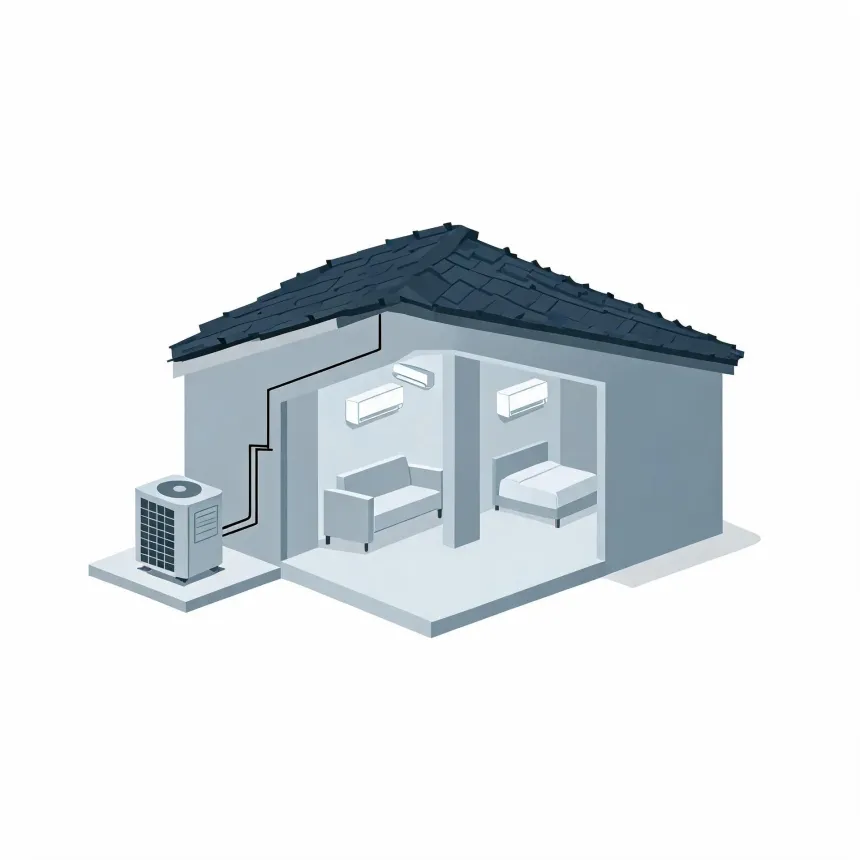
Every outdoor unit connects to the indoor head through a line set that runs through a wall, and that penetration has to be sealed against weather and pests on both sides. Ask where the line hides, whether it runs through a wall cavity or along the surface in a cover, and who patches the wall when the hole is cut. This is also where a sloppy installer leaves a gap that lets in drafts or moisture long after the system is running fine.
If the old system is a central furnace or air handler, that stays. A mini split doesn't require tearing out ductwork, it just takes over the zones connected to the new head. If what's coming out is a window unit or electric baseboard, whoever installs the mini split handles removing it, and baseboard heat usually means pulling wire back to the breaker too. An old central system that's being fully replaced, not just supplemented, still needs its refrigerant recovered by a licensed technician before the lines come out, since it can't legally be vented into the air. None of that is work the homeowner does themselves.
Installation starts with the outdoor unit, set on a pad or bracket where it has clearance on all sides to pull in air. Inside, the mounting plate goes up first, and the indoor head hangs on it once the wall is opened for the line set. That line carries refrigerant, a drain line and electrical in one bundle, so the hole only gets cut once. The lines get connected, then the system is pressure tested before anyone opens the valves, because a leak found after charging means the refrigerant is already gone. Once it holds pressure, the line gets charged, the drain is checked for a clean slope so condensation actually leaves the house, and the head gets run through both heating and cooling before the crew packs up. A system that's wired, charged and draining correctly should be quiet from the first cycle, not just once it settles in.