




Can a mini split cool a whole house in Brooklyn, NY

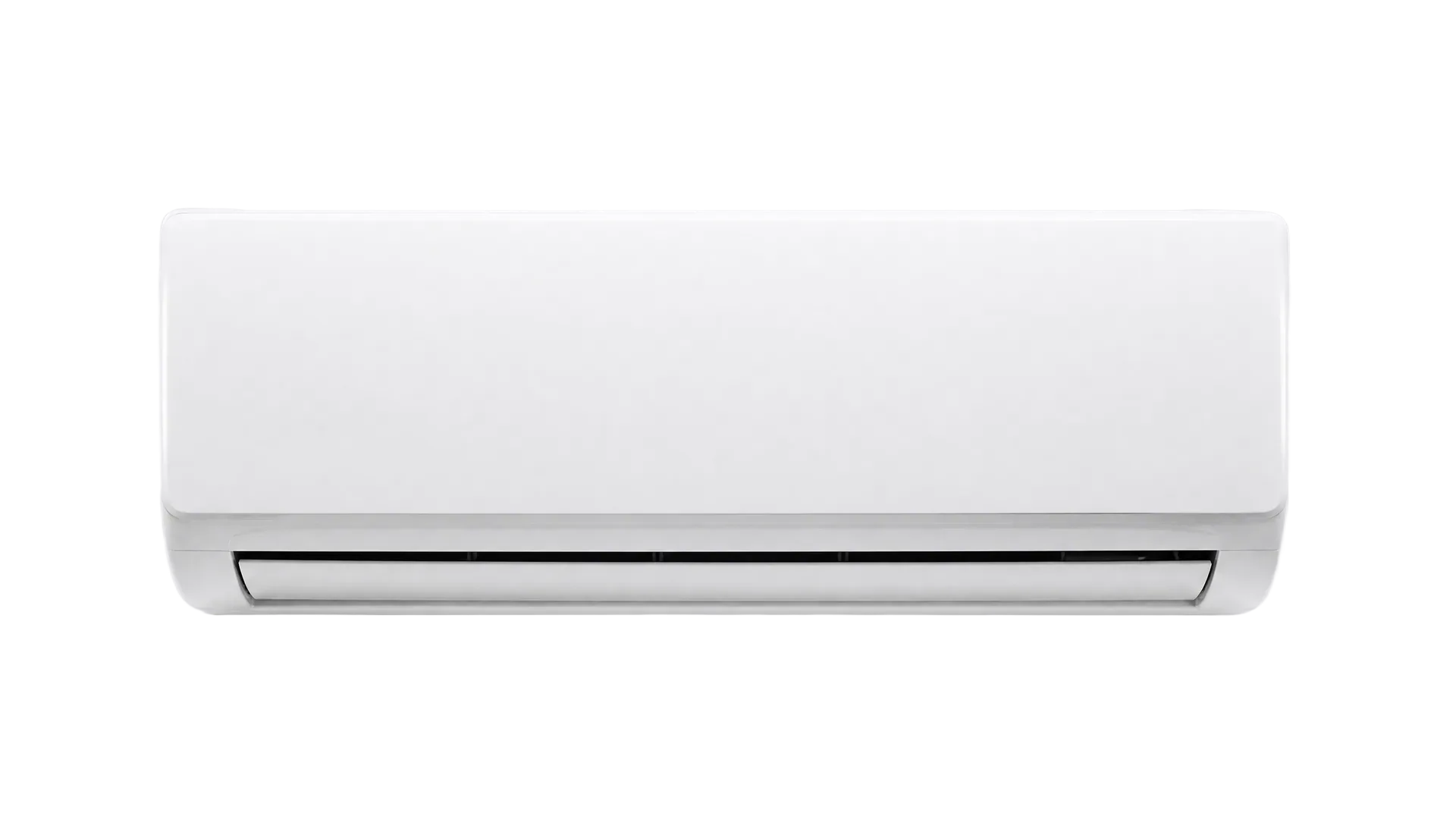
A white wall-mounted mini-split air conditioner indoor unit with a horizontal air outlet vent, centered against a plain light gray background.
Get a mini split pro

A single mini split can cool a whole house in Brooklyn only if it's sized and placed to reach every room, which usually means more than one indoor head. One wall unit in the living room will cool that room well and leave upstairs bedrooms warm, especially in the sticky stretch of July and August. A multi-zone system, with an outdoor condenser feeding two, three or more indoor heads, is how installers actually cover a full house with ductless equipment. The same system can carry the house through winter here too, since mini splits are heat pumps, though on the coldest nights many homes still want a backup source of heat. What matters most is the layout: how many rooms, how they're arranged, and whether the house has any ductwork already in place. That's a judgment a contractor makes room by room, not something a single unit's spec sheet can answer on its own.

Can one mini split system handle Brooklyn year round?

  • Cooling runs June through September

    Cooling runs June through September here, so every indoor head you install has to keep up for four straight months of sticky heat, not just a few hot days.

  • Heat runs October through April

    Heat runs October through April here, seven months of the year, so a mini split sized only for summer cooling will be working against the cold far longer than you'd expect.

  • Power here costs 36.97 cents per kilowatt-hour

    Power here costs 36.97 cents per kilowatt-hour, well above the national average, which makes how many heads you run and how well each room is matched to its unit worth getting right.

NOAA nClimDiv 1991-2020 · EIA-861 2025

One zone for one room

A single-zone mini split works when the goal is one room. A finished attic, an addition over the garage, a main floor with no ductwork reaching it. Install one indoor head there and it will hold that room's temperature on the hottest July day and the coldest January night. It won't touch the rest of the house. If the rest of the house already has a working source of heat and cooling, that's fine, the mini split is just covering the gap. Problems start when a homeowner expects that one head to pull double duty, cooling the room it's in and the rooms down the hall through an open door. It can't. Air doesn't travel that way through a house.

Multiple zones for the whole house

Covering the whole house with a mini split means a multi-zone system, one outdoor condenser running two or more indoor heads, each in its own room or zone. A two-bedroom house might need three or four heads to reach the bedrooms, the living room, and the kitchen without leaving any of them short. Each zone runs on its own thermostat, so a bedroom can sit cooler at night while the living room runs warmer during the day. This costs more up front than one wall unit, and it takes more planning, since each room needs its own line set run from the condenser. What it buys you is the whole house actually held at temperature, not just the room the unit happens to sit in.

A gray-haired bearded man in a dark snow-dusted coat and scarf stands inside a dimly lit home entryway, with a hallway, framed picture, lit table lamp and staircase behind him.
An older man with gray hair and a beard, wearing a dark snow-dusted coat, stands in a warmly lit home entryway with a hallway, console table with lamp, patterned rug, and living room visible behind him.
An older man with gray hair and a beard, wearing a dark coat dusted with snow and a blue plaid scarf, stands smiling in a dimly lit entryway with a window, framed picture, table lamp and staircase behind him.
A gray-haired man in a dark coat dusted with snow stands in a warmly lit home entryway, with a lamp, sofa, window and white staircase banister behind him.
A white wall-mounted mini-split air conditioner unit high on a light gray interior wall, with a beige curtain and window at the left and wood-look flooring below.

One room, holding steady

This is what a mini split looks like when it's matched to the space. Clean coil, steady airflow, the room sitting at the temperature you set. That's one indoor head covering one room well, through a Brooklyn summer, without strain.


A dusty white wall-mounted mini-split air conditioner indoor unit with open louvers, installed near the ceiling on a plain light-colored wall.

One unit, asked to do too much

This is what happens when one head is expected to cool a whole house. Dust and grime build up on the vents as it runs harder and longer trying to reach rooms it was never placed to cover. Grime like that is a sign of strain, not just age.

One Zone or Several

Whole house, one zone

  • You get one thermostat, one compressor, and bedrooms that stay several degrees warmer than the room with the indoor head.
  • A single head pushes air into the rooms near it and loses the fight down a hallway or up a staircase.
  • Closed doors between rooms make the gap worse, since a mini split has no ductwork to carry air past them.
  • A hot July afternoon finds the far bedrooms running warm even while the living room holds steady at the setting.
  • Installation is simpler and there's only one outdoor unit to place, but the house won't cool evenly.
  • This setup fits a small apartment or a single floor open enough for one head to reach every corner.

Whole house, multi-zone

  • Each room gets its own indoor head and its own setting, so the upstairs bedroom and the main floor can run differently.
  • A multi-zone system ties several indoor heads to one or two outdoor compressors, sized for the square footage of the whole house.
  • Every room holds its temperature through a Brooklyn summer, not just the room nearest the outdoor unit.
  • Winter coverage works the same way, each zone pulling its own heat from October through April instead of leaning on one unit for the whole house.
  • Placement matters more with multiple heads, since each one has to reach its room without a door or a stairwell in the way.
  • More indoor heads means more lines and more labor at installation, planned around the layout of the house, not just one wall.
A white wall-mounted mini-split air conditioner installed near the ceiling on a plain beige interior wall.

Running clean

This is a unit sized right for its room. The casing stays white, the grille stays clear, and it holds that room steady through a Brooklyn summer without strain. One head, one space, doing the job it was installed to do.

A dusty, discolored wall-mounted mini-split air conditioner unit near the ceiling of a plain beige interior wall.

Worn past its job

This one has been running long past what it can keep up with. The casing is yellowed and caked with dust, a sign of a unit pushed hard for years, often trying to cover more rooms than one head was ever meant to reach.

A wall-mounted mini-split air conditioner indoor unit with a discolored cream plastic casing and dusty outlet vanes, installed high on a plain light-colored interior wall near the ceiling.
Before you get your mini split installation
A white wall-mounted mini-split air conditioner installed high on a beige interior wall near the ceiling molding, with a light curtain and curtain rod at the left edge.
After you get your mini split installation

4 to 5 rooms

That is about as far as ductless air travels well from one outdoor compressor before you need a second outdoor unit to carry the rest of the house.

Answer a few questions

One compressor, several heads

A multi-zone system runs one outdoor compressor to separate indoor heads, so each room gets its own thermostat instead of one unit pushing air down a hallway.

Answer a few questions
A woman wrapped in a thick cream knit blanket sits in a chair with an open book on her lap, beside a lit table lamp and a frost-covered window at night.
A woman in a cream knit sweater sits with closed eyes in an armchair beside a window showing orange autumn foliage, with a mug and plate of cookies on a small side table.

Get matched with a mini split pro in Kings County

A house that needs three or four indoor heads to cool evenly is a bigger job than the single-zone question most people start with. You're deciding how many rooms need their own head, where the outdoor compressor goes on a Brooklyn lot, and whether one compressor can carry the whole load or you need a second. Get the room count wrong and you're back to the warm bedroom problem this page started with, just with more equipment involved. That's a layout decision, not a guess, and it has to account for your house specifically, not a typical one. Working that out, then finding a contractor who installs multi-zone systems rather than just services the single-zone kind, then getting someone out to actually look at the rooms involved, is most of the work here. Submitting this request hands that off. One contractor who installs mini splits in Brooklyn gets your details and follows up with you directly.

What an undersized system costs you

An outdoor compressor sized for two heads but running four will cycle harder all summer trying to catch up. The rooms farthest from the heads stay warm, so you run it longer to chase a temperature it can't hold there. That shows up on a power bill that's already steep in Kings County. Come winter it's the same compressor working against cold it wasn't matched to carry, so the rooms without their own head go cold first and stay that way until someone notices and asks why.

What getting it sized right looks like

A system matched to your house means every room you actually use has its own indoor head, sized to that room, tied to one outdoor compressor built to carry all of them. You set a bedroom a few degrees cooler than the living room and both hold. No warm hallway, no cold spot upstairs in January. It takes someone walking your house, counting rooms, checking where the compressor can sit on your lot, and sizing the whole system to that, not guessing from one unit in a showroom.

Cooling runs June through September

Four months is long enough for an undersized setup to show. A head that struggles in June won't catch up by August. Whatever number of zones your house needs has to hold through the whole stretch, not just the first hot week.

NOAA nClimDiv 1991-2020

  1. A contractor surveys each room to count heads needed.

  2. The outdoor compressor is set on a pad or bracket.

  3. Refrigerant lines run from the compressor to each indoor head.

  4. Each indoor head mounts high on an interior wall.

A white wall-mounted mini-split air conditioner unit installed high on a light gray interior wall near the ceiling, with a white-framed window and green foliage visible at the left edge.
A mini split matched to its room runs clean and quiet, holding that one space at the temperature you set.
A dusty white wall-mounted mini-split air conditioner installed high on a beige interior wall below a molded ceiling trim.
A mini split pushed past its job runs dirty, its filter caked and its coil struggling to keep up with rooms it was never meant to reach.

Why does the upstairs never feel as cool as the room with the unit

You notice it most in the rooms farthest from the indoor head. The bedroom down the hall stays a few degrees warmer than the living room, and the one upstairs is worse. You bump the thermostat down, and the compressor runs longer without actually catching up in those rooms, because the air was never reaching them well in the first place. By August you're running a fan up there just to sleep, and the electric bill reflects all those extra hours the compressor spent cycling to chase a temperature it can't hold in the rooms it wasn't placed to serve. None of this means the unit is broken. It means it was sized and placed for one room, and the rest of the house is asking for more than it can give.

A two-story house with light gray siding and a small front porch, framed by leafy trees and shrubs, with a concrete walkway leading from a wet sidewalk across a green lawn in low sunlight.

Weather service data puts the summer dew point in Kings County at 65°F across June, July and August. That's the sticky kind of air, the kind that sits on your skin even after a room reads cool on the thermostat. A mini split lowers temperature and pulls moisture out of the air at the same time, and at a dew point that high, it has to keep working on both jobs long after the number on the wall looks right. A single head covering a room near the outdoor compressor will keep up with that. A head trying to cover a bedroom down the hall has less capacity left for the moisture, and that room feels damp even when it isn't warm.

NASA POWER T2MDEW

A man in a dark blue shirt stands in an open front doorway of a stucco and wood-clad house, facing a blond woman seen from behind in the foreground on a stone walkway.

So, can one mini split cool your whole house?

Only if it has enough heads in the right rooms, and an outdoor compressor sized to run all of them through a full Brooklyn summer. One wall unit in the living room is a one-room answer. A house needs a system built room by room, counted and placed before anyone mounts anything on a wall.

That's a different job than most people expect when they start asking the question, and getting the count and placement right matters more than almost anything else about the install. A contractor who surveys your specific rooms can tell you what your house actually needs, instead of you guessing from one unit that worked fine for your neighbor's addition. That's the part worth getting matched on, someone who looks at your rooms, your layout, your lot, and tells you where the heads go and what the compressor has to carry.

Interior corner of a living room with a beige upholstered armchair holding a textured pillow and throw, a eucalyptus arrangement in a ceramic vase on a wooden table in the foreground, a blurred glass-front cabinet behind, and a potted plant on a sunlit window sill.
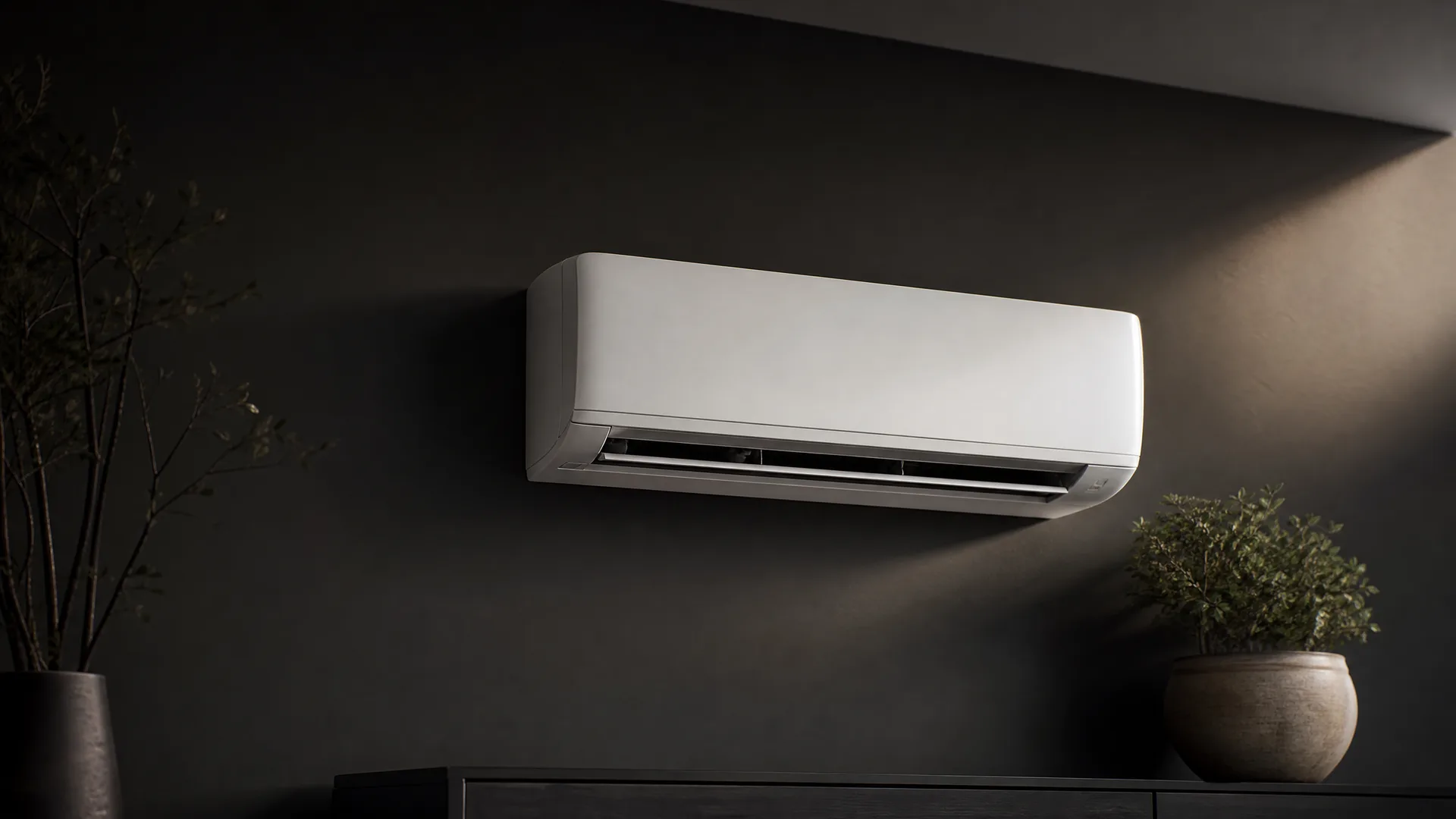
A white wall-mounted mini-split air conditioner on a dark gray interior wall, with potted plants on either side and a dark cabinet below.

A local pro for your mini split installation

New system or replacementMini-splitKings County, NY
Step 1 of 2

What ZIP code is the job in?