
AC Maintenance in New York
Homes in New York are older than in 49 of the other 49 states.
Tell us about the job
Takes about a minute. No obligation.
- 81°Fsummer afternoon high where people live
- 3 monthsof cooling, June through August
- 24.43¢ per kWhwhat homes paid for power in 2024 (kWh means kilowatt hours, the unit on an electric bill)
- 738hail events from 2015 to 2024
Electricity costs more here a neglected AC burns more of it
- Southern counties need about twice as much cooling than northern ones
- Summer afternoons average 81°F where people live
- Cooling runs June through August
- 738 hail events from 2015 to 2024
- 9,767 damaging wind events from 2015 to 2024
- 11% of homes lost power a day or more in 2024


Older homes, systems that have been running a long time
Half the houses in New York went up in 1959 or earlier. No state has older housing than this one. A lot of the air conditioners doing the work in those houses have been in place for years, maybe longer than the one before it. The longer a system runs without a checkup, the easier it is to miss a weak capacitor or a coil caked with dirt. A yearly check on an older system is how a worn part gets caught while it's still just a worn part, not a breakdown.

A warm house on a cool setting is the clearest sign. If the thermostat says it reached temperature but the air coming out doesn't feel cold, something is off, a low refrigerant charge, a failing compressor, a blocked coil. Short cycling is another one. The unit kicks on, runs a couple minutes, shuts off, and starts again soon after. That's hard on the compressor and usually means a dirty filter, a sensor out of place, or a system too big for the space it's cooling.
Listen to it start up and run. A healthy compressor comes on with one solid sound, not a hard clunk or a buzz that lingers. A squeal usually points to a motor bearing going dry. Grinding means something is rubbing that shouldn't be. Water pooling near the indoor unit means the condensate line is clogged or the drain pan has rusted through, and left alone that water finds its way into the ceiling or the floor below it. None of these mean the system is done. They mean it's asking for a look before the small part takes out a bigger one.
Three months of work, one visit to prepare for it
Cooling runs three months here, June through August, with afternoons averaging 81 degrees. That's a shorter stretch than in most of the country, and a milder one too. A system that only works three months a year doesn't need more than one visit to earn its keep. Get it done before June, so whatever the winter left sitting gets caught before the heat does.
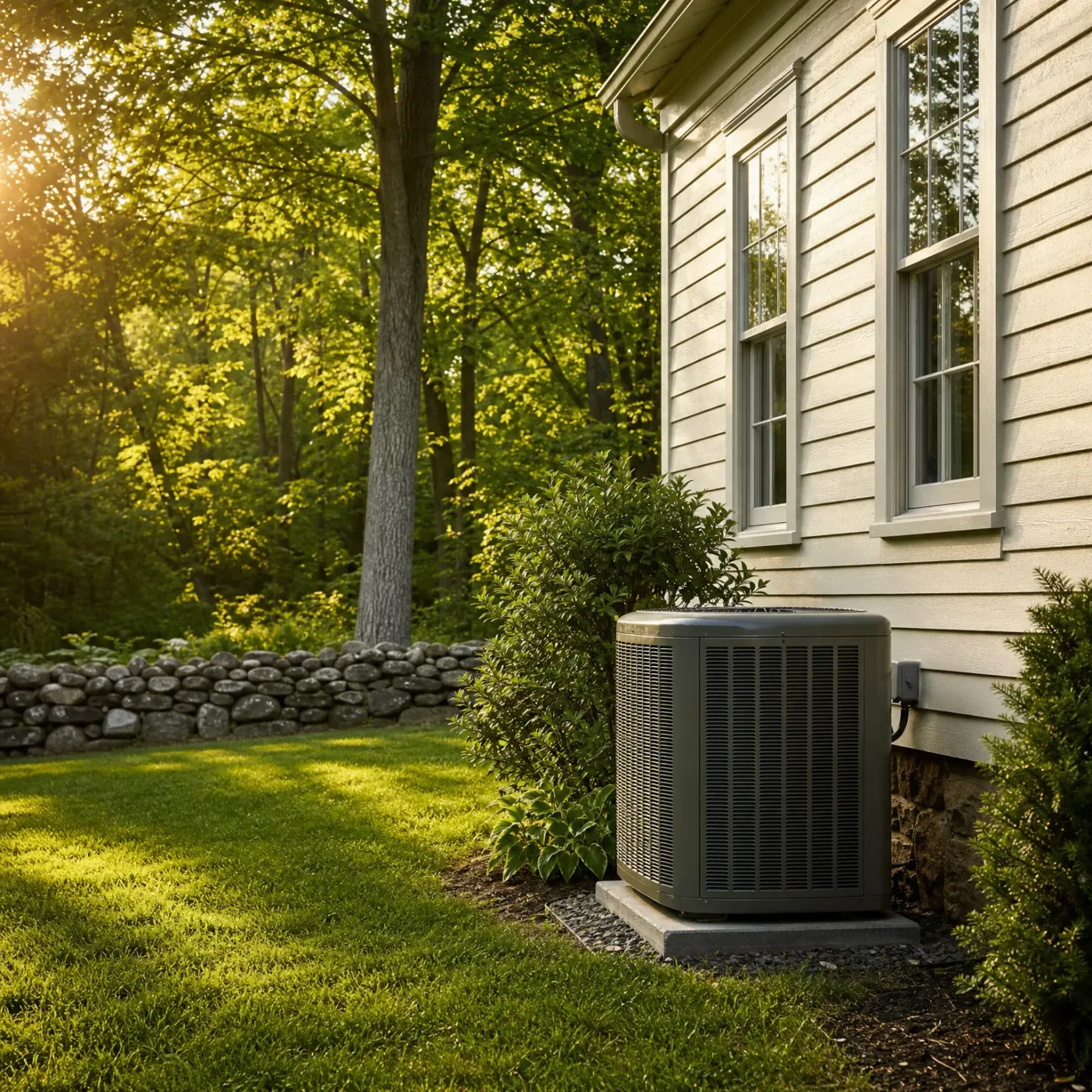
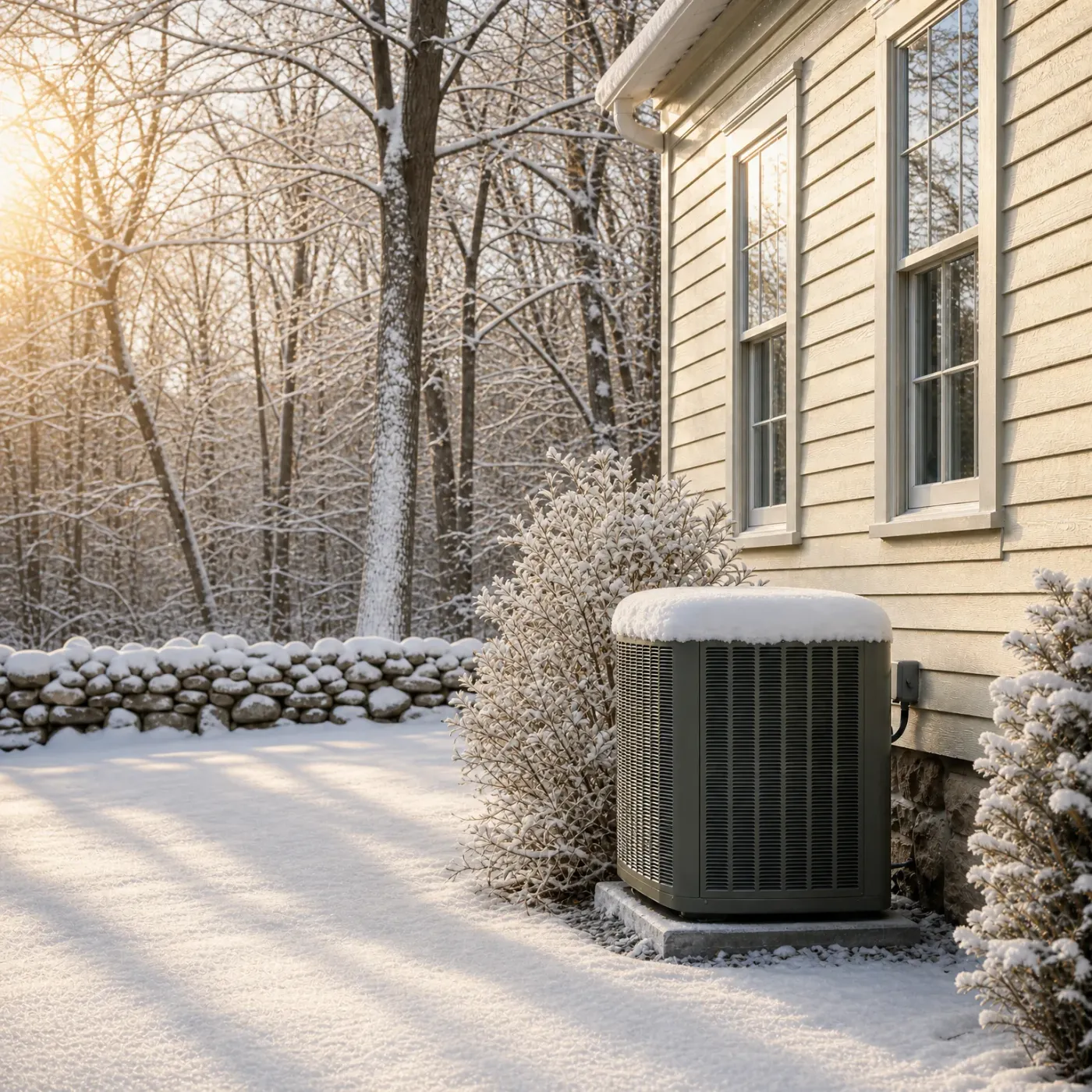
3 months of cooling, June through August
8 months of heat, October through May
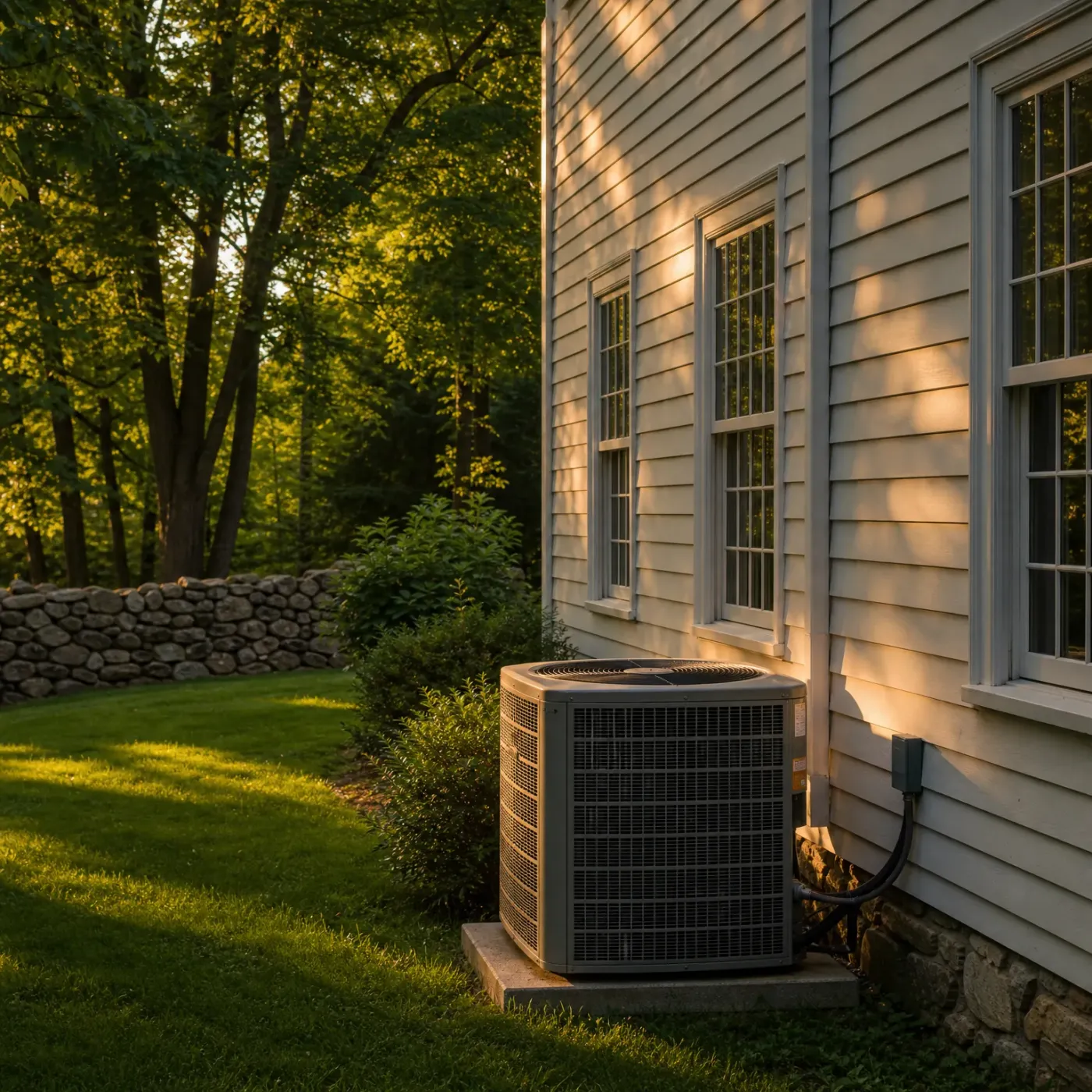
New York splits in two when it comes to cooling. Homes across the southern counties run their AC about four months a year. Homes across the northern counties run it about two. Southern homes need roughly twice the cooling over a year that northern homes do.
Kings County runs cooling longer than anywhere else in the state, about four months a year. Herkimer County runs it the shortest, about zero. Richmond County sees the hottest summer afternoons, averaging 84 degrees across June, July and August. Hamilton County stays mildest, at 74 degrees. If your address falls near either end, that tells you more about your system's workload than the state average does.
Where you land in that split should set when you book the check. A system in Kings or Richmond County is doing real work for a good part of the year and is worth looking at before June gets there. A system up in Herkimer or Hamilton County is barely turning over, and there's more room to get to it whenever it fits.
New York also sees its share of damaging wind, and tropical storms and hurricanes have reached the state more than once a year on average over the past decade. An outdoor condenser that's been through that kind of weather is worth a look even if it's been running fine. Bent fins, debris caught in the cabinet, or a unit knocked slightly off its pad are easy to miss until the system is working harder than it should.
What does an AC in New York face?
How hot do summer afternoons get?
81°Faverage afternoon high where people live
Alaska66°F
Arizona101°F
How many months does the cooling run?
3 monthsof cooling a year
Alaska0 months
Hawaii12 months
What does electricity cost?
24.43¢per kWh, what homes paid in 2024
North Dakota11.51¢
Hawaii42.86¢
How often do storms hit?
197severe weather events per county from 2015 to 2024
Alaska5
Wyoming1,057
How many homes lost power for a day or more?
11%of homes in 2024
Arizona7%
Maine54%
Running costs more here, so a strained system costs more too
Electricity here runs 24.43 cents per kilowatt-hour, more than homes pay in 43 other states. A dirty coil or a low refrigerant charge makes the system pull more power to cool the same house. A tune-up gets the airflow and the charge back to where they should be, so the unit isn't fighting itself every time it runs.
What skipping it does to the system over time
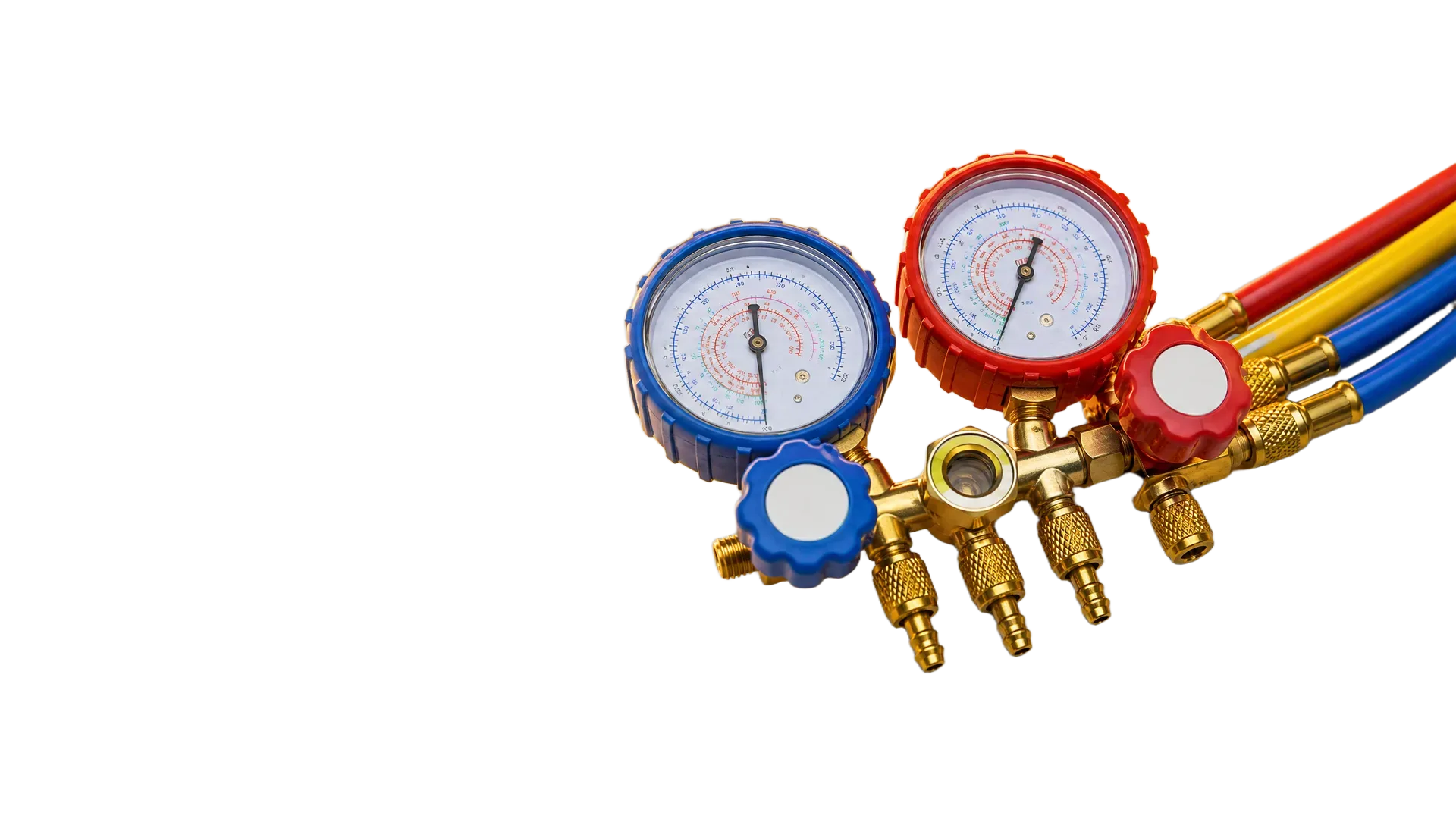
Skip the yearly check and the problems don't stay small. A dirty filter cuts airflow across the evaporator coil, and over time that coil can ice over, which blocks airflow even more and forces the compressor to run longer for less cooling. Dirt left on the outdoor condenser coil does something similar from the other end. It keeps the system from shedding heat the way it should, so it runs harder and stays hot longer than it was built to. A refrigerant leak that goes unnoticed slowly starves the compressor, and a compressor is the one part in the system that usually can't be repaired, only replaced. Loose electrical connections work themselves looser with every cooling cycle until they arc or burn. A capacitor that's weakening gives no warning before it fails outright and leaves the compressor unable to start at all. None of this happens in the first skipped season. It happens because small faults compound, each one making the system work harder, until the part that finally gives out is the one that runs the whole system.
The house won't tell you how old the AC is
Houses this old have usually had at least one system swapped in since they were built, sometimes more than one. There's no way to know from the house itself how old the AC actually is. That's something only a look at the unit, or the paperwork from whoever installed it, can tell you. If nobody's checked it since it went in, a yearly visit is how you find out where it stands before a part fails on its own schedule instead of yours.
A neglected AC pulls more power, and power costs more here than in most of the country.
Tell us about the job
Takes about a minute. No obligation.
Fill out the form once and a licensed contractor in New York takes it from there.