






A single-story light gray house with dark shingled roof and black shutters sits on a mown lawn, framed by overhanging tree branches and blurred grass and shrubs in the foreground.

AC Maintenance in Brewster, NY

Tell us about the job

Takes about a minute. No obligation.

Tune-up, service, or cleaningCentral ACPutnam County, NY
Step 1 of 2

What ZIP code is the job in?

Electricity in New York ran 24.43 cents per kilowatt-hour in 2024, well above what most states pay. Your AC does not care what the rate is, it just pulls the power it needs to hit the temperature on your thermostat. A dirty coil or a low refrigerant charge makes it work harder and longer to get there, and every extra minute shows up on the bill at that rate. A system running clean and properly charged uses less power to do the same job. At New York prices, that difference is worth noticing.

3 months
June through August, your air conditioner is on duty
81°F
the average summer afternoon it cools against
3 hail events
in ten years, and hail bends the fins on outdoor coils
50 wind events
in ten years, and wind drives debris into outdoor units
Isometric cutaway illustration of a house interior showing ducted air handling equipment and duct runs through rooms, connected by piping to an outdoor condenser unit on a pad outside the wall.
Your air conditioner works hardest from July through August.

NOAA nClimDiv, 1991–2020 normals

Cooling in Putnam County runs June through August.

May is the month to get your AC checked, before the first hot pull of the season hits it.

Three months of work a year, so a yearly check is enough to keep ahead of it

Cooling runs June through August
Summer afternoons average 81°F
50 damaging wind events from 2015 to 2024

Between visits, the filter is the one thing worth your attention. A dirty filter chokes the airflow across the coil, and the system has to run longer to move the same amount of cool air through the house. Check it monthly during the summer and swap it when it looks gray or matted. Outside, keep the area around the condenser clear. Grass clippings, leaves and mulch piled against the cabinet block the airflow it needs to shed heat, and a unit that can't breathe runs longer and works harder. You can hose off the outside of the condenser coil if it looks dusty, but leave the refrigerant lines and electrical connections alone. Inside, listen for anything new. A rattle, a hum that wasn't there before, a musty smell from the vents are all worth a call before they turn into a bigger problem.

A clean, correct system costs less to run at these rates

A coil kept clean and a charge kept correct is the cheapest way to hold down what this system costs to run at New York rates. A tune-up before summer catches both.

Find a contractor
A man in a dark T-shirt, tan work pants and a backward cap walks up stone steps toward a dark green door, carrying a worn canvas tool bag, with a potted shrub in a green ceramic planter beside him.
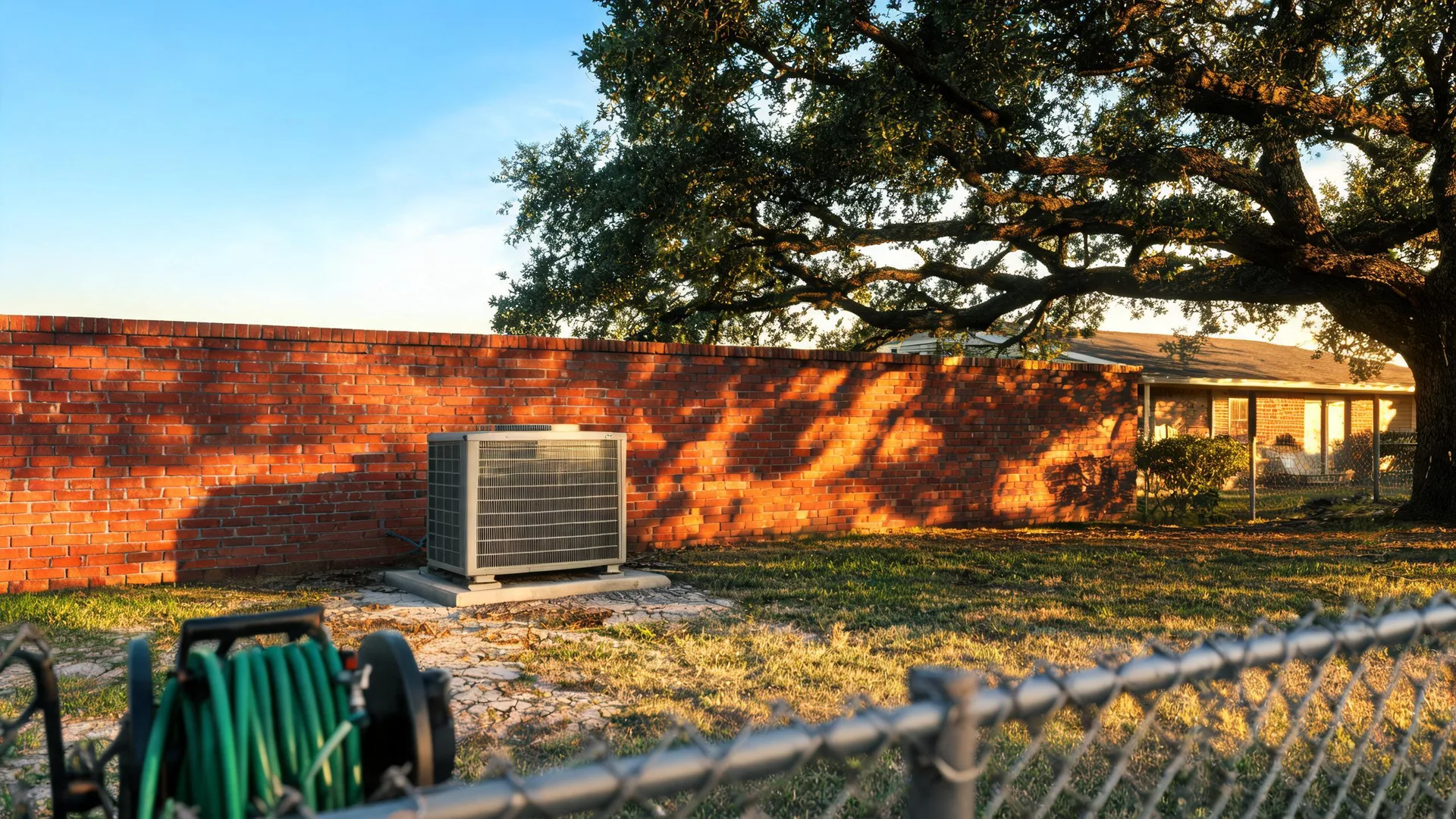
A gray residential air conditioning condenser unit mounted on a concrete pad outdoors, surrounded by green grass under a partly cloudy blue sky.

An older house calls for a closer look, not a harder-working system

Half the homes in Putnam County were built in 1968 or earlier. A system that old has usually been swapped out at least once, but the ductwork and electrical behind it are often original to the house. Older duct runs develop leaks and loose joints over the years, and an aging electrical panel doesn't always supply power as steadily as a new one. A yearly check gives a contractor a chance to catch a connection working loose or a duct losing air before it turns into a bigger repair.

The refrigerant charge is checked, not guessed

A system low on refrigerant can still blow cold air at the vent while taking much longer to bring the house down to temperature. The only way to know the charge is right is to check the pressures and the temperature of the air coming off the coil. Guessing from how the air feels at the register misses a slow leak every time.

The capacitor is tested under load

A capacitor that is starting to fail can still kick the compressor and fan on every time you check it yourself. It only shows its weakness when it's asked to deliver a full start under real conditions, which is what a meter catches and a homeowner flipping the thermostat can't. A capacitor that fails outright usually takes the compressor's next start attempt down with it.

Overhead view of an outdoor AC condenser unit on a concrete pad next to a house with a dark shingle roof.

Book your AC tune-up in May, before homes here start needing cooling in June.

  1. Jan
  2. Feb
  3. Mar
  4. Apr
  5. May
  6. Jun
  7. Jul
  8. Aug
  9. Sep
  10. Oct
  11. Nov
  12. Dec

A tune-up checks the refrigerant charge, cleans the coils, tests the capacitor and tightens the electrical connections.

A tune-up starts outside, at the condenser. The coil gets cleaned so it can shed heat the way it was built to, and the fan motor and blades get checked for wear and wobble. Inside, the evaporator coil gets a look too, since a coil caked with dust loses its ability to pull heat out of the air no matter how well the rest of the system runs. The tech checks the refrigerant charge against pressures and temperatures, not by feel at the vent, and tests the capacitor and contactor under load rather than just confirming the fan kicks on. Electrical connections get tightened, since a loose connection runs hot and wears out the part it's feeding. The condensate drain gets checked too, because a clogged one backs up and spills water where it shouldn't be.