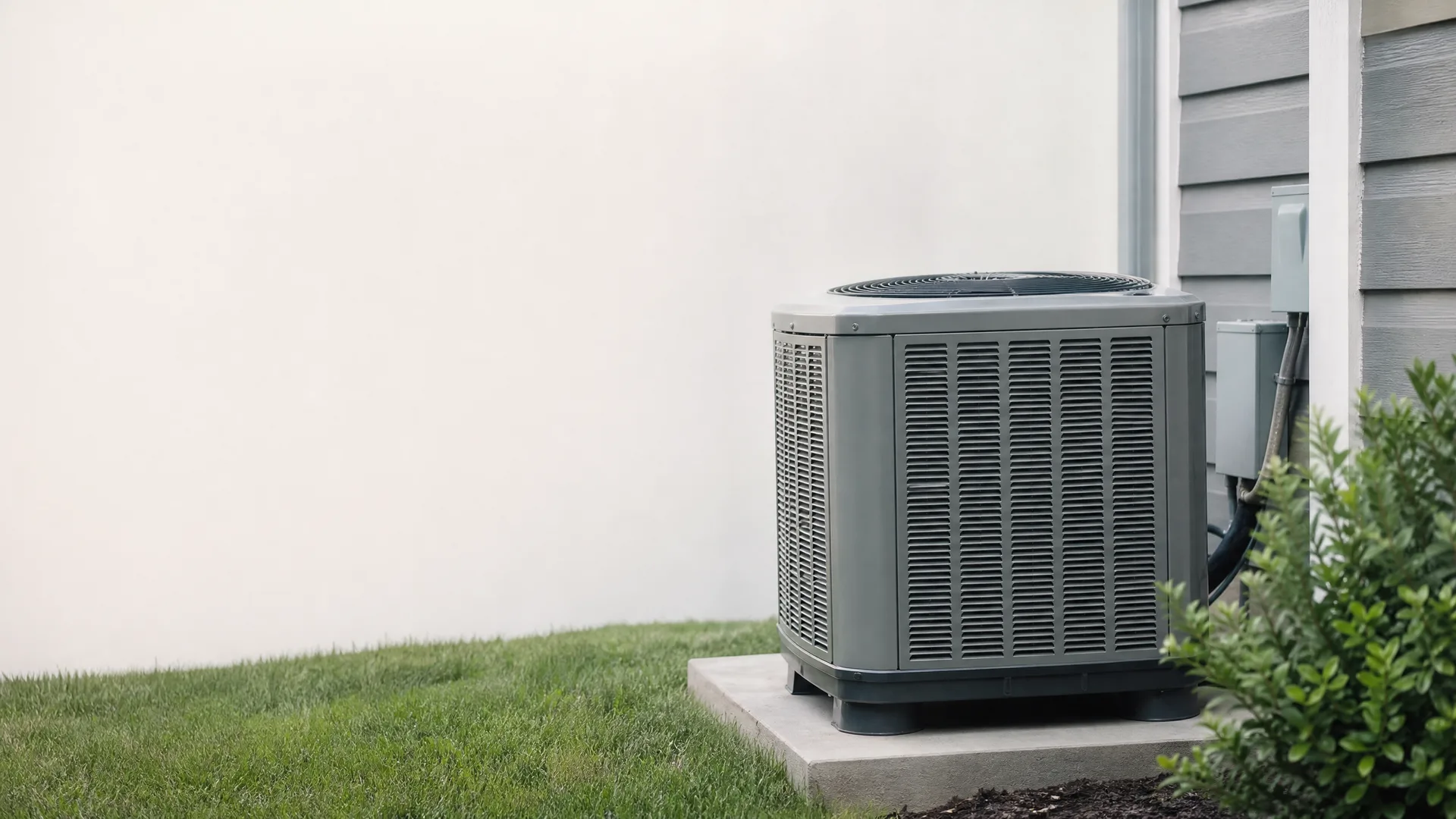
A dirty condenser coil makes the system work harder
Your air conditioner sits outside all winter picking up leaves and grit. A coil caked with debris can't shed heat well, so the unit runs longer to cool the same house.
 Find an air conditioner pro
A local pro who services air conditioners gets in touch about the tune-up.
A tune-up before summer gets here is a set of checks on the parts of your air conditioner that wear and drift out of adjustment over a New York winter sitting idle. The technician checks refrigerant charge, tests the capacitor, cleans the condenser coil, checks the electrical connections, and makes sure the system turns on and cools the way it should before the first hot stretch hits.
None of that is guesswork. A low charge or a weak capacitor shows up on a gauge or a meter, and catching it in May means it gets handled before July, when your AC is running most of the day and a small problem becomes a breakdown at the worst time.
Power here costs more than almost anywhere else in the country, and a dirty coil or a system low on refrigerant works harder than it needs to just to keep a room comfortable. A tune-up is the chance to find that before it shows up on a bill.
You don't have to figure out what your system needs or whether it's due. Once you send the form, that part is off your plate. You get matched with a contractor who takes it from there, someone who looks at your specific system and what it needs, and they reach out to you directly.
That's a different thing than searching around for someone to call, waiting to hear back, explaining your situation from scratch. It's handled, and you can stop thinking about it until they're in touch.
What's below walks through exactly what gets checked and why, so you know what you're asking for either way.
You want to know if a tune-up is worth scheduling before the heat sets in, or if it's just a line item a contractor adds to the bill. Knowing what's actually checked helps you tell a real service visit from a quick once-over.
Your air conditioner sits unused from around October through April, and that idle stretch is where problems start. Refrigerant can leak slowly without any sign until the system runs again. A capacitor can weaken over the cold months and not have enough left to start the compressor in July. The condenser coil collects a winter's worth of dust and leaves outside, and a dirty coil makes the whole system work harder to cool the same space. A tune-up catches these before the first hot week does. With electricity rates in New York running high, a system that starts the summer already losing refrigerant or straining through a dirty coil costs more to run every single day it's on.




Your air conditioner sits outside all winter picking up leaves and grit. A coil caked with debris can't shed heat well, so the unit runs longer to cool the same house.
The capacitor gets the compressor and fan motor started. Once it weakens, the system can fail to start at all, usually on the first hot day it's asked to work.

Through a New York winter, the unit outside has done nothing but collect weather. Leaves settle into the coil, moisture gets into places it shouldn't, and the first hot stretch in May or June is when all of that shows up. If the system struggles, it struggles on the day you need it most, and with what power costs here, a system working harder than it should shows up on the bill before you've figured out why.
A tune-up catches this before the heat does. You don't have to track down a contractor yourself or figure out who's any good. Send the form and the search is handled for you, matched to someone who takes on your specific situation and reaches out to you directly. One less thing sitting on your list before summer gets here.


The technician goes through the system with the summer ahead, not behind. Refrigerant charge gets checked, the capacitor gets tested, the coil gets cleaned. Anything worn or drifting gets caught while it's still a small fix. You run the AC in July knowing it was looked at before it had to carry the house through 90-degree days.
The system starts the summer the way it ended the fall, coil still dirty, capacitor never tested, charge never checked. It may run fine for weeks. If a part was already weak, the first heat wave is what finds it, and it finds it on the day you need the AC most. Power here isn't cheap, and a system working harder than it should shows up on the bill before it shows up as a breakdown.
At that rate, a system that's lost charge or dragging on a dirty coil doesn't just cool worse, it runs longer to do it, and every extra hour shows up on your bill. A tune-up catches that drift before July does.
EIA-861 2025 statewide residential average
You skip it and the system still runs, probably, right up until the afternoon it can't keep up. A humid stretch in July puts more load on a weak capacitor or a low charge than anything before it did.
You get it checked and the same hot afternoon is just a hot afternoon. The parts that were drifting got caught in May, while a contractor had time to fix them instead of squeezing you into an emergency call.


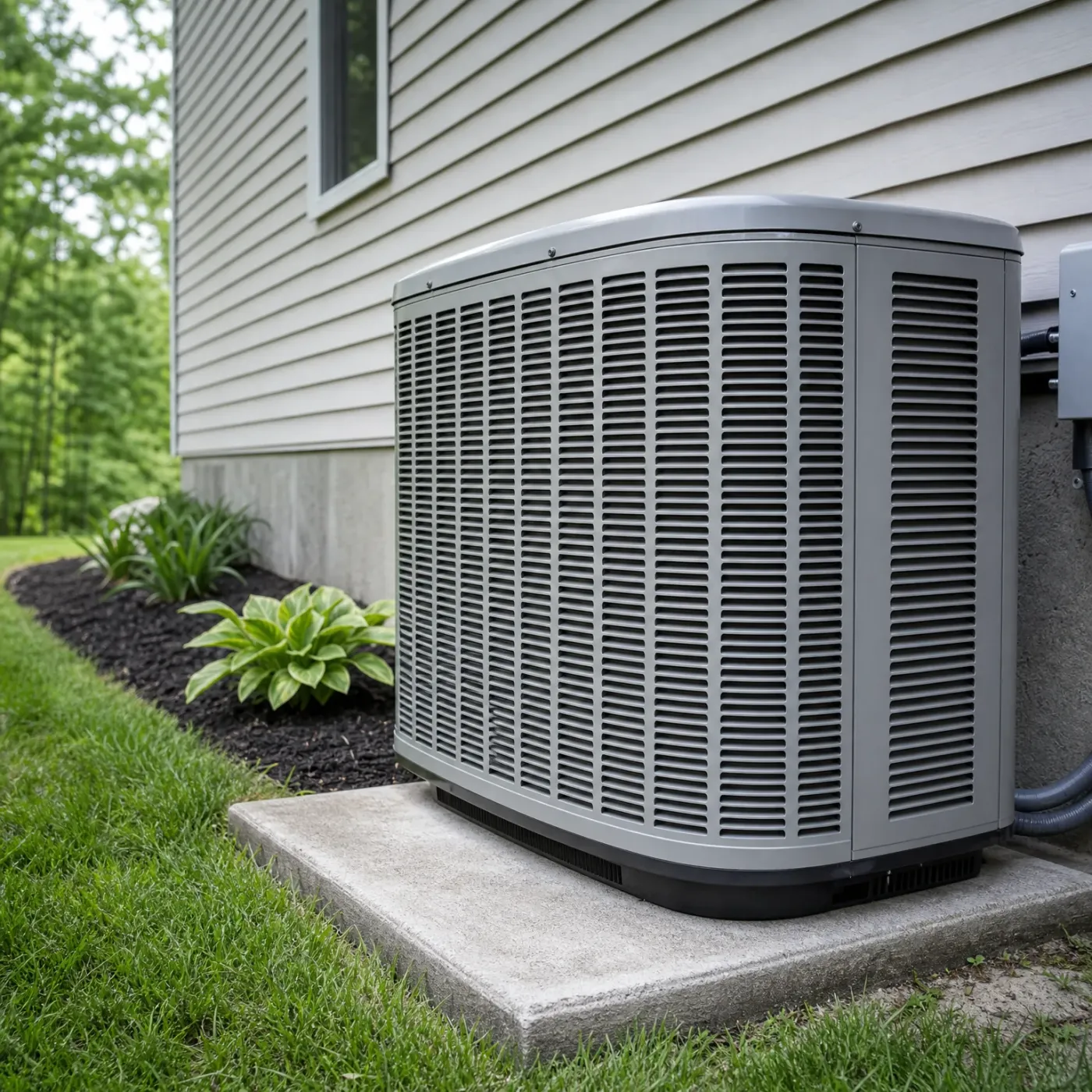
Send the form and the air conditioner tune-up stops being something to remember.
Say what's going on with your air conditioner, and a pro who works on them reaches out.
It costs nothing to send, and you don't have to hire anyone.


The condenser outside is only half the job. Inside the disconnect box, a technician looks at the contactor for pitting, since worn contacts can keep the whole unit from starting on a hot morning. Airflow gets measured at the ducts, because a system can have good refrigerant charge and still cool poorly if the air isn't moving the way it was built to. Indoors, the evaporator coil gets a look too, since dirt or mold there chokes airflow the same way grime on the outdoor coil does. The blower motor and its bearings get checked, since a motor running hot or seizing mid-cycle means no air moving through the house at all. Connections at the disconnect box get tightened, because a loose one can arc or drop power to the unit without warning. Last, the thermostat gets checked against the actual temperature in the house, so what it reads and what it calls for actually match.



New York summers average a dew point of 62°F across June, July and August, according to NOAA climate data. That's the kind of air that feels heavy even when the temperature itself isn't that high. Your air conditioner isn't just cooling the house at that point, it's pulling moisture out of the air too, and that extra work falls on the same coil and refrigerant charge a tune-up checks. A system that's a little low on charge or dragging on a dirty coil will struggle more on a muggy 80-degree day than a dry one ten degrees hotter. You'll notice it as a house that feels damp even with the AC running, or a system that never seems to shut off.
NASA POWER T2MDEW county cells weighted by homes
Turn it on for the first real test and listen. A hum with no cold air usually means the capacitor gave out over the winter. A hiss or a system that runs most of the day without getting the house comfortable points to a slow refrigerant leak. Weak airflow from the vents can mean the blower or the ducts are struggling, not the compressor. Check the outdoor unit too. If the grille is packed with last fall's leaves or the coil fins are matted with grit, the system is working against itself before it even starts cooling. None of this means the unit is done. It means it's telling you something before the humid stretch of summer makes it worse, and before a small fix turns into a sweltering week without cooling at all.
Technician measures refrigerant charge against the system's rated level
Capacitor gets tested under load for weak or failing output
Condenser coil gets cleaned of leaves, grit, and built-up debris
Contactor gets checked for pitting that can stop the unit starting
A tune-up before summer checks the same things every time: refrigerant charge, the capacitor, the coil, the contactor, the airflow through your ducts. Catch a weak part in May and it gets fixed on a bench, not diagnosed at 4pm on a 90 degree day with the house already warm. That's the difference between a scheduled visit and an emergency one, and it's the same system either way. Once you send the form, you're done with the part that takes effort. Someone who knows your kind of system and your kind of New York summer gets matched to your house, and they're the one who calls you, not the other way around. You stop thinking about it and wait to hear back. The air conditioner outside your window has been idle since October. What it does in July depends on what shape it's in before July starts, and that's the whole point of having it looked at now instead of finding out the hard way.

The right pro for this job