
AC Repair in New York
Homes in New York are older than in 49 of the other 49 states.
Tell us about the job
Takes about a minute. No obligation.
- 81°Fsummer afternoon high where people live
- 3 monthsof cooling, June through August
- 24.43¢ per kWhwhat homes paid for power in 2024 (kWh means kilowatt hours, the unit on an electric bill)
- 738hail events from 2015 to 2024
Summers here don't push your AC hard. Three months of real use, June through August.
- Southern counties need about twice as much cooling than northern ones
- Summer afternoons average 81°F where people live
- Cooling runs June through August
- 738 hail events from 2015 to 2024
- 9,767 damaging wind events from 2015 to 2024
- 11% of homes lost power a day or more in 2024


Older homes, older systems
Half the houses in New York were built in 1959 or earlier, older than in every other state. A lot of them have had a new AC system put in since, maybe more than once, but if yours came with the house, it's worth finding out how old it actually is. A system that old doesn't owe anybody anything. If what's wrong is a bigger repair, like a compressor or a coil, that's the moment to ask whether you're paying to fix a system that's near the end, or one that has years left in it.

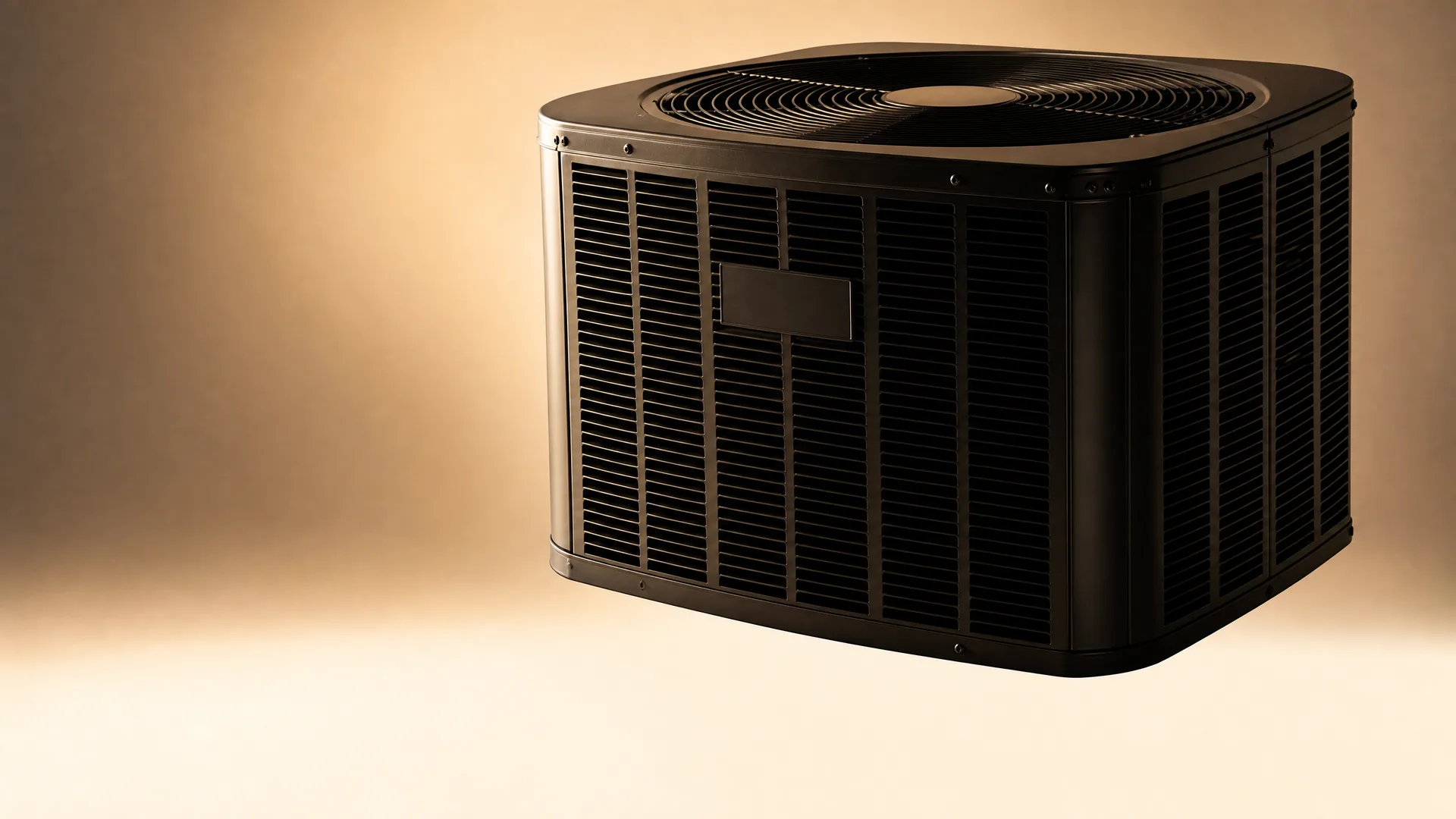
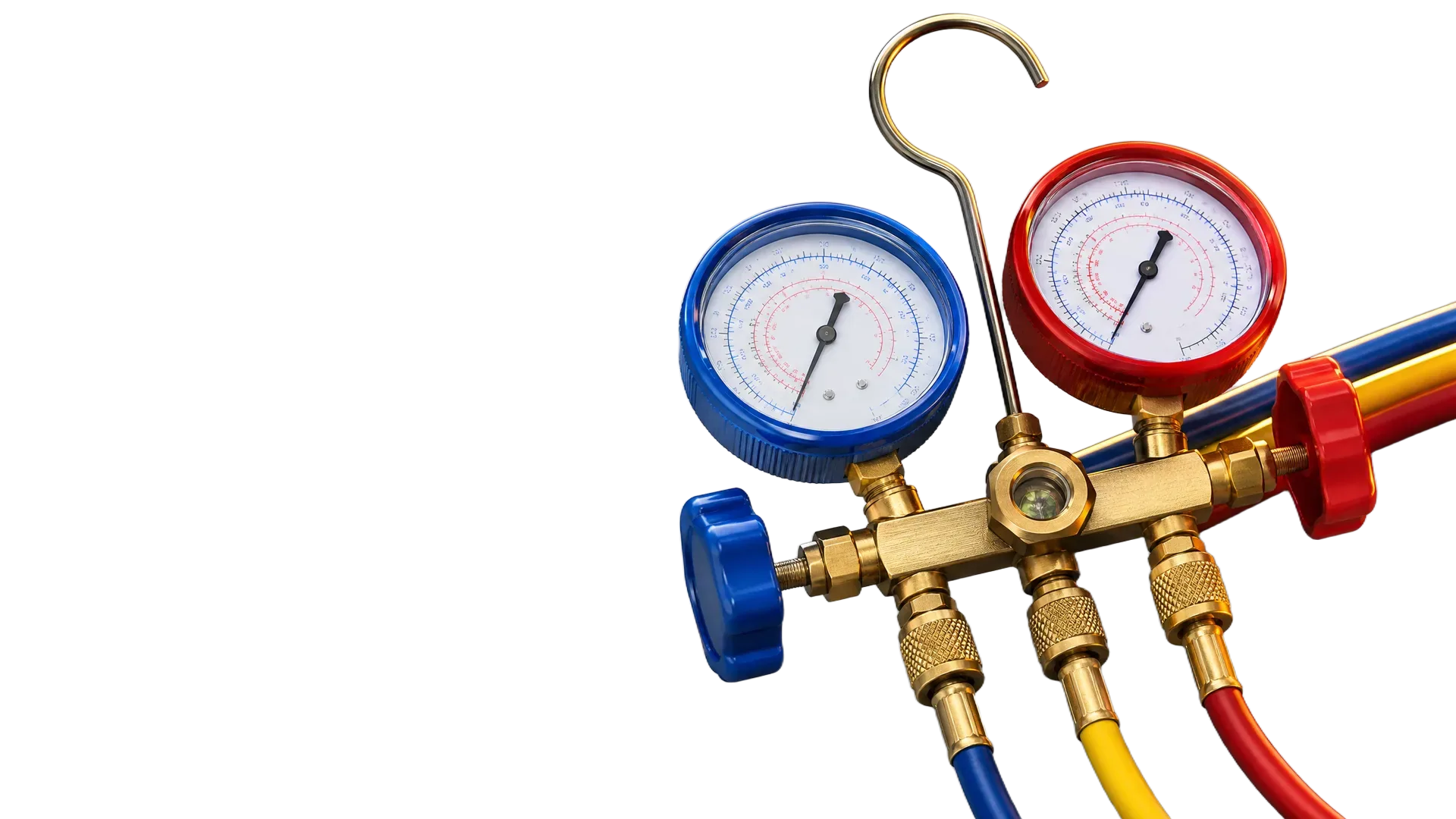
A tech starts outside at the condenser, checking the compressor and fan before touching anything inside. They'll check refrigerant pressure with gauges, look at the contactor and capacitor for burn marks or swelling, and see if the coil is caked with dirt or choked with leaves. Inside, they pull the filter, check the blower wheel, and look at the evaporator coil for ice or buildup. A lot of no-cooling calls come down to a bad capacitor or a dirty coil, both visible as soon as the panels come off.
If the system is blowing warm air, the question is whether it's low on refrigerant or not moving air at all. Low refrigerant means a leak somewhere, and a tech will check the line set and coil for oil stains, since refrigerant leaves a trace where it escapes. If airflow is the problem, that often traces back to the blower motor or a return duct that's blocked or disconnected. Short cycling, where the unit shuts off soon after starting, usually points to a thermostat problem, a clogged filter, or a compressor that's overheating and protecting itself.
Early summer is when weak parts fail
June is when most repair calls start. The system sat idle since last summer, and the first real heat load finds whatever was already weak, a capacitor that was fading, a coil that was dirty before it ever shut off. If yours is slow to cool or struggling in these early weeks, that's worth a call now rather than later. The season only runs through August, so a small problem ignored in June has the whole summer to get worse.
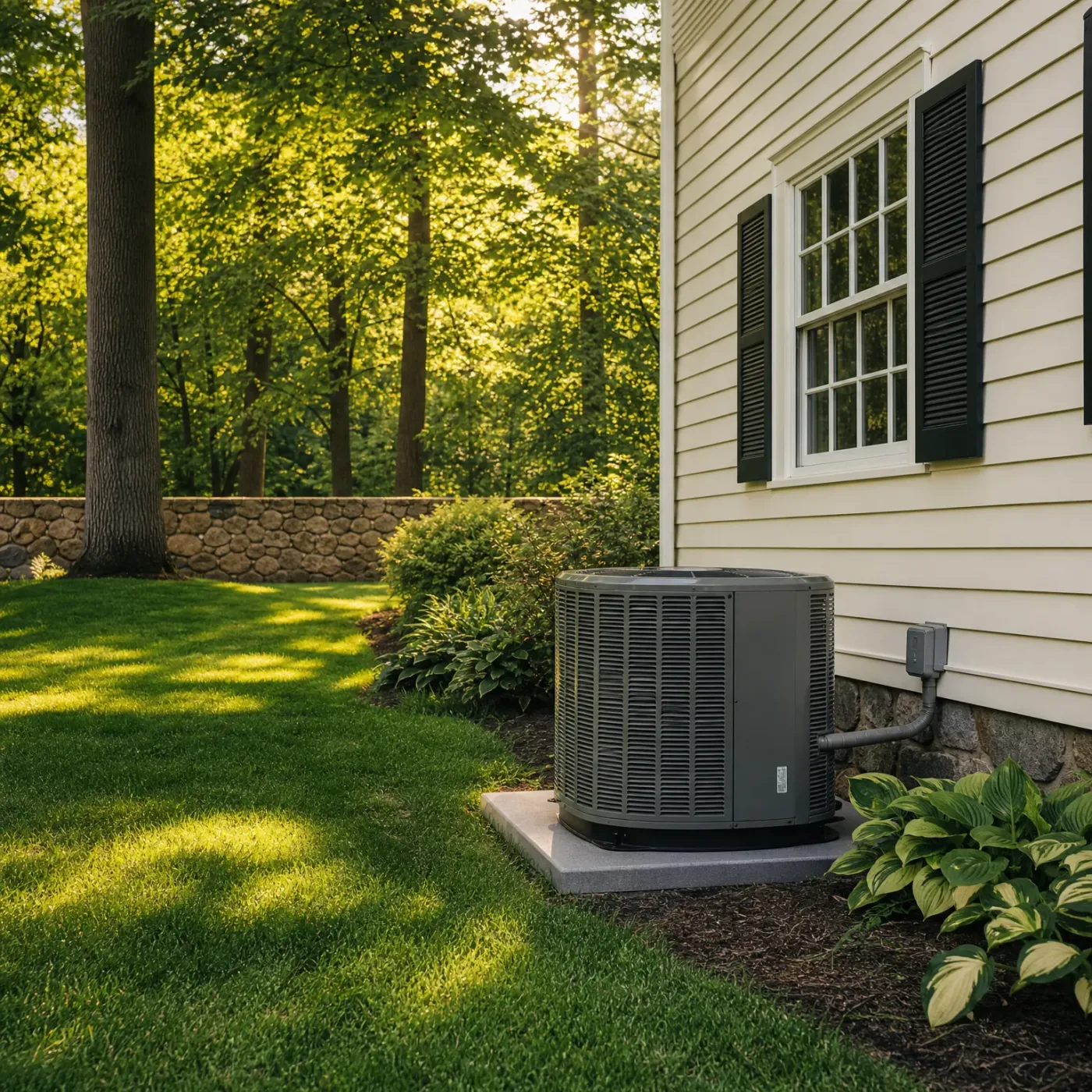
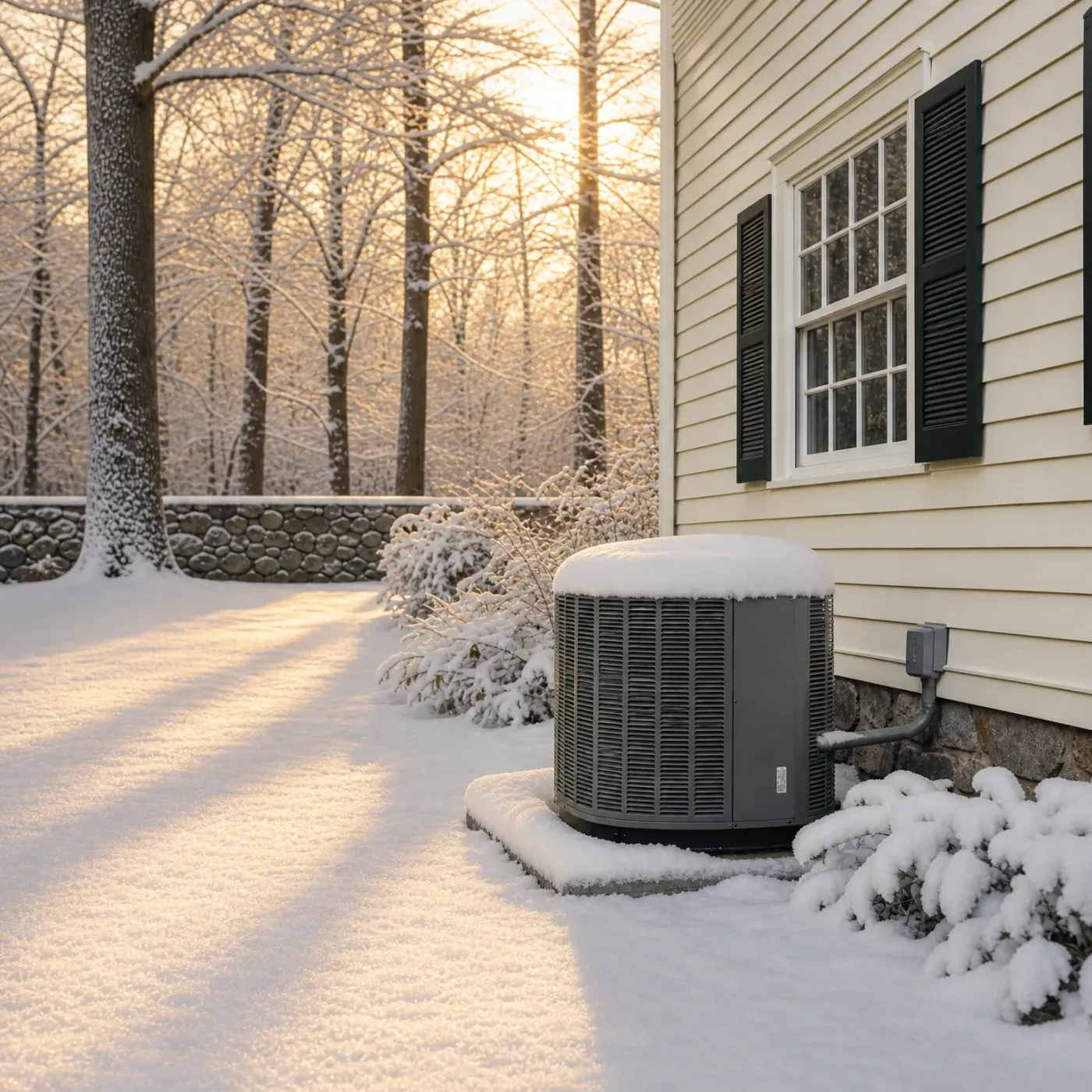
3 months of cooling, June through August
8 months of heat, October through May
What does an AC in New York face?
How hot do summer afternoons get?
81°Faverage afternoon high where people live
Alaska66°F
Arizona101°F
How many months does the cooling run?
3 monthsof cooling a year
Alaska0 months
Hawaii12 months
What does electricity cost?
24.43¢per kWh, what homes paid in 2024
North Dakota11.51¢
Hawaii42.86¢
How often do storms hit?
197severe weather events per county from 2015 to 2024
Alaska5
Wyoming1,057
How many homes lost power for a day or more?
11%of homes in 2024
Arizona7%
Maine54%
A struggling system costs more here than most places
Electricity in New York runs 24.43 cents per kilowatt-hour, among the highest rates in the country. A system that's low on refrigerant or fighting a dirty coil draws more power to do the same job, so a problem that costs you comfort is also costing you on every bill until someone fixes it. New York homes that use AC put about 4.4 million Btu (British thermal units, a measure of heat) a year into cooling. That's the baseline for a system running the way it should. A unit short-cycling or blowing warm air isn't getting there without working harder than it needs to.
Repair or replace, what actually decides it
A repair is worth doing when it fixes one thing and the system goes back to running the way it should. A capacitor, a contactor, a fan motor, these wear out on a normal schedule, and replacing one doesn't say anything bad about the rest of the unit. A compressor is different. It's the most expensive part in the system, and a tech should tell you plainly if that's what's failing rather than let you find out partway through a repair. Refrigerant is worth asking about too. Older systems use a refrigerant that's being phased out, and a leak repair on one of those can mean paying more to refill it, which changes whether fixing it makes sense. Age matters less than condition. A system that's been kept clean and never run low on refrigerant can outlast one that's newer but neglected. Ask what failed and why, not just what the repair costs. If the same part keeps going, or a tech finds corrosion inside the cabinet, that's the system telling you something, not bad luck.
If nobody's told you how old it is
Half the homes in New York were built in 1959 or earlier. Single-family houses, the detached kind, are less than half the housing stock, so a lot of what's left is duplexes, rowhouses, and other attached buildings that have changed hands and changed systems more than once. None of that tells you how old your AC actually is. If nobody's told you, that's worth asking the tech before they start on repairs, since a system near the end of its life and one with years left get treated differently.
Southern New York counties put roughly twice the cooling load on an AC each year that northern counties do.
Tell us about the job
Takes about a minute. No obligation.
Answer a few questions about your AC and a licensed contractor gets in touch to find the real cause.