Check the thermostat first
Make sure it's set to cool and the setting is actually below room temperature. Swap the batteries if it uses them. A thermostat that's dead or stuck on a schedule looks exactly like a dead AC from where you're sitting.

Takes about a minute. No obligation.
Your AC in Hudson only has to work about two months a year, July and August, with afternoon highs around 81°F. That's a light load compared to what cooling systems handle further south. The bigger job on this system was always going to be heat, not cold. So when something goes wrong with your AC here, it's rarely because the unit got run into the ground. More likely it's a capacitor that wore out, a thermostat issue, or a refrigerant leak that's been slow going for a while. Worth getting a real diagnosis before you assume the worst.

NOAA nClimDiv, 1991–2020 normals
June is when this system is still off, not when it gets checked.
The first hot week of July is when a weak part finally gives out.




Electricity in New York runs 24.43 cents per kilowatt-hour, well above what most of the country pays. An AC that's short on refrigerant or running on a failing capacitor draws more power to do less cooling, and you feel that on the bill before you feel it in the house. With the season this short, a problem that sits unfixed eats into most of the months you actually need the thing. Worth having someone look at it now instead of riding it out.
Since the problem is rarely wear from the machine working too hard, fixing it is usually the right call rather than replacing it outright. A tech can tell you in one visit whether it's a worn capacitor, a thermostat issue, or something bigger.
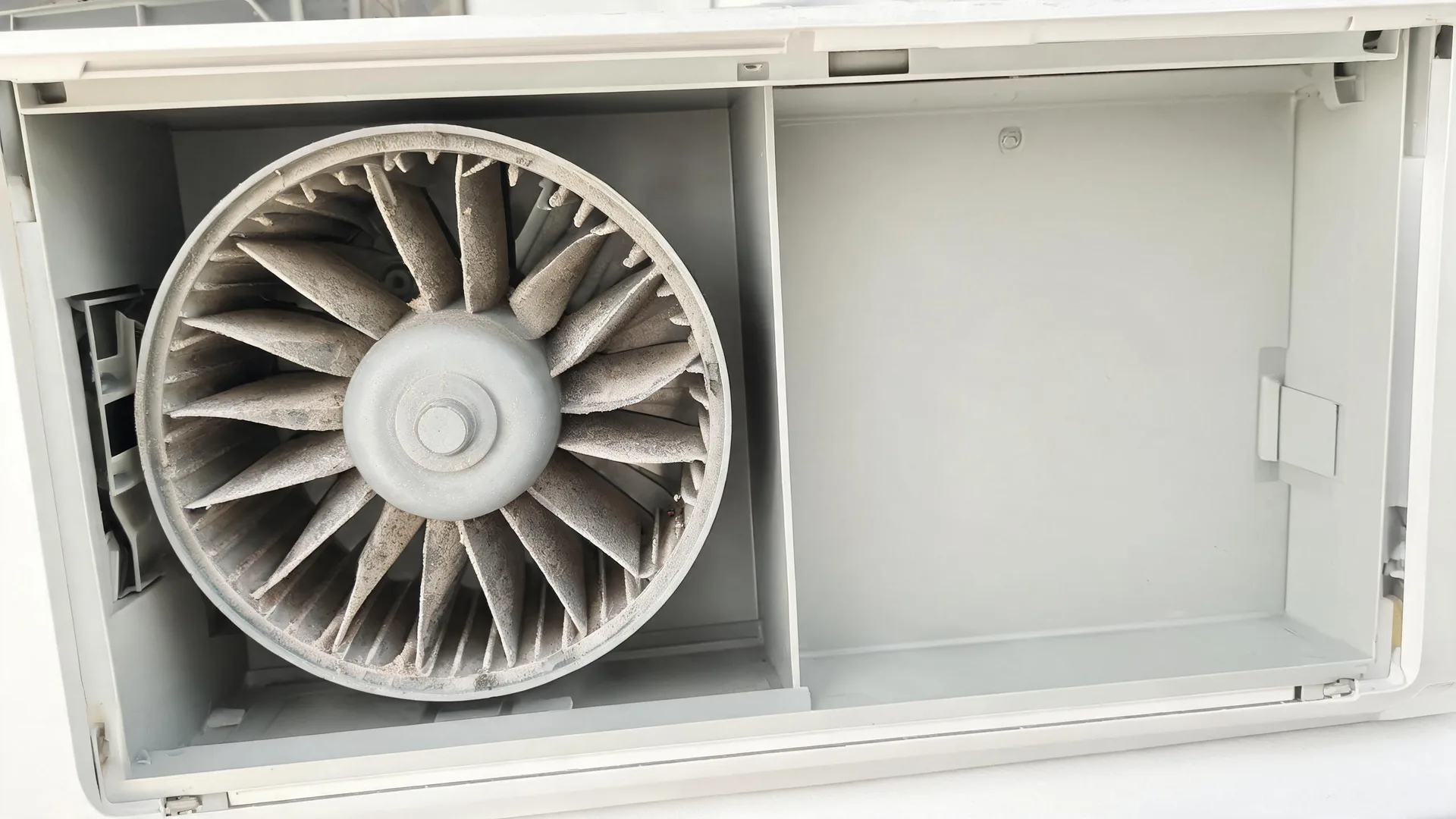
Find a contractorA diagnostic visit starts outside, at the unit itself. The tech checks that the fan spins freely and the compressor kicks on, then pulls the panel and reads the capacitor, since that part fails more than anything else in the whole system. From there it's gauges on the refrigerant lines, checking pressure against what the system is supposed to run at. Low pressure with no sign of a leak at the fittings or coil points to a slow leak that takes time to show up. Inside, the tech checks the thermostat's wiring and the condensate line, since a clogged drain line can trip a safety switch and shut the whole thing down even though nothing is actually broken. Most of this gets diagnosed in one visit. What it turns into after that depends on what the gauges and the capacitor said.
Make sure it's set to cool and the setting is actually below room temperature. Swap the batteries if it uses them. A thermostat that's dead or stuck on a schedule looks exactly like a dead AC from where you're sitting.
Pull it out and hold it up to a light. If you can't see through it, air can't get through it either. A clogged filter starves the coil and can cause it to ice over, which makes the whole system blow warm air even though nothing else is wrong.
Estimates for a typical Columbia County home, compared with an older unit built to the previous federal minimum, from EIA household energy data, New York fuel prices and NOAA climate normals. Your home will differ.
Repair makes sense when a part like a capacitor or contactor has failed.
Replacement makes sense when the compressor has failed or the system uses R-22 refrigerant, which is no longer made.
A repair fixes the part that failed and leaves the rest of the system alone. That's the right call most of the time, since one bad capacitor or a cracked contactor doesn't mean the compressor or coil are going anywhere. Replacement starts to make more sense when the repairs stack up, same system, different part, every season. It also makes sense when the refrigerant it uses is on its way out, since parts and refrigerant for an older system get harder to find and cost more when you can. A tech can tell you which situation you're actually in. A failing part on a system that's otherwise sound is worth fixing. A string of them is the system telling you something.