
AC Installation in New York
Homes in New York are older than in 49 of the other 49 states.
Tell us about the job
Takes about a minute. No obligation.
- 81°Fsummer afternoon high where people live
- 3 monthsof cooling, June through August
- 24.43¢ per kWhwhat homes paid for power in 2024 (kWh means kilowatt hours, the unit on an electric bill)
- 738hail events from 2015 to 2024
Electricity costs more here than most states and this AC runs on it all summer
- Southern counties need about twice as much cooling than northern ones
- Summer afternoons average 81°F where people live
- Cooling runs June through August
- 738 hail events from 2015 to 2024
- 9,767 damaging wind events from 2015 to 2024
- 11% of homes lost power a day or more in 2024


Gas heats 59.1% of homes in New York, more than any other fuel. Fuel oil and kerosene heat 16.1% of homes, and electricity heats 15.4%. If your furnace already runs on one of these, replacing it with the same fuel type is almost always the simplest path. It keeps the existing gas line, oil tank or electric service as is, instead of adding a new fuel source to the house.
An AC installation is a separate question from how the house heats. Central air runs on electricity no matter what powers the furnace, so a gas or oil heated home still needs electric service sized for the new system. Whoever installs it will check the electrical panel and the existing wiring before putting a system in, not just the fuel type on the heating side.
A standard system handles this climate. The wind is what to plan around
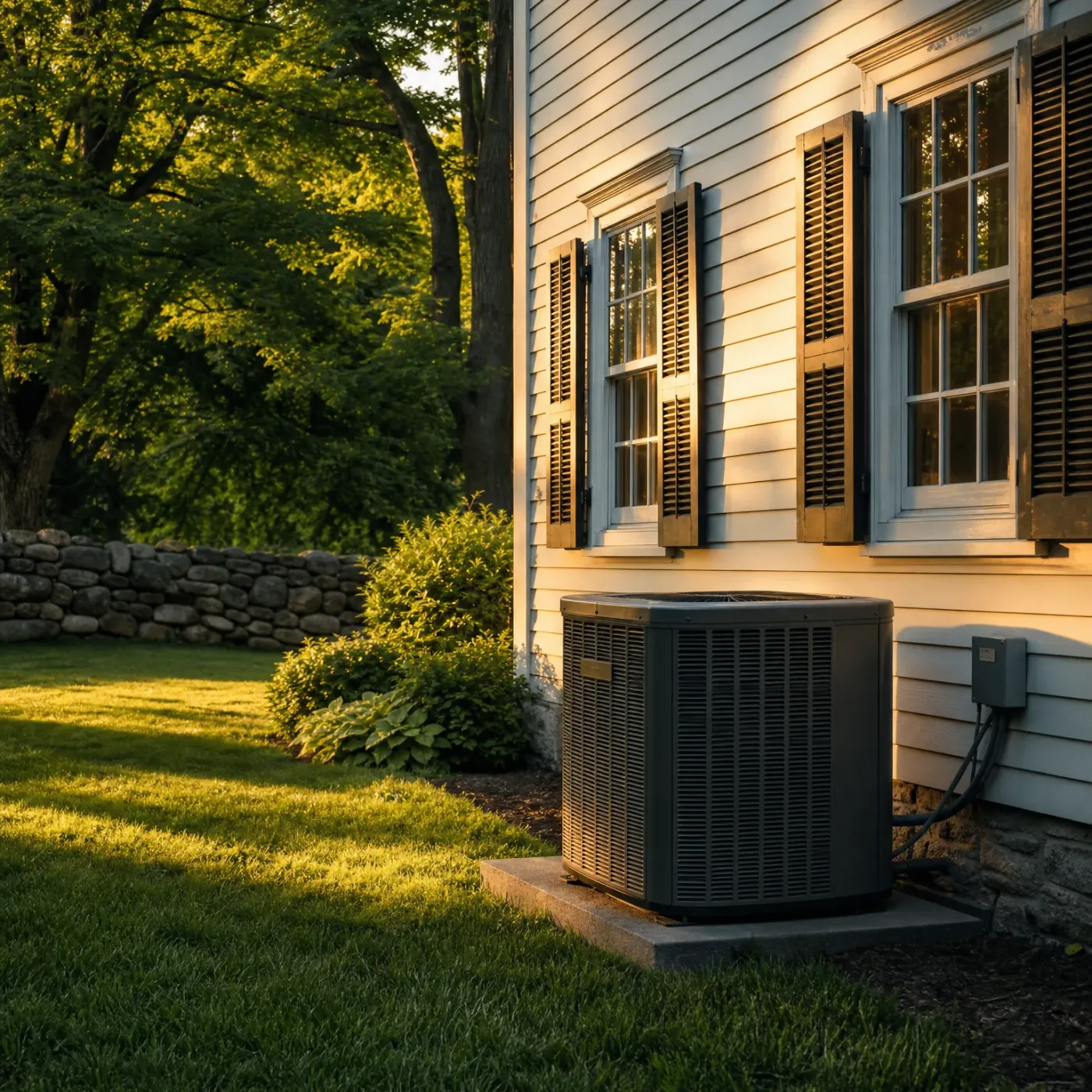
Summer here runs three months, June through August, with afternoons averaging 81°F. That is milder than most of the country sees, and it does not call for a bigger system or a higher efficiency tier than standard. Wind is the bigger factor to plan around. New York has seen damaging wind far more often than most states, and tropical storms and hurricanes have reached it too. Whoever installs the unit should mount and secure the outdoor condenser with that in mind.
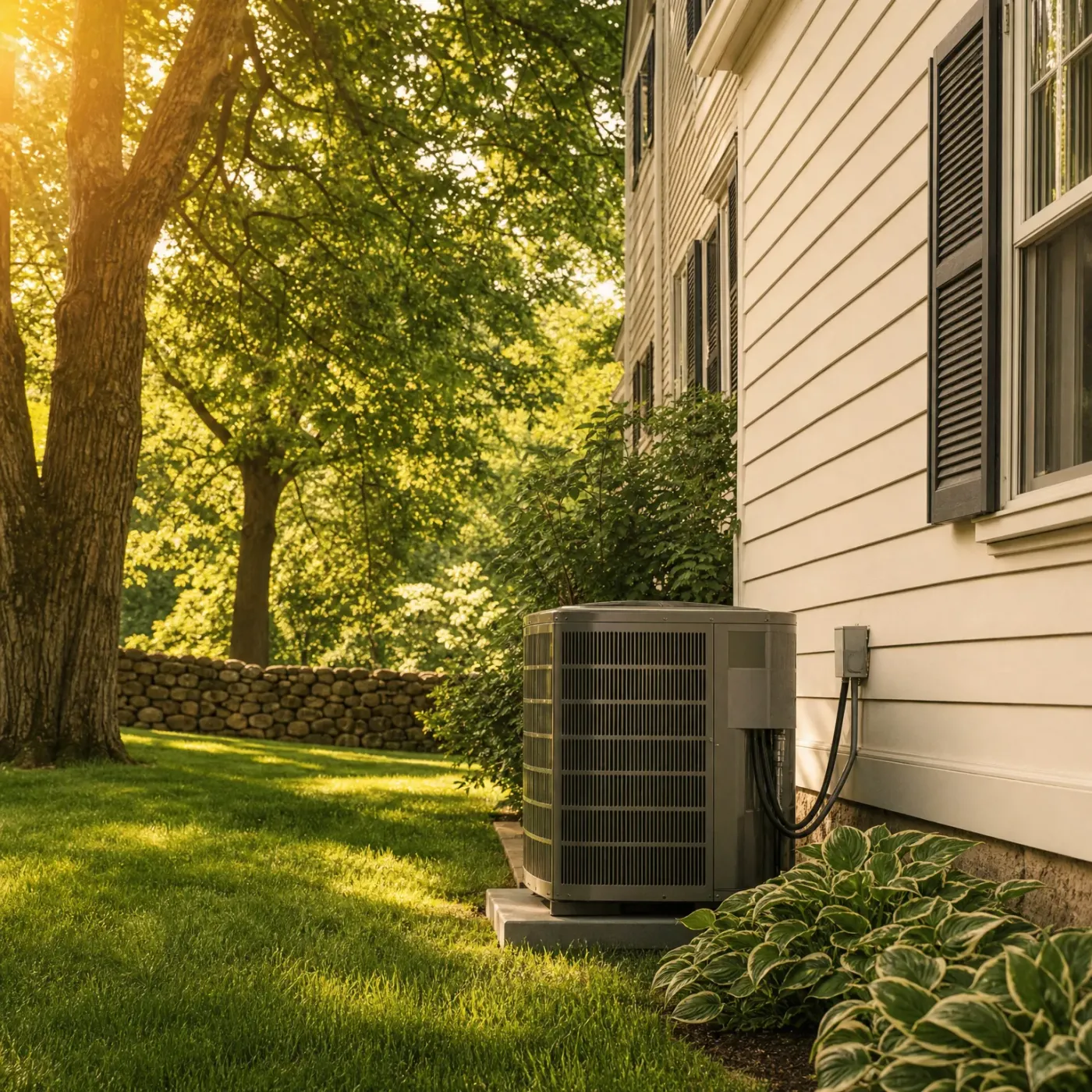
3 months of cooling, June through August
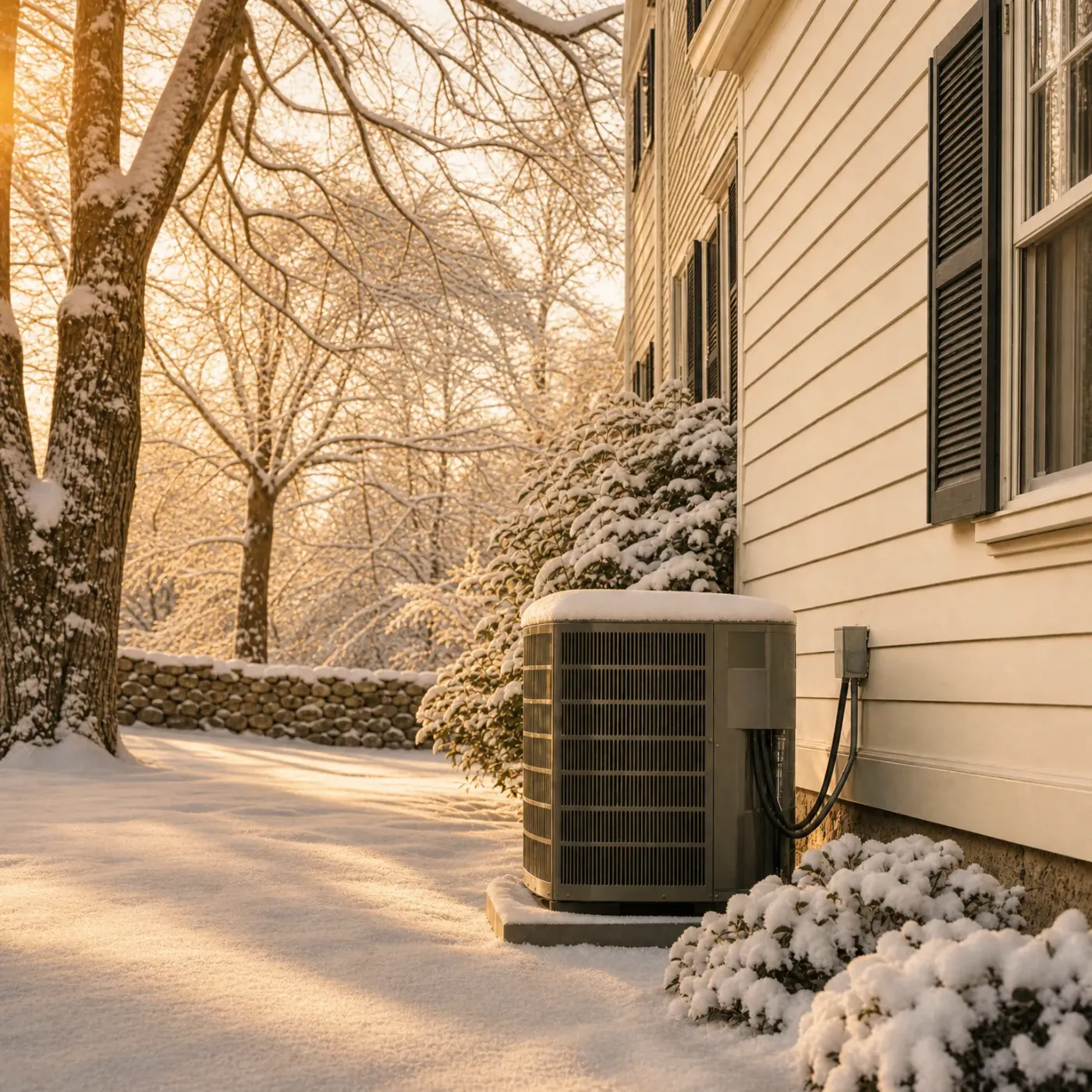
8 months of heat, October through May
New York splits in two when it comes to cooling. Homes across the southern counties run AC about four months a year and need roughly twice the cooling that homes in the northern counties do, where the season runs closer to two months.
Kings County runs cooling about four months a year, the longest stretch anywhere in the state. Herkimer County sits at the other end, with close to no season at all. Where your home falls between those two tells you more than the state average does.
Afternoon highs follow the same pattern, running hotter in the south than the north. Richmond County sees the hottest summer afternoons in the state, and Hamilton County the mildest.
None of this makes New York a hot state by national standards. Summers here run shorter than in 23 other states, and afternoons run cooler than in 34 of them. Still, the system that fits a home in Richmond County and the one that fits a home in Hamilton County are answering different questions, even if both are standard equipment by national measures.
What does an AC in New York face?
How hot do summer afternoons get?
81°Faverage afternoon high where people live
Alaska66°F
Arizona101°F
How many months does the cooling run?
3 monthsof cooling a year
Alaska0 months
Hawaii12 months
What does electricity cost?
24.43¢per kWh, what homes paid in 2024
North Dakota11.51¢
Hawaii42.86¢
How often do storms hit?
197severe weather events per county from 2015 to 2024
Alaska5
Wyoming1,057
How many homes lost power for a day or more?
11%of homes in 2024
Arizona7%
Maine54%
Put the new system in before June asks anything of it
Summer runs June through August here, so May is the month to have a failing system replaced, not the month to find out it won't start. A unit on its last year rarely waits for a convenient week to quit. It goes in the first real stretch of heat, which in New York means early June, right as everyone else with an old system is calling around too. Getting the new one in during May means it's tested and running before the house needs it, and whoever installs it isn't rushing to fit you in between emergency calls.
What the price actually depends on
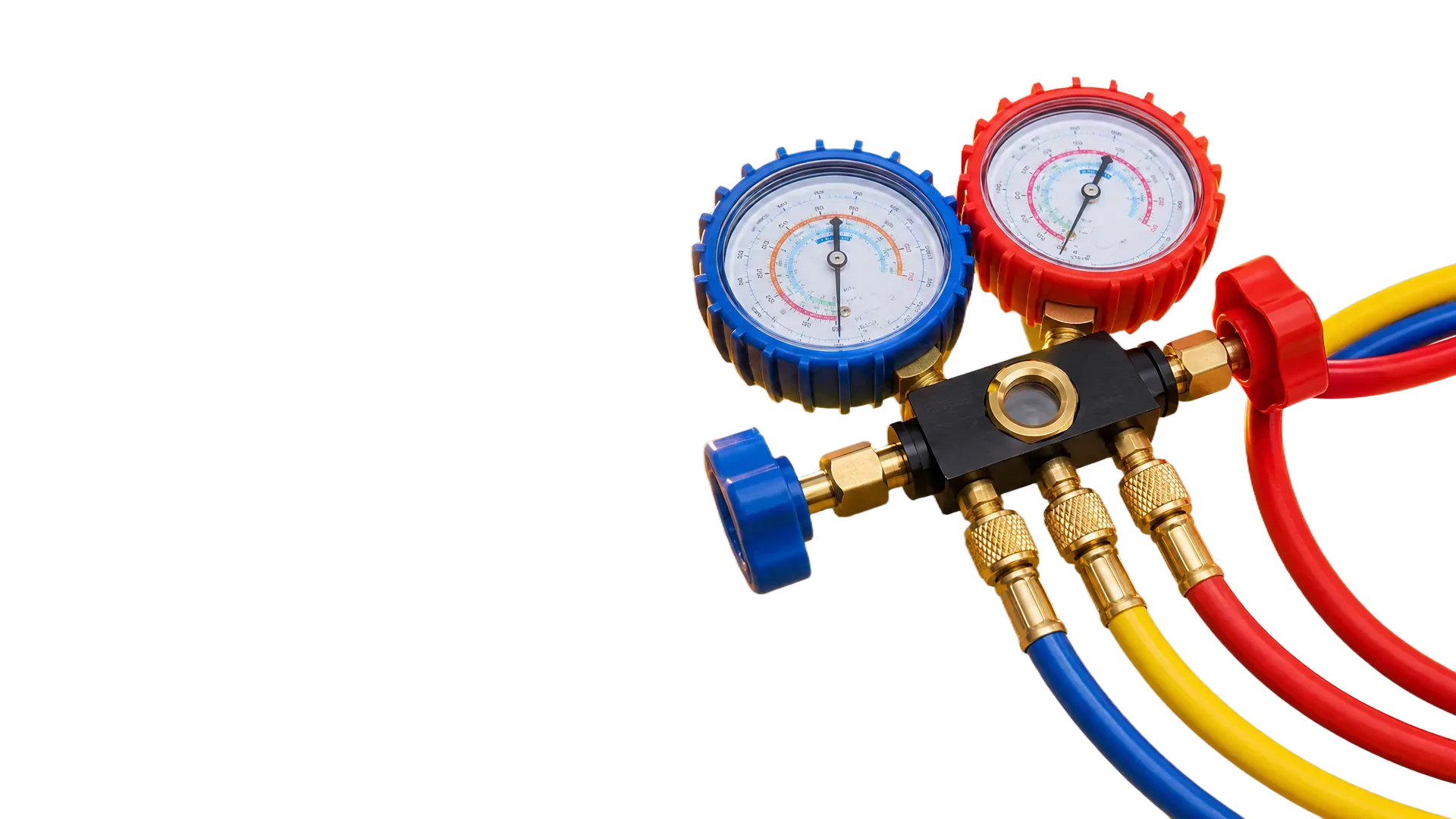
The size of the system is what moves the price most. A contractor should size it with a load calculation, room by room, based on square footage, window placement, insulation and how the ductwork runs, not just by matching the old unit. Go too big and the system short cycles, cooling the air fast without pulling the moisture out, so the house feels clammy even at the right temperature. Go too small and it runs constantly without catching up on the hottest days. Beyond the equipment itself, what's already in place matters. Ductwork in good shape, a sound electrical panel and an accessible spot for the outdoor condenser all make for a straightforward swap. If the ducts are leaky or undersized, if the panel needs upgrading to handle the new system, or if the line set has to run somewhere new, that work gets added in. Efficiency tier is a real choice too. A higher SEER2 (seasonal energy efficiency ratio under the 2023 test, an AC's cooling efficiency over a season) rating costs more upfront and asks less of the electric bill over the life of the system, and that tradeoff is worth weighing against how long you plan to stay in the house.
The house came before the ductwork did
Half the homes in New York were built in 1959 or earlier, older than in any other state. A house that age was almost never built with central air, which means the ducts, if they're there at all, were added later and sized for whatever system came before this one. That matters more for an installation than for a repair. Whoever installs the new system needs to look at what the ductwork can actually handle, not just swap in equipment that matches the old unit's size on paper. A system sized right for the house but fighting undersized or leaky ducts won't deliver the cooling it's rated for.
Electricity costs more here than in 43 other states, and the new system decides how hard that hits your bill.
Tell us about the job
Takes about a minute. No obligation.
Fill out the form once and contractors who install AC systems in New York get back to you.