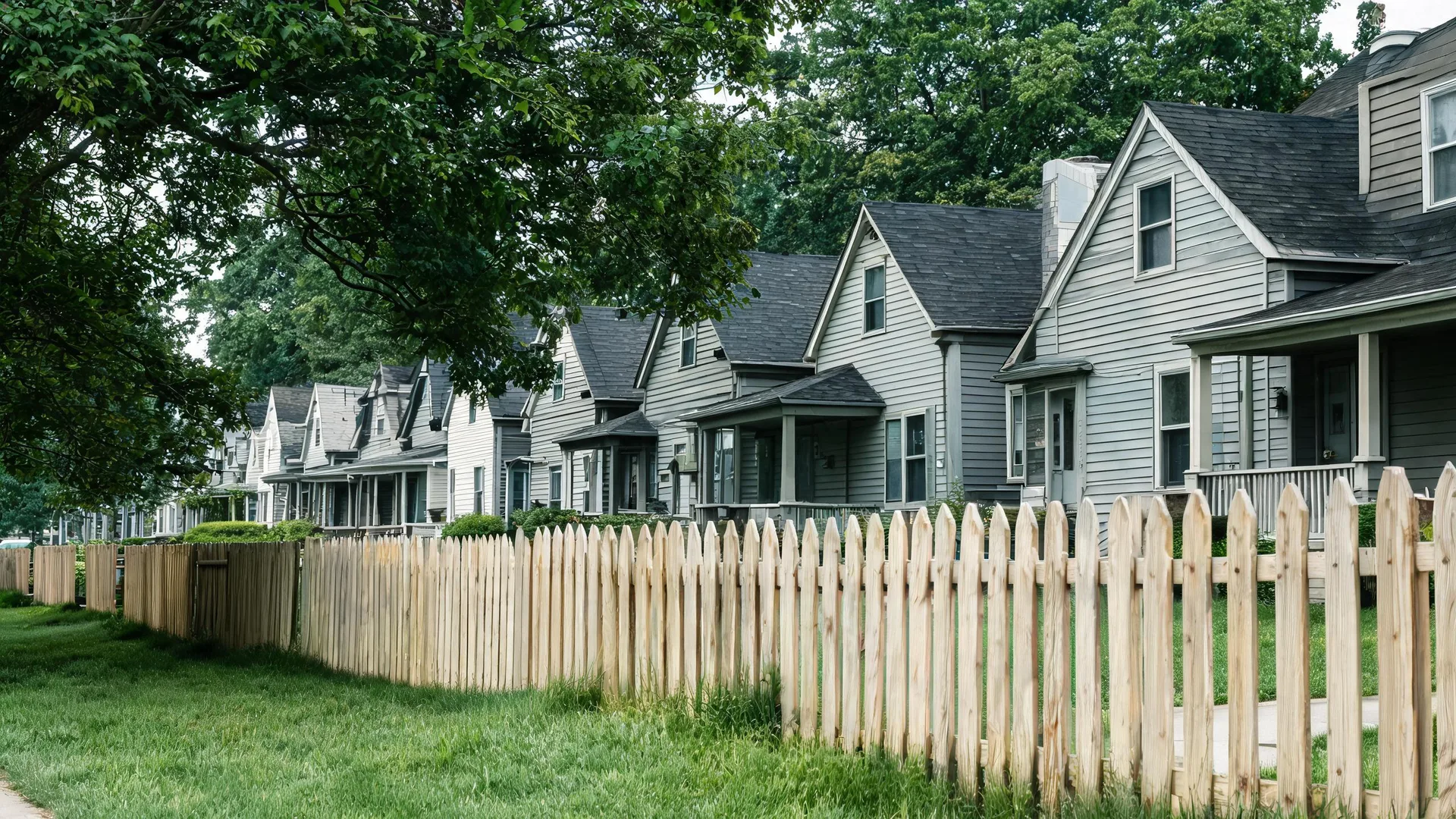






A row of similar gray-sided houses with gabled roofs and front porches behind a new wooden picket fence, with grass and mature trees along the street.

AC Installation in Corning, NY

Tell us about the job

Takes about a minute. No obligation.

New system or replacementCentral ACSteuben County, NY
Step 1 of 2

What ZIP code is the job in?

Gas heats most homes in Steuben County, 54.6 percent, and that matters for an AC install even though cooling runs on electricity. Central air shares the furnace's blower and ductwork, so whatever is already moving warm air through the house in winter usually sets the path for cool air in summer. Electricity heats 14.7 percent of homes here, and those often have no ductwork built around a furnace at all, which changes the job from a straightforward pairing to building a path for air where none exists. Propane and fuel oil heat smaller shares of homes in the county, and each comes with its own venting to check before an installer can say what the AC side of the job looks like. Knowing which of these describes your house is the first thing worth sorting out.

2 months
July through August, your air conditioner is on duty
78°F
the average summer afternoon it cools against
7 hail events
in ten years, and hail bends the fins on outdoor coils
13.4 SEER2
the federal minimum any new unit must meet
Isometric cutaway illustration of a small home interior with furniture and ducting, showing an indoor air handler connected by lines to an outdoor condenser unit on a pad.
Your air conditioner works hardest from July through August.

NOAA nClimDiv, 1991–2020 normals

Corning gets two months of real cooling weather, July and August, with afternoons averaging 78 degrees.

A system that only has to carry two months of load doesn't need to be the top efficiency model on the lot.

Nothing here calls for oversizing the system or upgrading past standard

198 severe weather events from 2015 to 2024
11% of homes statewide lost power a day or more in 2024
179 damaging wind events from 2015 to 2024

Half the homes in Steuben County were built in 1963 or earlier. If yours is one of them, the ductwork or the electrical panel may predate central air entirely, and a new system has to work with what's already there instead of what would be easiest to install. An older house also tends to hold heat differently room to room than a newer one, depending on how it was insulated over the years. That doesn't mean the job is harder everywhere, just that an installer needs to see the house before sizing anything. The right system is the one that matches the house you actually have.

Have your AC in before June is out

Cooling in Steuben County starts in July and runs about two months. Installing before June gives the work room to go right, instead of fitting it in once the heat has already set in.

Find a contractor
A man in a worn dark jacket and tan pants, seen from behind, climbs porch steps toward a dark green paneled front door while carrying a canvas tool bag holding a hammer and other tools, with a potted conifer shrub to the right.
A gray cylindrical air conditioning condenser unit mounted on a concrete pad next to a light-colored vinyl-sided house exterior.

The right size isn't the biggest one

A load calculation works out how much heat the house picks up on a hot afternoon, and the installer sizes the compressor and coil to carry that much, not more. Oversize it and the unit cools the air fast, then shuts off before it's pulled the moisture out of it, so the house feels cold and damp at the same time. All that starting and stopping is harder on a compressor than running steady ever is. Undersize it and the system never gets ahead of the heat, it just runs long stretches without the house catching up. Sized right, the system runs long, steady cycles, holds a steady temperature, and pulls the humidity down along with it. None of that depends on how big the house looks on paper.

Sizing the system is most of the cost

A load calculation looks at square footage, window placement, insulation and how many rooms the ductwork has to reach, then an installer matches the compressor and coil to that number. Go too big and the system short cycles, cooling the air without pulling the moisture out of it. Go too small and it runs constantly without ever catching up. Getting this step right costs nothing extra, but getting it wrong costs for the life of the system.

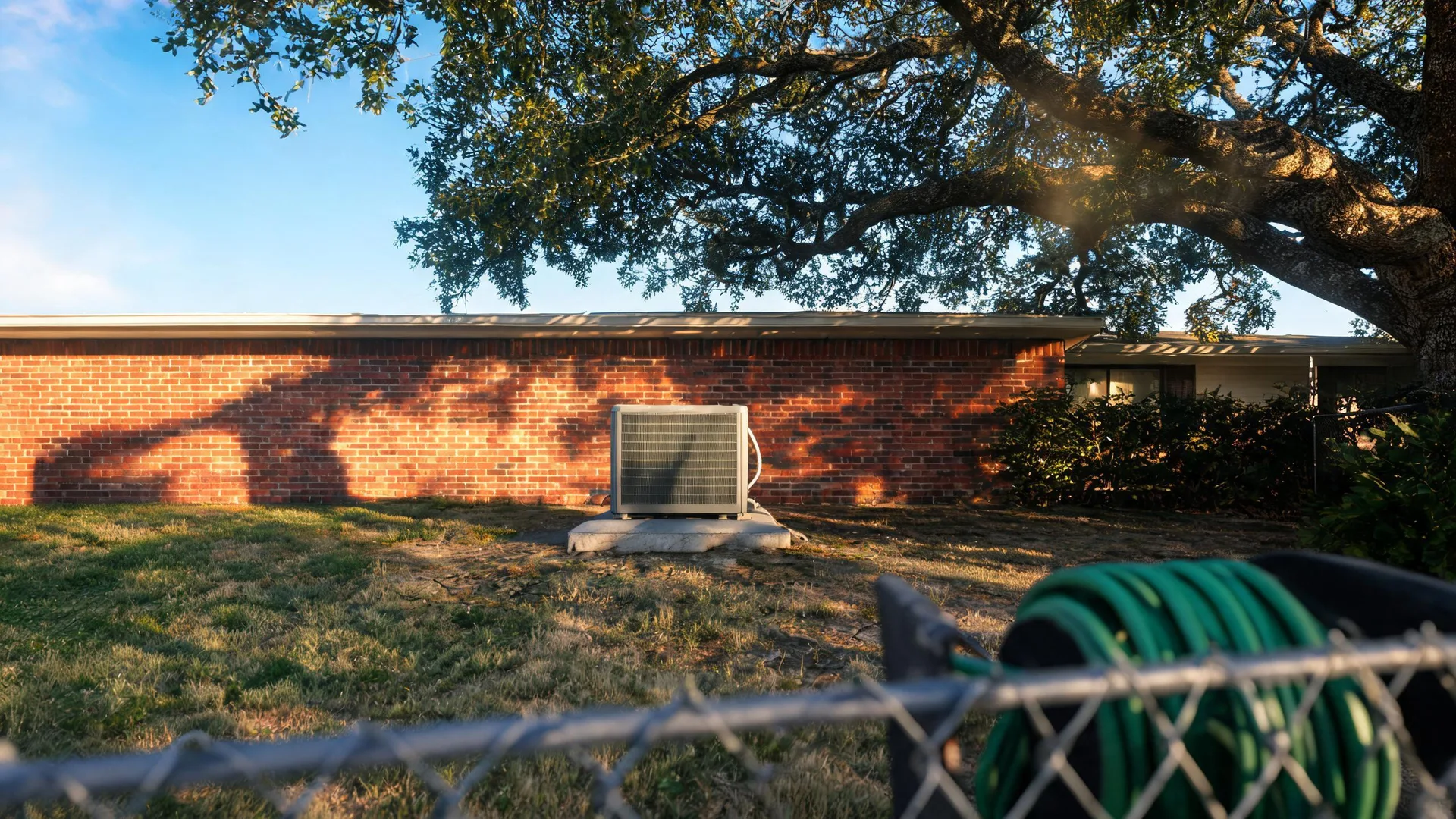
What's already there changes the job

If the ductwork and electrical panel are already built around a furnace, the AC side can tie into that path. If there's no ductwork, or the panel can't carry the extra load, that work has to happen before the outdoor unit and coil go in. Venting for the furnace, the condition of the existing ducts, and whether the panel has room for a new circuit all get checked before an installer can say what the job actually involves.

Aerial view of a gray outdoor air conditioning condenser unit mounted on a concrete pad next to a house with vinyl siding.

Going above the federal minimum saves little here, about $20 a year.

  • A higher-efficiency unit$110 a year
  • A new unit at the federal minimum, 13.4 SEER2$130 a year

Estimates for a typical Steuben County home, from EIA household energy data, New York fuel prices and NOAA climate normals. Your home will differ.

Install day starts with the equipment going in the spots already decided during sizing, the outdoor unit on its pad and the coil paired with the furnace. If the ductwork is already there, the crew sets the coil above or beside the furnace, connects the refrigerant lines out to the condenser, and wires it into the existing circuit or a new one if the panel needed that work done ahead of time. The lines get pressure tested before any refrigerant goes in, so a bad joint shows up right there instead of months later. Once the system holds pressure, it gets charged, and the installer runs it to check the temperature drop across the coil and make sure the airflow matches what the ductwork can actually carry. A thermostat gets set up last, and the whole system runs a full cycle before anyone calls it done. None of this depends on the brand or the tier of equipment going in, it's the same sequence whether the house had central air before or is getting ductwork built for it for the first time.