
Heat Pump Repair in New York
Homes in New York are older than in 49 of the other 49 states.
Tell us about the job
Takes about a minute. No obligation.
- 24°Fwinter overnight low where people live
- 8 monthsof heat, October through May
- 81°Fsummer afternoon high where people live
- 3 monthsof cooling, June through August
Electricity here costs more than most states a struggling heat pump wastes real money
- Southern counties need about twice as much cooling than northern ones
- Winter nights average 24°F where people live
- Summer afternoons average 81°F where people live
- Heat runs October through May
- Cooling runs June through August
- 1,848 winter storms from 2015 to 2024


- Heat pulled back into the house so rooms stop running cold on the thermostat
- The reversing valve shifted cleanly so the system actually switches between heating and cooling instead of sticking in one mode
- Airflow restored across the coil so the unit isn't straining to move heat it can't catch
- Defrost cycles that complete properly so the outdoor coil stops icing over
- A system that shuts off and starts again without tripping its own safety switch
September is when heat pumps here switch over from cooling to heat, and a weak part that got by all summer often can't keep up once the system has to run the other direction. A failing reversing valve or a defrost control that was marginal in August tends to show itself in the first cold stretch, not before.
Homes in New York run heat from October through May, longer than in most other states. That many months of heating puts more cycles on the reversing valve and the defrost control than a system in a milder state ever sees, so a repair that holds gets more use out of here than almost anywhere else.
A heat pump here isn't fighting the climate, so a repair usually holds
New York's winters stay fairly mild. Overnight lows average 24°F through December, January and February, milder than 25 other states see. The outdoor unit isn't fighting single-digit air most nights, so the compressor and the coil aren't working as hard as they would somewhere colder. Wind and winter storms show up often here, but that's weather hitting the house, not extra strain on the heat pump itself. A system that's short on heat or cycling oddly is more likely dealing with a worn part than a climate that's been grinding it down. That makes a repair a reasonable bet rather than a stopgap before a bigger failure.
3 months of cooling, June through August
8 months of heat, October through May
What does a heat pump in New York face?
How hot do summer afternoons get?
81°Faverage afternoon high where people live
Alaska66°F
Arizona101°F
How cold do winter nights get?
24°Faverage overnight low where people live
North Dakota4°F
Hawaii65°F
How many months does the heat run?
8 monthsof heating a year
Hawaii0 months
Alaska12 months
What does electricity cost?
24.43¢per kWh (kilowatt hours, the unit on an electric bill), what homes paid in 2024
North Dakota11.51¢
Hawaii42.86¢
How often do storms hit?
197severe weather events per county from 2015 to 2024
Alaska5
Wyoming1,057
How many homes lost power for a day or more?
11%of homes in 2024
Arizona7%
Maine54%
A struggling heat pump costs more to run here than in most states
Electricity here runs 24.43 cents per kilowatt-hour, more than homes pay in 43 other states. A heat pump that's low on charge or stuck between modes draws more power to do less work, and that cost shows up on the bill before anyone finds the cause. The longer a bad reversing valve or a weak defrost control goes unfixed, the more it adds to every month's bill after this one.
What usually goes wrong
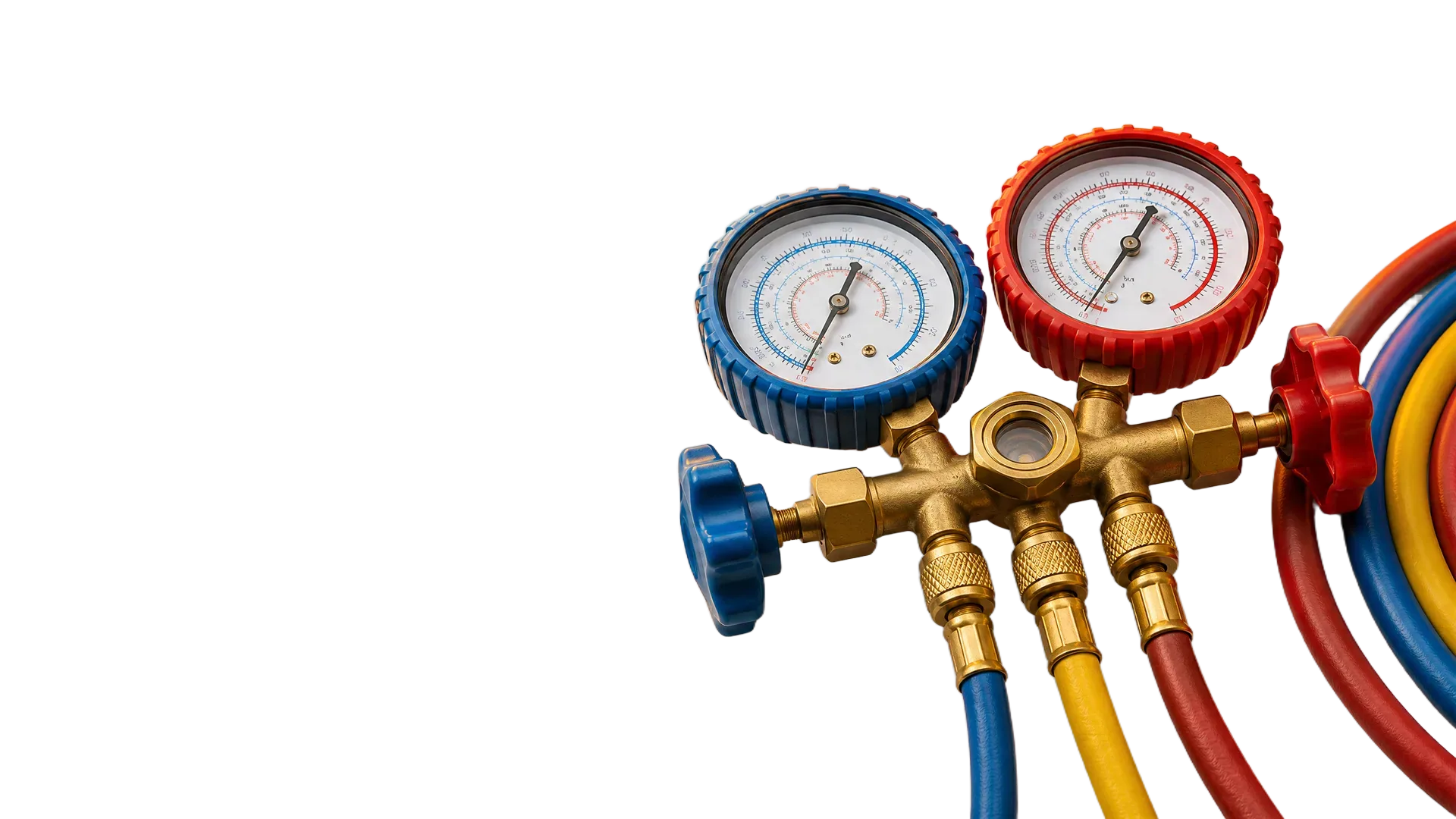
Most heat pump failures trace back to a handful of parts. The reversing valve sticks, usually because the small solenoid that slides it back and forth loses power or seizes, and the system gets stuck heating when you want cooling or the other way around. The defrost control can fail the same way, either calling for defrost when the coil doesn't need it or missing a cycle when ice is building up outside. A low refrigerant charge, usually from a slow leak at a fitting or coil, shows up as weak heat and a compressor that runs long without catching up. Capacitors wear out and stop giving the compressor and fan motors the jolt they need to start, so the unit hums or clicks but doesn't turn over. Outdoor coils collect dirt and debris over time, and once airflow across the coil drops, the system has to work harder to move the same amount of heat. None of these are things to guess at from inside the house. A tech checks the charge, tests the capacitor, and watches a full cycle to see where it's actually failing.
If the system is as old as the house
Half the homes in New York were built in 1959 or earlier, older than in any other state. That doesn't make a heat pump fail, but it does mean the system itself is more likely to be older too, especially if it came with the house rather than being swapped in later. A heat pump near the end of its life shows the same signs as one with a single bad part. Weak heat. Long run times. Short cycling. A tech can tell the difference by checking the charge and watching how the system actually runs, not by guessing from the age of the house alone. Before paying for a repair on an older system, it's worth asking how many years the unit likely has left.
A heat pump acting up in fall usually just needs the right part found and fixed, not replaced.
Tell us about the job
Takes about a minute. No obligation.
Fill out the form once and a licensed contractor in New York calls to look at the system.