Two white colonial houses with lit windows and black shutters photographed at dusk along a tree-lined residential street.

Heat Pump Repair in Oswego, NY

Tell us about the job

Takes about a minute. No obligation.

RepairHeat PumpOswego County, NY
Step 1 of 2

What ZIP code is the job in?

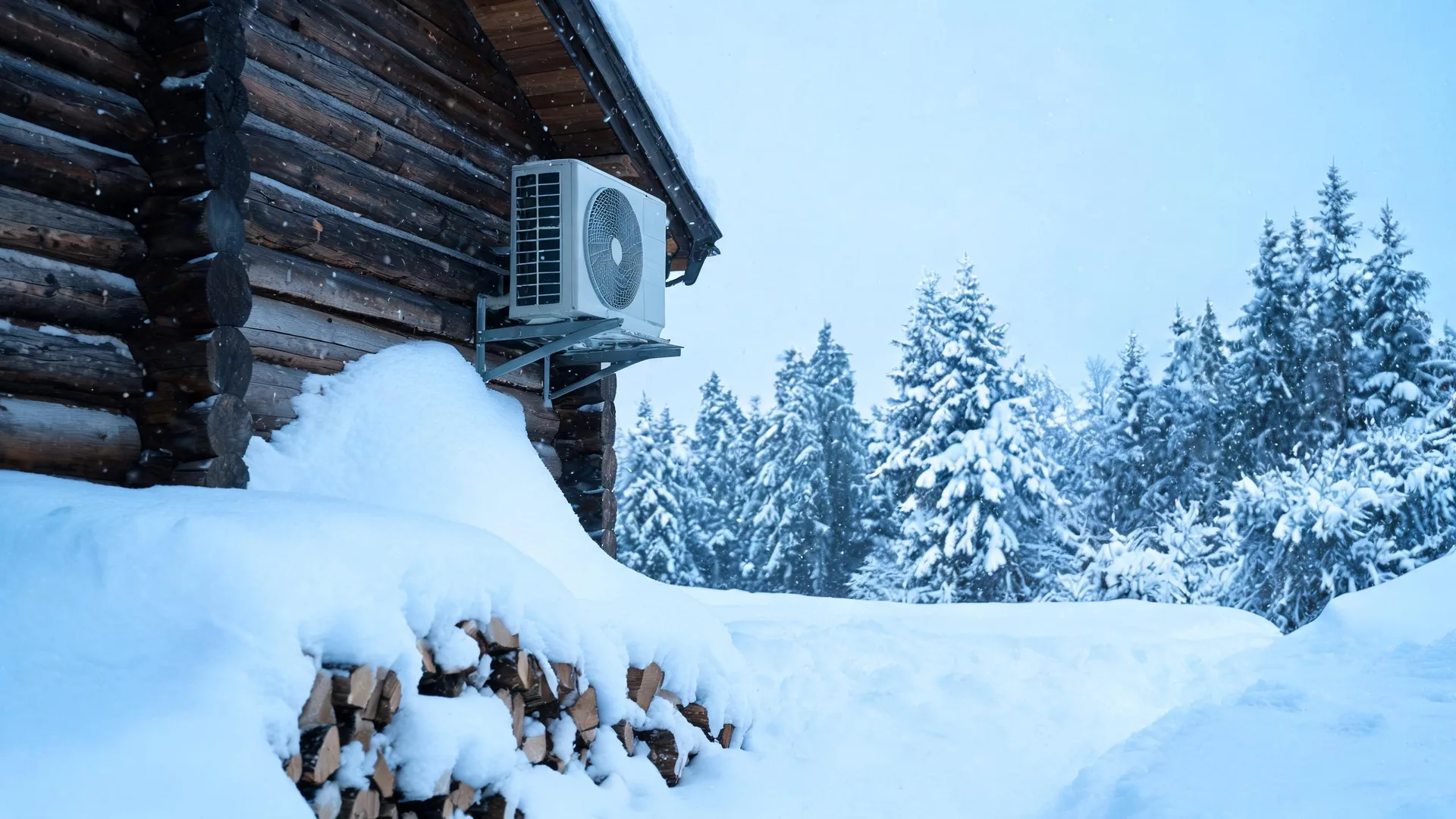
Winters here are just cold, not strange

Oswego County sits in zone 5A, where heating is the bigger job. The overnight low averages 17°F through December, January and February. That is normal demand for a heat pump, not abuse. A system sized and maintained for this area should handle it without special treatment.

So look for the common cause first

When a heat pump here stops keeping up, the answer is usually something that fails in any cold climate home. A low refrigerant charge. A defrost control that is not cycling right. A frozen outdoor coil, or a contactor worn out from normal use. A contractor checks these before assuming the cold itself is the problem.

8 months
October through May, your system heats
2 months
July through August, it cools
17°F
the average winter night it heats against
78°F
the average summer afternoon it cools against
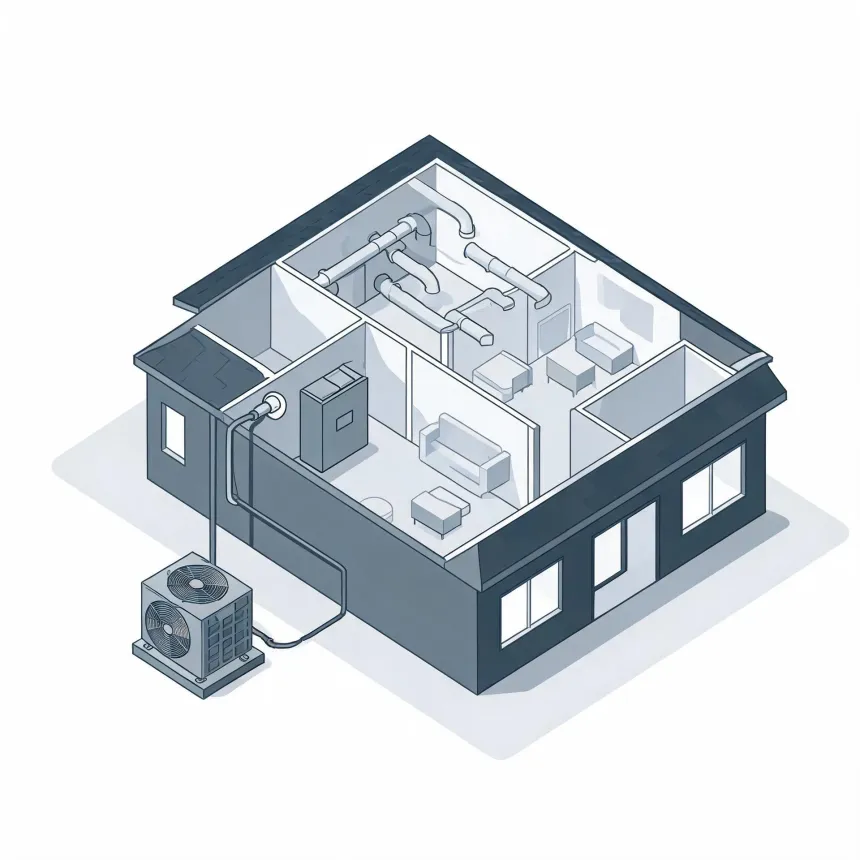
Isometric line illustration of a cutaway single-story house showing interior rooms, ceiling ductwork and an indoor air handler, connected by a line to an outdoor condenser unit on a pad beside the building.
Your system heats October through May and cools July through August.

NOAA nClimDiv, 1991–2020 normals

Heat here runs October through May, eight months out of the year.

A heat pump with a weak part usually shows it in October, the first cold stretch it has to work for.

Oswego's weather tests the grid, not your heat pump

240 severe weather events from 2015 to 2024
11% of homes statewide lost power a day or more in 2024
177 damaging wind events from 2015 to 2024

A few things are worth checking before a service call. Make sure the thermostat is set to heat and the set point is actually above room temperature, since a bumped switch or setting looks like a bigger problem than it is. Check the outdoor unit for anything blocking it, leaves, snow piled against the cabinet, anything stopping air from moving through the coil. Look at the air filter. A clogged one chokes airflow and can make the system run constantly without catching up. Check the circuit breaker if the unit is not responding at all. None of this fixes a bad reversing valve or a refrigerant leak, but it rules out the simple stuff first, and it's the same handful of things a contractor will ask about on the phone before they come out.

Get the usual fix

Nothing about this area is especially hard on it. It's most likely the usual problem with the usual fix.

Find a contractor
A man in a dark shirt and brown work pants, seen from behind, carries a worn duffel bag up stone steps toward a dark green front door of a house with light siding and a potted shrub.
A gray heat pump condenser unit mounted on a concrete pad against the gray lap-siding exterior wall of a house.

Ask what's left in it, not just what's wrong today

If your heat pump came with the house, ask the contractor for its age and what shape the compressor is in before signing off on the repair in front of you. A system from the older half of these homes may have another good stretch left, or it may not. That's worth knowing before paying for a fix that only holds until the next part goes.

What you'll actually notice first

The air coming out of the vents feels cool instead of warm, even though the system is running. Or it runs and runs without ever hitting the set temperature. Sometimes it short cycles, kicking on and off every few minutes instead of holding a steady run. Any of these means something inside isn't doing its job, even if the thermostat looks fine.

What's worth a service call versus a watch

Ice building up on the outdoor unit that doesn't clear during defrost is worth calling in. So is a hissing or gurgling sound from the lines, or the outdoor fan not spinning when the system is on. A little frost in cold weather is normal and clears on its own. Frost that turns into a solid sheet of ice is not.

A few parts account for most heat pump failures. The reversing valve is one. It switches the system between heating and cooling, and when it sticks, the unit keeps running in the wrong mode or won't switch at all. The capacitor is another. It gives the compressor and fan motors the jolt they need to start, and a weak one causes hard starts, humming, or a unit that hums but never kicks on. Refrigerant leaks show up too, usually at a fitting or coil, and they starve the system slowly rather than all at once. Contactors pit and burn from years of opening and closing, until one day they stick or stop making contact at all. These parts wear with use and time both, which is why an older compressor is worth asking about even when the problem in front of you turns out to be something smaller.

A diagnostic starts outside, with gauges on the lines to check refrigerant pressure and see whether the system is actually moving heat the way it should. The contractor runs it in heating mode, feels the airflow, checks the temperature split between the air going in and the air coming out. Electrical readings come next. That means testing the capacitor, the contactor, and the windings in the compressor itself, checking current draw against what the unit is rated for. If the outdoor coil has ice on it, they will watch a defrost cycle run to see if it actually clears or if the control is misfiring. Any of these can point to the failure, but most visits end with one part singled out, not a guess at several.