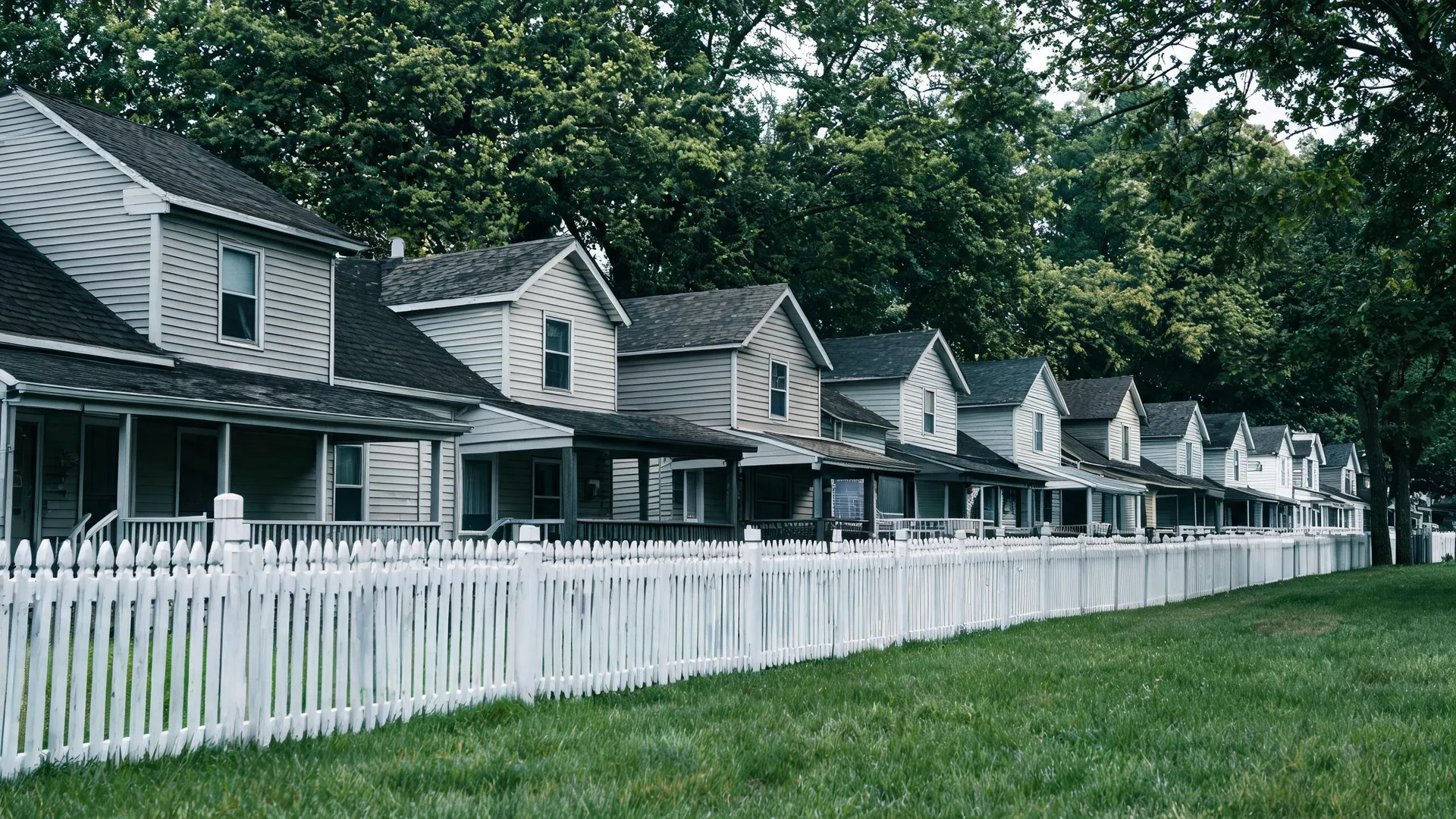






A row of similar gable-roofed wood-sided houses with porches behind a long white picket fence, with mown grass in the foreground and large leafy trees behind.

Heat Pump Repair in Niagara Falls, NY

Tell us about the job

Takes about a minute. No obligation.

RepairHeat PumpNiagara County, NY
Step 1 of 2

What ZIP code is the job in?

Winter is the heavy season for a heat pump here, not summer. Niagara Falls doesn't push the cooling side hard, and overnight lows averaging 21°F through December, January and February mean the system leans on heat mode more than it ever leans on AC. That's steady work, not punishing work. A heat pump built for this climate is sized for exactly this kind of winter, so running hard in January isn't a sign of strain. When one stops keeping up, the cause is usually something specific, like a failing defrost control, a low charge, or a worn contactor. That's worth tracking down and fixing rather than writing off as the system just getting old.

8 months
October through May, your system heats
2 months
July through August, it cools
21°F
the average winter night it heats against
79°F
the average summer afternoon it cools against
Isometric grey-toned illustration of a cutaway house showing interior rooms, ceiling ductwork and an air handler, connected by lines to an outdoor condenser unit beside the building.
Your system heats October through May and cools July through August.

NOAA nClimDiv, 1991–2020 normals

October is when heat mode here finally gets tested.

A weak part that got through last winter often fails in the first cold snap of this one.

Half the homes here were built by 1958, older than the heat pump inside them

Half the homes here were built by 1958
87 damaging wind events from 2015 to 2024
17 hail events from 2015 to 2024

New York homes paid 24.43 cents per kilowatt-hour in 2024, well above what most of the country pays. A heat pump that's short on refrigerant or running a bad contactor still pulls power, it just does less with it. That gap shows up on the bill every month it runs uncorrected. Through a Niagara Falls winter, this isn't a system you can let limp along until spring. Getting the actual fault fixed stops the waste at the source, instead of just paying more to run a machine that's struggling.

It's usually worth repairing

It has an easier job here than in most places, so your heat pump is often in decent shape. Repair is usually worth it.

Find a contractor
A man in a dark long-sleeve shirt, tan pants, cap and work boots carries a canvas tool bag up gray porch steps toward a dark green front door, with a potted shrub beside the entry.
A gray outdoor HVAC unit mounted on a concrete pad beside a house with gray lap siding and a stone foundation.

Ask what you're really paying for

If this heat pump came with the house, ask the contractor straight out how much life is left in it before signing off on a big repair. A unit old enough to be original, or close to it, is worth that question. One that's already been replaced once is a different conversation. Either way, that's what decides whether this repair is the right move or just a delay.

What you can check yourself

Look at the outdoor unit. If it's caked in ice beyond a thin frost layer, or snow is packed around the base blocking airflow, clear it by hand, don't chip at the coil. Check that the indoor filter isn't choked with dust, a dirty filter starves the system and can push it into a fault. Walk around the house and check that every vent is open and nothing's been pushed in front of a return. Check the thermostat batteries and make sure it's actually set to heat, not just on.
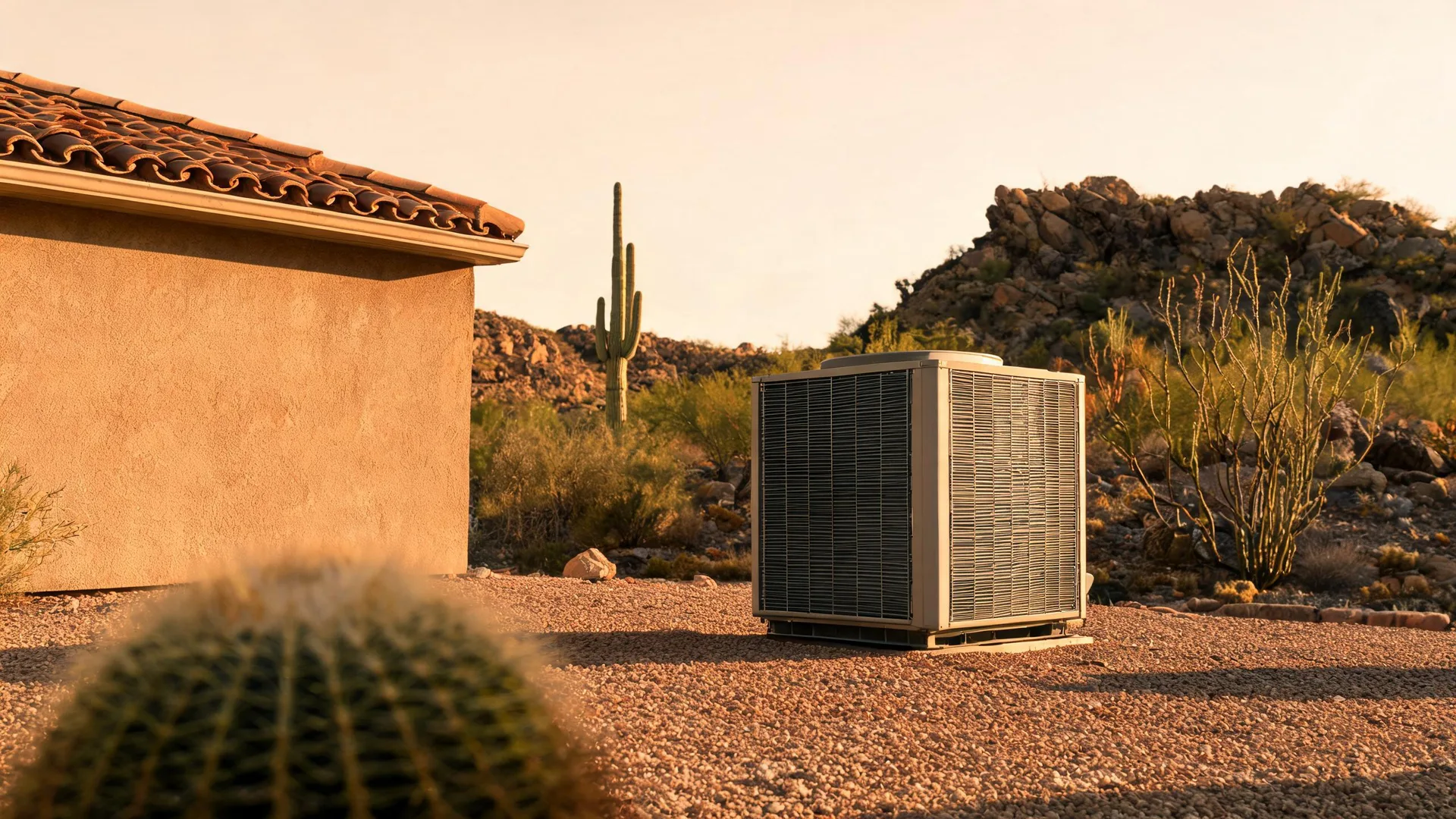
What to leave alone

Don't go near the refrigerant lines or the electrical panel at the unit. A low charge or a bad contactor needs gauges and meters to confirm, not guesswork, and opening the sealed system without the right tools turns a repair into a bigger one. If the outdoor fan isn't spinning at all, or you hear grinding or clicking that wasn't there before, that's a call for someone with the right tools, not a wrench from the garage.

A heat pump in trouble usually tells you in plain ways. Air coming from the vents that's barely warm, or just blowing at room temperature, points to a system stuck between stages or a reversing valve that isn't shifting right. Short cycling, where it kicks on and off every few minutes instead of running a steady stretch, wears on the compressor and is worth catching early. Ice building up on the outdoor unit that doesn't clear during the defrost cycle means that cycle isn't working the way it should. A grinding or rattling from the outdoor fan matters too, and so does a hard clicking when the system tries to start and fails. Any of these is the system telling you a specific part is failing. None of them is a reason to wait until it quits outright.

Repair or replace comes down to what's actually broken, not how old the unit feels. A reversing valve, a defrost control board, a capacitor, a contactor. These are single parts, and replacing one doesn't mean the compressor or the rest of the system is compromised. The compressor is the expensive part to lose, and it usually gives warning first, through weak heat output or strange sounds, rather than failing without notice. If the compressor itself has gone, or the coil is leaking refrigerant at multiple points, that's a different conversation. At that stage you're patching the one part that makes the rest of the system worth having. A contractor can tell you which situation this is just by running the diagnostics, and that answer matters more than a guess about the unit's age.