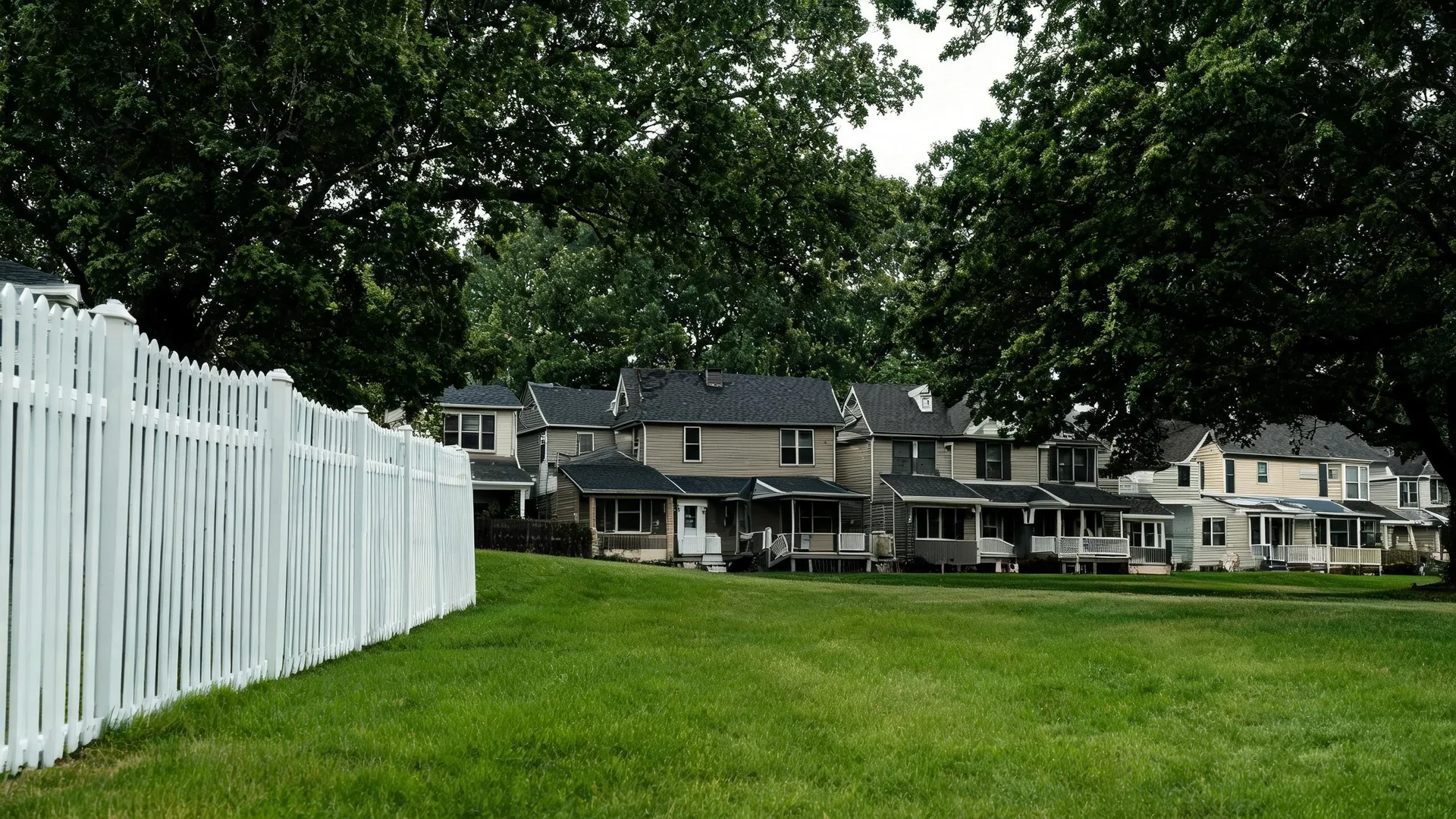







A white picket fence runs along the left edge of a mowed grass lawn, with a row of two-story houses with porches and large leafy trees behind them.

Heat Pump Repair in Lindenhurst, NY

Tell us about the job

Takes about a minute. No obligation.

RepairHeat PumpSuffolk County, NY
Step 1 of 2

What ZIP code is the job in?

Lindenhurst winters bring overnight lows around 26°F, and that's within range for a heat pump to handle without strain. Zone 4A asks real work of the system both summers and winters, but that's true of this whole region, not a sign of anything unusual here. Wind and winter storms do roll through often enough to knock out power or rattle an outdoor unit loose on its pad, so if yours stopped working right after a storm, that's worth checking first. Otherwise, a heat pump that's not keeping up or short cycling is usually dealing with a low refrigerant charge, a failing defrost control, or a dirty coil, the same issues these systems run into anywhere in this climate. The fix is almost always ordinary once someone finds the actual cause.

8 months
October through May, your system heats
3 months
June through August, it cools
26°F
the average winter night it heats against
80°F
the average summer afternoon it cools against
Isometric grayscale illustration of a cutaway single-story house showing interior rooms, ductwork and an air handler, an exterior condenser unit connected by lines, and dark solar panels on the roof.
Your system heats October through May and cools June through August.

NOAA nClimDiv, 1991–2020 normals

Heat pumps here start their heating run in October.

September is the month to get a weak unit checked, before the first cold week finds the problem for you.

A heat pump running weak costs more here than almost anywhere else

Power costs 24.43 cents a kWh statewide
Climate zone 4A
Cooling runs June through August
A loose unit or a storm outage is worth ruling out firstSuffolk County saw 434 damaging wind events between 2015 and 2024.

A repair is worth doing when one part has failed and the rest of the system is still sound. A bad capacitor, a stuck reversing valve, a failed defrost sensor, these are contained problems. Fix the one part and the unit runs the way it was built to. Replacement starts to make sense when the failures stack up, when the compressor itself is the thing going, or when a tech keeps getting called back for a new problem every season. The compressor is the heart of the system, and there's no small fix for one that's wearing out. Age matters too, but not by itself. A unit near the end of its working life that needs a cheap part might still be worth repairing. The same unit needing a compressor or coil is a different conversation. A straight answer on what's actually failing, and what else in the system is showing wear, is what makes that call instead of a guess.

A weak heat pump gets expensive fast at New York power prices

At 24.43 cents per kilowatt-hour, a heat pump that's lost its charge or can't finish a defrost cycle runs longer and pulls more power to make the same heat. That cost shows up on every bill until the actual cause gets fixed. Have someone look at it now, before the cold settles in for good.

Find a contractor
A man in a dark long-sleeve shirt, cap, and tan work pants walks up wooden steps toward a dark green front door, carrying a canvas tool bag with hand tools, beside a potted shrub.
A gray air-source heat pump mounted on a concrete pad next to a house with gray vinyl siding, surrounded by gravel and flanked by green shrubs and white hydrangea flowers.

Ask about its age while someone's already looking at it

Ask whoever comes out to look at it to give you a straight answer on age before they start on the repair itself. If it's the original unit, a service call is still the right first step, but ask what shape the compressor and coils are in while they're already in front of it. That's one visit answering two questions instead of a repair now and a harder conversation in a year.

What you can check yourself

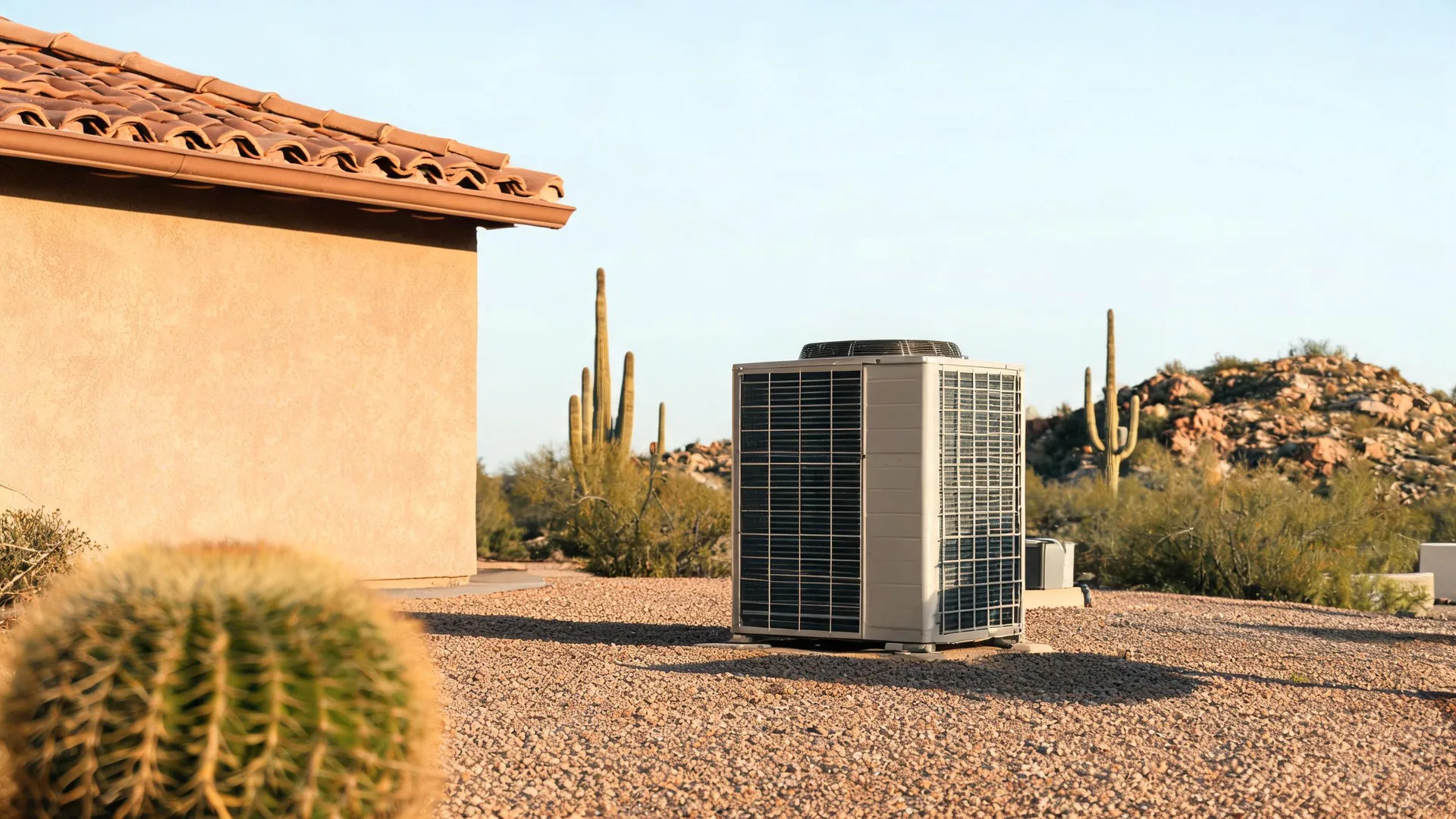
Look at the outdoor unit first. If it's caked in ice beyond the normal thin frost of a defrost cycle, or if leaves and debris are packed into the coil fins, that's worth clearing before anyone comes out. Check that the unit still sits level on its pad and that nothing is blocking airflow around it. Inside, swap the air filter if it's dirty and make sure every vent is open and unblocked. Check the thermostat batteries and settings too. A thermostat stuck in the wrong mode can look exactly like a failing system.
What to leave alone

Don't open the outdoor cabinet or touch the refrigerant lines. Charging a system or chasing a leak takes gauges and training, and getting it wrong can damage the compressor for good. If the breaker keeps tripping when you reset it, stop resetting it and call someone. A breaker that won't hold is telling you there's a short or a failing component drawing too much current, and running it anyway risks the part it's protecting.

Most heat pump failures trace back to a handful of parts, and refrigerant charge is the one that causes the most trouble. A system low on charge still runs, it just works harder and heats worse, and that strain shows up later in the compressor. The reversing valve is another weak point, since it's what lets the unit switch between heating and cooling, and when it sticks the system can get stuck in the wrong mode or stop responding to the thermostat at all. Defrost controls fail quietly. The sensor or board that tells the unit to melt off outdoor coil frost can stop working while the rest of the system runs fine, and ice just builds until the unit can't pull in air anymore. Capacitors and contactors wear down with age and heat cycles, and when they go the outdoor unit may hum without starting or stop building. None of these are tied to one brand or one kind of install. They're just the parts that do the most work and wear out first.

A diagnostic call starts outside at the unit itself, checking the coil for ice or debris and making sure it's getting steady airflow. From there it's gauges on the refrigerant lines to read the charge, since low refrigerant is behind more service calls than anything else. The tech checks the reversing valve to see that it switches cleanly between heating and cooling, and watches the defrost cycle to confirm the board is actually telling the coil to clear itself. Electrical parts get tested too, the capacitor and contactor, since a weak one can leave the outdoor unit humming without starting. Most of this gets answered within the one visit, and whatever's actually failing usually shows itself clearly once someone's looking with the right tools.