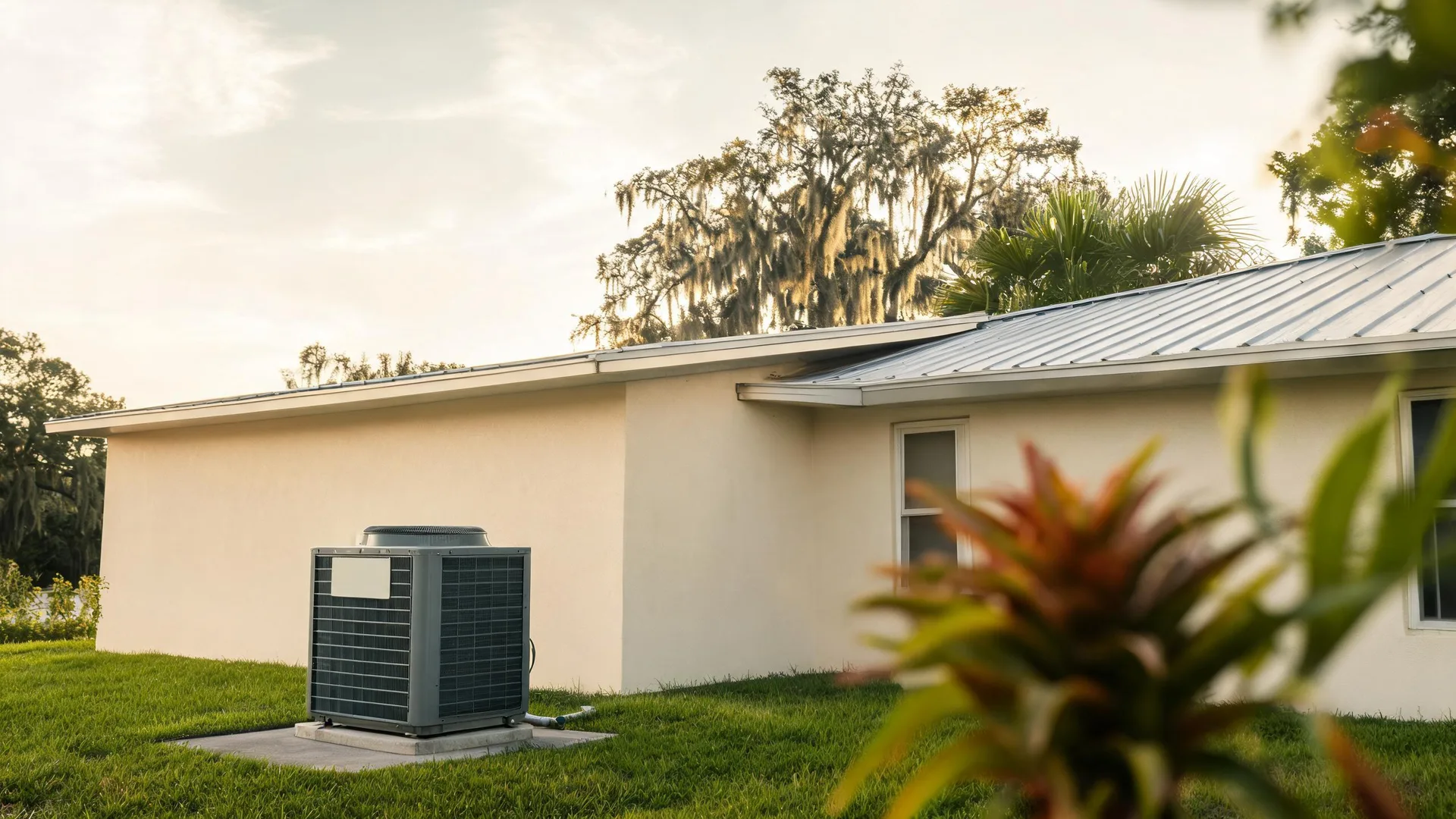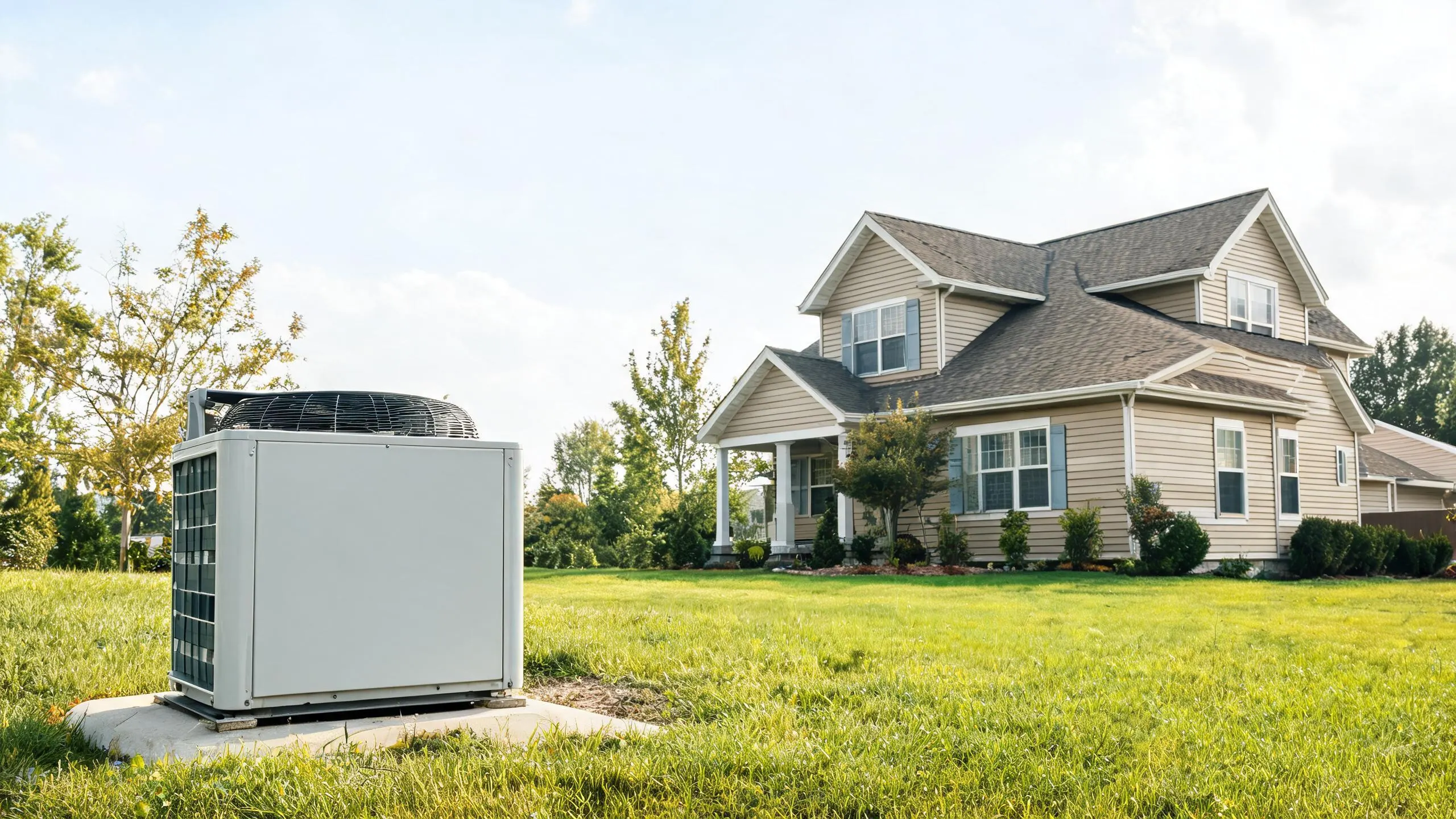
An outdoor HVAC condenser unit on a concrete pad in front of a two-story suburban house.

Heat Pump Repair in Hempstead, NY

Tell us about the job

Takes about a minute. No obligation.

RepairHeat PumpNassau County, NY
Step 1 of 2

What ZIP code is the job in?

Zone 4A, not extreme

Hempstead sits in a mixed climate, humid enough to count for it, that asks real work of a heat pump in both directions. It's a steady demand, not a brutal one. Nothing here pushes the system the way a true heat wave or hard freeze climate does.


So age explains more than weather

A heat pump that's been maintained here usually isn't fighting the strain you'd see somewhere harsher. When one acts up, the cause is more likely a part that's worn out or a system that missed service, not a unit run into the ground by the climate. That's worth knowing before you decide whether a repair makes sense.

8 months
October through May, your system heats
4 months
June through September, it cools
28°F
the average winter night it heats against
82°F
the average summer afternoon it cools against
Isometric line illustration of a cutaway house showing interior rooms with furniture, ceiling ductwork under a dark shingled roof, and an outdoor condenser unit connected by lines on the right.
Your system heats October through May and cools June through September.

NOAA nClimDiv, 1991–2020 normals

Heat here switches over to cooling in June and back to heat in October.

A heat pump that struggled last season tends to show the same weak spot again the first week it's asked to work.

Half the homes here were built by 1955, old enough that a heat pump has likely been swapped out at least once

Half the homes here were built by 1955
143 damaging wind events from 2015 to 2024
10 hail events from 2015 to 2024

Nassau County has seen 206 severe weather events over the past ten years, most of them wind or winter storms rather than anything more severe. That kind of weather can trip a breaker or knock out power for a stretch, and when power comes back a heat pump should start up on its own. If yours doesn't, the outage probably just exposed a problem that was already there, like a failing capacitor or a thermostat that lost its settings. Ten hail events and one tornado in that same stretch tell you physical damage to the outdoor unit is possible but not the way to bet. Check the outdoor unit for anything obviously bent or blocked, then look at what the system was doing before the weather hit.

Electricity here runs 24.43 cents a kilowatt-hour, so a heat pump working harder than it should is costing you every month it stays that way

New York's electric rates are high, and a heat pump short-cycling or running constant stage isn't a minor inefficiency here, it's a bill you'll notice. Finding the actual cause now, whether it's a worn part or a system that missed service, stops that cost before it adds up further.

Find a contractor
A man in a cap, dark T-shirt and work pants seen from behind, carrying a canvas tool bag as he climbs porch steps toward a dark green front door.
A gray heat pump outdoor unit mounted on a concrete pad next to the stone-accented exterior wall of a house.

The usual failure points, regardless of climate

Most heat pump failures trace back to a handful of parts, and they fail the same way whether the system sits in a mild climate or a harsh one. The reversing valve is a common one. It switches every time the system changes between heat and cooling, and over years of use it can start sticking in one position, so the system blows the wrong temperature air or won't switch at all. The defrost board and sensor are another. The outdoor unit has to sense frost on the coil and clear it automatically, and if that sensor drifts, the coil ices over and the system loses capacity. Capacitors weaken with age and usually fail without warning, often right when the system is asked to start up after sitting idle. The outdoor coil itself can lose efficiency too, not from weather but from dirt and bent fins blocking normal airflow over time. A contractor checking a heat pump that's acting up is usually looking at one of these first, not at how hard the season has been.

What you can look at

Check the thermostat first. Make sure it's set to the mode you want and the batteries aren't low, since a thermostat that lost power can default to settings you didn't choose. Look at the outdoor unit and clear away leaves, mulch or anything blocking the sides or top. Check the indoor filter and swap or clean it if it's clogged, since restricted airflow can make a heat pump blow air that feels too cool in heat mode or too warm in cooling mode. Check the breaker panel for a tripped switch before assuming the unit itself failed.

What to leave alone

Don't open the outdoor unit's cabinet or touch the wiring inside it. Don't try to clear ice off the coil yourself, since a heat pump in defrost mode will sometimes look like it's doing something wrong when it's actually running a normal cycle. If the system is making a grinding or screeching sound, or tripping the breaker a second time after you reset it, turn it off at the thermostat and leave it off. Running a failing part keeps costing money and can turn a simple repair into a bigger one.

A heat pump that's icing up or short-cycling and gets left running is usually making its own repair bigger. Ice on the outdoor coil blocks airflow. The system pulls harder to move the same heat, and the compressor runs hotter than it should. A capacitor that's weak but still working will finish failing faster under that extra load. A reversing valve that's starting to stick gets worse with every cycle it's forced through, since each stroke wears the same spot a little more. A refrigerant leak behaves the same way. A system low on charge keeps running the compressor to make up for it, and the compressor is the one part in a heat pump that's rarely worth repairing on its own. None of this means every noise or odd cycle calls for an emergency shutdown. It means a problem that shows up small and gets ignored tends to come back as a problem that shows up big.

A repair is worth doing when the part that failed is small and everything around it is still sound. A capacitor, a defrost sensor, a contactor, these are parts that do one job and can be swapped without touching the rest of the system. Replacement starts to make more sense when the compressor is the thing failing, since that part is tied to the whole system's charge and isn't something a tech pulls and swaps on its own. Pattern matters more than age. A unit that's needed a single repair in its life is in a different spot than one that keeps coming back for a different part each time. That second pattern usually means the system as a whole is wearing out, not just the part in front of you. A tech who's inspected the coil, the valve and the compressor can tell you which situation you're actually in.