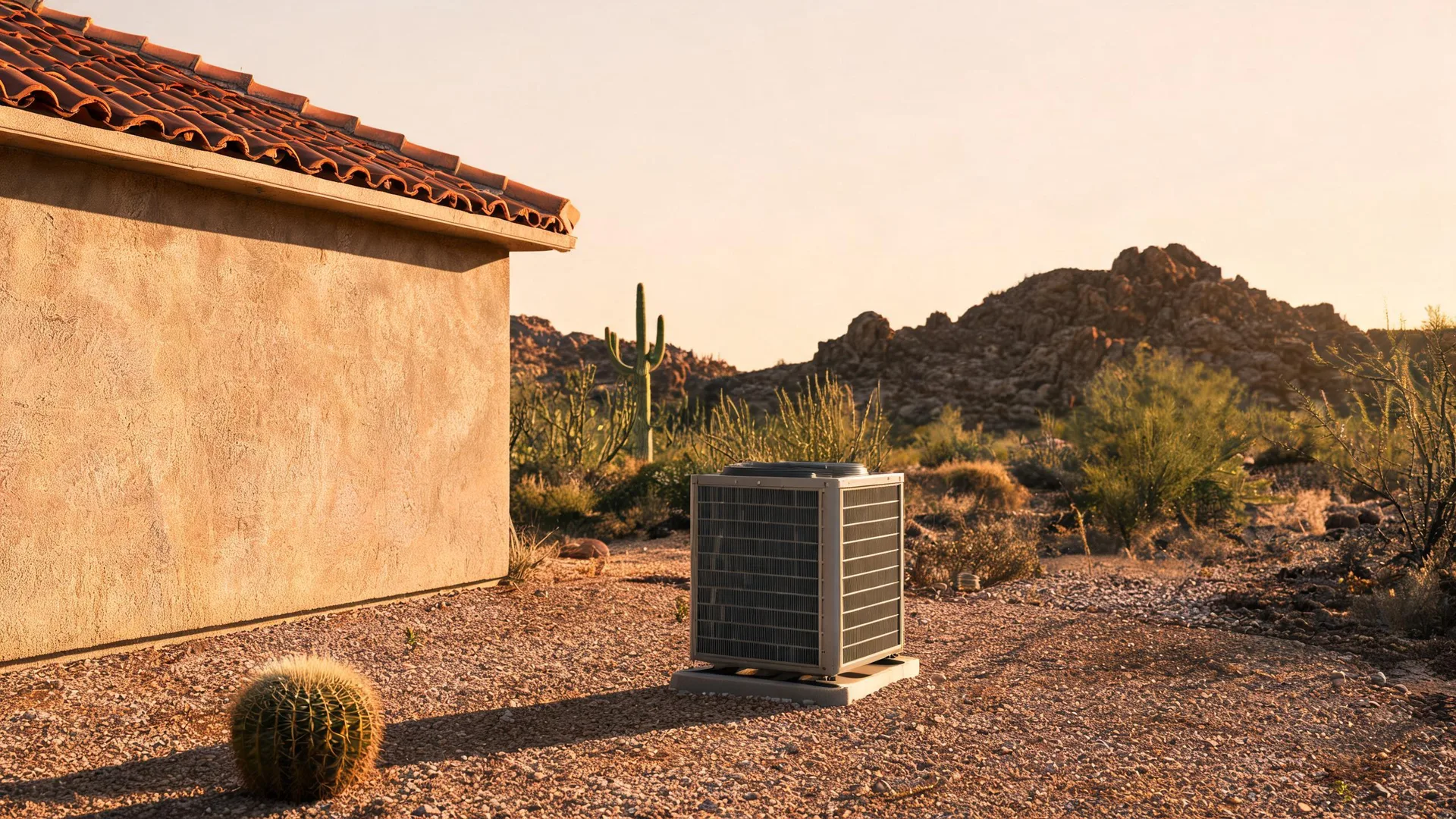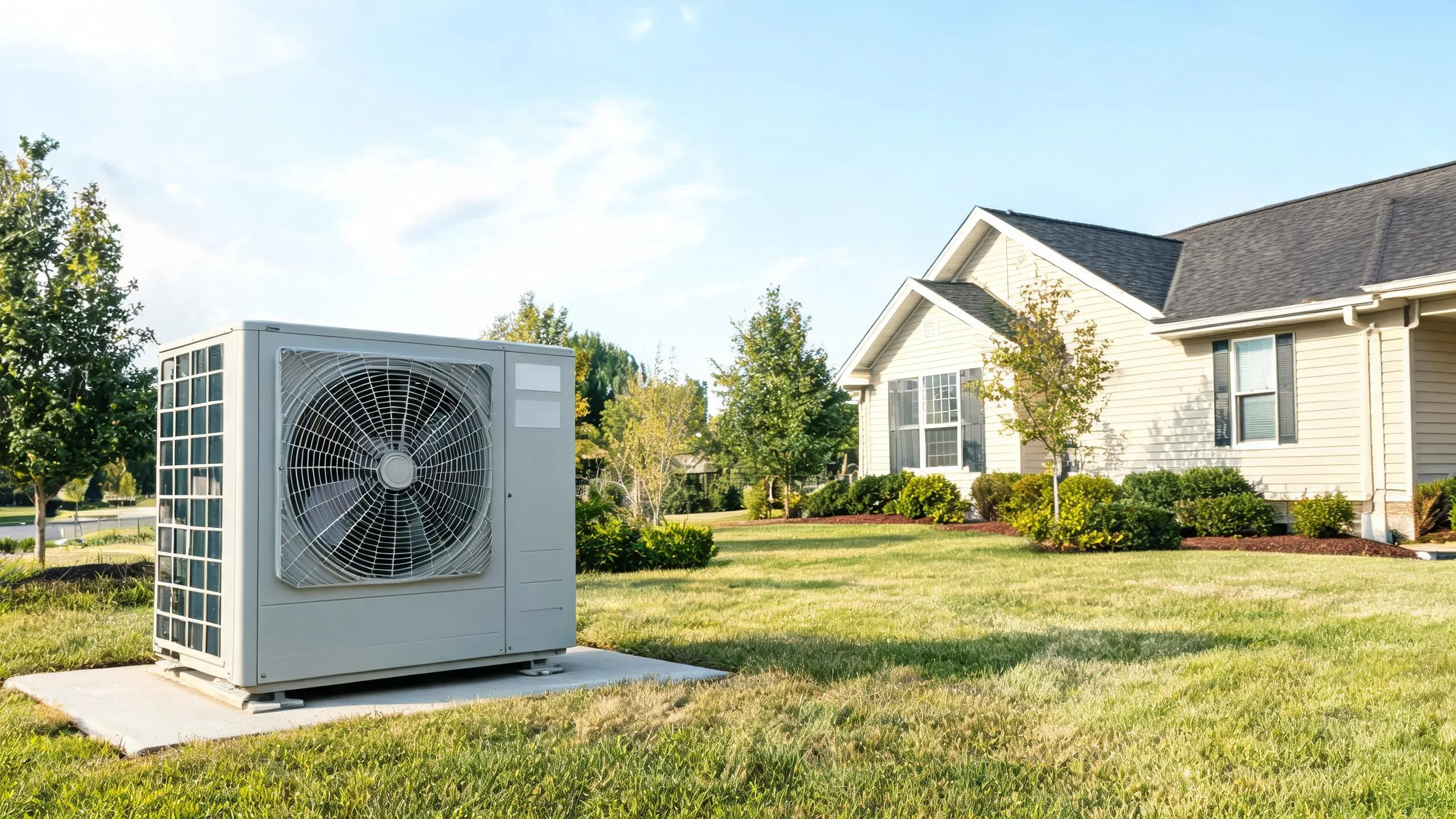
A grey heat pump outdoor unit mounted on a concrete pad in a suburban backyard, with a single-storey house visible behind it.

Heat Pump Repair in Troy, NY

Tell us about the job

Takes about a minute. No obligation.

RepairHeat PumpRensselaer County, NY
Step 1 of 2

What ZIP code is the job in?

Winters here ask a lot of a heat pump

Troy sits in a cold climate zone where heating carries the bigger load. Overnight lows average 17°F through December, January and February. A heat pump working against that cold every night is doing real work. That alone doesn't mean something's wrong with it.


So look for the usual cause first

Nothing about Rensselaer County wears on a heat pump in some unusual way. When one starts short-cycling, runs constantly, or blows air that isn't warm enough, the cause is almost always the same handful of things that go wrong with this equipment anywhere. A failing defrost control. A low refrigerant charge. A reversing valve stuck in one position. Find which one it is and the fix is usually straightforward.

8 months
October through May, your system heats
2 months
July through August, it cools
17°F
the average winter night it heats against
79°F
the average summer afternoon it cools against
Isometric cutaway illustration of a single-story house showing interior ductwork, an indoor air handler, and an outdoor condenser unit connected by lines along the exterior wall.
Your system heats October through May and cools July through August.

NOAA nClimDiv, 1991–2020 normals

Heat pumps in Troy run October through May, about eight months a year.

September is the time to catch a weak part before the first cold nights put real load on it.

Half the homes in Rensselaer County date to 1962 or earlier

Half the homes here were built by 1962
301 damaging wind events from 2015 to 2024
14 hail events from 2015 to 2024

New York homeowners paid 24.43 cents per kilowatt-hour in 2024, well above what most of the country pays. A heat pump that's short-cycling or running constantly is pulling power the whole time it does that, not just when it's actually heating your house. A stuck reversing valve or a low charge doesn't just mean uneven heat. It means the unit is drawing current to do a job it can't finish. At that rate, a heat pump working against itself costs real money every month it goes unfixed.

Find the cause now, while the fix is still simple

Fix it now and it's a straightforward repair. Leave a bad defrost control or a stuck reversing valve alone through a Troy winter and the unit keeps working against itself every night it's needed most.

Find a contractor
A dark gray heat pump unit mounted on a concrete pad next to a house with gray siding and a stone veneer wall.

Find out what you're actually working with

A heat pump doesn't last as long as the house it's in, so the age of the house won't tell you the age of the unit. A contractor can read the install date off the data plate in a couple minutes. That number is what decides whether this is worth repairing or close enough to the end that the money's better spent on a new one.

Check the simple stuff first

Look at the outdoor unit and see if it's caked in ice or buried in snow. Check the thermostat is set to heat and the temperature is actually turned up. Go through the breaker panel and make sure nothing's tripped. Check your air filter. A clogged filter chokes airflow and can make the whole system struggle.

Know what you can't check yourself

If the outside unit is running constantly and never seems to shut off, or it's cycling on and off every few minutes, that's not something a filter change fixes. Refrigerant charge and the reversing valve need gauges and training to test. Trying to diagnose those yourself risks nothing but time. Rule out the easy stuff, then call someone for the rest.

A heat pump that's struggling doesn't fix itself by staying on. If the reversing valve is stuck or the charge is low, every cycle it runs is a cycle spent trying to do something it physically can't finish. That strain falls on the compressor, the part nothing else in the system works without. Ice on the outdoor coil is the same story. A little frost clears in a normal defrost cycle. Frost that keeps building because the defrost control isn't switching over blocks airflow across the coil, and the compressor keeps running against that restriction. The longer that goes on, the more likely a worn part turns into a failed one.

A repair that's worth doing is one where a single part failed and the rest of the system is sound. A defrost control board, a reversing valve, a capacitor, these can be replaced on their own without touching anything else, and the unit runs like it did before. Replacement starts to make more sense when the compressor itself is the problem. It's the one part that can't be swapped out cheap, and a failing compressor is often a sign the whole system has been under strain for a while, not just a one-time fault. Age matters too, but not the way people think. A unit can be old and still worth fixing if it's only ever needed small repairs. One that's young but already on its second or third breakdown in a short span is telling you something different. Ask what actually broke before asking how old the thing is.