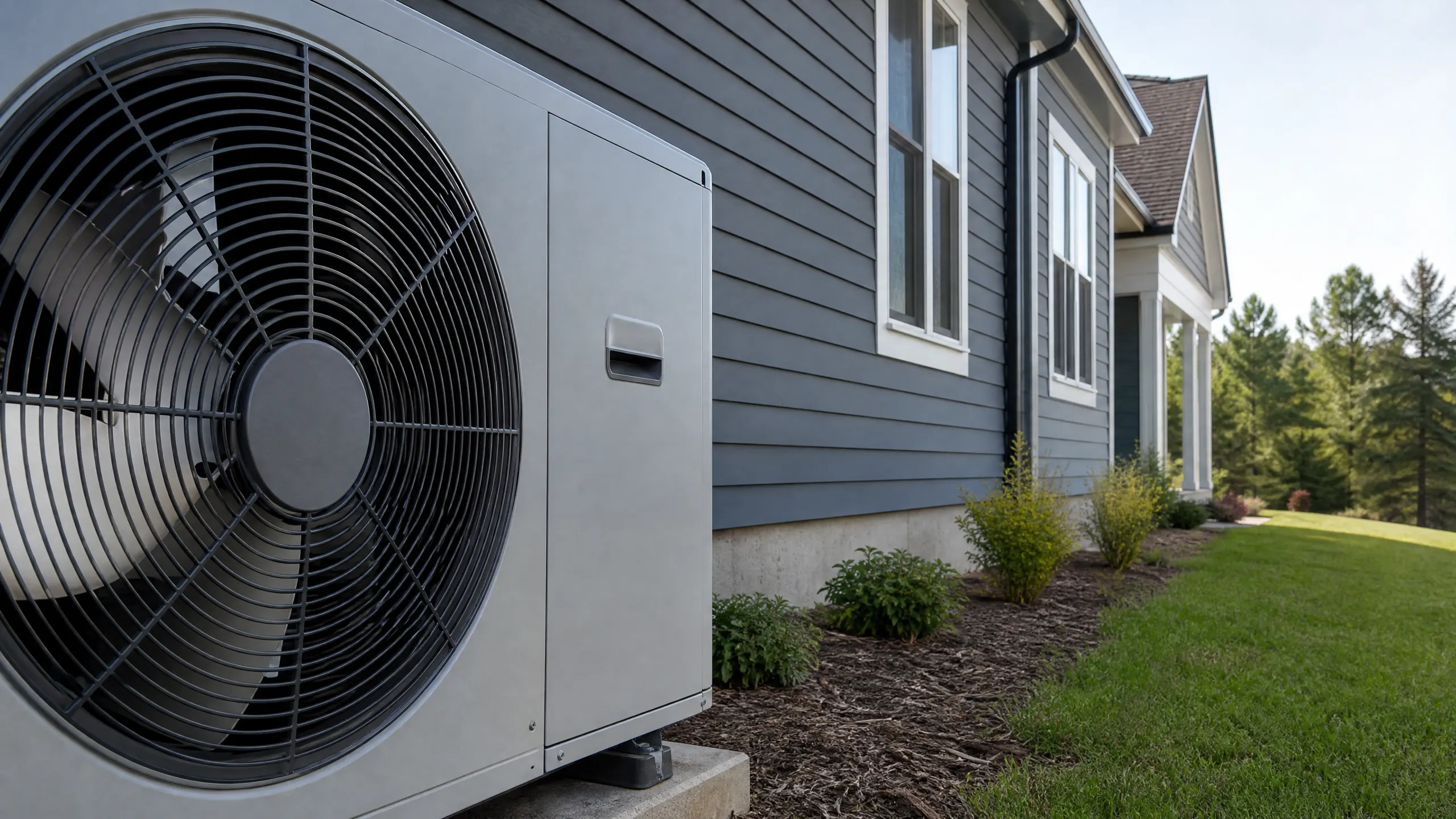





A heat pump outdoor unit mounted on a concrete pad next to the gray-sided exterior wall of a residential house.

Heat Pump Repair in Syracuse, NY

Tell us about the job

Takes about a minute. No obligation.

RepairHeat PumpOnondaga County, NY
Step 1 of 2

What ZIP code is the job in?

Heat pumps here work hardest right when the season turns. October is when heat comes on for the winter, and a part that was already weak tends to show it the first cold week it has to run hard. Same with July, when cooling starts after months of sitting idle. If your heat pump is struggling now, it is probably not bad luck. It is more likely something that was already wearing down, and the change in load just brought it out. Worth having a contractor look at it before the rest of the season leans on it.

8 months
October through May, your system heats
2 months
July through August, it cools
18°F
the average winter night it heats against
79°F
the average summer afternoon it cools against
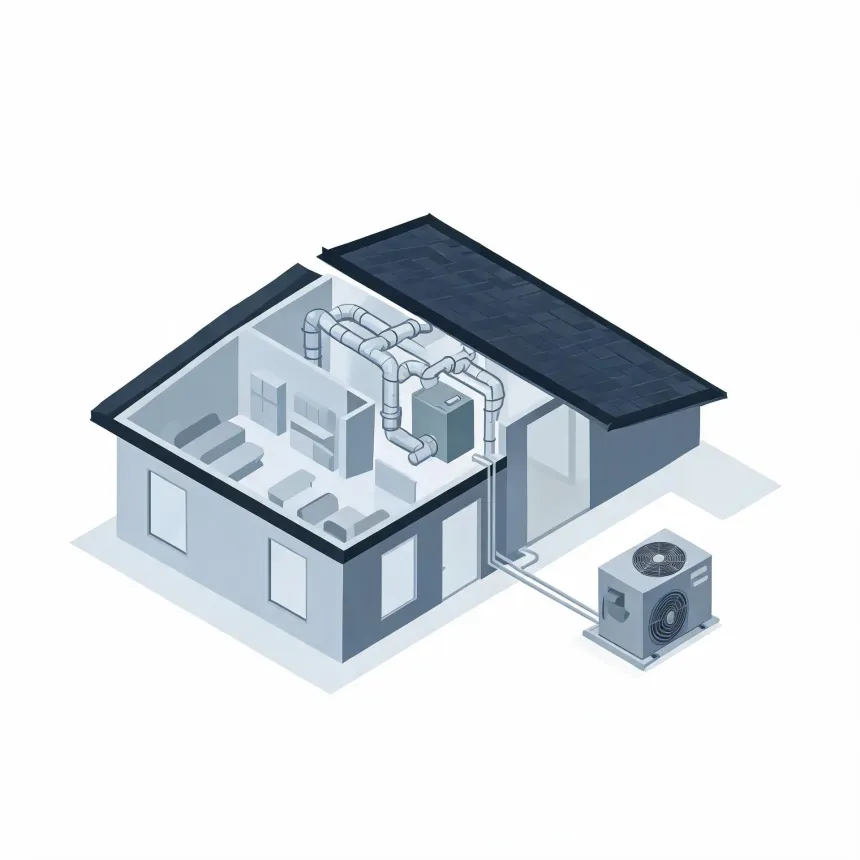
Isometric illustration of a cutaway single-story house showing interior ductwork and an air handler connected by lines to an outdoor condenser unit on a pad beside the building.
Your system heats October through May and cools July through August.

NOAA nClimDiv, 1991–2020 normals

Check the air filter and the outdoor unit before anything else. A clogged filter or a coil packed with leaves can cause most of what feels like a bigger problem.

A reversing valve that's stuck, or a refrigerant leak, needs a contractor with gauges. Those aren't jobs for guesswork.

223 severe weather events in ten years, but that's not what's breaking your heat pump

223 severe weather events from 2015 to 2024
11% of homes statewide lost power a day or more in 2024
186 damaging wind events from 2015 to 2024
Electricity here isn't cheapNew York homes paid 24.43 cents per kilowatt-hour in 2024.

Half the homes in Onondaga County were built in 1964 or earlier. The heat pump itself is almost certainly newer than the house, since these systems don't last that long, but if yours has been there since before you moved in, it may already be old for a heat pump. An older unit tends to show problems in bunches once it starts, one part failing not long after another. Before paying for a repair, ask the contractor straight out how much life is likely left in the unit. A compressor or reversing valve near the end of its life makes that a different conversation than a bad capacitor would.

A struggling heat pump still costs you every month it runs

A heat pump that's low on charge or short-cycling still runs up your meter even while it struggles to heat or cool the house. At 24.43 cents a kilowatt-hour, that's not a small drag. Get the cause found now instead of paying to run a broken unit through the rest of the season.

Find a contractor
A residential heat pump outdoor unit mounted on a concrete pad next to a house with gray vinyl siding.

Ask about the years left before you approve the repair

Ask that question before you agree to any repair, not after. A straight answer about years left tells you whether this is worth fixing or whether the unit is already on its way out. If the answer is a few years, a repair makes sense. If the answer is one season, that changes what you're willing to put into it.

A struggling compressor only gets worse

A compressor low on charge or straining against a bad valve runs hotter than it should every time it cycles on. That heat breaks down the oil that's supposed to protect it. Keep running it in that state and you turn a repair into a full compressor replacement.
Ice on the coil means stop, not wait

If the outdoor coil is icing over, something is already wrong, low charge, poor airflow, a failed defrost control. Running the unit through that ice forces it to work against its own buildup, and it can push a refrigerant problem into a frozen, cracked line.

A heat pump that needs attention usually tells you in how it runs, not just whether it runs. It blows air that doesn't feel warm enough in winter or cool enough in summer, even though the system is on and cycling. It runs long stretches without shutting off, or it short-cycles, kicking on and off every few minutes. You might hear it making a new sound, a clicking at startup, a hum with no airflow behind it, a rattle from the outdoor unit. Ice showing up on the outdoor coil outside of a normal defrost cycle is worth paying attention to right away. So is the outdoor fan not spinning when the system is calling for heat or cool. None of these mean the same repair, but any of them is a reason to have a contractor look before the symptom turns into a bigger failure.

A diagnostic starts outside, at the outdoor unit, with gauges on the refrigerant lines to check the charge. From there the contractor checks the reversing valve, since that's the part that decides whether you get heat or cold air, and a stuck valve can look like several other problems at once. They'll check the defrost board and sensor, run the system in each mode to see if it actually switches over, and check the capacitor and contactor that get the compressor and fans started. Airflow gets checked too, since a coil that isn't moving enough air will show symptoms that have nothing to do with refrigerant at all. By the end you should get a straight answer about what's failing and what it will take to fix it, not just a part swapped and hope.