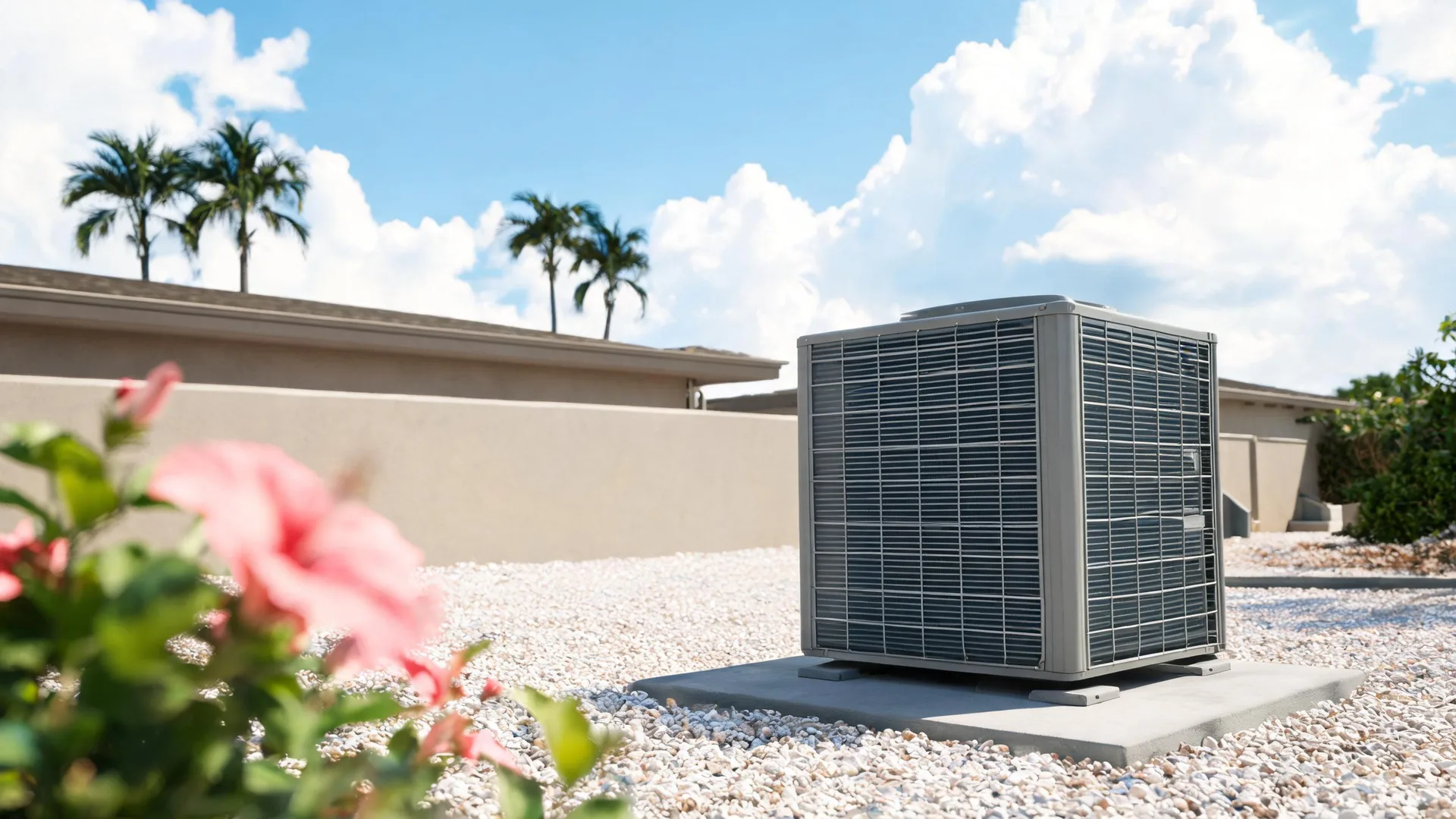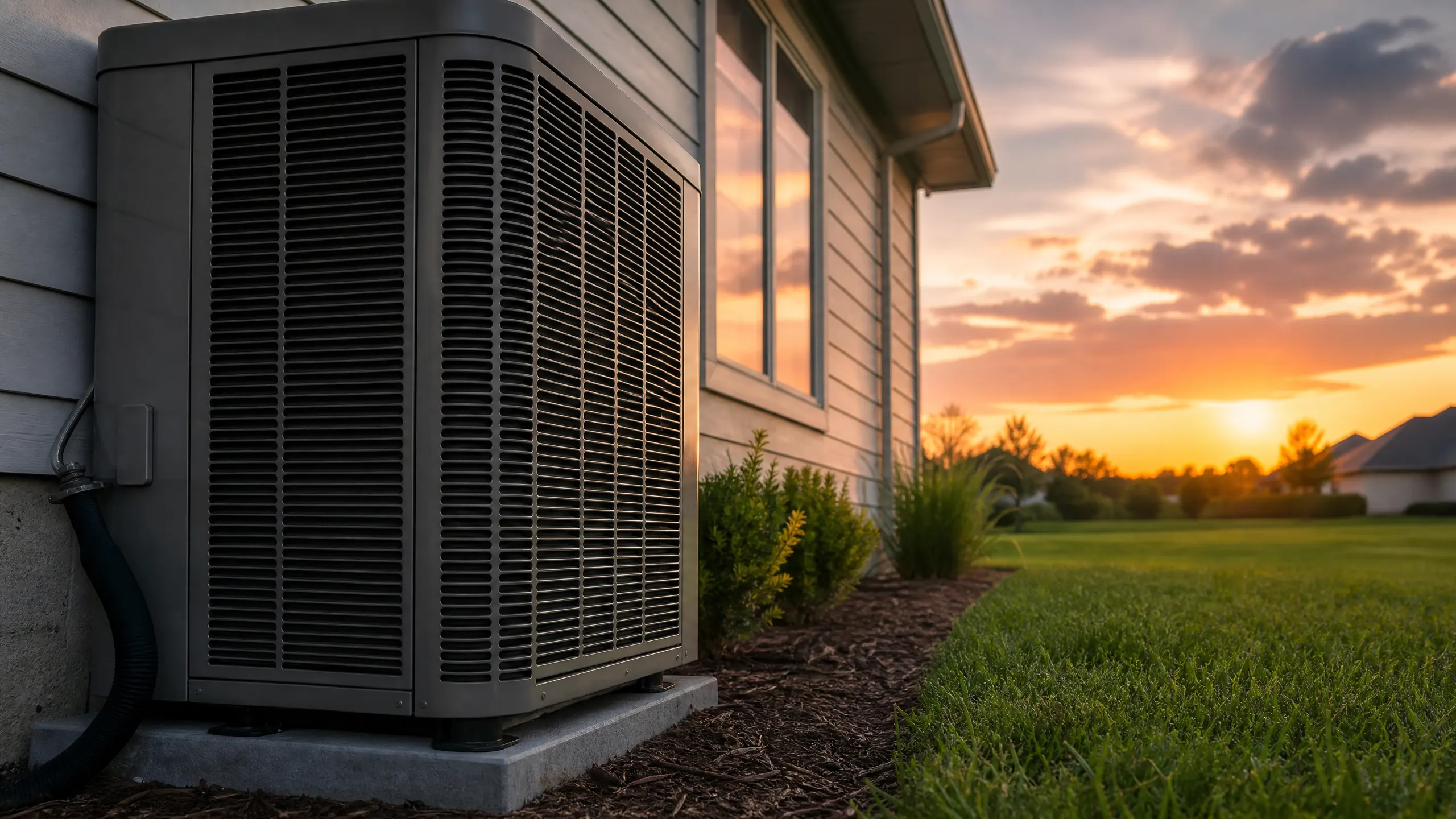
An outdoor air conditioning condenser unit mounted on a concrete pad beside a house at sunset.

Heat Pump Repair in Monticello, NY

Tell us about the job

Takes about a minute. No obligation.

RepairHeat PumpSullivan County, NY
Step 1 of 2

What ZIP code is the job in?

Winter here is long, but that's normal for a heat pump

Monticello sits in zone 6A, with overnight lows averaging 18°F through December, January and February. A heat pump built for this area is made to run through that. If yours is struggling, the cold isn't the reason.


So look for the usual cause first

A heat pump that's short cycling, blowing cool air, or not keeping up is almost always dealing with a specific problem. Low refrigerant. A failing defrost control. A dirty coil. A bad reversing valve. Find which one it is and the fix is usually straightforward.

9 months
September through May, your system heats
2 months
July through August, it cools
18°F
the average winter night it heats against
78°F
the average summer afternoon it cools against
Isometric cutaway illustration of a small house showing interior ductwork and an air handler connected by lines to an outdoor condenser unit on a pad beside the building.
Your system heats September through May and cools July through August.

NOAA nClimDiv, 1991–2020 normals

Heat pumps in Sullivan County run heat from September through May, nine months of the year.

August is when a weak part is most likely to give out, right as the system starts leaning on it for heat.

Weather here isn't the problem, so a repair should hold

185 severe weather events from 2015 to 2024
11% of homes statewide lost power a day or more in 2024
149 damaging wind events from 2015 to 2024
Electricity here runs 24.43 cents a kilowatt-hourA heat pump that's struggling costs more here than most places to run badly

Half the homes in Sullivan County were built in 1974 or earlier, and half in 1974 or later. That split doesn't tell a contractor much about what's inside your walls. What matters is whether your heat pump came with the house or was put in later, and whether the ductwork, wiring or line set were touched since. That history points to what's actually failing a lot faster than the age of the house does. Worth having ready before a repair gets scheduled.

A heat pump running badly costs you every month it stays that way

At 24.43 cents a kilowatt-hour, a struggling heat pump doesn't just run poorly, it runs up your bill while it does it. Low refrigerant, a bad reversing valve, a failing defrost control, these make the system work harder for less heat. Getting the actual cause fixed stops that cost where it is instead of letting it ride through the rest of the season.

Find a contractor
A white mini-split heat pump outdoor unit mounted on a concrete pad beside a gray-sided house, surrounded by gravel and green shrubs.

What to check yourself before the call

Before anyone comes out, check the filter. A clogged filter starves the system of airflow and can make it look like a much bigger problem. Go outside and look at the outdoor unit. Ice building up across the coil, not just a thin frost, means something is wrong with the defrost cycle. Clear away leaves, mulch or anything blocking the sides so air can move through it. Inside, check every vent is open and nothing is sitting in front of a return. Look at the thermostat and make sure it's set to heat and the temperature is actually above room temperature. If you have a breaker box, check nothing has tripped, both for the indoor air handler and the outdoor unit. None of this fixes a bad reversing valve or a refrigerant leak, but it rules out the easy stuff first.

The reversing valve is the part most likely to go

The reversing valve switches a heat pump between heat and cooling, and it switches every single cycle, all season long. When it sticks, the system can blow cool air when it should be heating, or it gets stuck between modes and won't do either one right.

A refrigerant leak gets worse, never better

Refrigerant doesn't get used up, so a low level means it's leaking out somewhere, usually at a fitting or a coil. A system running low has to work longer to make the same heat, and it keeps losing ground until the leak is found and sealed.

Most heat pump problems announce themselves before the system quits outright. A unit that runs constantly without warming the house is losing the fight somewhere, often refrigerant or a coil that can't absorb heat the way it should. Short cycling, where it starts and stops in a hurry, usually points to a sensor or control board telling it to shut down too soon. Air coming out lukewarm instead of warm is worth paying attention to. A heat pump's air was never going to feel as hot as a furnace's, but it should still climb the room temperature steadily, not stall halfway. Listen for anything new too. Clicking that repeats, a hum that wasn't there before, or the outdoor unit struggling to start are all the system telling you a part is wearing out before it fails for good.

A diagnostic visit starts outside, at the unit itself. A tech checks refrigerant pressure, since that number says more about what's going on than how the house feels inside. From there it's the reversing valve, tested under power to see if it actually shifts when told to. The defrost board gets checked too, along with the sensor that tells it when to kick into defrost and when to stop. Electrical readings on the compressor rule out a part that's drawing more than it should, which is often the first sign of a motor on its way out. None of this takes guesswork. Each reading either clears a part or points straight at it, and that's what tells you whether you're looking at a repair or something bigger.