






Overhead view of a gray outdoor AC condenser unit on a concrete pad beside a mulched garden bed and a house with vinyl siding.

AC Installation in Poughkeepsie, NY

Tell us about the job

Takes about a minute. No obligation.

New system or replacementCentral ACDutchess County, NY
Step 1 of 2

What ZIP code is the job in?

Electricity in New York runs 24.43 cents per kilowatthour, among the higher rates in the country. An AC that's a few points lower in SEER2 will show up on every bill it runs through. That makes the SEER2 rating one of the few things worth spending real time on before you sign anything. Ask what rating you're actually getting, not just what the brand name promises. The gap between a low-end unit and a high-efficiency one compounds every month it runs.

3 months
June through August, your air conditioner is on duty
81°F
the average summer afternoon it cools against
19 hail events
in ten years, and hail bends the fins on outdoor coils
13.4 SEER2
the federal minimum any new unit must meet
Isometric cutaway illustration of a house interior showing ducted HVAC piping, an indoor air handler unit, and an outdoor condenser with fan connected by a line, rendered in grey tones on a white background.
Your air conditioner works hardest from July through August.

NOAA nClimDiv, 1991–2020 normals

The SEER2 number on the label is a ratio, not a guarantee.

The unit has to be sized and installed right to actually hit that rating in your house.

Most of Dutchess County heats with oil, so AC usually means adding cooling to a system that already handles the heat

44.1% of homes heat with fuel oil
Cooling runs June through August
Summer afternoons average 81°F

Dutchess County sits in climate zone 5A, a cool zone where winter heating is the bigger job, but any new AC still has to meet the federal efficiency floor on its own terms. Split-system central air conditioners under 45,000 Btu/h built from 2023 onward have to hit at least 13.4 SEER2. That's not a target, it's the minimum. Anything a contractor installs here has to clear that bar before you even start comparing options. A federal tax credit is also available on qualifying high-efficiency equipment, worth asking about when you're pricing out what to install.

Your new AC has to work with the house you have, not a standard one

Half the homes in Dutchess County were built in 1971 or earlier. A house that age wasn't planned around central air, so the ductwork, the electrical panel, even where the condenser can sit outside all depend on choices made long before AC was part of the picture. Sizing a new system means working with what your house already has, not fitting your house to a generic unit.

Find a contractor
A man in a dark long-sleeved shirt and tan pants, seen from behind, carries a worn canvas tote bag as he climbs wooden steps toward a dark green front door flanked by a potted shrub.
A gray residential air conditioner condenser unit mounted on a concrete pad in an open grass field.

Put it in before June, not after

Cooling here runs June through August, three months a year. Install in May and the system is set before the first hot week hits, with time to fix anything that needs fixing before you actually need it running. Wait until June and you're installing while the house is already warm, taking whatever scheduling you can get instead of planning it out.

The old unit gets hauled away

Whoever installs the new system takes the old condenser and the indoor coil with them when the job's done. The refrigerant in the old unit has to be recovered first, not vented, so ask that it's handled that way rather than just cut loose.

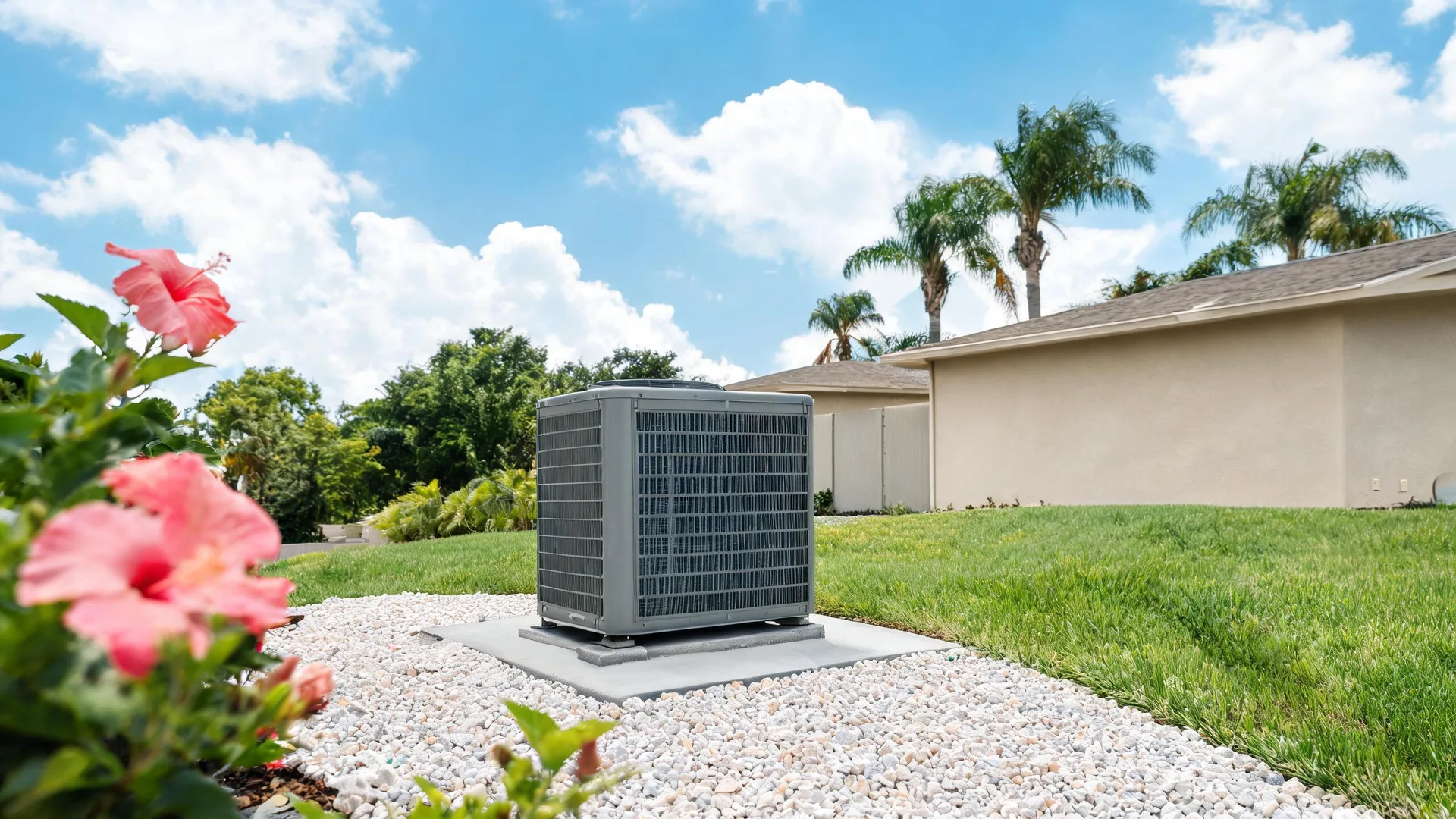
The install can change more than the outdoor unit

If the new system uses a different refrigerant line size or a different coil, the old line set or coil may not carry over even if it looks fine. Reusing old ductwork is common, but a contractor may still recommend sealing or adjusting it to match what the new system needs to run right.

An outdoor air conditioning condenser unit mounted on a concrete pad next to a blue-sided residential house at sunset.

A higher-efficiency unit would save about $30 a year to run in Dutchess County compared with a new unit at the federal minimum.

  • A higher-efficiency unit$200 a year
  • A new unit at the federal minimum, 13.4 SEER2$230 a year

Estimates for a typical Dutchess County home, from EIA household energy data, New York fuel prices and NOAA climate normals. Your home will differ.

Installation starts with a load calculation, not a truck showing up with a box. A tech measures the house, checks insulation and window area, and figures out what size system it actually needs before anything gets ordered. On the day itself, the outdoor condenser gets set on a pad and connected to new line sets, while the indoor coil ties into the ductwork or air handler. The electrical hookup matters as much as the refrigerant lines. The new unit needs its own breaker and disconnect, not a wire spliced in from the old one. Once everything's connected, the system gets charged with refrigerant to the exact weight the manufacturer specifies, then run through a startup check for airflow and pressures. A system that's rushed through that last step may run, but it won't hit the rating on its label.