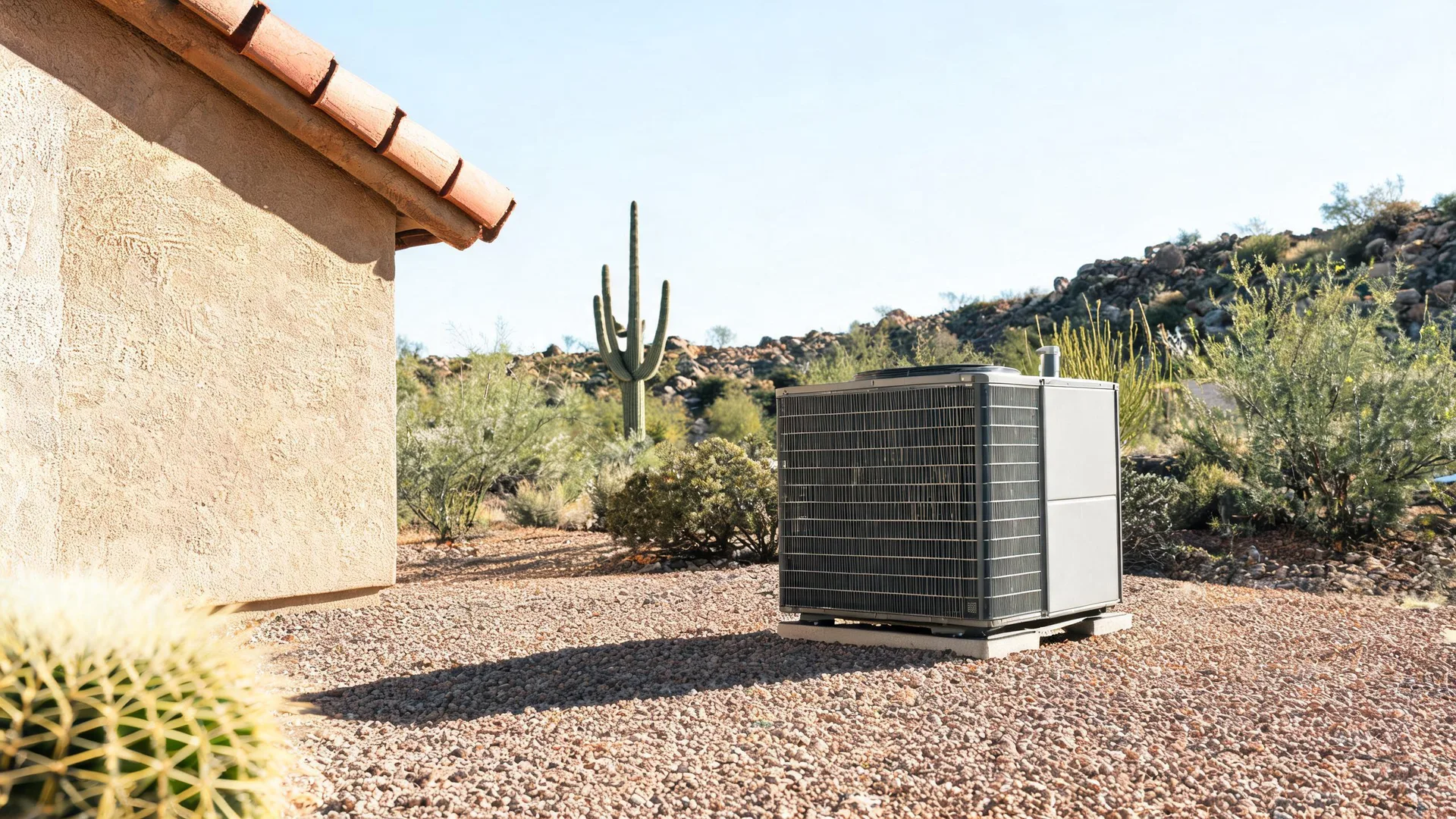
Gas heat is the norm here
Just over half of homes in Cattaraugus County heat with utility gas, more than any other fuel. A smaller share runs on propane, electric heat, or fuel oil.
Takes about a minute. No obligation.
Just over half of homes in Cattaraugus County heat with utility gas, more than any other fuel. A smaller share runs on propane, electric heat, or fuel oil.
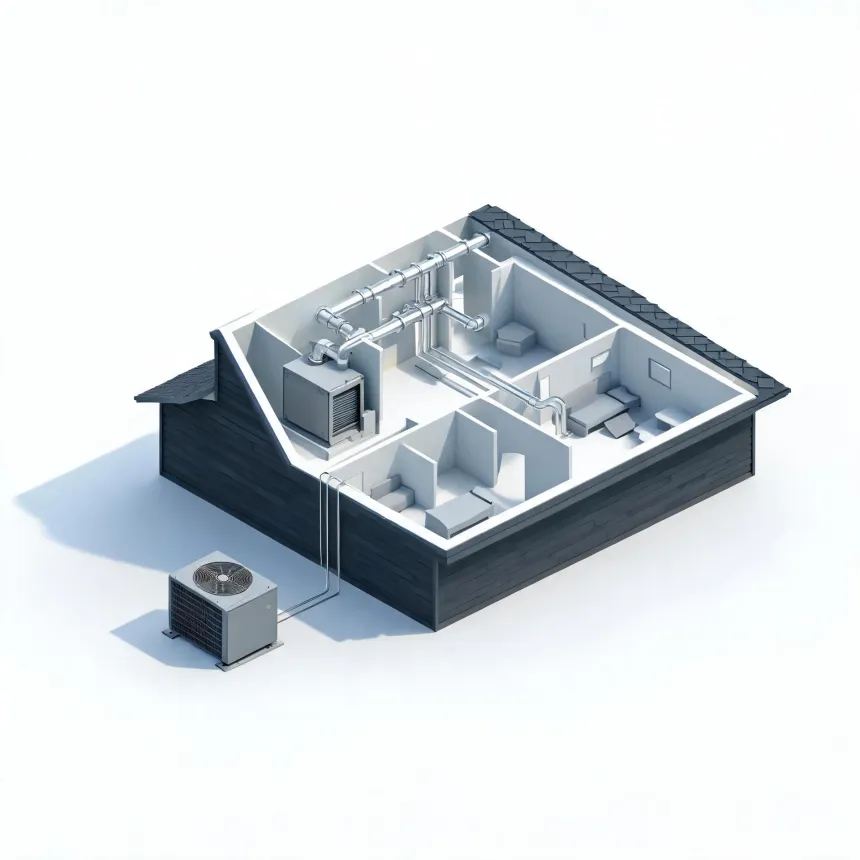
If your home heats with a gas furnace, central air conditioning usually shares the same ductwork and blower. That makes AC installation a matter of adding a condenser and coil to a system that's already moving air through your house.
NOAA nClimDiv, 1991–2020 normals
The old condenser and coil don't just get left in place when the new system goes in.
Disconnecting the old unit and hauling it off is part of the installation job, not an extra step tacked on after.




Cattaraugus County falls in climate zone 5A, a cool zone where heating carries most of the load. That doesn't loosen the rules on the air conditioner. Any split-system central AC under 45,000 Btu/h installed new has to meet 13.4 SEER2 at minimum, the same federal floor that applies everywhere else. The zone affects how the system gets sized for this area's summers, not what efficiency it has to clear. A contractor sizing your system is working within that standard from the start, not treating it as optional.
July is the only month cooling runs in Cattaraugus County, and June is the month before it. Getting the new system in before July means it's ready when the heat actually arrives, instead of competing with every other homeowner calling once it has.
Find a contractorA quoted SEER2 number only tells part of the story. Systems carrying the same rating can still perform differently once installed, because that number comes from lab testing and your ductwork is its own variable. Ask what size condenser is being proposed and why, not just the brand. Ask whether the quote came from a load calculation or whether the tonnage was picked to match what's already out there. A contractor who walks the house before naming a number is doing it right. One who quotes straight off the square footage is guessing. Ask about the coil too. The condenser and coil are matched as a pair, and pairing a new condenser with an old coil can cost you the efficiency you're paying for. Warranty terms are worth comparing line by line, since parts coverage and labor coverage are often sold separately and run for different lengths of time.
An oversized condenser cools the air fast and shuts off before it pulls the moisture out. The house ends up feeling clammy even at the temperature you set. A system sized right runs longer, steadier cycles and actually dries the air while it cools it. Undersized has its own problem. It runs flat out on the hottest afternoons and still can't catch up.
Sizing starts with a room by room load calculation, not the size of the unit coming out. A contractor measures the house itself. Square footage, window area, which way the windows face, how the attic is insulated, ceiling height, how many people live there. Houses that look alike from the street can call for different tonnage depending on how much sun hits the glass or how well the place holds its temperature.
Estimates for a typical Cattaraugus County home, from EIA household energy data, New York fuel prices and NOAA climate normals. Your home will differ.
Installation day starts with the old system coming out, condenser, coil and the line set running between them. The new coil usually sits inside the furnace cabinet above the burners, so that gets set first and sealed so no air slips past it. The condenser goes outside on its pad, and new line set gets run and connected to both ends. Once everything's connected, the line set gets evacuated to pull out moisture and air before refrigerant goes in, since either one left behind will cause problems later. The system gets charged to the specification for that exact unit, not just filled until pressure looks right. Then it's a matter of running the system, checking the temperature drop across the coil, and making sure the blower is moving the right amount of air through your ducts.