






An outdoor air conditioning condenser unit installed beside the exterior wall of a blue vinyl-sided house at sunset.

AC Installation in Hudson, NY

Tell us about the job

Takes about a minute. No obligation.

New system or replacementCentral ACColumbia County, NY
Step 1 of 2

What ZIP code is the job in?

Electricity in New York runs 24.43 cents per kilowatt-hour, well above what most states pay. A new AC unit stays in your house for years, and every one of those summers you're paying that rate to run it. The difference between a unit that cools your house well and one that just barely keeps up shows up on your electric bill. Worth asking what SEER2 rating a contractor is quoting you, and worth asking why.

2 months
July through August, your air conditioner is on duty
81°F
the average summer afternoon it cools against
16 hail events
in ten years, and hail bends the fins on outdoor coils
13.4 SEER2
the federal minimum any new unit must meet
Isometric line illustration of a cutaway house showing interior rooms with furniture, ceiling ductwork, an indoor air handler, and an outdoor condenser unit connected by lines.
Your air conditioner works hardest from July through August.

NOAA nClimDiv, 1991–2020 normals

Fuel oil or kerosene heats 45.2% of homes in Columbia County, more than any other fuel.

Your AC installer is probably working around an oil furnace or boiler, not a gas one.

Two months of work a year, not a system pushed hard all summer

Cooling runs July through August
Summer afternoons average 81°F
392 damaging wind events from 2015 to 2024

Cooling here runs just two months, July and August. That short window is exactly why June is the time to put in a new system. Get it installed before July and it's tested and running before the first hot week hits, not during it. Wait and you're calling a contractor the same week everyone else with a failing unit is calling too. A June install also gives you all of July and August to find out if anything needs adjusting, instead of living with a problem for the rest of the summer.

Any new system here has to clear 13.4 SEER2

Columbia County falls in climate zone 5A, and any split-system AC under 45,000 Btu/h installed here has to meet a federal minimum of 13.4 SEER2. That floor is already set before a contractor shows up with a quote, so the real question is what they're installing above it.

Find a contractor
A man in a dark shirt and brown work pants, seen from behind, carries a worn duffel bag up stone steps toward a dark green front door of a house with light siding and a potted shrub.
An outdoor residential air conditioning condenser unit mounted on a concrete pad, surrounded by gravel with a blue sky in the background.

Older homes need a system sized to what's already there

Half the homes in Columbia County were built in 1966 or earlier. A house that age wasn't built with central air in mind, so the ductwork, if it has any, may have been added later or sized for a furnace blower rather than a cooling system. A new AC has to move a certain amount of air to cool properly, and that depends on what it's connected to. Worth having a contractor look at what's actually there before they quote a unit, not just the size of the house.

The number is a ratio, not a size

SEER2 compares the cooling a system puts out over a season against the electricity it uses to do it. A higher number means more cooling per unit of power, nothing about how much cooling your house needs. That part is sizing, a separate calculation your contractor does based on the house itself, not the label.

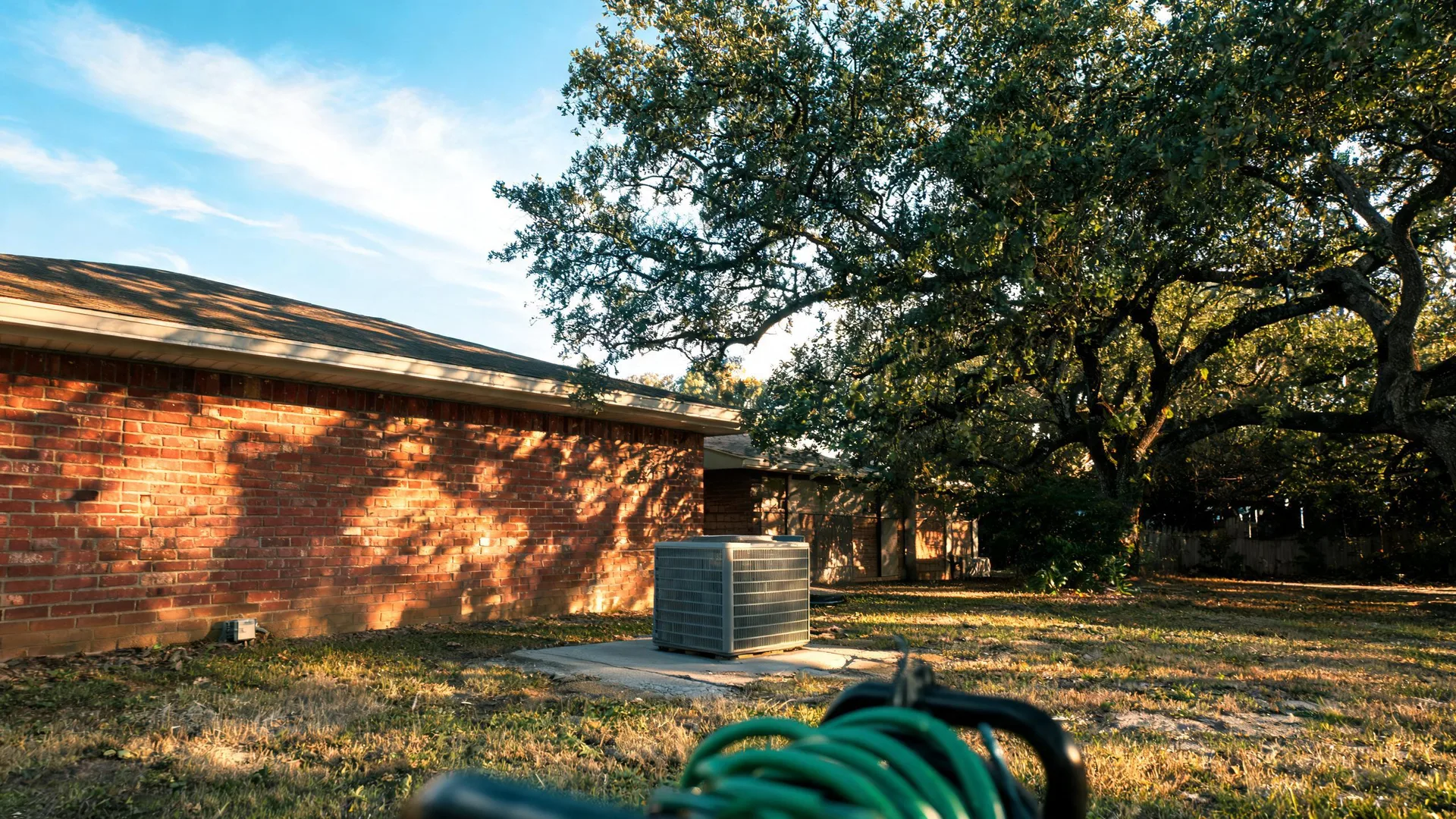
A rating only holds up if the install is right

The SEER2 number on the label is measured with the refrigerant charge exact and the airflow where it should be. An undercharged system, or one hooked to ductwork that can't move enough air, runs below that number for as long as you own it. A high rating on paper doesn't protect you from a poor installation.

An outdoor air conditioning condenser unit positioned beside a blue-sided house at sunset.

Going above the federal minimum saves little here, about $20 a year.

  • A higher-efficiency unit$180 a year
  • A new unit at the federal minimum, 13.4 SEER2$200 a year

Estimates for a typical Columbia County home, from EIA household energy data, New York fuel prices and NOAA climate normals. Your home will differ.

A new AC isn't just a swap at the condenser. The crew runs new line set if the old one doesn't match the equipment, pressure tests it, then pulls a vacuum to clear out moisture and air before any refrigerant goes in. That vacuum step matters more than people think, since trapped moisture turns to acid in the system over time. Inside, they'll check the coil and the air handler or furnace blower match the new unit's airflow needs, not just bolt the old ductwork to new equipment. Once it's charged, a tech checks refrigerant levels against the manufacturer's spec for the line length and the temperature that day, not just until the air coming out feels cold. A system can seem fine on a mild day and still be short on charge or airflow, and that won't show up until the first real heat.