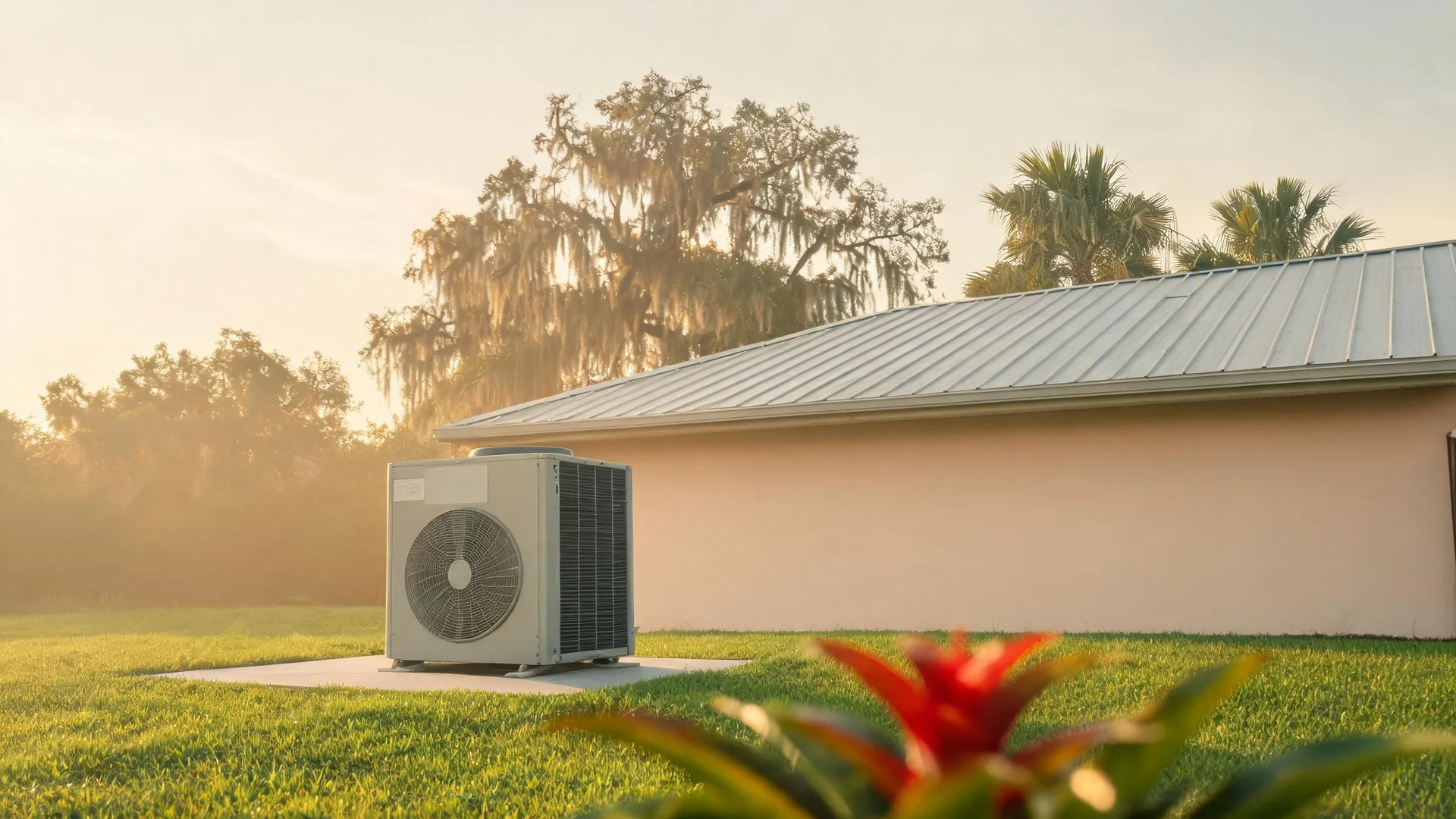
Most furnaces here run on oil
Oil heats more homes in Ulster County than gas, electric and propane combined. If your furnace came with an oil tank, a new AC installation usually pairs with that same setup rather than replacing it.
Takes about a minute. No obligation.
Oil heats more homes in Ulster County than gas, electric and propane combined. If your furnace came with an oil tank, a new AC installation usually pairs with that same setup rather than replacing it.
Central air runs on electricity no matter what heats your home in winter. The install is about matching the right coil and condenser to your ductwork, not about the oil tank in the basement.
NOAA nClimDiv, 1991–2020 normals
Cooling in Kingston only runs July and August.
Get a new AC installed in June and it's ready before the first hot week, not during it.



A standard size and efficiency rating is the right call for a Kingston install. There's nothing about this county's climate that pushes you toward oversizing or chasing the highest SEER2 number on the shelf. Electricity here runs 24.43 cents per kilowatt-hour, a bit above the national average, which makes a properly sized system worth more than a few extra efficiency points you won't use. A unit sized to your square footage and ductwork, installed correctly, is what keeps the electric bill in line. Bigger isn't better here. It just cycles on and off more and wears out sooner.
A standard install needs to hold up when the power doesn't. Ulster County logged 440 severe weather events over the past decade, including 372 damaging wind events and 33 winter storms. A correctly sized system with a straightforward install gives a licensed contractor less to go wrong when the weather turns, and less to recheck after.
Find a contractor
July and August are the only months this system has to work. Afternoon highs average 79 that stretch, which is mild as cooling loads go. A unit here isn't cycling against long stretches of real heat, so it isn't under much strain. That makes a standard system a reasonable bet to last out its years with normal upkeep, a filter change and a coil check before it starts back up each summer. Less work doesn't mean no work.
A contractor works out the right size by looking at square footage, window area, insulation and ceiling height. Not by matching the old unit or rounding up. Houses the same size can need different tonnage depending on how much sun hits the windows and how well the attic is insulated. Skipping this step and guessing is how the wrong size ends up on the slab.
A unit that's too big blasts the room down to temperature fast, then shuts off. It never runs long enough to pull humidity out of the air, so the room feels cold and clammy instead of comfortable. An undersized unit has the opposite problem. It runs constantly and still can't keep up on the hottest afternoons. Matching the size to the house avoids both.
Estimates for a typical Ulster County home, from EIA household energy data, New York fuel prices and NOAA climate normals. Your home will differ.
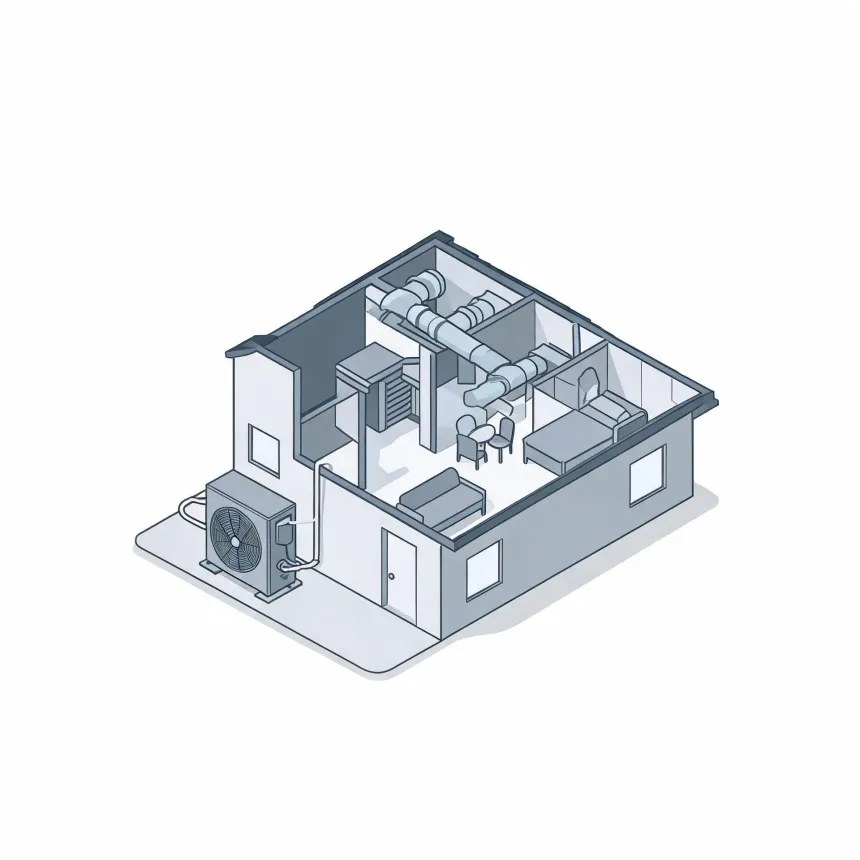
Installation day starts with what comes out. The old condenser and coil get disconnected, and the line set gets checked for wear before anything new goes in. The contractor sets the new condenser on its pad outside, mounts the coil at the furnace, and runs new line set if the old one isn't fit to reuse. Before any refrigerant goes in, the system gets pulled down to a vacuum to clear out air and moisture. Moisture left in the lines mixes with refrigerant and causes problems later, so this step doesn't get skipped. Refrigerant then gets weighed in to the amount the manufacturer specs for that unit, not added until the gauges look about right. Last comes the startup check. The contractor checks airflow across the coil, checks the temperature split between the air going in and the air coming out, and looks over the electrical connections before the cover goes back on.