





White colonial houses with lit windows photographed at dusk along a tree-lined residential street.

AC Maintenance in Manhattan, NY

Tell us about the job

Takes about a minute. No obligation.

Tune-up, service, or cleaningCentral ACNew York County, NY
Step 1 of 2

What ZIP code is the job in?

Electricity in New York runs 24.43 cents per kilowatthour, well above what most of the country pays. A dirty coil or a low charge makes your AC work harder to do the same job, and every extra minute it runs lands on that same expensive rate. In a lot of states that waste is easy to shrug off. Here it shows up on the bill every month the unit runs.

4 months
June through September, your air conditioner is on duty
84°F
the average summer afternoon it cools against
4 hail events
in ten years, and hail bends the fins on outdoor coils
32 wind events
in ten years, and wind drives debris into outdoor units
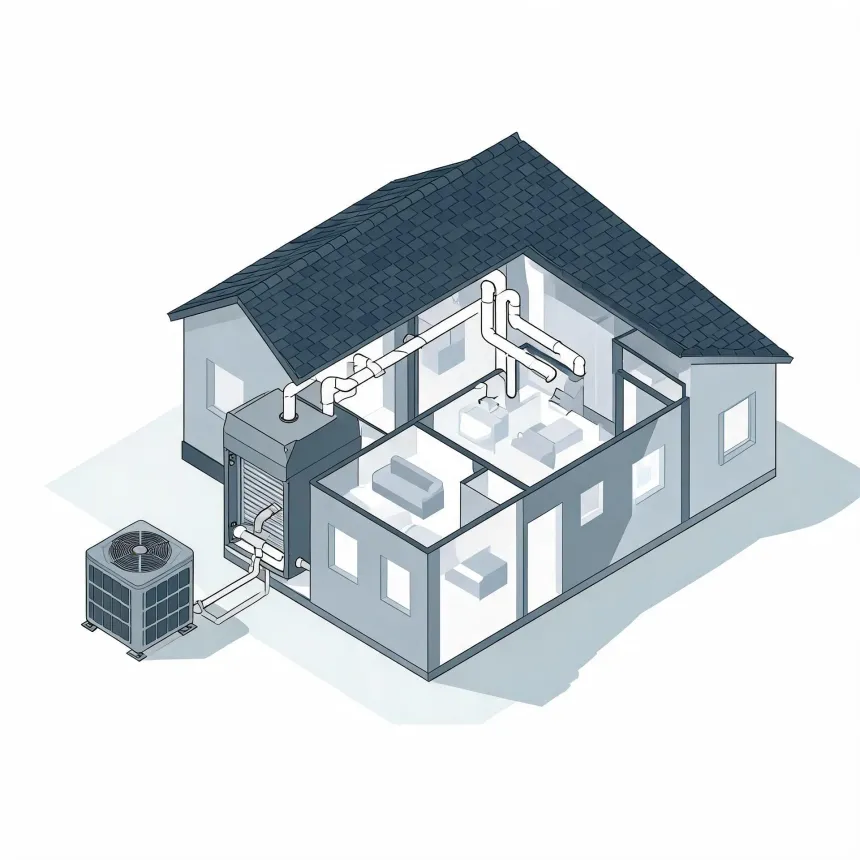
Isometric illustration of a cutaway single-story house showing interior rooms, ductwork running from an indoor air handler, and an outdoor condenser unit on a pad beside the building.
Your air conditioner works hardest from June through August.

NOAA nClimDiv, 1991–2020 normals

Half the homes in New York County were built in 1951 or earlier.

An AC in a house that old has usually been paired with ductwork and wiring from a different era, and a yearly check is what catches a part wearing out before it quits.

June is when it starts working. May is when it gets checked.

Cooling runs June through September
Climate zone 4A
Power costs 24.43 cents a kWh statewide

The filter is the cheapest part to deal with and the one most people forget about. Once it loads up with dust, air can't pull through it the way the system needs, and the coil behind it starts picking up what the filter should have caught. A dirty coil can't shed heat the way it's supposed to, so the system runs longer to reach the same temperature. Left alone, that same restricted airflow can let the coil get cold enough to ice over, and once it's iced, it stops cooling until it thaws out. The drain matters too. It carries off the water the coil pulls out of the air, and if it clogs, that water backs up into the pan and finds the nearest way out, usually down through the ceiling below. A yearly check is what catches whichever one of these is starting to go before it takes the others down with it.

A check now costs less than running it dirty all summer

That extra draw from a dirty coil or a low charge runs at 24.43 cents per kilowatthour whether anyone catches it or not. A yearly check is what finds it before it runs up the bill all summer.

Find a contractor
A man in a dark long-sleeve shirt and tan work pants climbs porch steps toward a dark green front door, carrying a worn canvas and leather tool bag, with a potted conical shrub beside the entry.
A gray cylindrical air conditioning condenser unit mounted on a concrete pad next to a light-colored vinyl-sided house exterior.

One visit a year, every year

One yearly check, booked before summer, is what catches a capacitor or a contactor going bad while it's still a quick fix. Skip a year or two and the same worn part can take the compressor down with it, and that's a different job entirely.

Change the filter yourself

The filter is the one part of the system built for the homeowner to handle. Pull it out, hold it up to the light, and if you can't see through it, it needs to be swapped or washed. A reusable filter just needs a rinse and time to dry before it goes back in. This is the one job that actually keeps the technician's visit from being about something that never needed to happen.

Keep the outdoor unit clear

The condenser outside needs open air around it to shed the heat it's pulling out of the house. Grass clippings, leaves, a fence built too close, anything that blocks the sides or the top makes it work harder for the same result. Walk past it now and then and clear what's piled against it. Beyond that, leave the refrigerant and the electrical side alone and let the yearly check handle it.

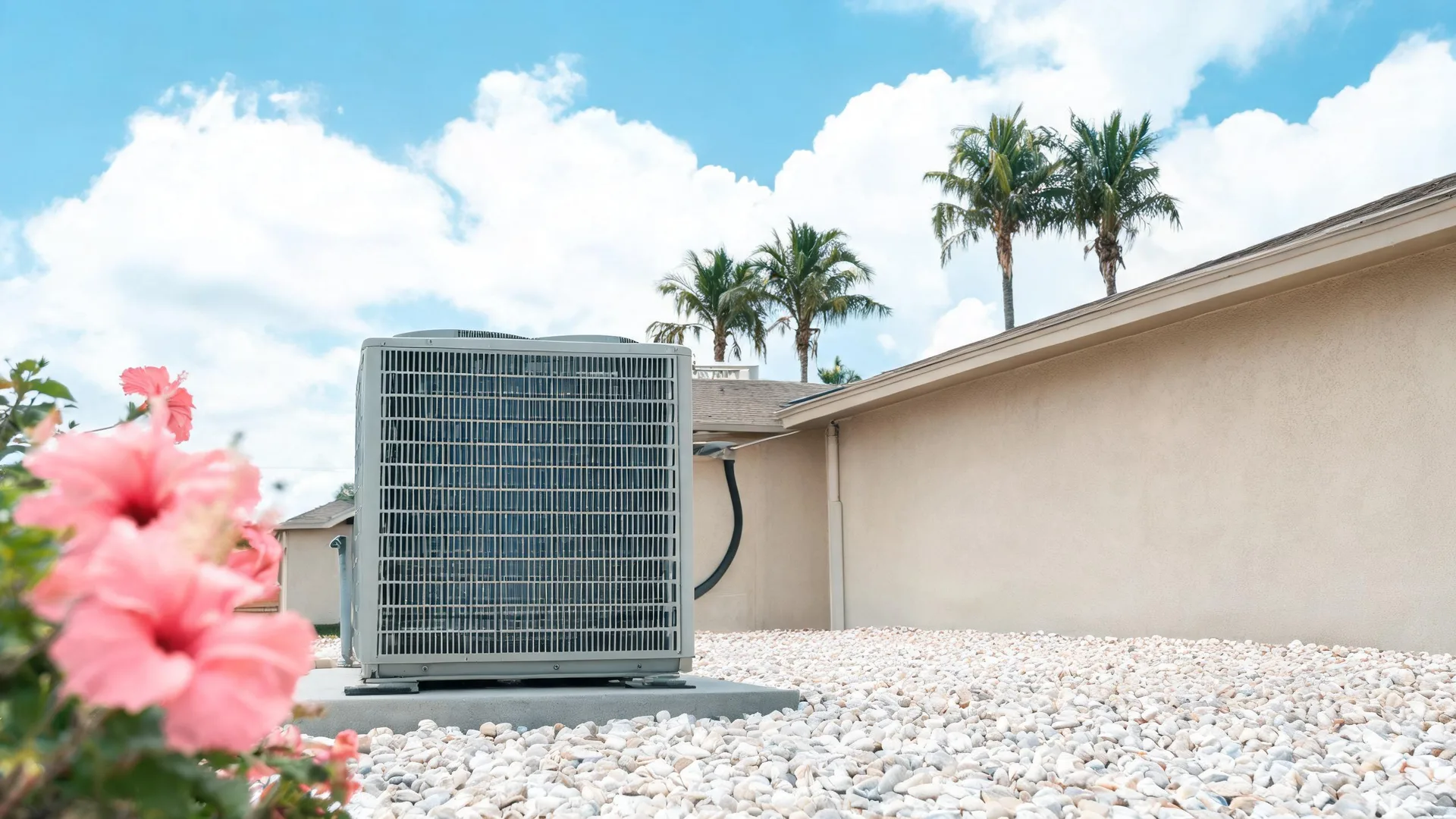
An outdoor air conditioning condenser unit on a concrete pad next to the gray vinyl siding of a residential home.

Book your AC tune-up in May, before homes here start needing cooling in June.

  1. Jan
  2. Feb
  3. Mar
  4. Apr
  5. May
  6. Jun
  7. Jul
  8. Aug
  9. Sep
  10. Oct
  11. Nov
  12. Dec

A tune-up checks the refrigerant charge, cleans the coils, tests the capacitor and tightens the electrical connections.

A tune-up starts with the refrigerant charge, checked against what the system calls for. Too little and the compressor runs long and still falls short of cooling the house. Too much and it can send liquid back to the compressor, which isn't built to handle it. The tech also checks the capacitor that gets the compressor and fan motor started, and the contactor that feeds them power. Both wear out slowly and tend to fail on the hottest day rather than give warning. The coils get checked and cleaned on both ends, indoor and outdoor, because either one caked with dirt can't move heat the way it should. Fan motors get tested under load, not just switched on. A motor can spin fine with no resistance and still fail once it's pulling air through a full coil. The condensate drain gets cleared so it keeps carrying water out instead of backing up into the pan. Last comes a full system cycle, watching how it starts, runs and shuts off, because a problem that only shows up partway through a cycle is the kind that gets missed by anyone just glancing at the unit.