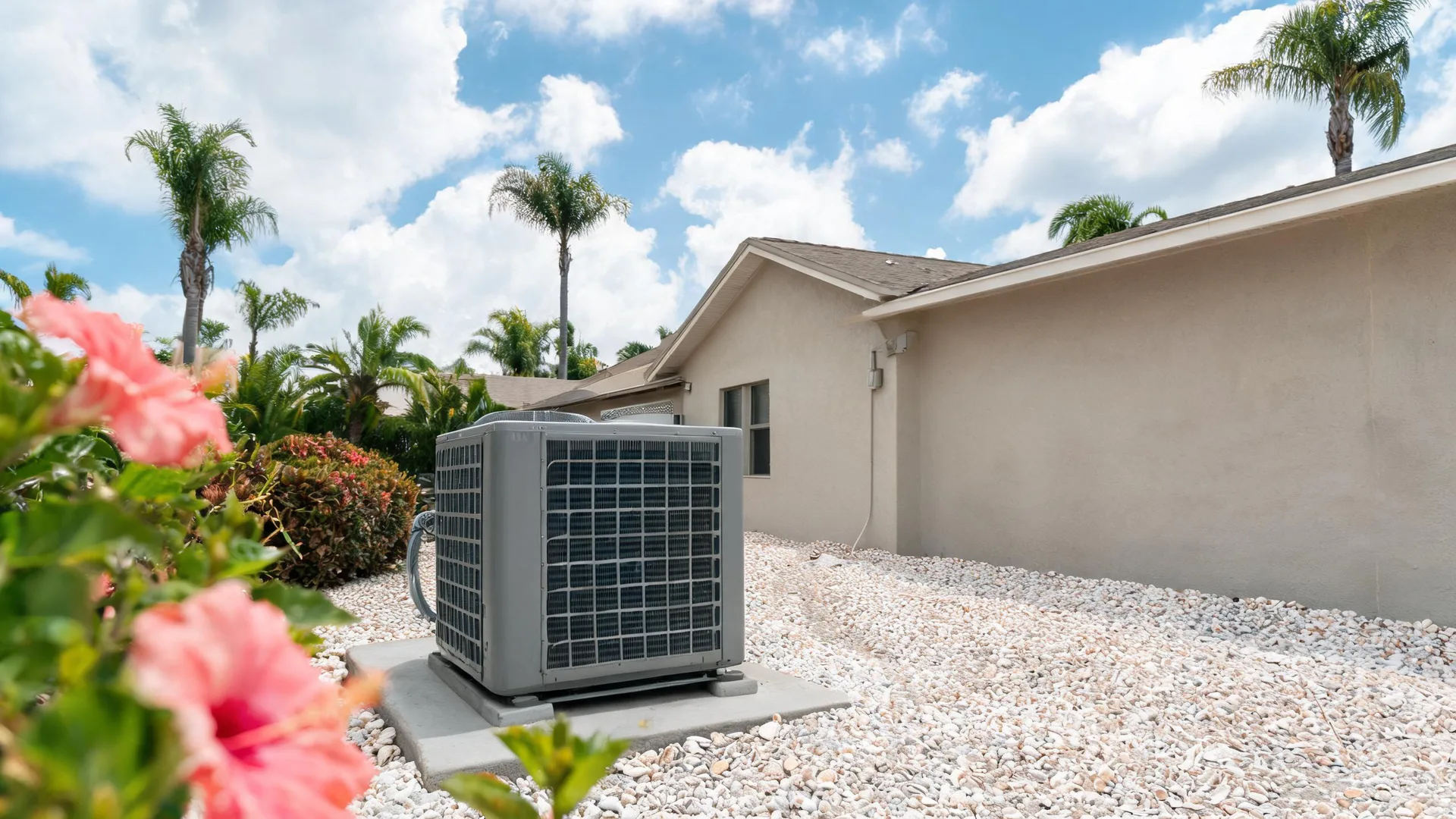
July asks a lot of it right away
Cooling in Massena only runs July through August. There's no gradual start to it. Your AC goes straight to working hard from the first week.
Takes about a minute. No obligation.
Cooling in Massena only runs July through August. There's no gradual start to it. Your AC goes straight to working hard from the first week.
A contractor can check the refrigerant charge and the electrical parts in June, before the heat shows up. Find a weak capacitor then, and it's a quick fix instead of a system that quits on the first hot day.

NOAA nClimDiv, 1991–2020 normals
Massena only asks for cooling two months a year, with afternoon highs averaging 77°F.
Your AC isn't straining against the heat most places deal with, so a yearly check is usually enough to keep it running.




Between visits, keep the area around the outdoor unit clear. Grass clippings, leaves and mulch pile up against the cabinet and block airflow across the coil, which makes the system work harder than it should. A couple feet of open space on all sides is enough. Check the air filter too, and swap it when it looks gray and clogged rather than on a fixed schedule. A dirty filter chokes airflow the same way a blocked coil does, and both show up as warm air at the vents or a system that runs longer than it used to. Inside, keep supply vents open and unblocked by furniture or rugs. None of this replaces a proper check of the refrigerant charge or the electrical parts, but it keeps the system from working against itself in the meantime.
Get it looked at once a year and that's usually enough. Book the check for June, ahead of the two months the system actually has to work.
Find a contractorA system that's losing ground usually tells you before it quits. Warm air at the vents when it's been running a while is one sign, especially if it used to blow cold within a few minutes. A longer run time is another. If it used to cycle off and now seems to run most of the afternoon, something's making it work harder than it should, whether that's low refrigerant charge, a failing capacitor, or a coil that isn't shedding heat the way it needs to. Ice on the copper line running to the outdoor unit means airflow or charge is off, not that anything's working extra hard. A clicking sound at startup that wasn't there before often means a contactor or capacitor is on its way out. None of these mean the system is done. They mean it's asking for a look before the part that's struggling fails outright on the hottest afternoon of the year.
A coil caked in dust can't shed heat the way a clean one does, so the compressor runs longer to do the same job. That extra run time wears on the parts underneath it, the compressor most of all. Skip enough years of cleaning and the system isn't due for a tune-up anymore, it's running on a compressor that's failing early.
A capacitor or contactor usually just works until the day it doesn't. There's no slow decline to catch if nobody's looking. A yearly check catches a capacitor that's reading weak while it's still a simple swap, instead of a dead system on the hottest afternoon of the year.
A tune-up checks the refrigerant charge, cleans the coils, tests the capacitor and tightens the electrical connections.
A proper tune-up starts outside at the condenser. The coil gets cleaned, not just rinsed, because caked-on dirt insulates it the same way a jacket would. The contractor checks refrigerant charge against what the system calls for, since too much or too little both make the compressor work harder than it should. The capacitor and contactor get tested under load, not just looked at, because a capacitor can read fine sitting idle and still fail the moment it has to start the compressor. Fan motor, blower wheel, and the electrical connections in the disconnect box get checked too, since a loose connection generates heat and that heat degrades the parts around it. The last step is running the system and confirming it actually cycles off, which tells you the thermostat and controls are talking to the equipment the way they should.