





Overhead view of a gray residential air conditioning condenser unit mounted on a concrete pad beside a house with asphalt shingle roofing.

AC Maintenance in Spring Valley, NY

Tell us about the job

Takes about a minute. No obligation.

Tune-up, service, or cleaningCentral ACRockland County, NY
Step 1 of 2

What ZIP code is the job in?

Electricity in New York ran 24.43 cents per kilowatthour in 2024, well above what most states pay. A dirty coil or a low refrigerant charge makes the compressor work harder to cool the same house, and that extra work shows up on the meter every month the system runs. A unit that has to strain gets expensive fast here in a way it might not somewhere with cheaper power. Regular maintenance keeps the system running the way it was built to, so it draws the power it should and nothing more.

3 months
June through August, your air conditioner is on duty
82°F
the average summer afternoon it cools against
11 hail events
in ten years, and hail bends the fins on outdoor coils
42 wind events
in ten years, and wind drives debris into outdoor units
Isometric line illustration of a cutaway house showing interior rooms with furniture and ceiling ductwork, connected to an outdoor condenser unit with a fan beside the building.
Your air conditioner works hardest from July through August.

NOAA nClimDiv, 1991–2020 normals

Warm air from the vents when the thermostat is set low means the system is losing its fight against the heat.

A tech can catch a failing capacitor or a dirty coil before either one leaves you without cooling at all.

June is day one for cooling here. May is when you book the check.

Cooling runs June through August
Climate zone 5A
Power costs 24.43 cents a kWh statewide

Three months of cooling a year, June through August, is a light load compared to most of the country, and that shows up in how these systems age here. An 82 degree average afternoon isn't asking much of a properly charged compressor. That means when something goes wrong here, it's less often a system that wore itself out and more often a part that sat unused all winter, or a connection that worked loose while the unit was off. A yearly check before summer catches the loose wire or the low charge early, and keeps a system with an easy season ahead of it from acting like one that's been pushed hard.

Have it checked before summer, not after the bill

A tune-up gets the coil clean and the charge right before summer, so the compressor isn't working harder than it has to at 24.43 cents a kilowatt-hour. That's what keeps a season of running the AC from turning into a season of paying for one that's straining.

Find a contractor
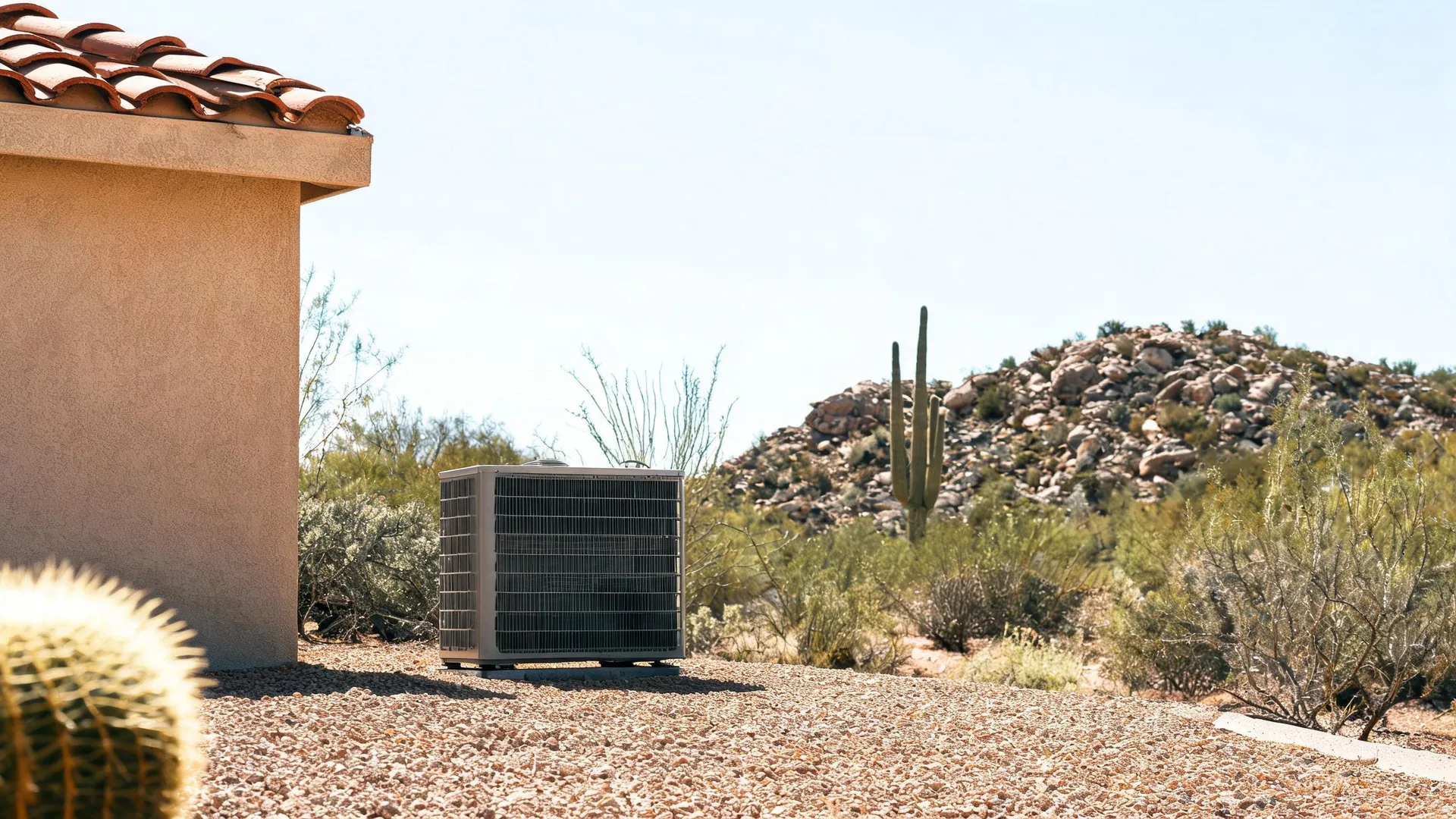
An outdoor air conditioning condenser unit mounted on a concrete pad surrounded by gravel, photographed against a partly cloudy blue sky.

Anyone can make it turn on

A thorough tune-up means the panel comes off. The tech has to see the blower wheel and the coil face, not just the filter, to know if either one is dirty. Checking refrigerant means hooking up gauges and reading the charge against what the system calls for, not asking how old the unit is and guessing. The capacitor gets tested under load, not just looked at for a bulge. A quick visit skips the gauges, skips pulling the blower housing, and checks that the system turns on and blows cold. That tells you it ran today. It doesn't tell you the coil is clean or the charge is right, and those are what decide whether it keeps running cold through a hot afternoon.

A dirty filter doesn't stay a filter problem

Airflow drops first, then the coil behind it starts icing over because it isn't getting enough warm air moving across it. Once ice builds up, the system can't absorb heat right, and a simple filter swap turns into a coil repair.

The capacitor gives warning, if anyone's listening

A weak capacitor makes the compressor or fan motor struggle to start, hesitating or humming before it kicks on. Caught early, a tech swaps out the part on its own. Missed, it can take the compressor down with it.

Overhead view of an outdoor AC condenser unit on a concrete pad next to a house with a dark shingle roof.

Book your AC tune-up in May, before homes here start needing cooling in June.

  1. Jan
  2. Feb
  3. Mar
  4. Apr
  5. May
  6. Jun
  7. Jul
  8. Aug
  9. Sep
  10. Oct
  11. Nov
  12. Dec

A tune-up checks the refrigerant charge, cleans the coils, tests the capacitor and tightens the electrical connections.

A proper tune-up starts with the coils. The tech cleans the outdoor condenser coil and checks the indoor evaporator coil, because dirt on either one makes the system work harder to move heat. The refrigerant charge gets checked against what the system calls for. Too little or too much both cut into how well it cools. The capacitor, the contactor and the wiring at the disconnect get checked too, looking for the kind of wear that leads to a no-start call. The tech checks the blower motor and the fan, confirms the thermostat is reading right, and clears the condensate drain so it isn't sitting somewhere it can back up. None of this is guesswork. It's the same handful of places this kind of system tends to fail, checked before they do.