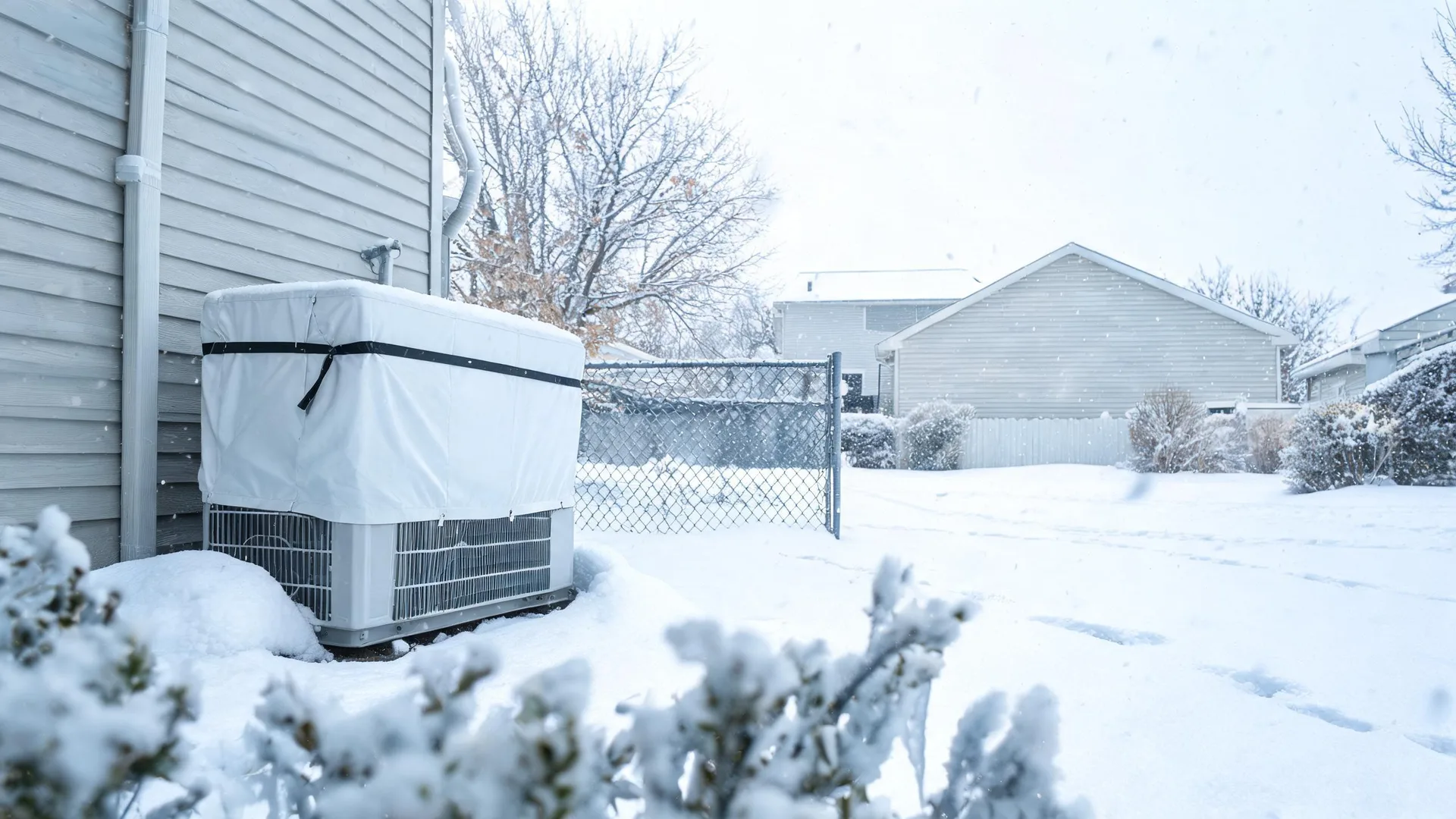
July asks a lot right away
Cooling here runs July through August. Your AC doesn't get a slow start, it goes from off to working hard in the first month.
Takes about a minute. No obligation.
Cooling here runs July through August. Your AC doesn't get a slow start, it goes from off to working hard in the first month.
Have the system looked at in June, before it starts running. A worn capacitor or low refrigerant charge is easier to catch before the unit has to carry two straight months of cooling.
NOAA nClimDiv, 1991–2020 normals
A quick tune-up checks that the system turns on and blows cold.
A thorough one tests the capacitor under load and checks refrigerant charge against what the system calls for, since both can look fine and still be close to failing.




A once-a-year check keeps up with a machine that only runs two months a year. June is the time for it, before the system starts running. Have the contractor check the capacitor, the refrigerant charge and the condenser coil while it's sitting idle. The load itself stays light all summer, so most of what a check turns up is ordinary wear, a part aging on its own schedule rather than one getting pushed past what it can handle. Catch that in June and it's a small fix. Leave it through July and August and the same part is working while it fails.
It starts running hard in the first month of the season here. Book the check the month before.
Find a contractor
Between visits, check the filter. A dirty filter chokes airflow across the evaporator coil, and when airflow drops the coil can get too cold and ice over. Pull it out and hold it up to a light. If you can't see through it, swap it. Keep anything planted or stacked away from the outdoor unit too. That fan needs open space to pull air through the condenser coil. Leaves or mulch piled against the housing make it work harder than it should. Inside, keep an ear out for anything new. A click that repeats. A hum that wasn't there before. Air coming out warmer than it used to. None of that needs a tool to notice, just attention. If the outdoor unit is running, step back a few feet and look at the coil fins. If they're caked with dirt or bent flat, leave them alone. Straightening or cleaning them is a job for the yearly check, not for between visits.
Skip the yearly check and dirt keeps building on the condenser coil. The coil can't shed heat as well, so the compressor runs hotter and stays on longer to reach the same temperature. A compressor that keeps running hot wears out faster than one that's kept clean.
A refrigerant leak too small to notice now is still leaking later. By the time it's low enough to cause warm air, the compressor has been running low on charge for a while, and that shortens its life. Caught early, it's a leak to seal. Caught late, it's a compressor to replace.
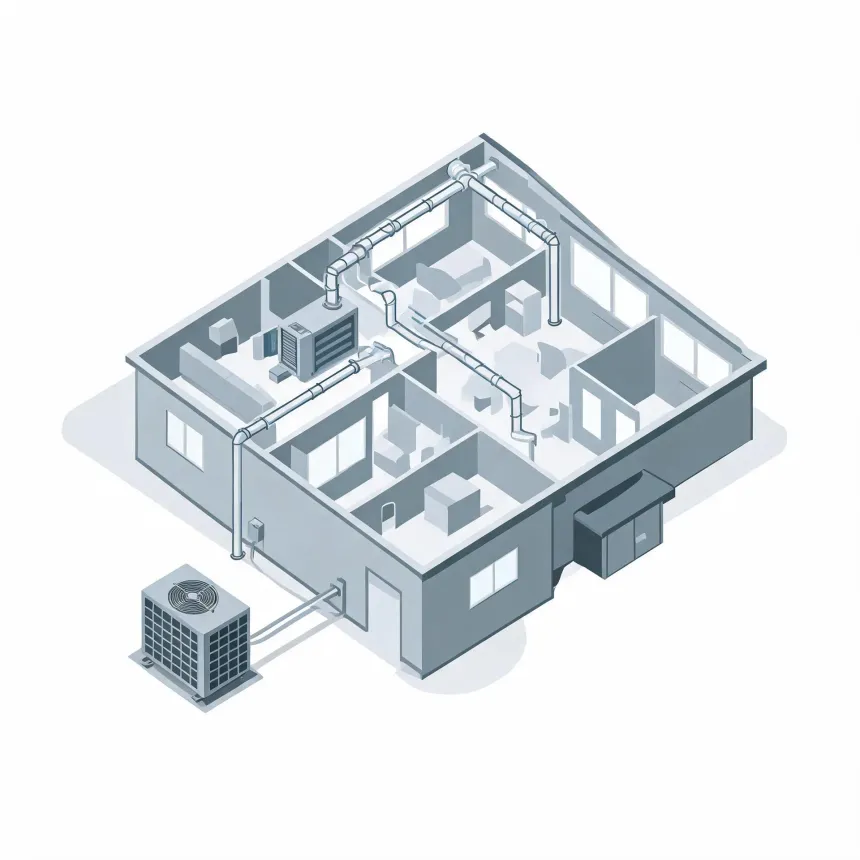
A tune-up checks the refrigerant charge, cleans the coils, tests the capacitor and tightens the electrical connections.
A tune-up starts outside. The contractor shuts down the unit and cleans the condenser coil, since a season of dirt and grass clippings sits on those fins whether you can see it from a distance or not. The capacitor gets tested under load, not just looked at, because a weak one can still turn the fan and still fail next week. Refrigerant charge gets checked against what the system calls for, too little and the coil runs cold enough to ice, too much and the compressor runs hotter than it should. They'll check the contactor for pitting, since that's a part that arcs a little every time it closes and eventually stops closing cleanly. Drain line gets checked too. A clogged one backs up and shuts the system down on its own, sometimes before anything else shows signs of trouble. None of this is guesswork, it's a fixed list, checked the same way every year.