

Can a mini split cool a whole house in Yonkers, NY

Send the form and the search for an installer is over.

Hand off my installation

A single mini split can cool a whole house only if it is sized and placed for that job, and most of the time one indoor unit cannot do it alone. A single-zone system cools the room it sits in well, but it cannot push conditioned air down a hallway or up a staircase the way central air does. What actually cools a whole house is a multi-zone system, with an outdoor condenser running several indoor heads, one in each main room, sized against that room's heat load. In Yonkers, where summer humidity makes a single undersized unit run constantly without catching up, that sizing matters even more. If your house has one mini split head and central air ductwork, the two are working on separate problems. A whole-house mini split setup is a different job than adding a unit to one room, and it starts with a contractor measuring each room, not guessing at it.

A white wall-mounted mini-split air conditioner installed near the ceiling on a light-colored interior wall, with a window and green foliage visible at the left edge.

One room, done right

A single mini split set up for the room it's in keeps that room even through a muggy Yonkers August. It cycles on and off as the thermostat calls for it, the air coming off the coil steady and cold. The rest of the house is somebody else's problem.


A dusty white wall-mounted mini-split air conditioner indoor unit installed high on a beige interior wall below a white ceiling and trim.

Asked to do too much

Point that same unit at the whole house and it runs nearly nonstop trying to cool rooms it was never sized for. Dust builds up fast along the intake grille when the system never gets a break. A coil working that hard stays dirtier, and a dirty coil cools even less.

What does it take to run a mini split here, month to month

  • Cooling runs June through August

    Cooling runs June through August. A single-zone system working that hard in a Yonkers summer has to be sized for the whole house, not just the room it sits in.

  • Heat runs October through May

    Heat runs October through May. If the mini split is your heat too, that's eight months of the unit carrying real load, not just a mild shoulder season.

  • Power here costs 24.45 cents per kilowatt-hour

    Power here costs 24.45 cents per kilowatt-hour. A system too small for the house runs longer to make up the difference, and every one of those hours costs more here than most places.

NOAA nClimDiv 1991-2020 · EIA-861 2025

A white wall-mounted mini-split air conditioner on a light gray wall in an empty room with dark wood flooring, white baseboards, a tray ceiling with recessed lights, and a window at the left.

One unit, sized for the job

This is what a mini split looks like when it matches the space it has to cool. Mounted high on the wall, running clean, the air coming off it cold enough to reach the far corners of the room without strain.

A wall-mounted mini-split air conditioner indoor unit with a yellowed plastic casing and dark horizontal vent louvers, installed on a plain light-gray wall.

One unit, asked to do too much

Dust on top and dark residue around the vents are signs of a unit working harder and longer than it should. Ask it to cool a whole house instead of one room and this is what the strain starts to look like.

A kitchen with green cabinets and a dark countertop holding potted plants, a wooden bowl and cutting board, with a closed laptop, ceramic mug, and glass vase of greenery on a rustic wooden table in the foreground.

What an undersized system means for your house

If the mini split in your house was sized for one room, you already know which rooms stay hot. The bedrooms down the hall, the finished basement, the upstairs in July. You run window units in those rooms, or fans, or you just close the doors and give up on them till September. That's the real cost of a system that's doing one room's job and being asked to do the whole house's.

It also means the unit you have runs harder than it should, cycling on and off trying to pull the temperature down in a space it was never built to cover. Finding out whether your house needs a second zone, a different kind of system, or ductwork run to the rooms that need it takes someone looking at your house, not a guess. Once you send the details through, you're done calling around Westchester County for quotes and explaining the same problem three times over. Someone takes it from there.

Interior corner of a room with a dark upholstered sofa and textured cushion, a potted plant, sheer curtains at a multi-pane window showing blurred green and yellow trees, and a dark table holding a wooden tray with stacked coasters and a small ceramic vase.
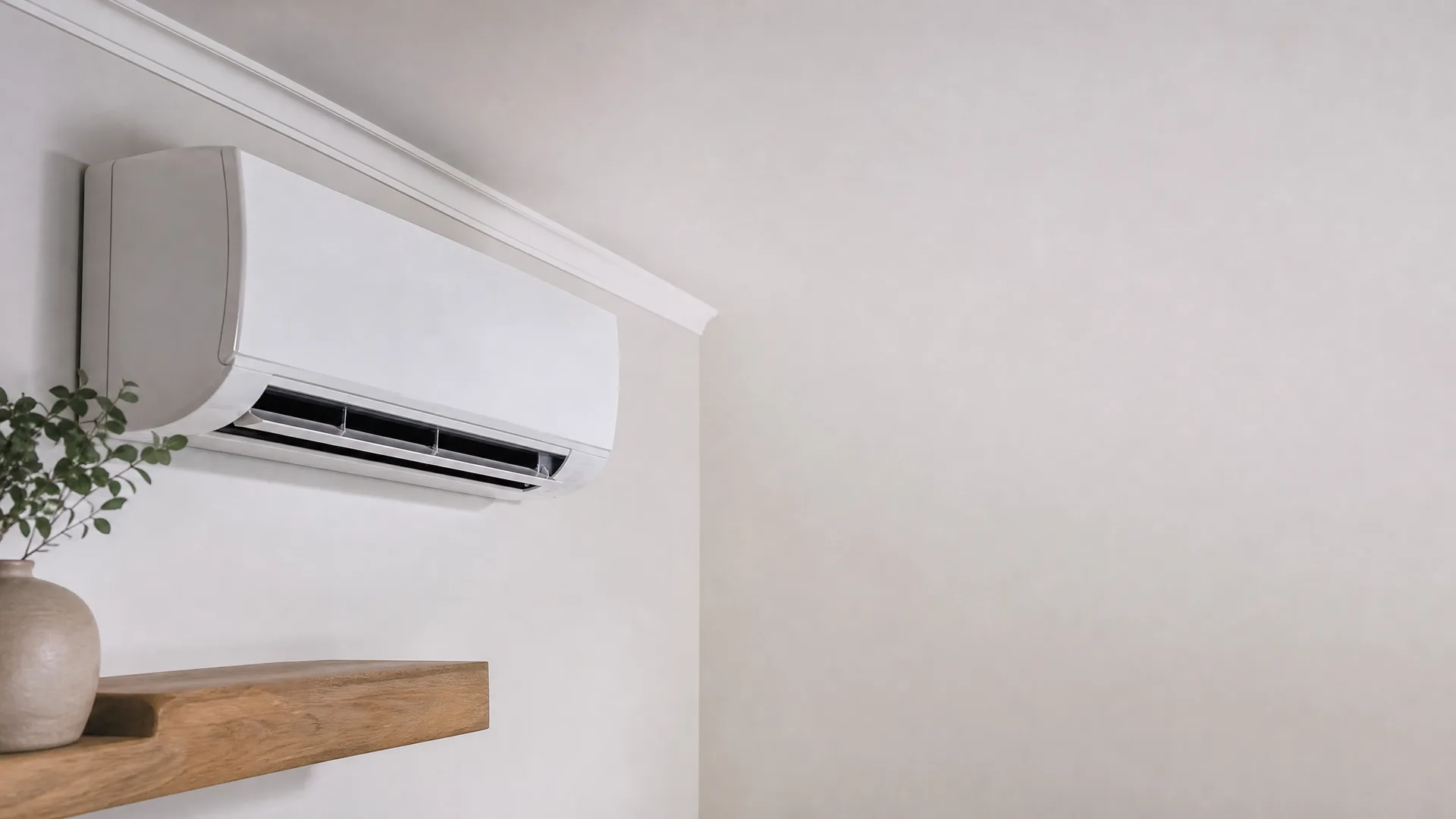
A white wall-mounted mini-split air conditioner installed high on a light beige interior wall below a white crown molding, with a wooden floating shelf holding a ceramic vase of green foliage at the lower left.

Why one coil has a limit

A mini split's indoor unit holds one coil and one fan, built to move air across the room it sits in. That fan pushes air a few feet past the unit, not down a hallway or through a closed door. A multi-zone system solves this with a separate indoor unit in each room, all run off one outdoor condenser, so every room gets its own coil instead of borrowed air from someone else's.

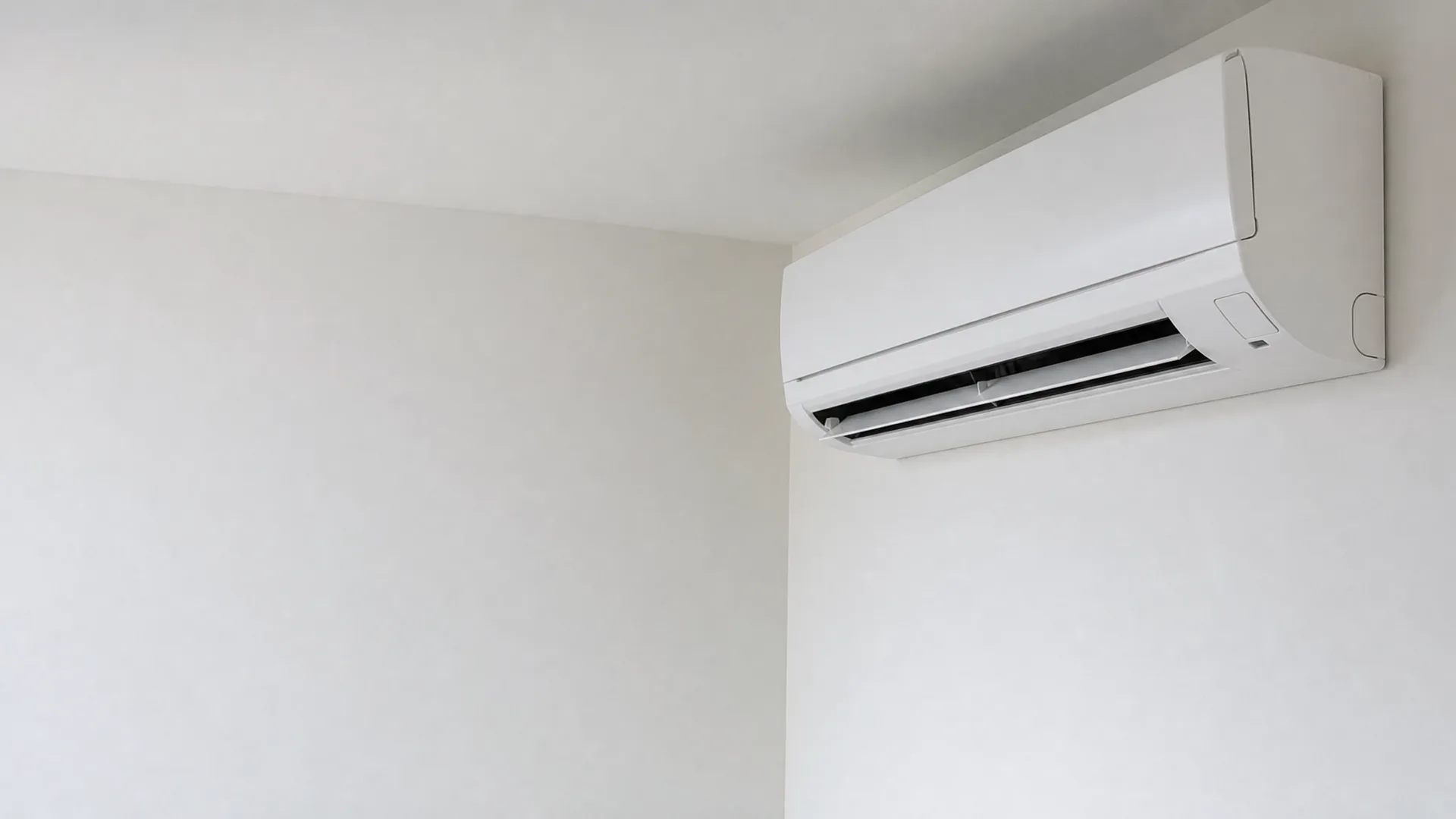
A white wall-mounted mini-split air conditioner installed near the ceiling in the corner of a plain white room.

What the outdoor unit has to match

The outdoor condenser has to be sized for the total load of every room it serves, not just the biggest one. Add a zone without resizing it and the condenser runs longer to keep up, which shows up on the power bill before it shows up as warm air. A contractor sizing a whole-house system works backward from square footage and window exposure in each room, then picks the condenser to match.

Why can't I just add another indoor unit instead of redoing the whole system

You already have a mini split and one room that never gets cool enough. Adding a second indoor unit sounds like the cheaper fix, since the outdoor unit and the line set are already there. Before you call someone to quote just the one extra head, it helps to know what the outdoor unit can actually support and where that plan runs into trouble.

Your outdoor unit was sized for the zones it already runs

A single-zone outdoor unit is matched to one indoor head, built to move a set amount of refrigerant and nothing more. Adding a second indoor unit means that outdoor unit now has to split its output across two coils, and most single-zone condensers were never built with that extra capacity in reserve. The room you already have cooled would lose some of its output to the new one, especially on the hottest days when both are calling for cooling at once. A multi-zone outdoor unit is built differently from the start, sized to feed several indoor heads at once without starving any of them. That is a different outdoor unit, not an addition to the one on your wall now.

  1. A contractor measures every room's square footage and heat load.

  2. Window orientation, insulation and ceiling height adjust that load.

  3. Total load determines how many zones the system needs.

  4. Each indoor unit is matched to its own room's load.

A bearded man in a gray fleece pullover sits with eyes closed in a brown leather armchair in a living room, with a floor lamp, bookshelf, potted plants, a side table holding newspapers and a dark mug, and a bright window behind him.
A man in a gray fleece jacket sits reclined in a leather chair with his eyes closed, in a room with bookshelves, a table lamp, a window, and a desk holding a folded newspaper and a dark mug.
A man in a blue henley shirt reclines on a leather chair with his eyes closed, beside a window, a houseplant, a side table with a newspaper and a dark mug.
A man in a navy sweater reclines with closed eyes in a beige armchair in a living room, with a lamp, wooden cabinet, bookshelf, potted plant, and a side table holding a newspaper and mug nearby.

Stop chasing a mini split pro

You've read enough by now to know where your house stands. One indoor unit cools one room, and if that's what you have, the rest of the house was never part of the plan. Fixing that means a contractor sizing the whole house properly, room by room, and matching zones to the load. That's a different job than the one you have now, and it's not something to work out by trial and error with a second indoor unit bolted onto the same outdoor condenser. Finding someone in Yonkers who does this kind of load calculation correctly, who'll walk every room instead of guessing, takes calling around, explaining the same thing more than once, and sorting through quotes that don't match up. Send the request instead. One contractor gets it, sized for your house, and the search that was sitting on your plate is gone.

A room that's hot in July because the system was never sized for it will still be hot in July next year. Nothing changes on its own.

A system sized room by room, with each zone matched to its own load, keeps every room even through the same August. The difference is in the planning, not the equipment.

A wall-mounted mini-split air conditioner indoor unit with a dusty, discolored cover, installed near the ceiling on a plain light-colored wall.
Before you get your mini split installation
A white wall-mounted mini-split air conditioner unit installed high on a light gray interior wall below crown molding, with a bamboo-shaded window at the lower left.
After you get your mini split installation
A two-story house with light gray horizontal siding and white-trimmed windows, set behind a mown lawn with shrubs, flanked by large green trees, with a sidewalk and wet street in the foreground.

That stickiness you feel in July isn't just the temperature. Across Westchester County, the summer dew point averages 62°F, which is the number that decides how heavy the air actually feels, according to NOAA climate data. A mini split sized for one room can bring that room's temperature down fast, but pulling the moisture out of a whole house takes longer, since the indoor coil has to run longer cycles to wring the humidity out of air it's not even reaching. If your system only covers the living room, you'll feel the difference the second you walk into the bedroom down the hall. The air there stays thick even if the thermometer says it's not that hot.

NASA POWER T2MDEW

Why does your upstairs stay hot no matter how long the mini split runs

You hear it running. The air coming out near the unit is cold. But walk to the far bedroom, or down to the basement, or up the stairs, and the air feels the same as it did an hour ago. That's not the system struggling, it's the system doing exactly what it was built to do, just for a space smaller than your house. A single indoor unit has no way to push cool air past the room it's mounted in. Left alone, that gap doesn't close on its own. You end up running a window unit in the bedroom, keeping a fan going in the basement, or just living with the upstairs the way it is every July and August.

A white wall-mounted mini-split air conditioner installed high on a beige interior wall below crown molding, with a window and light curtain on a black rod at right.
Clean coil, steady airflow, one room cooled the way it was meant to be.
A wall-mounted mini-split air conditioner indoor unit with a dusty off-white casing and dark lower vent, installed high on a plain light-colored wall below a ceiling molding.
Dust like this means the fan has been pulling harder for air, not just long enough to notice.
An older man with gray hair in a dark blue henley sweater leans back on a beige sofa with his eyes closed, beside houseplants and bright windows.
A woman in a cream knit sweater sits in an armchair with her eyes closed beside a window showing orange autumn foliage, with a lamp behind her and a cup of tea and white flowers on a side table.

Where your house actually stands

  • A single mini split cools the whole house only when it was sized and zoned for that job from the start.
  • One indoor unit cools the room it hangs in well, and the rooms past that room stay whatever temperature they already were.
  • Multi-zone systems with a unit in every room are what get a whole Yonkers house even through August.
  • Checking what your system is actually doing beats hoping it changes on its own in July.
  • Finding a contractor who sizes room by room, instead of calling around and explaining the same hot upstairs bedroom to each one, is the part that's over once you send the form.

A mini split can cool your whole house. It just has to be the right one, sized and zoned for every room from the start, not one indoor unit asked to do a job it was never built for. That's the plain answer to what you came here looking for.

If what you have now is a single zone, you already know the shape of the problem. The room with the unit is fine. The hallway past it, the far bedrooms, the basement in August, none of that changes because the air from one coil doesn't reach that far. It didn't change last summer and it won't change this one either, no matter how long the system runs trying.

A system built for the whole house looks different from the start. A contractor works out the load room by room, accounts for the windows and the insulation and the ceiling height in each one, and puts a matched indoor unit wherever the load calls for it. Every room gets conditioned air because every room was part of the plan.

Getting there usually means finding someone who'll actually measure the house instead of guessing, then explaining the hot upstairs bedroom and the warm basement to three or four contractors before you get quotes you can compare. Sending the form is where that part ends. The sizing and the installation are still real work for a real contractor to do right. But the search for who's going to do it stops being yours to carry.

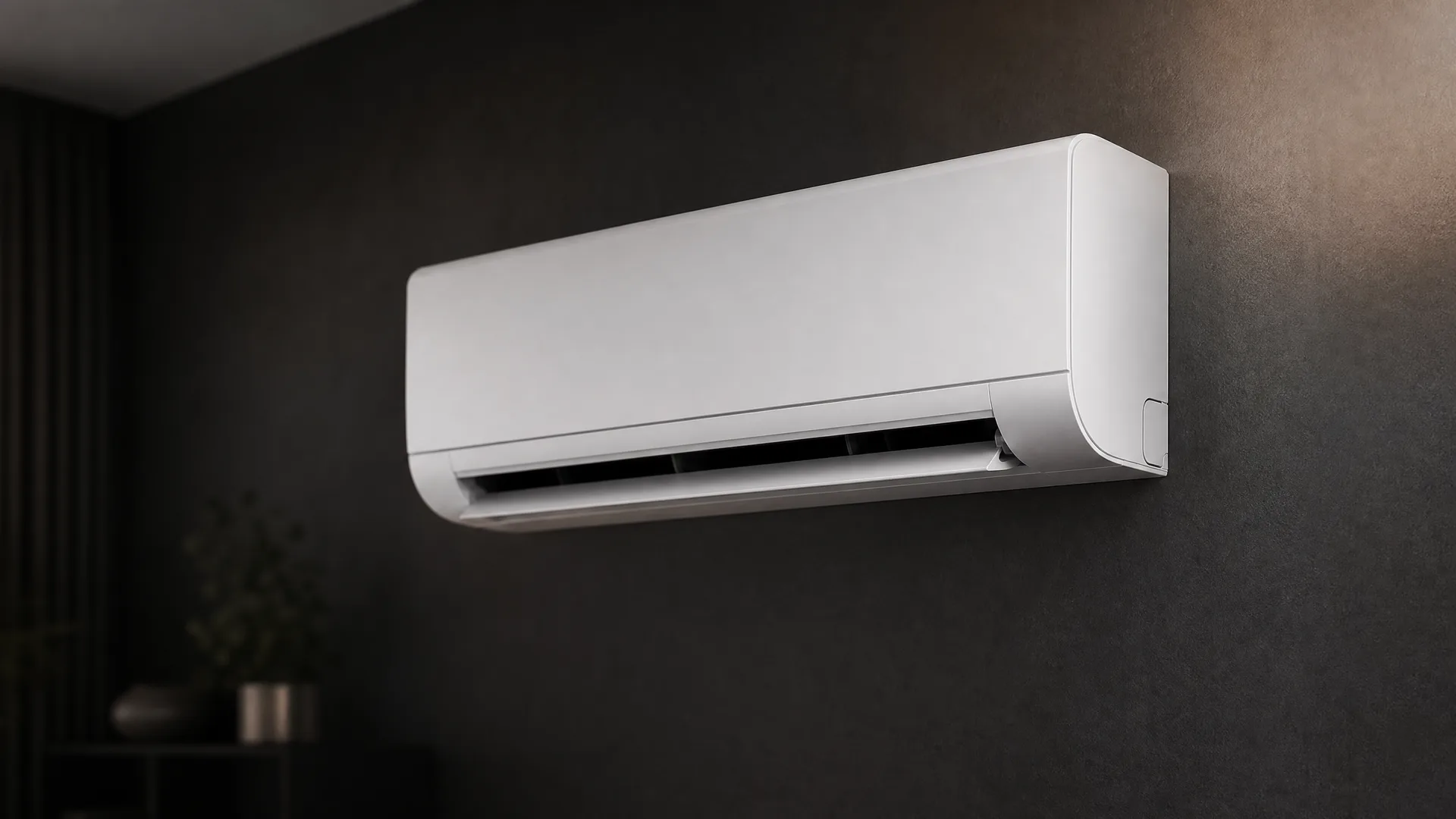
A white wall-mounted mini-split air conditioner on a dark gray interior wall, with a plant and low cabinet dimly visible at the lower left.

Send one request and you're done looking

New system or replacementMini-splitWestchester County, NY
Step 1 of 2

What ZIP code is the job in?