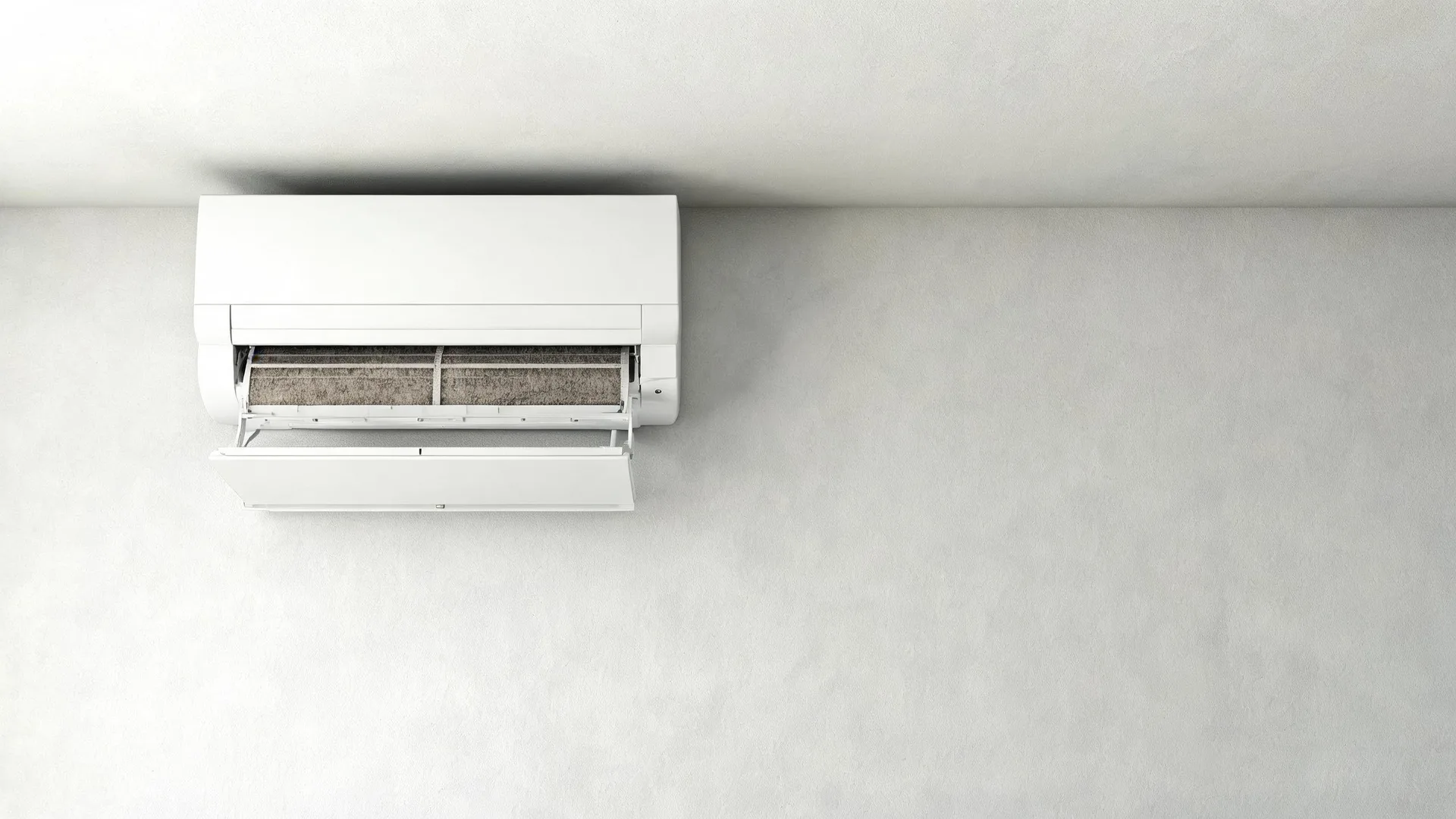
Electricity here runs 25.49 cents a kilowatt-hour
That is higher than what most US counties pay, and a mini-split runs on electricity alone. Every hour it runs shows up on the bill at that rate.
Takes about a minute. No obligation.
That is higher than what most US counties pay, and a mini-split runs on electricity alone. Every hour it runs shows up on the bill at that rate.
A mini-split with a higher efficiency rating moves the same heat or cool air using less electricity. At Hempstead's rates, that difference on the rating sticker is what separates a manageable bill from a steep one.
NOAA nClimDiv, 1991–2020 normals
Half the homes in Nassau County were built in 1955 or earlier.
A mini-split going into one of these houses has to match the house, not a generic spec sheet.



Cooling here runs June through September. May is the month before it starts, and that's the month to get a mini-split in. Installation takes planning: where the outdoor unit sits, how the line set runs, what size the space actually needs. None of that is work to rush through in the first hot week of June when the old system has already quit. Get it done in May and the system is already running right by the time summer settles in. Wait, and you're scheduling around whatever opening you can find, not the one that works best for your house.
The rating on the sticker decides what this system costs to run, not just this summer but every summer after. An install that's sized right and set up correctly is what gets you that rating in practice, not just on paper.
Find a contractor
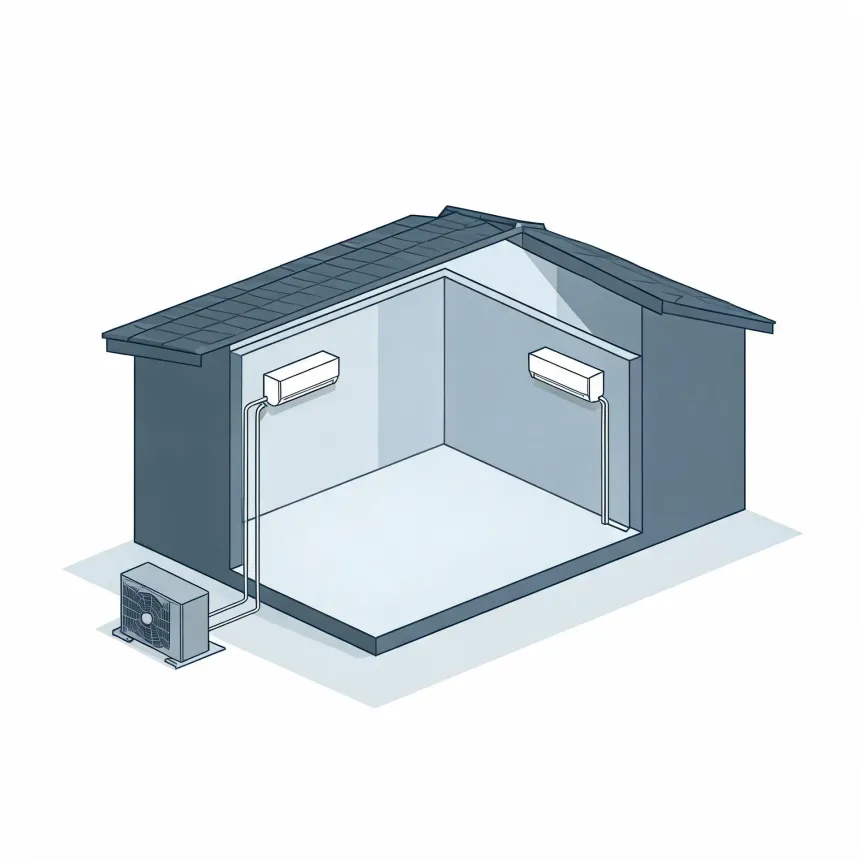
An installer starts outside, walking the wall where the outdoor unit might sit. It needs clearance on all sides for airflow, a surface that won't transmit vibration into the house, and a path back to the indoor head that doesn't fight the building's framing. Once that line set route is picked, the holes get drilled, the line set gets run and insulated, and the electrical gets pulled to its own circuit. The indoor head mounts, the line set connects to it, and the system gets evacuated with a vacuum pump to pull out moisture and air before any refrigerant moves. That vacuum test matters more than almost anything else that happens that day. A system charged without a proper vacuum will run, for a while, and then start losing capacity as moisture works against the refrigerant. Once the vacuum holds, the refrigerant gets released from the outdoor unit, the charge gets checked against what the line length calls for, and the system gets powered up and tested on both heat and cool before anyone leaves.
The efficiency rating compares the heat a mini-split moves against the electricity it takes to move it. A higher rating means the compressor and the outdoor coil are doing more work per watt. It's not a measure of power or capacity, and a higher rated unit doesn't cool or heat a room faster. It just does the same job on less electricity.
A mini-split hits its rated efficiency only when the line set length, the refrigerant charge, and the airflow across the indoor coil are all correct. Too long a line run, a charge that's off, or a return path that's restricted and the system works harder than the rating assumes. The sticker describes the equipment. What it actually costs to run depends on how it's installed.
A few questions tell you more than any spec sheet. Ask how many zones the quote is based on, and why that number. One outdoor unit can run multiple indoor heads, but only up to a point, and past that point comfort and efficiency both suffer. Ask what happens at the lowest winter temperatures this unit is rated for, since not every mini-split keeps producing heat once it gets cold enough, and some drop off hard right when you need them most. Ask who handles the warranty, the manufacturer or the installer, and what voids it. A refrigerant line set that's brazed wrong or a system that's never had its charge verified can void coverage before it ever gives you trouble. Get the answers in writing, not as a verbal assurance.
Nassau County sits in climate zone 4A, a mixed zone that asks real work of both heating and cooling. Any mini-split installed here has to meet the federal split-system heat pump minimums, since the standard treats ductless systems the same as any other split system. For a unit manufactured on or after January 1, 2023, that means at least 14.3 Btu of cooling delivered for every watt-hour it draws, and at least 7.5 Btu of heat for every watt-hour in winter. Those numbers set the floor. A contractor quoting something below it isn't quoting a legal install.