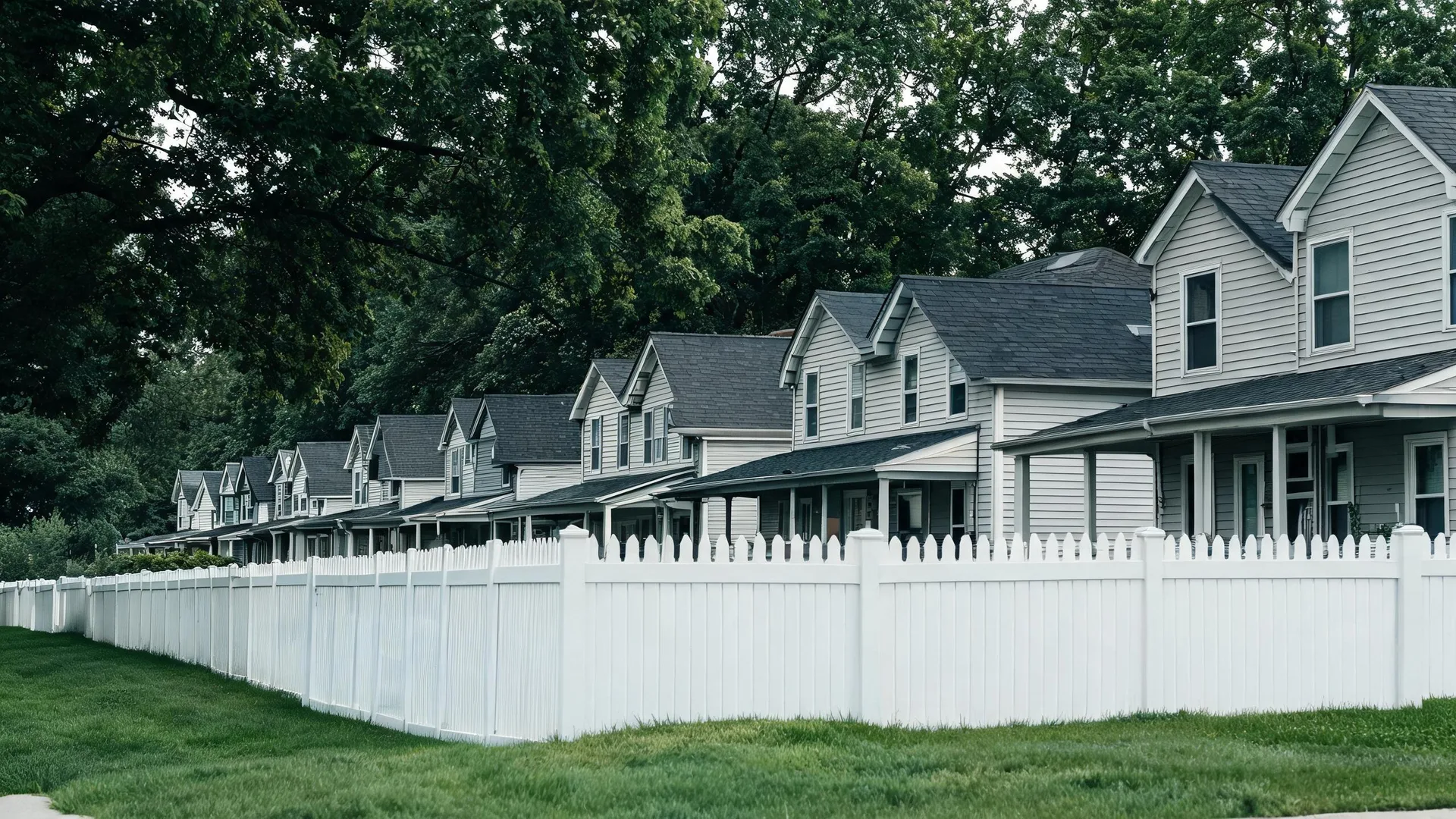





A row of similar two-story houses with gray siding and dark shingled roofs stands behind a long white vinyl fence, with mown grass in the foreground and large trees behind.

Mini Split Installation in Schenectady, NY

Tell us about the job

Takes about a minute. No obligation.

New system or replacementMini-splitSchenectady County, NY
Step 1 of 2

What ZIP code is the job in?

Gas heats most homes in Schenectady County, close to seven in ten. A mini split works differently. It runs on electricity, and it both heats and cools from the same unit. For a home with gas furnace heat and no central air, a mini split is often the easiest way to add cooling without new ductwork. For a home with electric baseboard, it can take over as the main source of heat and still cool in summer. Either way, the install comes down to where the indoor units go and where the outdoor unit can sit.

8 months
October through May, your system heats
2 months
July through August, it cools
17°F
the average winter night it heats against
79°F
the average summer afternoon it cools against
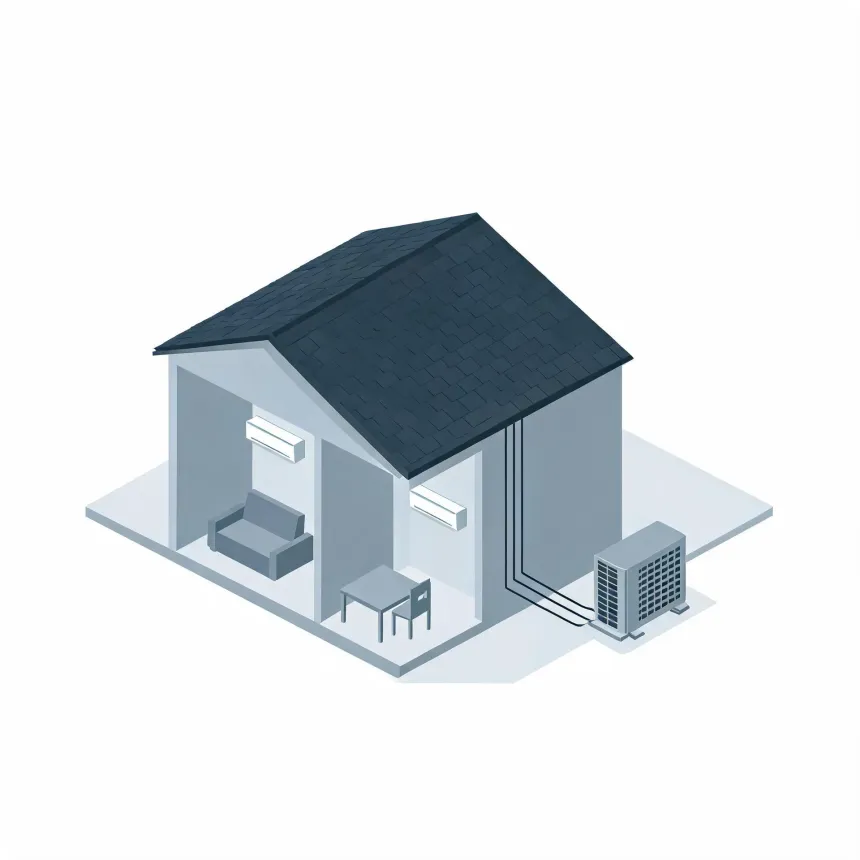
Isometric illustration of a cutaway house with a dark shingled gable roof, showing two wall-mounted indoor air handlers, a sofa, table and chair inside, and refrigerant lines running to an outdoor condenser unit beside the building.
Your system heats October through May and cools July through August.

NOAA nClimDiv, 1991–2020 normals

Electricity in New York runs 24.43 cents per kilowatthour.

A mini split that's sized right for the room keeps that cost down. Oversizing it doesn't heat or cool any better, it just cycles more.

Half the homes here were built in 1956 or earlier, and the mini split has to fit the house, not the other way around

Half the homes here were built by 1956
Cooling runs July through August
Summer afternoons average 79°F

Schenectady County sits in climate zone 5A. That's a cool zone, and heating is the bigger load here, not cooling. A mini split sold new still has to clear the federal minimum for a split system. That's 14.3 SEER2 for cooling and 7.5 HSPF2 for heating. The standard doesn't set a separate, lower bar for ductless units, so this is the floor whatever gets installed has to meet. It narrows what can go in, but it also means the unit is rated to carry the heating side of the job here, not just the cooling.

Summers here don't ask much of a mini split. Size it for the job, not the extremes.

Cooling only runs about two months here, July and August, with afternoon highs around 79. A mini split in this county is doing its heaviest work on the heating side, not the cooling side, so there's no reason to pay for more cooling capacity than the summer here asks for. Size it to the room and the job, not the hottest system on the shelf.

Find a contractor
A man in a cap, dark long-sleeved shirt and brown work pants climbs porch steps toward a dark green front door, carrying a canvas tool bag filled with hand tools.
A white mini-split air conditioner outdoor condenser unit mounted on metal brackets against a beige stucco exterior wall, with a blue sky and scattered clouds in the background.

It runs most of the year, not just in summer

A mini split doesn't get a season off to rest. The compressor and outdoor fan run every time the system calls, and in a cool climate zone where heating carries the bigger share of the work, that compressor is cycling most months, not just during a stretch of hot weather. The part that actually needs attention on a schedule is the filter in the indoor head. It catches dust out of the air passing over the coil, and when it's clogged the head has to run longer to move the same heat or cooling, and the coil can ice up on the cooling side or struggle to pull enough warm air across it on the heating side. The line set and the refrigerant charge inside it are sealed at install and should outlast nearly everything else in the system, as long as nothing punctures or kinks them later. What wears is the compressor and the fan bearings, turning on and off through most of the year instead of sitting idle. That's not a sign of trouble ahead. It's just a reason the filter can't be the thing that gets forgotten.

How many rooms it covers

A single indoor head handles one zone. Cover more rooms and you need either more heads tied to the same outdoor unit or a bigger outdoor unit to run them, and both add cost over a single-zone setup. The right count of heads depends on which rooms actually need their own thermostat, not just the floor plan.
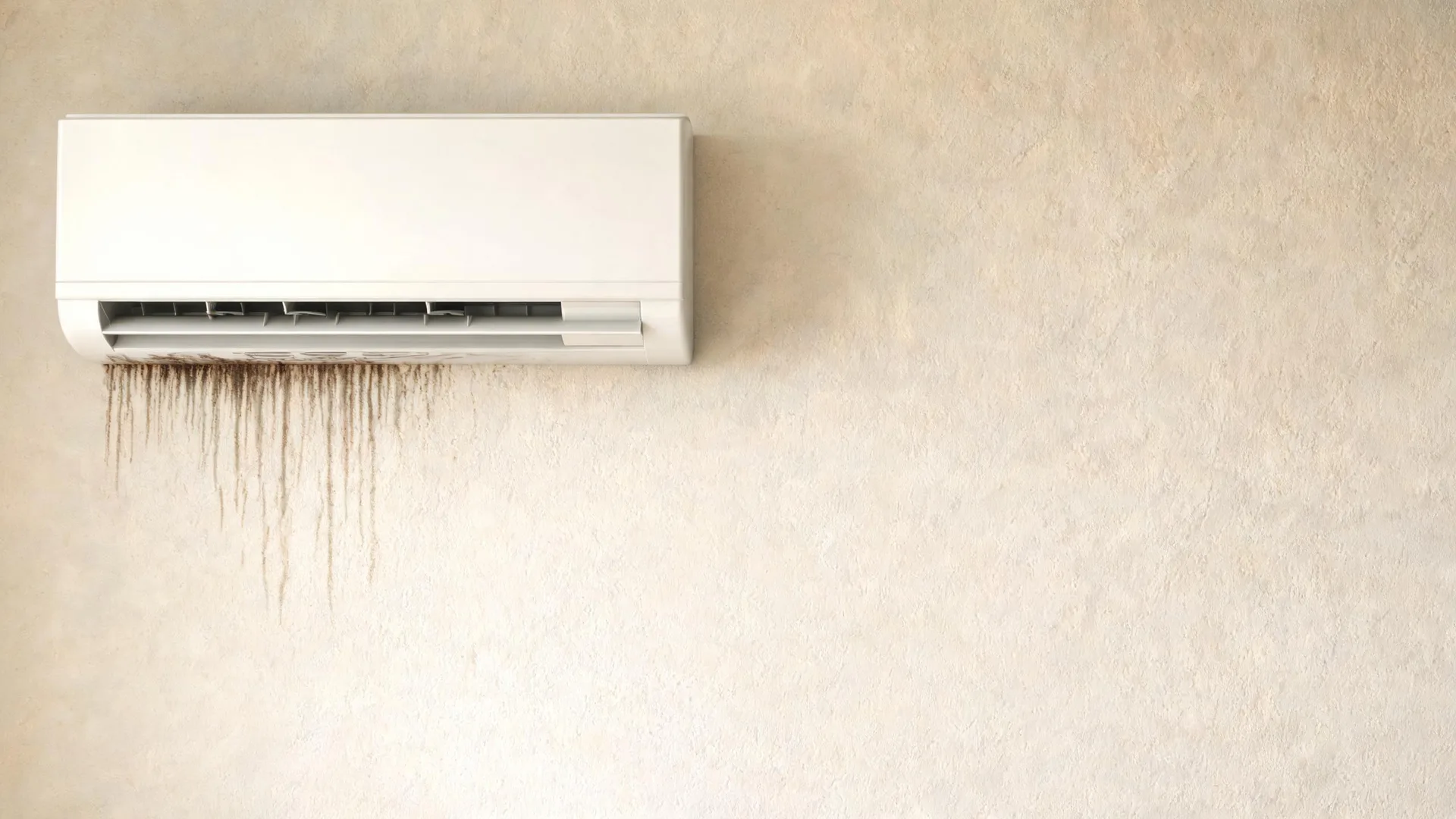
Where the outdoor unit can go

The outdoor unit needs a clear spot on an exterior wall or the ground nearby, with room around it for airflow and a straight path to the indoor head. A line set that has to run far, or bend around framing, or climb through more than one floor, takes more refrigerant line and more labor than a short, direct run.

The SEER2 and HSPF2 numbers on the label aren't the whole story once the unit's hanging on the wall. They're measured under set lab conditions, not the actual room with its sun exposure and door traffic and however many people are in and out of it. What actually determines the efficiency you get is whether the unit is sized to the room and whether it was installed right, the line set charged properly, the indoor head placed where it can read the room and not a draft. A high rating on an oversized or badly matched unit still cycles on and off more than it should, and that costs more than the rating on the box would suggest. The number tells you the ceiling. The installation decides how close you get to it.

The outdoor unit goes up first, usually. It gets mounted on brackets against the exterior wall or set on a pad nearby, leveled, with enough clearance to pull air through the coil. From there the installer runs the line set to each indoor head, through a wall penetration that gets sealed once the lines are through. Each indoor head is hung on a mounting plate, not resting on anything, and has to sit level for the condensate to drain the right way. The lines get connected, the system is evacuated to pull moisture and air out of them, and then the refrigerant charge is set. Only after that does the system get powered on and checked, head by head, for airflow and temperature at the vent.