




White colonial-style houses with lit windows photographed at dusk along a tree-lined street.

Mini Split Installation in Glens Falls, NY

Tell us about the job

Takes about a minute. No obligation.

New system or replacementMini-splitWarren County, NY
Step 1 of 2

What ZIP code is the job in?

Gas heats more homes in Warren County than anything else, at 44.3%. Oil or kerosene comes next, then electric, then propane. A mini split doesn't tie into any of that. It runs on electricity, with no gas line, no fuel tank and no ductwork involved. That makes it worth a look if your home heats with oil or propane now, since adding one doesn't depend on what's already feeding your furnace. It also works well as a single room add on, heating or cooling a space your main system doesn't reach.

9 months
September through May, your system heats
1 months
July through July, it cools
12°F
the average winter night it heats against
77°F
the average summer afternoon it cools against
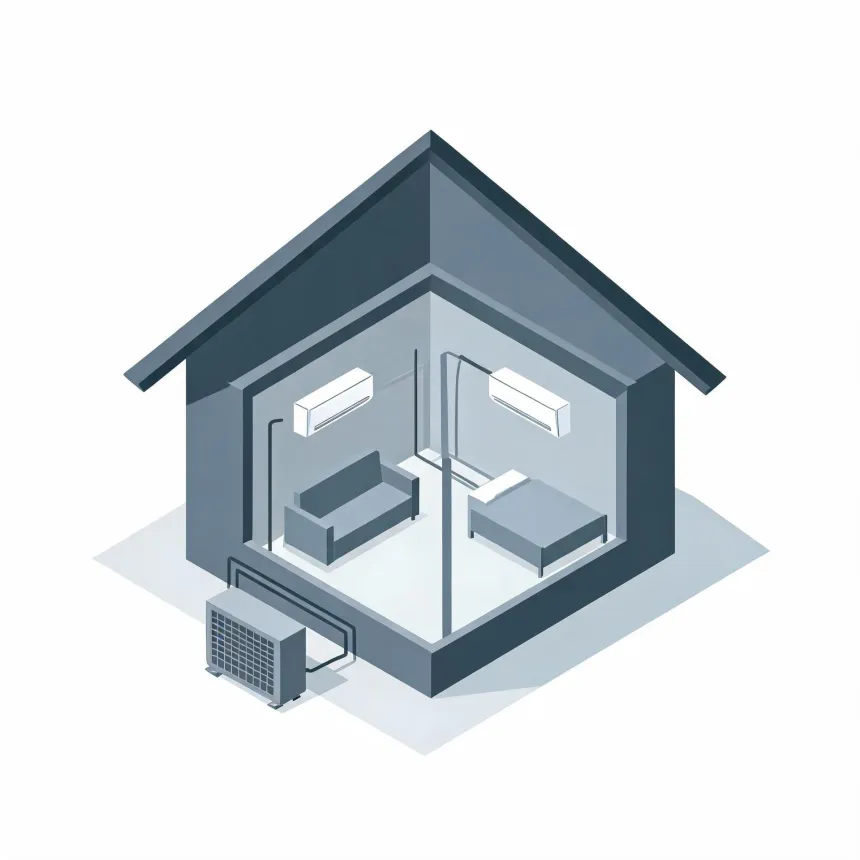
Isometric cutaway illustration of a small gray house showing two rooms, one with a sofa and one with a bed, each with a wall-mounted indoor air conditioning unit connected by line sets to an outdoor condenser unit on the ground outside.
Your system heats September through May and cools July through July.

NOAA nClimDiv, 1991–2020 normals

The cost comes from how many zones you need and what each indoor head has to reach.

A single head for one room costs far less than a full house setup with a unit in every room.

One month of cooling a year is not much of a workout

Cooling runs July through July
Summer afternoons average 77°F
192 damaging wind events from 2015 to 2024

July is the only month cooling runs in Warren County, which means June is the one month to get a mini split in before it has any work to do. A new system installed in June gets tested and adjusted while the weather is still mild, so if something needs tweaking there's time for it. Wait until July and you're asking an installer to size and set up a system on a week when it's already hot, with every other homeowner calling for the same reason. Since cooling here is a one month job, there's no long season to make up for a late start.

Built in 1973 or earlier, your home doesn't need ductwork to add a mini split

Half the homes in Warren County went up in 1973 or earlier. A mini split doesn't care what's behind your walls the way a ducted system does, since it only needs a line set run through one small hole, not a network of ducts sized for the house. That makes it a straightforward add to an older home, whatever is heating it now.

Find a contractor
A beige split-system air conditioner outdoor condenser unit mounted on metal wall brackets atop a stucco wall.

A light cooling load means a reliable mid-range unit is enough

One month of real work a year doesn't ask much of the equipment, so this isn't the spot to pay up for the highest-efficiency head on the shelf. A mid-range mini split will hold up fine running July and the odd warm week on either side of it. Put the money instead into getting the size right for the room and a correct install, since that affects comfort more than the efficiency tier does. Where it's worth spending more is the heating side, since Warren County sits in zone 6A with a long season to match, and that's the load this system will actually carry most of the year.

The old equipment doesn't have to go anywhere

A mini split can be installed alongside a furnace or boiler that stays right where it is. There's no need to disconnect a gas line or drain an oil tank just to add one. Plenty of homes run a mini split for part of the house or part of the year and keep the existing system for everything else.
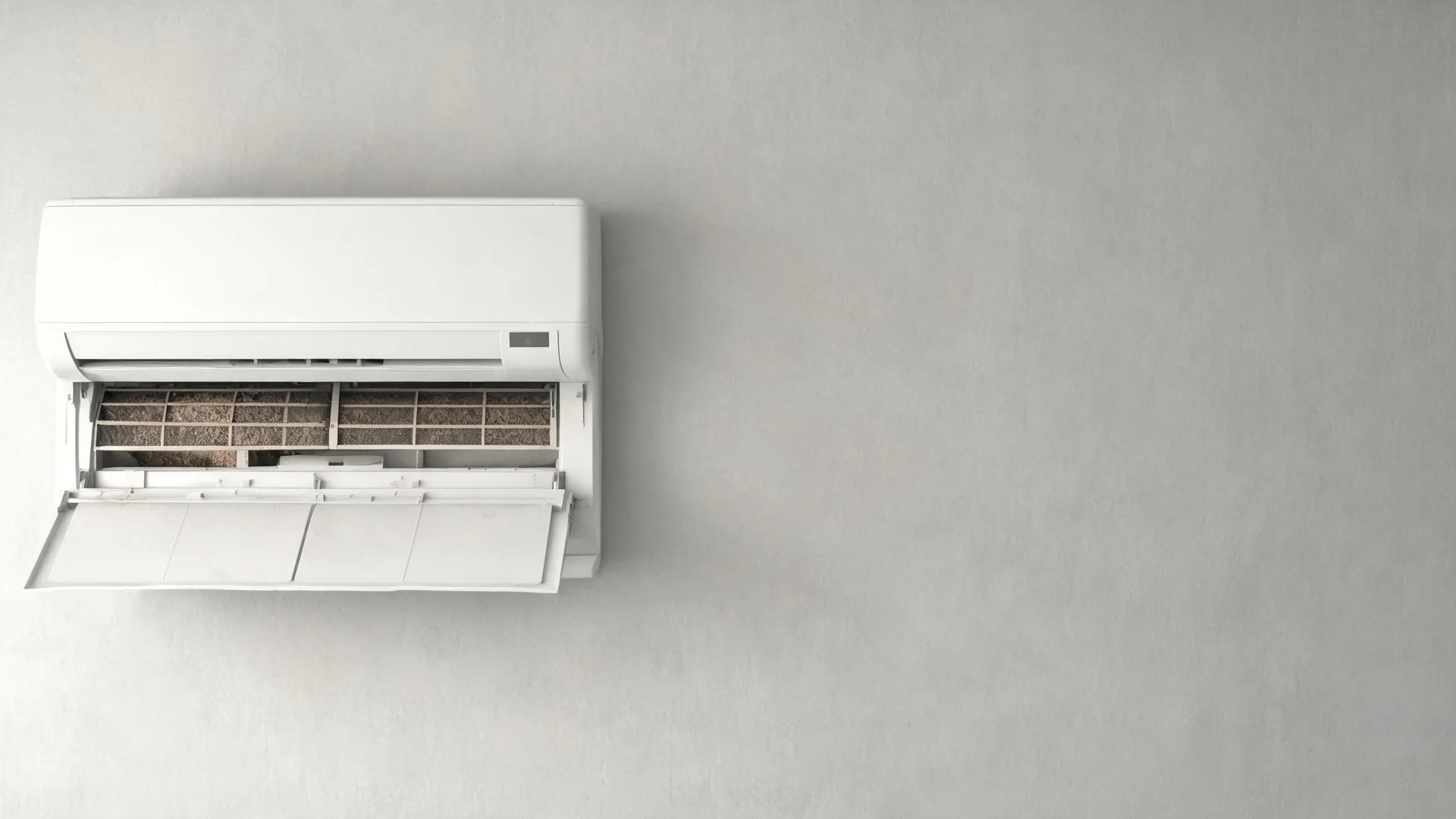
Taking out a furnace or boiler is its own job

If the plan is to replace the old heat source entirely, that's separate work from mounting the indoor heads and running line sets. A furnace comes out through ductwork that then either gets capped or reused for something else. A boiler means draining and disconnecting water or steam lines. Either way, it's worth asking whether the old system is being removed or just set aside, since that changes what the install day looks like.

Sizing a mini split comes down to the heat loss and heat gain of the room it's serving, not the square footage alone. An installer works out how much heat that room loses in winter and gains in summer, counting the windows, the insulation, and how the room connects to the rest of the house. Too big and the unit short cycles, switching on and off before it's pulled the moisture out of the air, which leaves the room feeling clammy even at the right temperature. Too small and it runs flat out on the coldest or hottest days and still can't keep up. A room with a lot of west-facing glass or a cathedral ceiling needs more capacity than its floor space alone would suggest, which is why a proper load calculation beats a rule of thumb every time.

Installation starts with the line set, the copper tubing that carries refrigerant between the outdoor unit and each indoor head. That means drilling one small hole through the wall for each zone, angled slightly downward so condensation drains outside instead of back in. The outdoor unit goes on a pad or wall bracket, set away from the wall enough for air to move through the coil. Once the line set is run and connected, the whole system gets pulled down to a vacuum before any refrigerant moves, which clears out air and moisture that would otherwise cause problems later. Only after it holds that vacuum does the system get charged and switched on. The last part of the day is mounting each indoor head level, wiring it to the outdoor unit, and running it through both heating and cooling to check airflow and temperature at the vent.