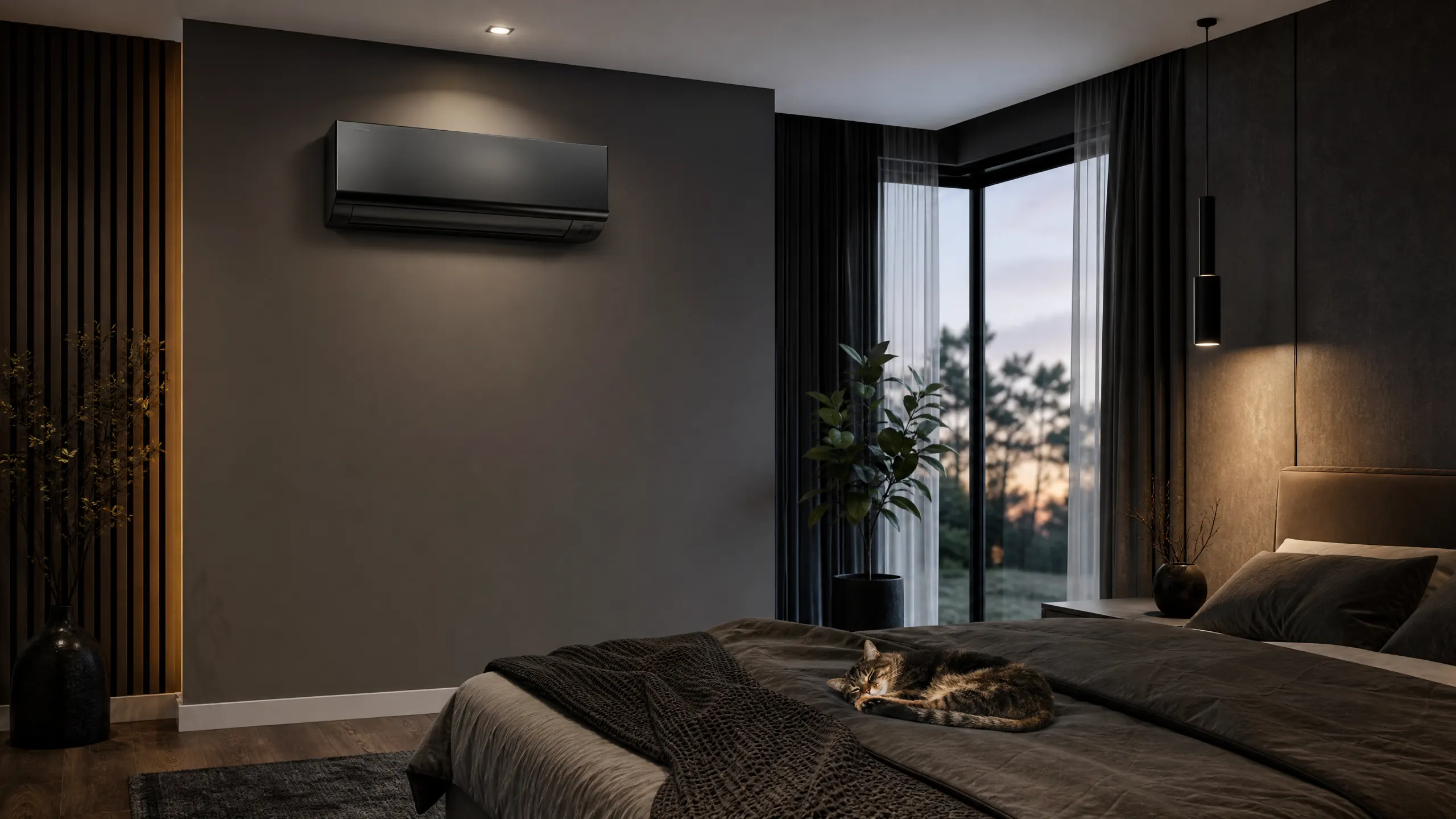




A tabby cat rests on a made bed in a dark modern bedroom equipped with a wall-mounted split air conditioner.

Mini Split Installation in Yonkers, NY

Tell us about the job

Takes about a minute. No obligation.

New system or replacementMini-splitWestchester County, NY
Step 1 of 2

What ZIP code is the job in?

Electricity in New York runs 24.43 cents per kilowatt-hour, well above what most of the country pays. A mini split spends its whole life running on that rate, so the difference between an efficient unit and a weak one shows up on every bill, not just the first one. These systems move heat instead of burning fuel to make it, which is why they cost less to run than a baseboard or window unit pulling the same job. The size and setup matter here too. A mini split sized right for the room it serves won't run longer than it needs to just to catch up.

8 months
October through May, your system heats
3 months
June through August, it cools
24°F
the average winter night it heats against
82°F
the average summer afternoon it cools against
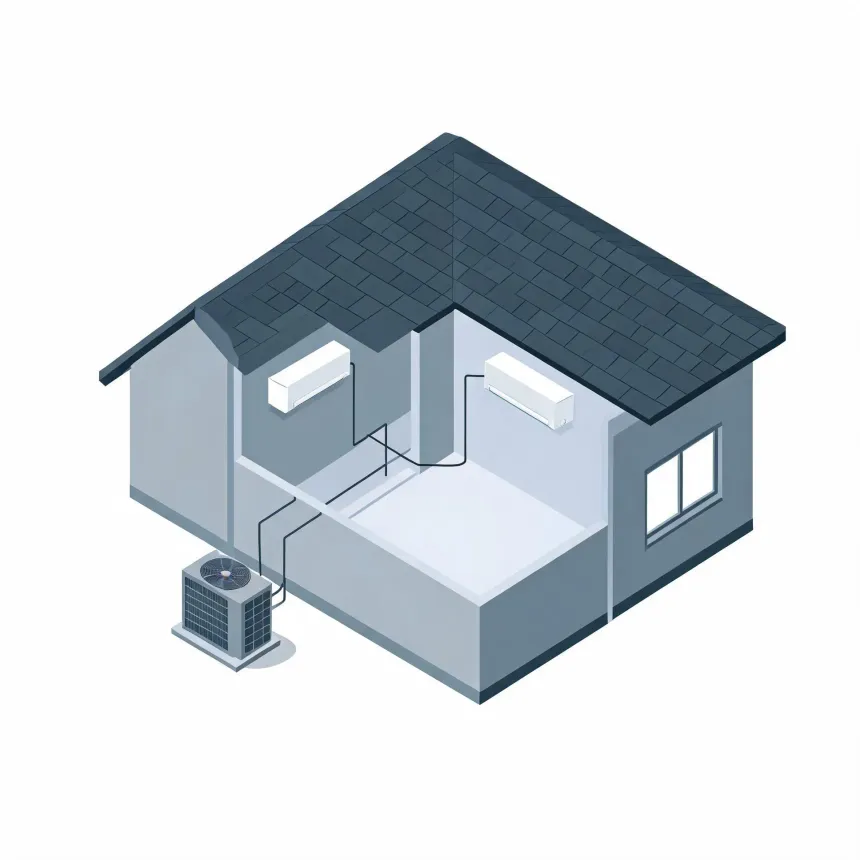
Isometric illustration of a cutaway gray house with a dark shingled roof, showing two wall-mounted indoor air conditioning units connected by lines to an outdoor condenser unit on the ground outside.
Your system heats October through May and cools June through August.

NOAA nClimDiv, 1991–2020 normals

Cooling runs June through August here.

May is the month to get a mini split installed, before the first hot week puts you on a waiting list.

The rate on your bill stays fixed. What you pay depends on the system

Power costs 24.43 cents a kWh statewide
Cooling runs June through August
Summer afternoons average 82°F

Yonkers falls in climate zone 4A, which the energy code treats as mixed. Winters and summers both put real demand on a system here, so the federal minimums for a mini split are not a formality. Any split-system heat pump made from 2023 onward, ductless included, has to hit at least 14.3 SEER2 for cooling and 7.5 HSPF2 for heating. That's the floor, not a target to aim for. A unit that just clears it will cost more to run over the years than one built past it. A federal tax credit is available for qualifying installations, worth checking against whatever system you're considering.

Most of Westchester heats with gas or oil. A mini split doesn't replace that, it adds to it.

More than half of homes in Westchester County heat with utility gas, and oil heats most of the rest. Electric heat on its own is rare here. A mini split works alongside whatever system already heats your house, so this isn't an either-or decision. It adds cooling and efficient heat to the rooms that need it, without touching the gas or oil furnace doing the rest of the work.

Find a contractor
A beige split-system air conditioner outdoor condenser unit mounted on metal wall brackets atop a stucco wall.

Half these homes predate the mini split itself

Half the homes in Westchester County were built in 1959 or earlier. A house that old wasn't built with a mini split in mind, because the system didn't exist yet. Where the electrical panel sits, how the walls are framed, none of that was decided with a line set or an outdoor condenser in mind. That doesn't rule anything out. It just means the installer is fitting the system to the house you have, not the other way around.

Sizing comes from a room by room load calculation, not square footage alone

A tech works out how much heat a room gains in summer and loses in winter, factoring in the windows, which way the room faces, how many walls are exposed outside, and what's on the other side of the ceiling and floor. Rooms that look the same size on paper can call for different sized heads once you account for that. Square footage alone skips all of it.
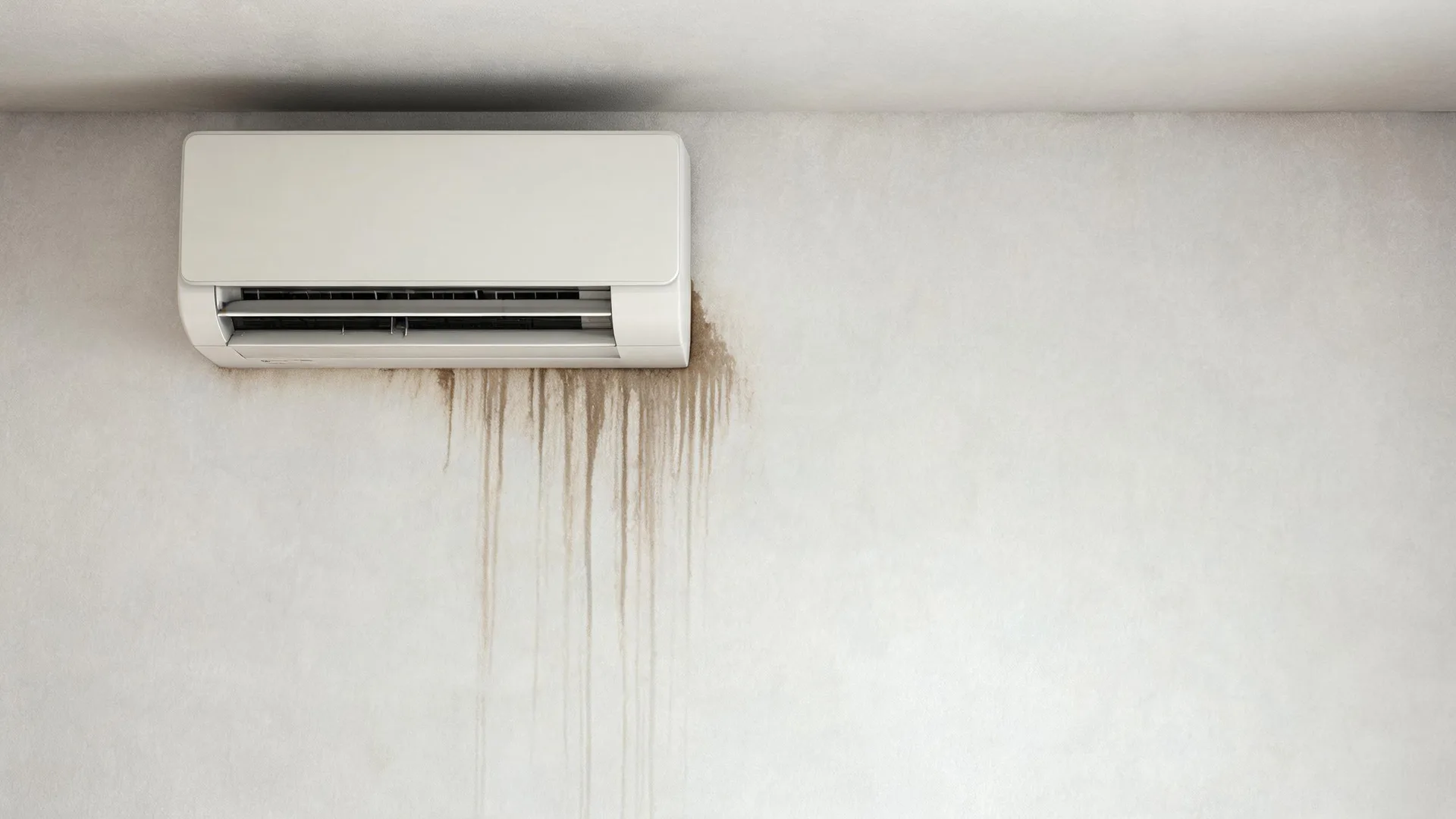
Oversized cools the air fast and quits before it pulls the damp out

A mini split that's too big for the room hits the setpoint and shuts off before it's run long enough to pull the moisture out of the air. The room reads cool on the thermostat but still feels damp. Undersized does the opposite. It runs constantly and still can't keep up on the hottest or coldest days. Right sized is the one that runs long enough to do both jobs and then stops.

Ask what happens when the outdoor temperature drops, not just how the unit performs on a mild day. Every heat pump loses capacity as it gets colder outside, but how much it loses separates one system from another. Ask for the capacity at low temperature, not just the rated capacity at a standard test condition, because that number tells you what the unit actually does on the coldest night rather than what it does in a lab. Ask how the system handles a room with high moisture, since a mini split that cycles on and off will cool the air without pulling the humidity down. Ask whether the line set length and the number of bends were factored into the quote, because a longer run or a tight turn changes how the system performs even if the indoor and outdoor units stay the same. And ask what the warranty actually covers, the compressor, the parts, the labor to replace them, since those are rarely the same length and the gap between them is where an owner gets stuck with a bill years in.

Install day starts outside and in, at the same time. One person mounts the outdoor condenser on a pad or brackets and runs the line set, the refrigerant lines and wiring that connect it to each indoor head. Another mounts the indoor units, usually high on a wall or recessed into the ceiling, and cuts the small hole through the exterior wall the line set passes through. Once everything's connected, the line gets pulled down to a vacuum to clear out air and moisture, because either one left behind will hurt the system before it ever runs a full season. Only after that does the refrigerant get released to charge the system. The last step is running it in both modes and checking that every head is actually doing what the thermostat tells it to do, not just turning on.