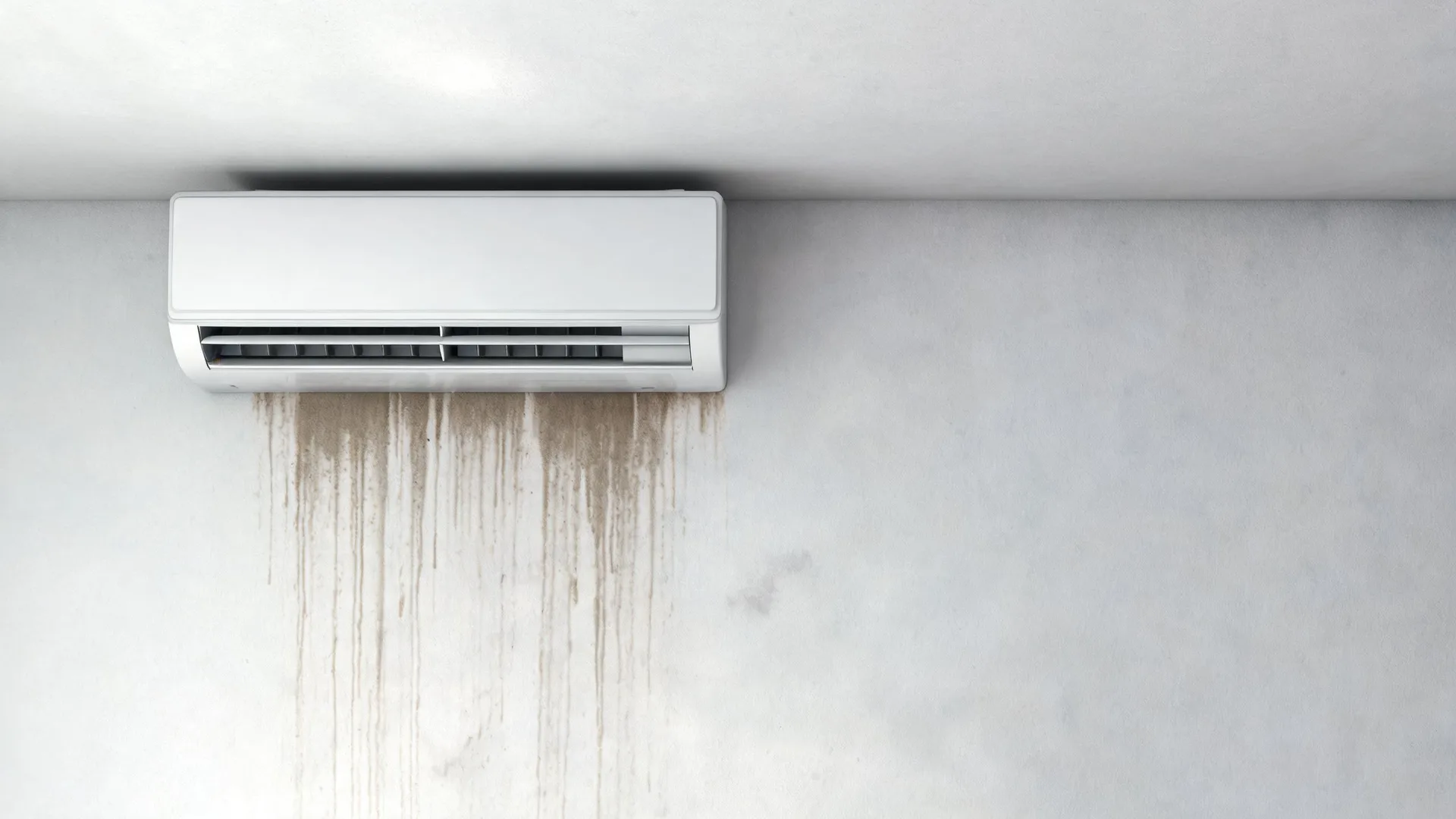
Most homes here run on gas
Utility gas heats 57.8% of homes in Saratoga County, more than electricity, propane and oil combined. A furnace or boiler is what most houses already have in place.
Takes about a minute. No obligation.
Utility gas heats 57.8% of homes in Saratoga County, more than electricity, propane and oil combined. A furnace or boiler is what most houses already have in place.
For a gas-heated home, a mini split usually goes in to cover a room or addition the ductwork doesn't reach, or to add cooling where there isn't any. The gas system keeps doing the main heating.
NOAA nClimDiv, 1991–2020 normals
Cooling runs July through August here.
Have the mini split in before June and it's running the day summer starts, not partway into it.




Saratoga County is in climate zone 5A, a cool zone where heating matters more than cooling. A mini split installed here falls under the same federal rule as any other split-system heat pump. Units made from 2023 onward have to hit at least 14.3 SEER2 for cooling and 7.5 HSPF2 for heating. There's no separate, lower bar for ductless systems. A contractor sizing a unit for this climate has to account for both numbers, not just the cooling side.
Two months of cooling, a winter that asks more of the heat pump side, wind that shows up most years. None of it calls for anything beyond a standard unit, sized right by whoever installs it. Get it done before summer and it's ready the day you need it.
Find a contractor
What drives the cost here is mostly the line set, not the unit. Refrigerant line has to run from the outdoor compressor to the indoor head, and a short, straight shot through one wall is the easy case. A run that has to go up a chase, across an attic, or around framing takes more line and more time on the ladder. Where the outdoor unit can sit matters too. It needs clearance on all sides and a clear path for condensate to drain away from the house. If that spot is far from the indoor head, that distance gets added to the line set. Electrical is its own factor. A mini split needs a dedicated circuit, and running new wire a short distance to the panel is a different job than snaking it through finished walls across the house. Add a second indoor head on the same outdoor unit and you add another line set and another power drop. The labor scales with how many rooms are being covered, not just the size of the equipment. None of it shows up on a spec sheet. It shows up when someone walks the house and figures out where the lines actually have to go.
A mini split addition doesn't touch the existing heating system. The furnace or boiler stays right where it is, still doing the job it was sized for, still on its own maintenance schedule. Nothing about adding a heat pump head changes how that system gets serviced or when it gets replaced down the road.
If the room getting a mini split has been limping along on a window AC or a plug-in heater, that's what comes out. Window units can come out of the frame and get stored or scrapped. Electric baseboard, if that's what's been covering the gap, usually gets capped off or pulled once the heat pump head is handling the room on its own.
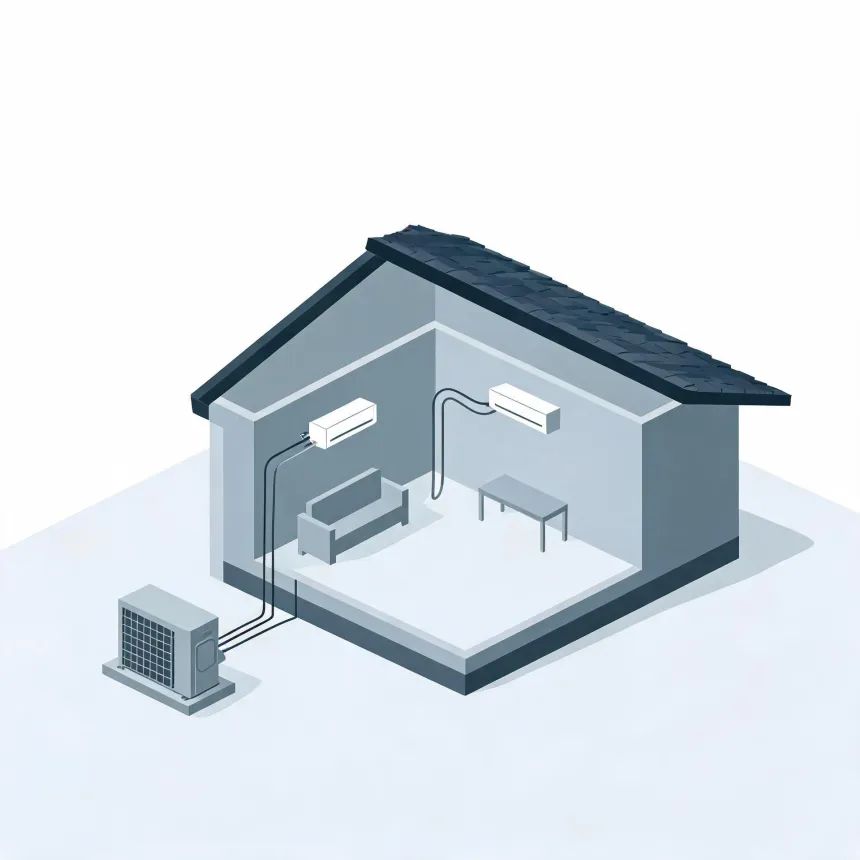
Installation starts with the walk-through, deciding exactly where the indoor head and outdoor unit go before anyone touches a drill. The indoor head needs a clear path back to the outdoor unit and a spot on the wall with room for air to move across the coil, not tucked behind furniture or over a doorway. Once that's marked, the crew cuts a small hole through the wall for the line set, the refrigerant lines, the condensate drain and the electrical all bundled together and run through that one penetration. The outdoor unit gets mounted on a pad or bracket, the lines get connected at both ends, and the whole system gets evacuated to pull out air and moisture before refrigerant goes in. That last step matters more than people think. Any moisture left in the lines turns into acid over time and eats at the compressor. Once it's charged and powered up, the tech checks the line set connections for leaks, confirms the head is level, and runs the system through heating and cooling to make sure it's pulling the temperature down and holding it.