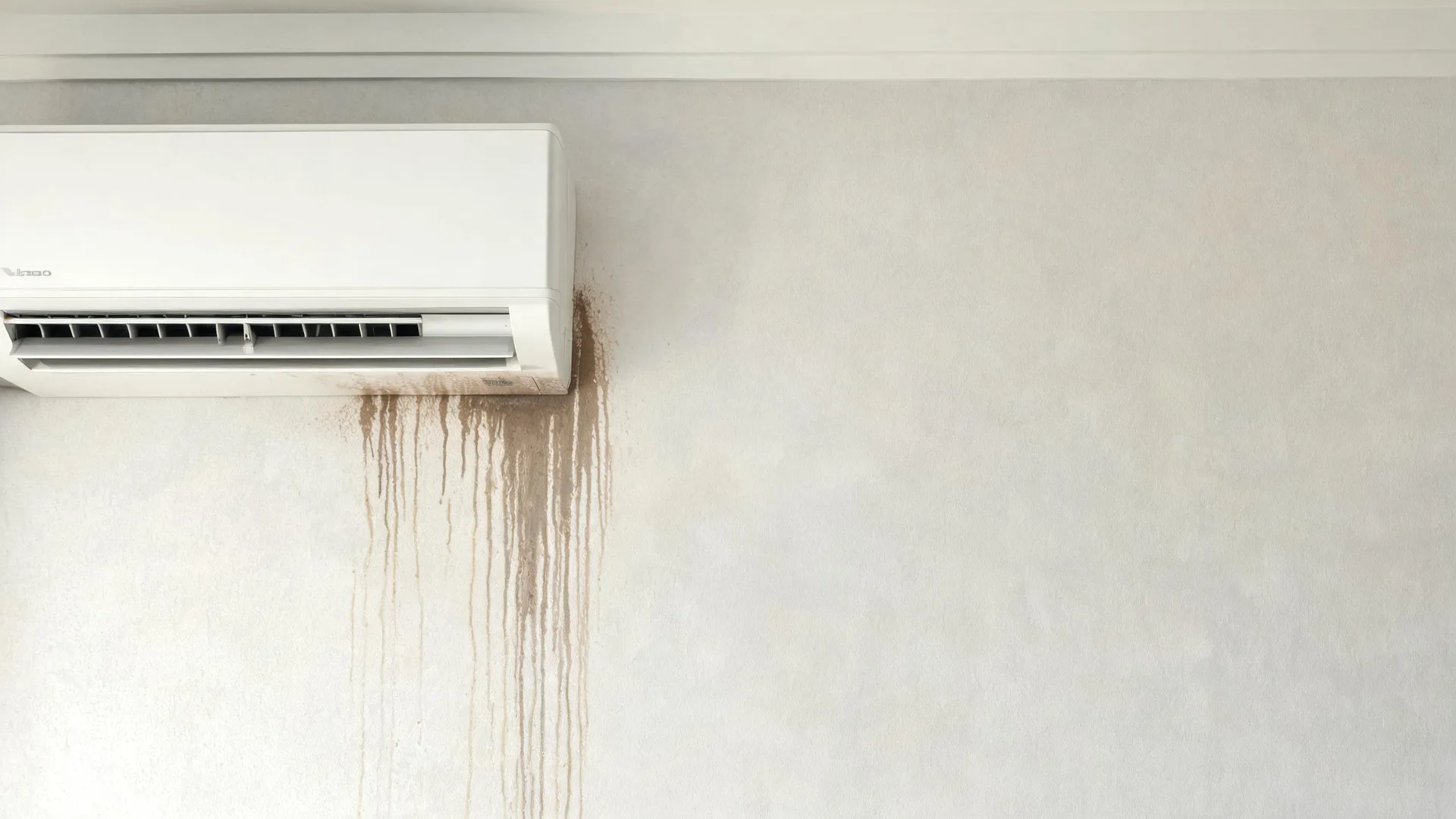
Gas heats most homes here
Utility gas heats 66.6% of occupied homes in Chautauqua County. Most furnaces around here run on it, with electric heat a distant second at 15.6%.

Takes about a minute. No obligation.
Utility gas heats 66.6% of occupied homes in Chautauqua County. Most furnaces around here run on it, with electric heat a distant second at 15.6%.
For a lot of homeowners here, a mini split is going in alongside the gas furnace already running the place, covering a room or two the ductwork doesn't reach well, or taking over cooling duty.
NOAA nClimDiv, 1991–2020 normals
Every quote should say how many zones the system covers and what size each indoor head is.
A head sized too big for its room will short cycle and leave the air damp.




Summers here are short. Two months of real cooling, July and August, with afternoons sitting around 78 on average. A mini split sized for that doesn't need to be the biggest or most efficient unit on the truck. It just needs to run well on the days it's asked to. Heating is the bigger job in this climate, so the system earns its keep more in winter than summer. That eases the case for paying up for top-tier cooling efficiency when the cooling load itself is light.
Replace it before the season starts, so it happens on your schedule, not in a hurry.
Find a contractorTwo months of cooling a year means the compressor spends most of its life idle. When a unit here does fail, worn parts or a bad install are the more likely cause, not years of hard running. That makes a straightforward, well-installed mini split a better bet than the highest-efficiency model on the lot.
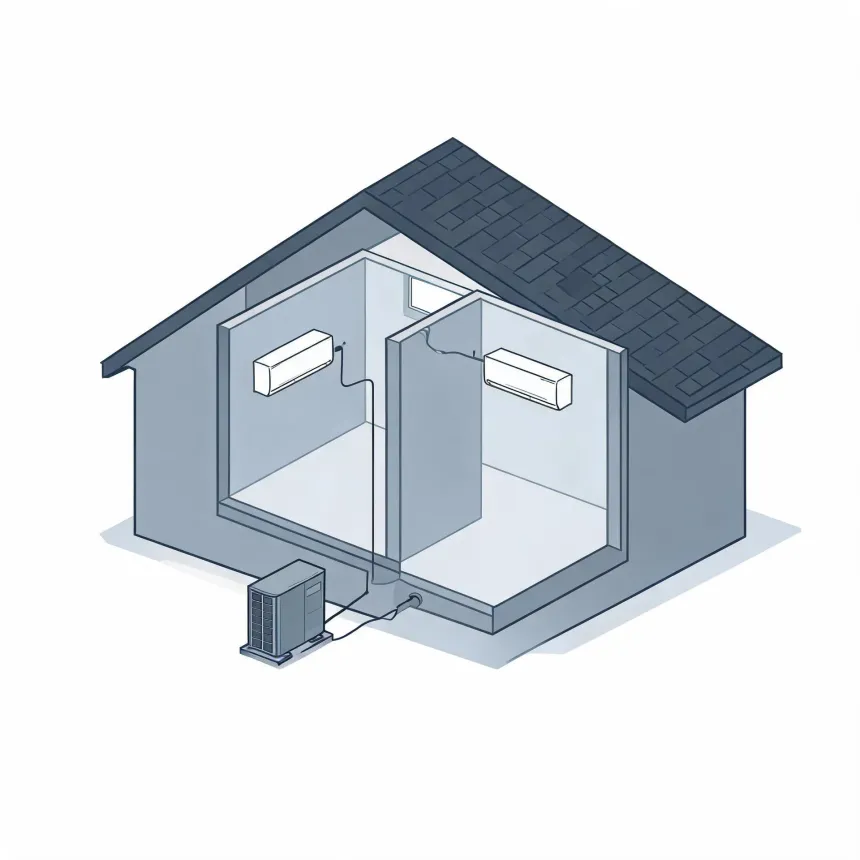
A single head cooling one room costs less to install than a system feeding several rooms off one outdoor unit. Each added zone means another indoor head, another line set run through the wall, and another spot the installer has to mount and level correctly. The outdoor unit also has to be sized to carry all the zones at once, not just the biggest one.
The refrigerant line and drain line have to get from the outdoor unit to each indoor head, through a wall or up through a chase, and that path is rarely a straight shot. A short, simple run costs less labor than one that has to clear framing, brick, or finished rooms the installer has to patch afterward. Electrical work adds to it too, since the outdoor unit needs its own dedicated circuit run from the panel.
If this mini split is taking over cooling from a window unit or covering a room the ductwork never reached, the old equipment usually just comes out. A window unit gets pulled and the opening gets sealed up properly instead of patched with foam board every spring. If there's an older mini split being replaced, the outdoor unit and the indoor head both come down, and the line set gets removed or capped, not left in the wall to corrode. Refrigerant in the old system has to be recovered before anything is disconnected, not vented, so the old unit cannot just get unplugged and hauled off. None of this touches the gas furnace. That keeps doing the heating it always did, and the new mini split just takes on the job it was bought for.
Installation day starts with the outdoor unit placement, and that gets decided before anyone drills anything. The installer finds a spot with clear airflow on all sides and a clean path back to where the indoor head is going. Then comes the hole through the wall, just big enough for the line set, the drain line, and the electrical whip to pass through together. That penetration gets sealed properly once everything's run, so no air or water finds its way in around the edges. The line set gets connected at both ends, and then the system gets evacuated with a vacuum pump before any refrigerant moves, pulling out moisture and air that would otherwise ruin the compressor. Once it holds vacuum, the system gets charged, powered up, and run through its paces, checking that the head is actually cooling and heating before the installer calls it done.