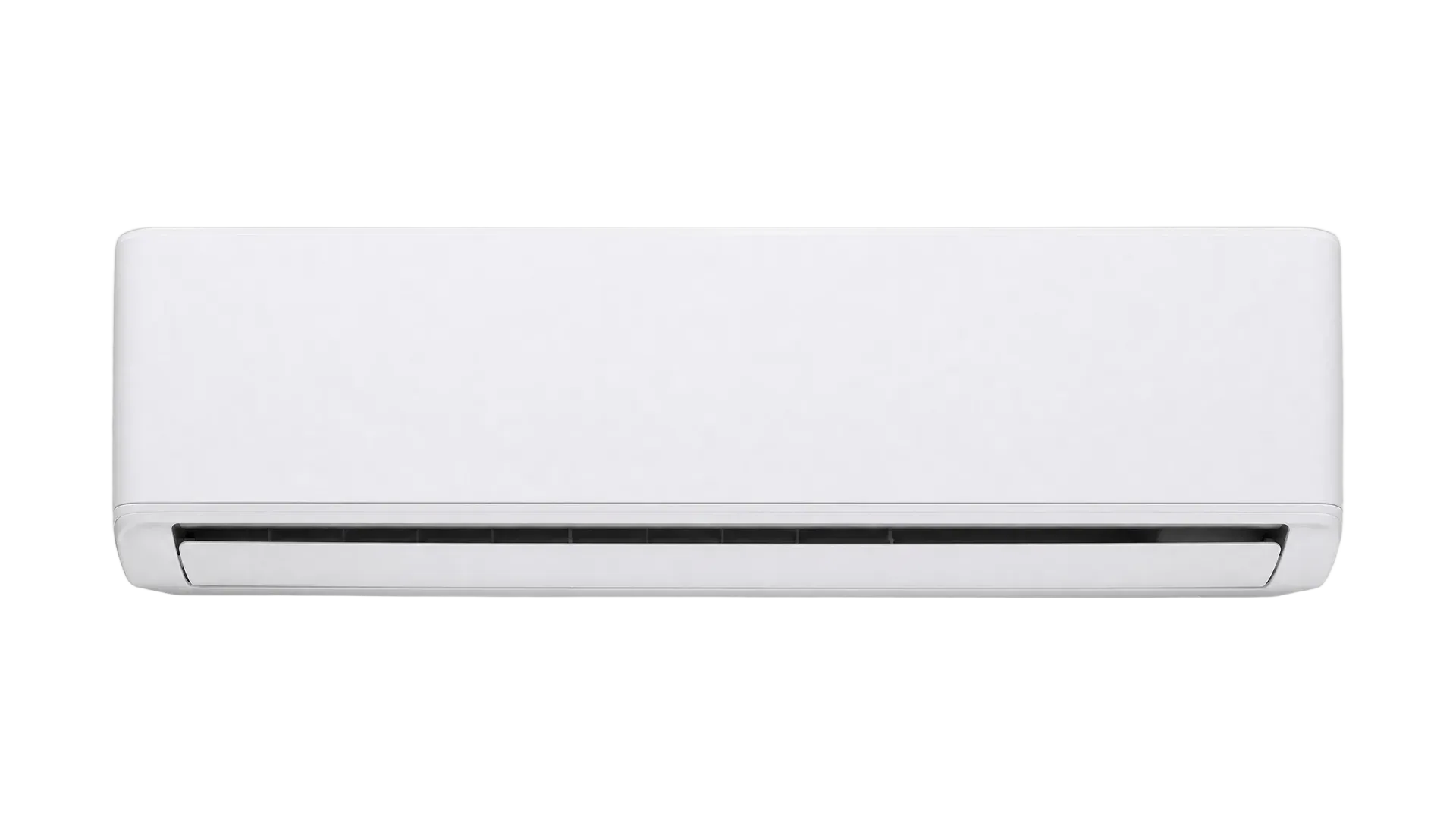

Running clean
This unit heats and cools without complaint, the kind of steady work you stop noticing. A clean filter and clear airflow keep it this way, and keeping it this way is what gets you the full years of use out of it.
You just had a mini split put in, or you're thinking about getting one, and you want to know what kind of lifespan to expect before you're looking at a replacement. New York summers get sticky enough that the system runs hard for months, and with power rates here among the highest in the country, you want to know the unit you're relying on will hold up and keep running the way it should.
That range holds for most mini splits, whether they're the only cooling in the house or working alongside a gas furnace, which is how most homes here heat. The compressor and the indoor coil are built to run that long, but how many months a year the system works matters. New York summers push the unit hard from June through September, and a lot of homes run theirs into the shoulder months too. A unit that gets its filters cleaned and its outdoor coil kept clear tends to land at the higher end of that range. One that runs non-stop with no care behind it tends to fall short, and with electricity priced the way it is here, a system losing efficiency as it ages costs more to run long before it quits outright.




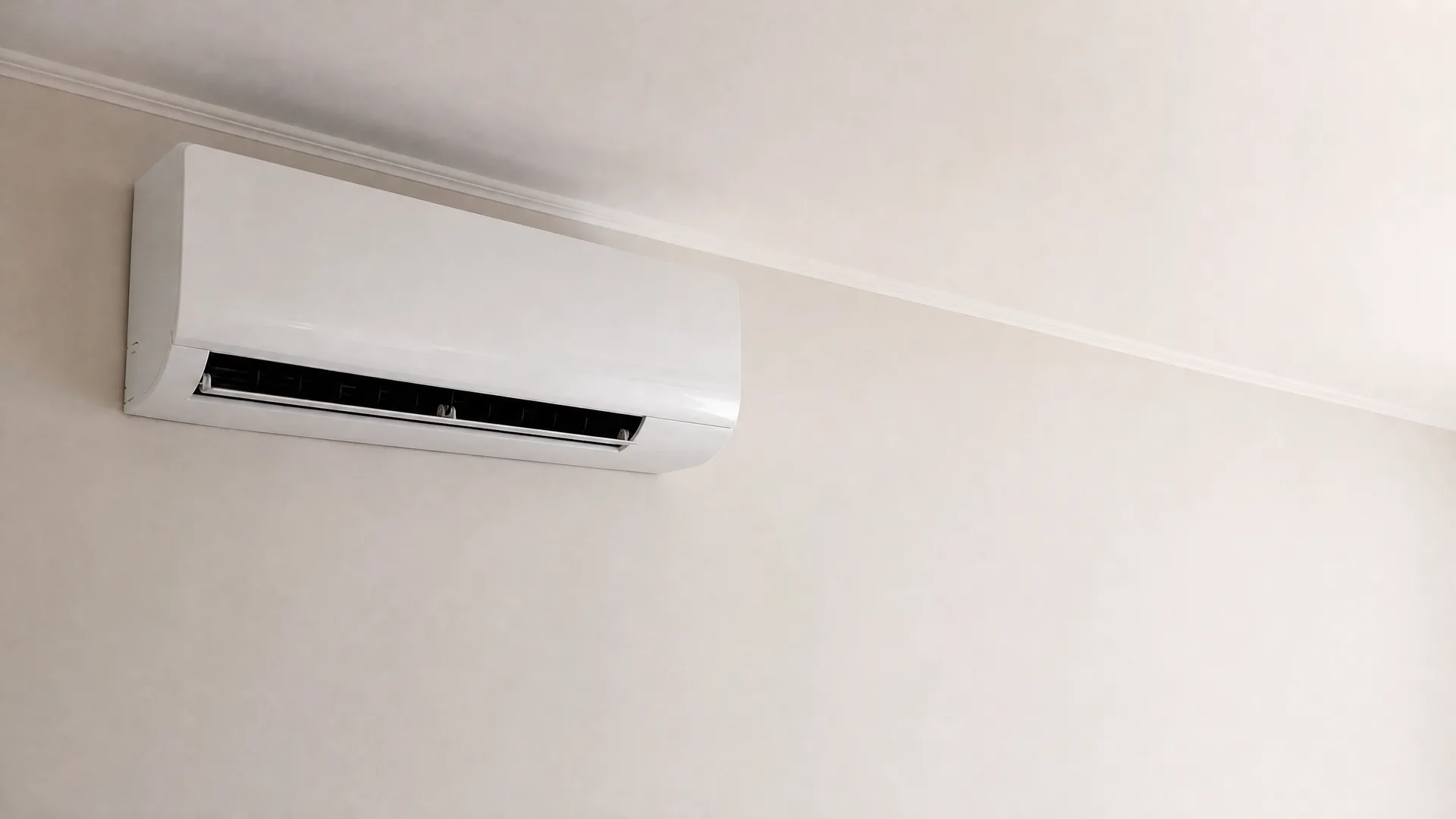
The compressor sits outside in the New York winter, running through months of cold and then straight into a humid summer with no break between them. It's built for that, but the swings matter. A unit that cycles on and off constantly because it's oversized or undersized for the room puts more wear on that compressor than one running steady. That's where a lot of the difference between a mini split that lasts and one that doesn't actually comes from.
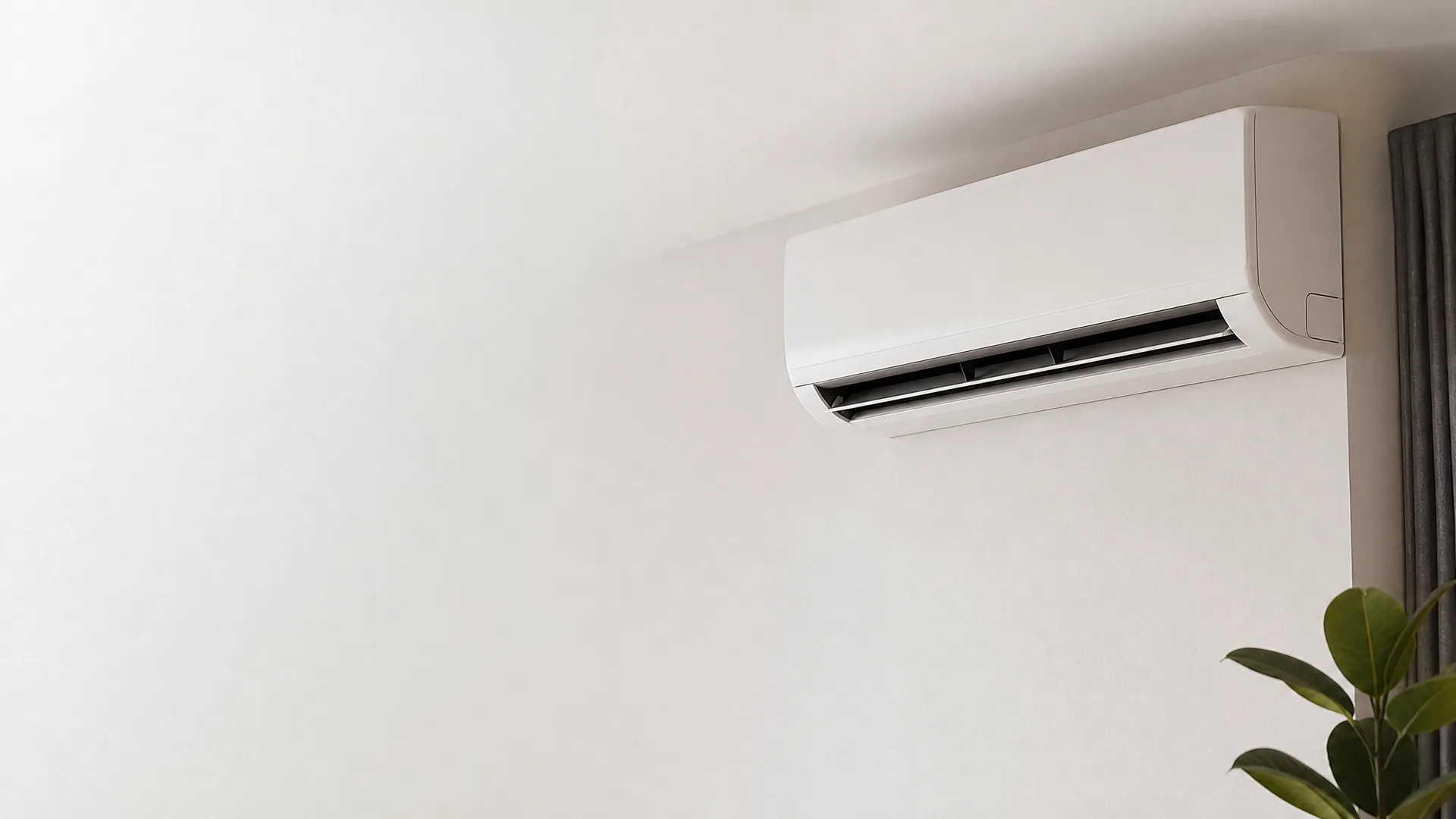
The indoor unit pulls moisture out of the air every time it runs, and that moisture has to drain somewhere. If the condensate line clogs or the coil stays wet too long, you get buildup that corrodes parts well before their time. Gas heat means a lot of homes here only lean on the mini split for cooling, so that coil gets its heaviest use during the stickiest stretch of the year, not spread out evenly across twelve months.
A unit nearing the end of its life usually tells you before it quits. It might run longer to hit the same temperature, or blow air that's not as cold as it used to be in July. You could hear a rattle or a hum from the outdoor compressor that wasn't there before. Ice on the indoor coil in summer, or water pooling under the indoor unit, both point to a system working harder than it should. None of this means it dies tomorrow, but power here costs more than most places, and a mini split losing efficiency shows up on that bill before it shows up anywhere else. Left alone, a small problem in the compressor tends to become a bigger one.


Describe the project once instead of to every installer.
Sending the form costs nothing.

This unit heats and cools without complaint, the kind of steady work you stop noticing. A clean filter and clear airflow keep it this way, and keeping it this way is what gets you the full years of use out of it.

Dust and grime along the vents like this mean the coil underneath is likely coated too, making the unit work harder to move the same air. Left alone, that strain is what pushes a mini split toward an early replacement instead of a full life.

The indoor head on your wall is doing less than people think. It blows air across a coil, but the real work, the compressor and the refrigerant cycle, happens in the outdoor unit through a line set that runs between the two. Cooling and heating both depend on that refrigerant changing pressure as it moves back and forth, and the line set has to stay sealed for that to keep working right. A line set that was bent too sharp or joined poorly during installation can leak slowly for years before you notice anything, and by the time you do, the compressor has usually already been working harder than it should have.
That's the part a homeowner can't see and usually can't check, which is why who installed it matters as much as the equipment itself. A contractor who sizes the unit correctly for the room, sets the line set properly, and gets the refrigerant charge right is doing the thing that actually determines whether you get a full lifespan out of it or a service call in year four. If you're comparing installers, that's what you're really choosing between, not the brand on the indoor unit.

Refrigerant leaves the outdoor compressor as a hot, pressurized gas
It travels through the line set toward the indoor coil
The indoor fan pulls room air across the cold coil
Refrigerant absorbs heat and returns outside to release it


At 26.39 cents per kilowatt-hour, running a mini split that's lost efficiency costs you more here than almost anywhere else. A unit coasting past its good years on a weak compressor or a dirty coil pulls more power to do the same job, and in New York that shows up fast on the bill.
EIA-861 2025 statewide residential average


A mini split that's sized right, kept clean, and serviced on schedule will give you well over a decade in New York, through humid summers and cold winters alike, before you're looking at a replacement. One that's ignored won't make it that far. That's the whole answer: how long yours lasts comes down to upkeep more than anything else. If you're past the point of wondering and into the point of needing someone to look at it, or you're having one installed and want it set up right from the start, finding a contractor on your own means searching, calling a few numbers, explaining the same thing more than once, and sitting with quotes trying to figure out which one actually makes sense. Getting matched with one who knows this equipment and these summers skips past all of that. You end up with someone who already knows what they're walking into, reaching out to you instead of the other way around.

Skip collecting and comparing quotes for the new mini split.