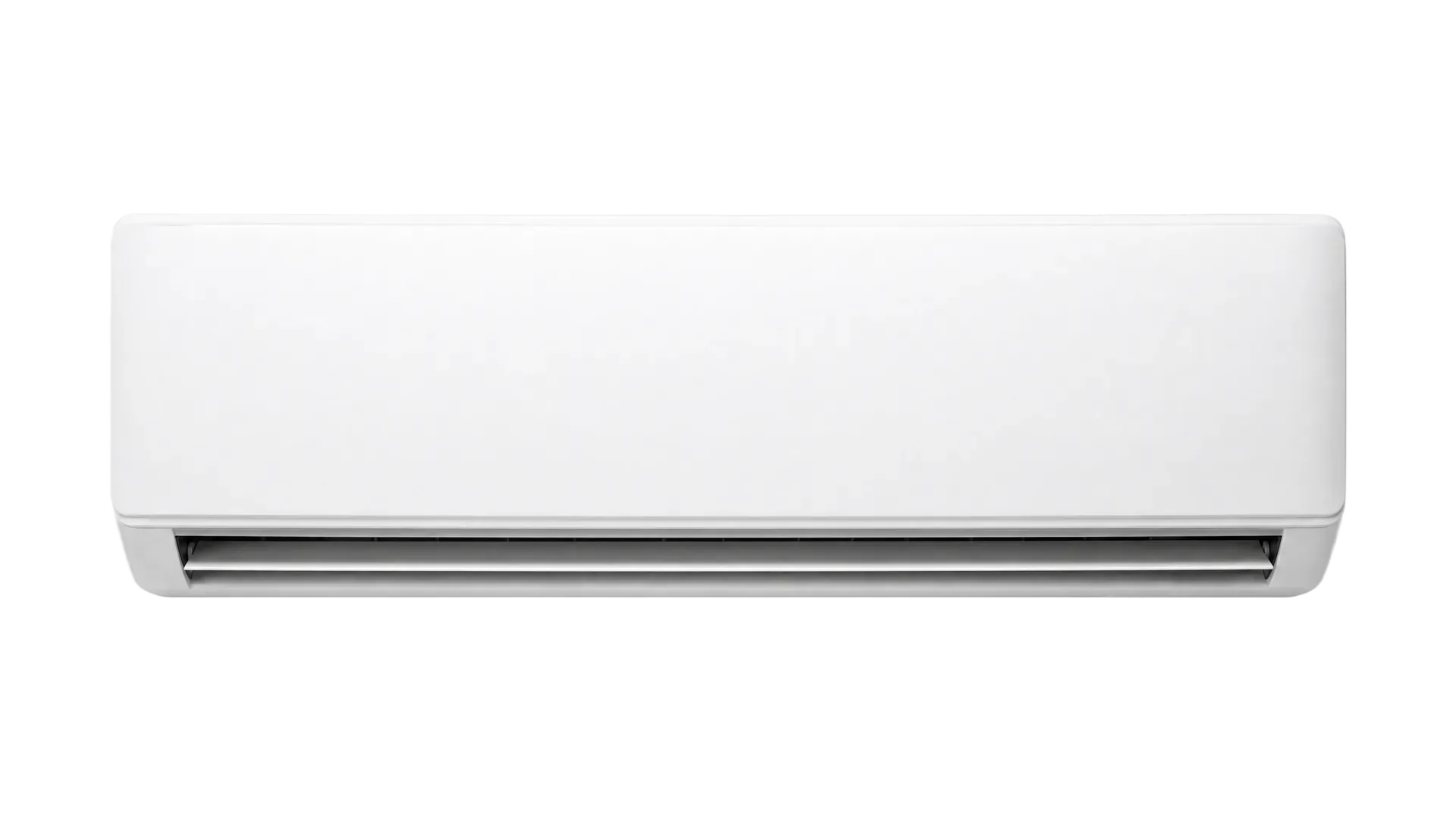
The filters on a mini split need a rinse about once a month during the months it runs hardest, and in New York that means June through September when the air is sticky and the unit is pulling moisture out of the house most of the day. A dirty filter blocks airflow across the indoor coil, so the system works harder to move the same amount of air and your electric bill climbs with it. The coil itself and the blower wheel need a deeper cleaning once a year, usually before summer starts, because dust and mold build up where you can't see them and reach down into the drain line. If your mini split also carries the heating load in shoulder months, that's more hours of runtime and more reason not to let a year pass without someone looking at it. Skip this and the usual result is an indoor unit blowing warm air or dripping water onto the wall behind it.


What a yearly service covers
- The blower wheel sits behind the filter and collects dust the filter never caught, usually once a year.
- Dirty coil fins lose their grip on heat, so the compressor runs longer to hit the same temperature.
- The condensate drain line can grow algae in summer, and a clogged one backs up and drips inside the house.
- Outdoor units pull air through a coil that collects pollen, grass clippings and whatever blows off the street.
- A contractor flushes the drain line, straightens the coil fins and checks refrigerant pressure during a full service visit.
- Most manufacturers call for one professional cleaning a year, separate from the monthly filter rinse you do yourself.
Rinsing the filter yourself handles the dust that settles on the surface, but it doesn't reach what's behind it. The blower wheel sits just past the filter, and over a year it picks up a layer of dust and lint that slows airflow even when the filter is spotless. Behind that, the indoor coil has fins spaced close together, and once they're coated, they can't pull heat out of the air as well. The compressor makes up for it by running longer, which shows up on the power bill more than it shows up in comfort. The drain line is its own problem. It carries off the water the unit pulls out of the air all summer, and that constant moisture gives algae a place to grow. Once it clogs, the water has nowhere to go but back into the house, usually through the ceiling or wall below the indoor unit. Outside, the condenser coil faces a different mess. It pulls air through from outside, so it collects pollen, grass clippings, and whatever else is in the yard or blowing off the street. A contractor doing a full service visit flushes the drain line, straightens any bent coil fins, and checks the refrigerant pressure, none of which a homeowner can do with a garden hose and a shop vac. Manufacturers generally call for this once a year, on top of whatever filter cleaning you're already doing.



Get your mini split to the right pro
One form instead of hunting for a pro who does mini split tune-ups.
Say what's going on with your mini split, and a pro who works on them reaches out.
No fee to send it, and nothing to sign.
Filter Rinses Alone vs. A Full Visit
Filters only
- You rinse the filters yourself once a month through the summer, which handles the dust and lint caught at the intake.
- The blower wheel and coil fins keep collecting what the filter never catches, and nobody's looking at those unless you take the cover apart.
- A clogged condensate line won't show up until the unit is dripping water down the wall or shutting itself off.
- You're still the one noticing something's off, then searching for a contractor, calling a few, and explaining the same thing to each.
- Refrigerant charge and electrical connections go unchecked, so a slow leak or a loose wire sits there until the unit stops cooling.
Full maintenance visit
- A contractor opens the unit and cleans the blower wheel and coil fins, the parts a monthly filter rinse can't reach.
- The condensate line gets cleared before algae backs it up into the house, not after you find water on the floor.
- Refrigerant levels and electrical connections get checked, so a slow leak or loose wire gets caught instead of ignored.
- Getting matched with a contractor for this means you're not the one calling around and repeating the same explanation to each one.
- With power costs in New York among the highest in the country, a unit that's been serviced is working the way it's supposed to instead of straining to hit the same temperature.




Why does your mini split seem to be working harder lately?
You notice it most in August: the unit runs almost constantly and the room still feels muggy. Maybe there's a musty smell when it first kicks on, or water marks on the wall below the indoor unit. The fan might sound louder than it used to, or you've seen a thin film on the louvers you can't wipe off with a dry cloth. These are signs the coil or drain line is carrying more than it should. Left alone through another New York summer, that buildup makes the system work longer to cool the same room, and with what power costs here, that shows up on the bill. A clogged drain line can also back up and leak into the wall or floor below.

Refrigerant runs through the coil and pulls heat and moisture from the air.
The blower wheel pushes that cooled air past the filter into the room.
Moisture collects on the coil fins and drips into the condensate pan.
The drain line carries that water outside before it can back up.
Power costs 26.39 cents per kilowatt-hour statewide
At 26.39 cents a kilowatt-hour, a mini split working to push air through a dirty filter or a grimy coil is costing you more to do less. A unit kept clean pulls the same room down to temperature without the compressor running extra hours to make up for it.
EIA-861 2025 statewide residential average



Clean it every month, service it once a year
Rinse the filters monthly from June through September. Get the blower wheel, the coil fins, and the drain line looked at once a year, before the humidity sets in. That's the whole answer. A mini split that gets both stays cheaper to run and doesn't leave water marks on your wall.
Finding someone to do that part is its own chore: looking up contractors, calling a few, explaining the same thing about your unit each time, then sitting with quotes trying to tell them apart. You can skip that step here. Answer a few questions about your mini split and you'll be matched with a contractor who takes it from there, including reaching out to you directly to set it up.


Mini Split Maintenance
The right pro for this job

- Describe your mini split job, and a local pro who handles it gets in touch.

- Send the form, and lining up the mini split tune-up stops being yours to chase.
- Send the form and the mini split tune-up stops being something to remember.

- Skip calling around to set up a mini split tune-up.
- Explain the job once and skip repeating it on every call.

- A licensed local pro takes the request for your mini split tune-up.
- Your request stays with one local pro.