Running the way it should
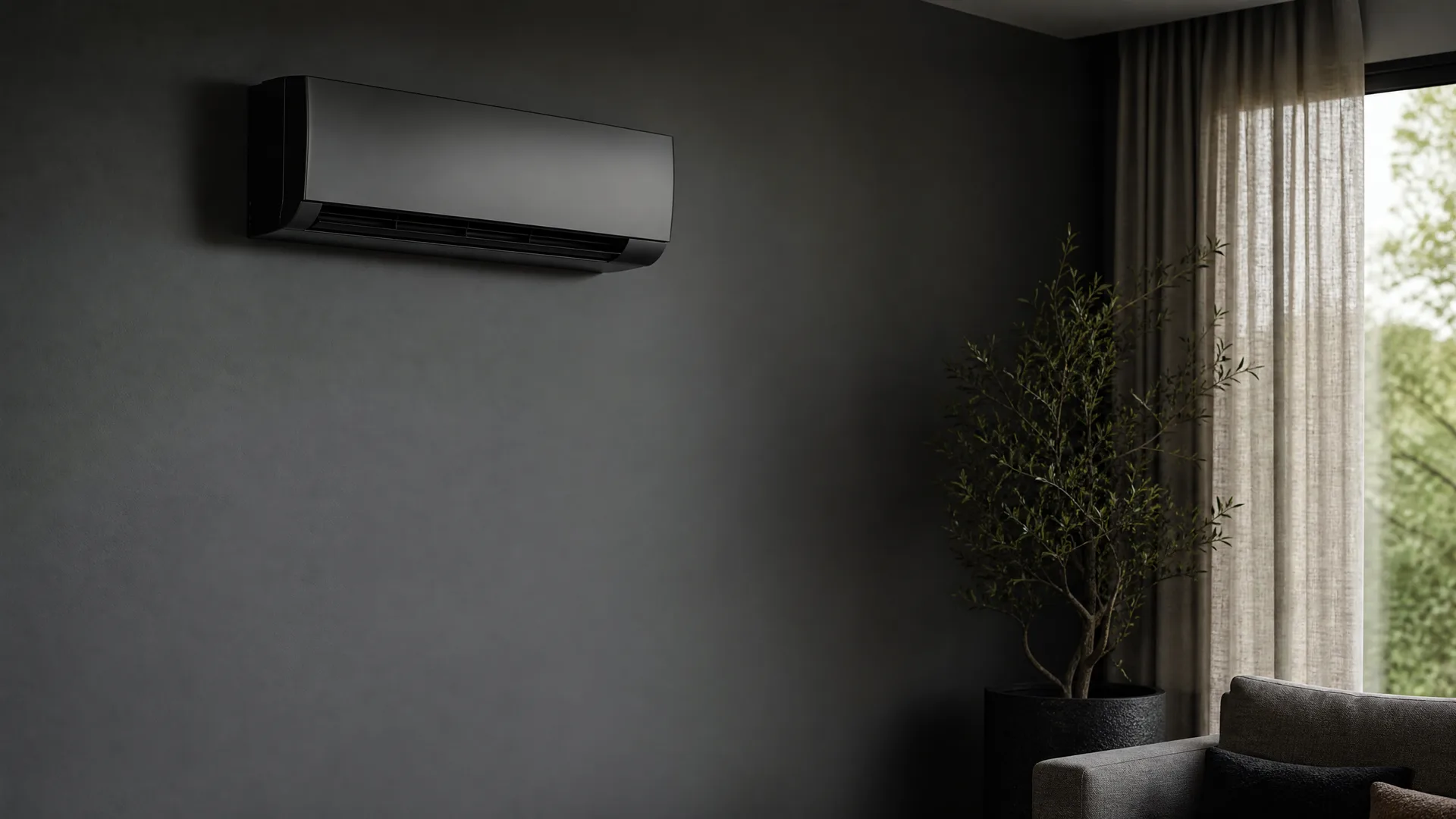
No light, no noise out of place, just steady air out of the grille. A mini split in this shape is doing its job quietly, and there's nothing here that needs a second look.
A blinking light on a mini split usually means the unit is trying to tell you something is wrong, but the pattern alone doesn't say what. You just want to know if this is something minor or if it means the system is about to quit on you, especially with how hot New York summers get and how much it costs to run these units through July and August.
A blinking light on a mini split is the unit's way of flagging a fault it caught on its own. Count the blinks or watch the pattern repeat, because most brands use that count to point to a specific problem, like a frozen coil, a drainage issue, or a sensor that's failed. The exact meaning depends on the brand, since LG, Mitsubishi, Fujitsu and the rest each use their own codes. What it means for you is that the unit has already stopped or is about to stop cooling, which matters fast once a New York summer gets muggy and a bedroom or living room has no other way to stay cool.

Every mini split brand uses its own sequence of flashes to point at a fault, and the same number of blinks can mean something different on a Mitsubishi than on a Fujitsu or an LG. Counting the blinks is a start, but matching that count to the right fault takes the manual for your exact model, or a contractor who already knows that brand's codes from working on them all season.

Mini splits are built to shut themselves down when a sensor reads something outside its normal range, whether that's refrigerant pressure, a temperature sensor out of place, or a drain line backing up. The blinking light is the system protecting its own parts rather than running in a condition that could damage the compressor. That's why the unit won't just reset itself and keep cooling until whatever tripped the sensor gets fixed.

You're at the desk in the home office, working through the afternoon, when you notice the carpet feels damp under your chair. You look up and see it: a wet streak running down the wall below the indoor unit, darker where it's soaked into the paint. The mini split's light is still blinking the same pattern it's had since morning. You grab a towel from the hall bathroom and press it against the baseboard, then stand there for a second, looking at the unit like it might explain itself. Outside, the afternoon is thick and still, the kind of sticky New York summer day that makes you need the thing working, not dripping onto the wall where your kids do their homework.
Your request stays with one local pro.
You're not committing to anything by asking.
The circuit board inside a mini split is checking sensor readings constantly, many times a second, comparing what the indoor coil, the outdoor coil, and the refrigerant line are reporting against what they should read. When one of those numbers falls outside range, or two readings that should match don't, the board turns that into a flash pattern. It isn't one sensor tripping a switch. It's a running comparison that only shows itself when something doesn't line up.
That board also keeps a short memory of what it's seen. Even if the blinking has already stopped by the time anyone checks, a tech can usually pull that history and see what triggered it last. This matters because some faults do correct themselves. A connection reseats, a reading drifts back into range, and the light goes solid again with no one the wiser. A code that cleared on its own isn't proof nothing happened.
Watch the pattern itself, not just whether it's blinking. A sequence that starts one way and shifts partway through often means a loose connection working itself around rather than a part that's failed outright. The indoor and outdoor units stay in contact over a signal wire the whole time they run, and if that line breaks or loses signal, the board flags it with its own separate code, distinct from a sensor fault. None of this means much without the right manual, either. The same brand can assign different meanings to the same code across model years, so matching the exact unit matters more than matching the badge on the front.




A tech who works on your exact brand reads the pattern in minutes and knows which part it usually points to on that model.
A tech who hasn't seen your brand's board before has to look up the code too, and guessing at the wrong part costs you another visit.
At 26.39 cents per kilowatt-hour, a mini split that keeps running with a fault, like a blower stuck on high or a compressor short cycling, adds up fast on your bill. Getting the blinking light checked before it turns into a bigger repair is worth more here than almost anywhere else.
EIA-861 2025 statewide residential average

No light, no noise out of place, just steady air out of the grille. A mini split in this shape is doing its job quietly, and there's nothing here that needs a second look.

That discoloration on the plastic usually means years of heat cycling, not just dirt. A unit that's aged like this is more likely to throw a fault, and a blinking light on a cabinet like this one is worth having looked at rather than waited out.
While the light blinks, check what the unit is actually doing. Is air still coming out of the grille, or has it gone quiet? Is the air cool, or just moving? A unit that's blinking and blowing room-temperature air isn't cooling your house, it's just running up power at New York rates while the room stays warm. If the blinking comes with a short circuit breaker trip or a burning smell near the indoor unit, that's not a wait-and-see sign. Everything else, a blink with the unit otherwise running fine, is worth watching but not an emergency. Knowing which one you have tells you whether to reset the breaker tonight or get someone out this week.


A sensor or board detects a reading outside its normal range.
The circuit board converts that fault into a blink count.
The indoor unit flashes the code on a timed repeating loop.
A tech matches the blink pattern to your brand's fault list.


New York summers run heavy. Averaged across June, July and August, the dew point here sits at 62°F, according to NOAA climate data, and that's the number that makes the air feel thick even on a day that isn't especially hot. A mini split fighting that much moisture has to pull more water out of the air to keep the room comfortable, which means the compressor and the blower run longer stretches than they would somewhere drier. That extra runtime is exactly when a struggling sensor or a weak board connection tends to throw a fault. If the blinking started on a sticky afternoon rather than a cold one, the humidity is likely part of why.
NASA POWER T2MDEW county cells weighted by homes


A blinking light means the board found something outside its normal range, and the blink count points to a specific part once someone matches it to your brand's fault list. That's the whole answer. What happens next is finding someone who already knows the pattern instead of starting from zero. A tech who works on mini splits all year in New York has likely seen your brand's board before, flashing this same count, and knows what it tends to be on that model before pulling the cover off. You get matched with one contractor, local to you, not a handful of companies competing for the callback. With sticky summers putting these units through long stretches of steady run time, and power here costing what it does, a fault that sits unchecked is the expensive kind of wait. The light is already telling you something. The next step is getting someone in front of it who can read what it's saying.
Your request goes to one pro, not a list of companies.