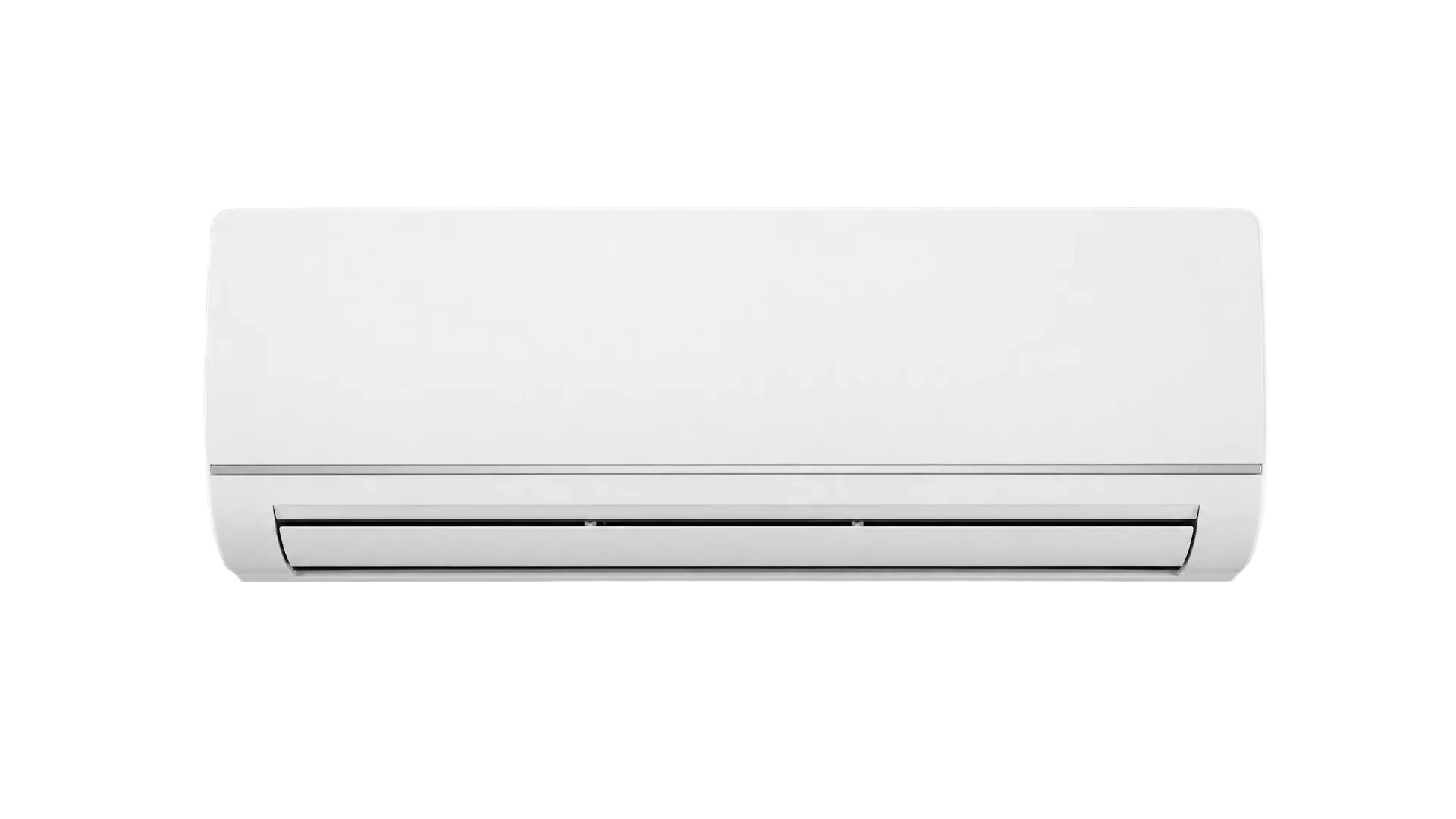
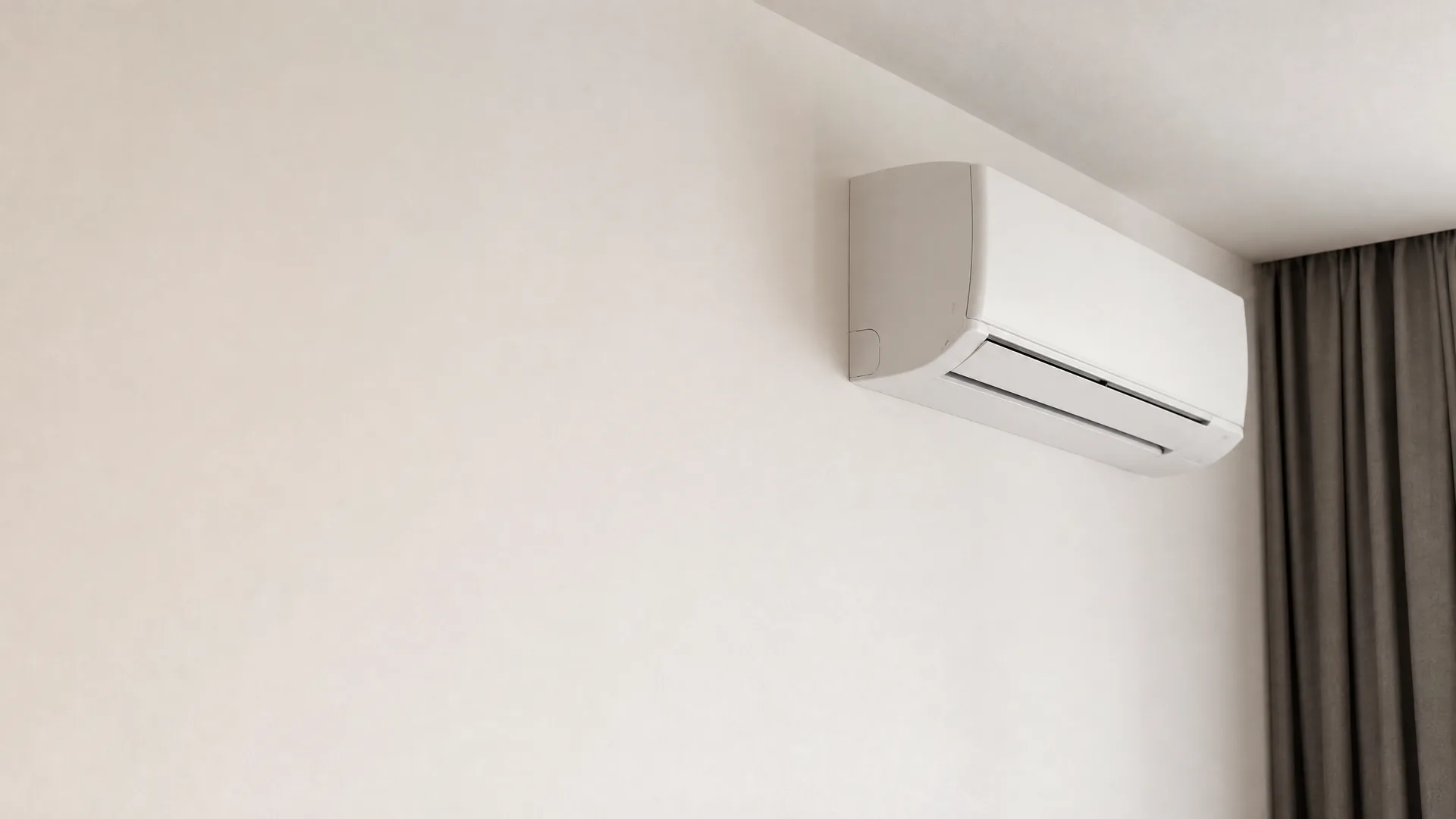
The indoor unit goes on an interior wall, high enough to spread air across the room, away from direct sun and away from the sofa or the bed, since a direct blast of cold air gets uncomfortable fast. The outdoor unit mounts on a wall bracket or a ground pad, close enough to the indoor unit to keep the line set short, but with clear space around it so air moves through the coil. In New York, summers get sticky, so that outdoor unit has to shed heat fast on the worst July days, which is why a shaded spot or at least one with some airflow around it matters more than it would somewhere milder. Most homes here heat with gas, so the mini split may only be carrying cooling and maybe a shoulder-season room, which changes where it makes sense room by room. Placement also affects how far the refrigerant lines and wiring have to run, and how much of your wall or siding gets touched to get them there.


A mini split is really two units joined by a line set and a condensate drain, and where those run decides a lot about where the units can go. The indoor unit needs a path for condensate to drain outside, so whoever mounts it has to slope a small hole away from the house, not toward it. Keep a few inches open on every side of the indoor unit too, since the cover comes off for coil and filter cleaning and a tight spot makes that a chore every time. The line set connecting the two units passes through a short wall penetration, so picking a spot close to an exterior wall keeps that run short and simple. Outside, a wall bracket lifts the unit above snow, which matters once a New York winter really sets in. A ground pad can work in place of a bracket, but only if it sits above where snow collects, or the unit goes on the roof instead. Either way, the outdoor unit needs open air on at least two sides to pull air through the coil without pulling in its own exhaust.
Where the lines and clearances go
- The indoor unit needs a clear path for its condensate line to drain outside, usually through a small hole sloped away from the house.
- Placement should leave at least a few inches of clearance on each side so the cover can come off for cleaning the coil and filters.
- The line set between indoor and outdoor units runs through a short wall penetration, so a spot near an exterior wall keeps that run short.
- Mounting the outdoor unit on a wall bracket lifts it above snow load, which matters once heating season turns to real winter here.
- A ground pad works too, but it needs to sit above where snow piles up, or stand on the roof if that's where they land.
- The outdoor unit needs open air on at least two sides so it can pull air through the coil without recirculating its own exhaust.


Why wall placement affects output
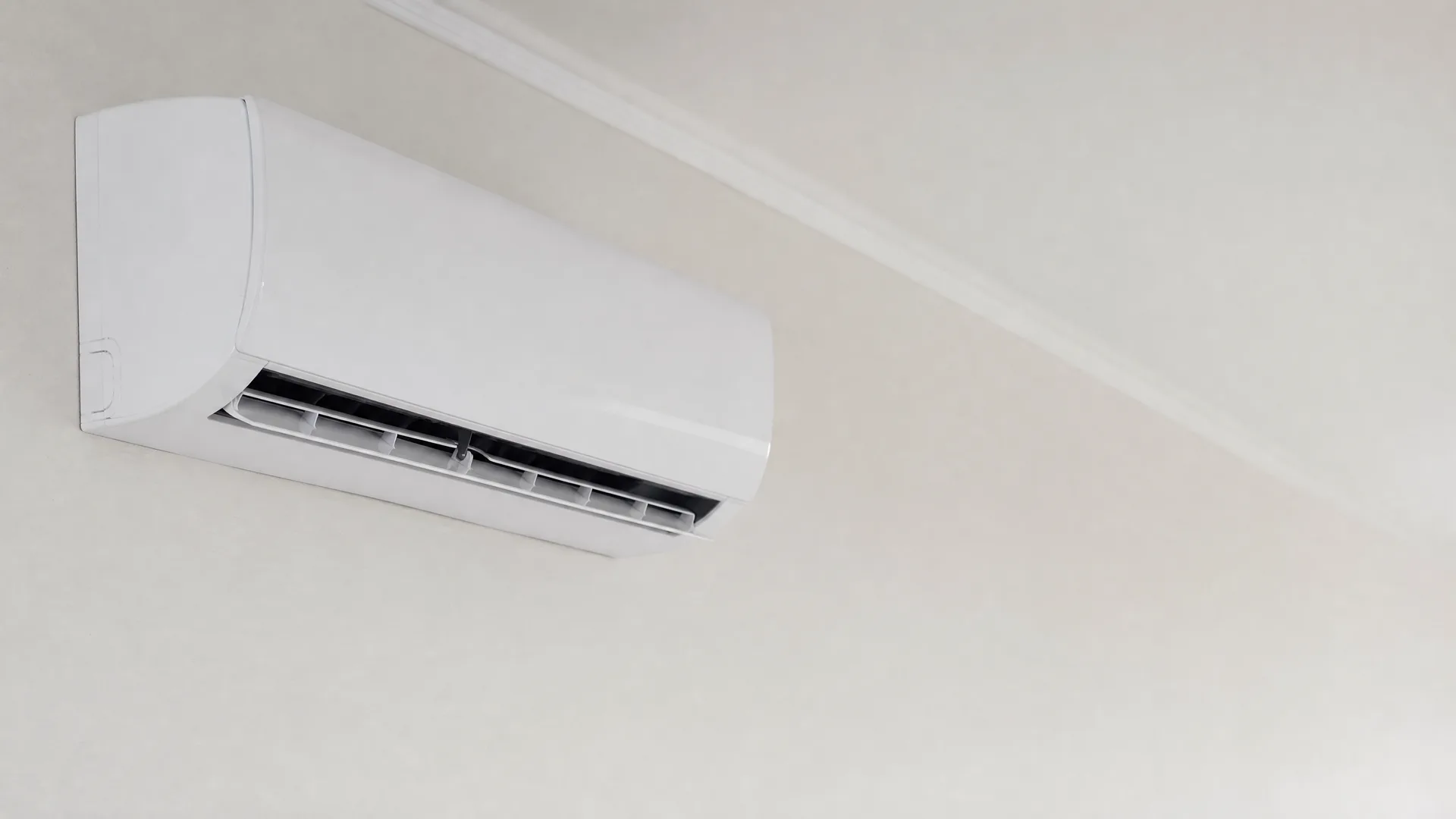
Warm air collects near the ceiling and cool air sinks, so a high wall mount lets the unit pull warm room air across its coil and push cooled air down into the space you're sitting in. Mount it too low and the airflow pattern works against itself, cooling the floor near the unit while the rest of the room lags behind. The line set that connects indoor and outdoor units runs through a single small hole in the wall, so the spot you pick indoors has to line up with a reasonable path to where the outdoor unit sits. A straighter line means less refrigerant line to run and fewer bends for the installer to work around.
What the outdoor unit needs nearby
The outdoor unit needs open air on at least a couple of sides so it can exhaust the heat it pulls from inside your home. Boxing it in against a fence or under a deck overhang makes it work harder to shed that heat, which shows up as weaker cooling on the muggy days you need it most. It also needs to sit above snow and standing water, which in New York means either a wall bracket off the ground or a pad set high enough that a hard winter doesn't bury it or let meltwater pool underneath.




No quotes to chase
Getting the placement right matters more here than the brochure makes it sound, especially with a gas furnace already tied into your ductwork and a mini split working alongside it. An installer has to account for where the line set can run, where the condensate can drain, and where that outdoor unit will sit without catching snow melt or summer runoff off the roof. Get it wrong and you're paying New York electric rates to run a unit that's straining against bad airflow all summer. Finding someone who installs these regularly, rather than someone who mostly does furnace work and takes mini splits on the side, usually means fewer surprises once the wall is opened up. Instead of calling around and explaining your layout to several companies, your request goes to one local contractor who installs this equipment in homes like yours and knows where these jobs tend to go wrong before the drilling starts.
The room that won't cool down
If the indoor unit lands over a window or behind a curtain, you will feel it in August. The room with the bad placement is the one where someone says it's hot in here while the rest of the house is fine. You will run that unit longer and harder to get the same result, and on a muggy New York afternoon it may never quite catch up.
What a bad outdoor spot costs you
An outdoor unit stuffed into a tight side yard or against a fence breathes worse and works harder all summer. You will notice it in the bill, since power here already costs more than most places. A unit with no room to pull air also tends to need more attention over the years, which means more visits and more cost than a unit set where it can breathe.
Power costs 26.39 cents per kilowatt-hour statewide
At that rate, every kilowatt your mini split wastes on bad airflow shows up on the bill fast. A unit placed well cools the room on less power. One fighting direct sun or a blocked path to the sofa runs longer to do the same job, and in New York that difference costs more than it would most places.
EIA-861 2025 statewide residential average



The installer checks the room to find the best wall for airflow.
A small hole gets drilled through the wall for the line set.
Refrigerant lines, wiring and the drain run from indoor to outdoor unit.
The outdoor unit gets mounted on a bracket or ground pad.

The right spot is the one that does its job quietly
A mini split mounted high, clear of sun and clear of the couch, with a straight run for the line set and the condensate drain, will cool the room it's in without a fight. That's the whole answer. Everything else is making sure the wall you pick actually allows for it, and that the outdoor unit has a place to sit where it can breathe.
Working that out room by room, and matching it against where your line set and drain can realistically run, is the kind of thing that's hard to get right from a search box. A local installer who puts these units in all over New York has already seen which walls in which houses cause trouble, and can tell you in one visit instead of a few guesses. That saves you the usual round of calling several companies, explaining your layout to each one, and sorting through quotes that assumed different placements. One contractor, already familiar with this equipment, looks at your room and tells you where it goes.


Mini Split Installation
Skip the search

- Get in touch with a local installer about a new mini split.
- A local installer who puts in mini splits gets your project.

- After this form, you can stop searching for a mini split pro.
- Send it once and finding someone is no longer on you.

- Describe your mini split job once, to one pro.
- Fill out one short form instead of calling around.

- The pro who reaches out is licensed in New York.
- Only one pro gets your request, so you hear from one company.