Can a mini split heat a New York home in winter

A white wall-mounted mini-split air conditioner indoor unit shown straight-on against a plain light gray background.
Hand off the search

Yes, a mini split can heat a New York home through the winter, but it has to be the right kind. A standard mini split loses capacity as the temperature drops, and on the coldest nights it may struggle to keep up on its own. The ones built for cold climates use a different compressor design that keeps pulling heat from outside air even down near zero, and they've become a real option in New York, including as the main heat source in homes that don't have gas. Sizing and installation matter more here than in a milder state. A unit picked for cooling alone, or placed where it fights the wind, will fall short in January even if it works fine in July. Get the equipment and the installation right and it will carry a New York winter.

A white wall-mounted mini-split air conditioner on a beige interior wall, with a cream curtain and window at left, a potted plant on a ledge at right, and a wood floor below.
A cold-climate mini split, properly sized and installed, keeps heating down to single digits outside without losing its output.
A dusty, discolored white wall-mounted mini-split air conditioner unit installed high on a plain interior wall below a white ceiling molding.
A mini split clogged with dust loses airflow and runs harder for less heat, right when a January night needs it most.
  1. The outdoor unit pulls heat from the outside air, even when it's cold.

  2. A refrigerant line carries that heat inside to the indoor head.

  3. The indoor unit blows heated air straight into the room.

  4. Below freezing, the system runs longer cycles to keep pulling heat.

Mini split alone or with gas backup

Mini split alone

  • A cold-climate mini split can carry the whole heating load on its own if it's sized for your home's heat loss, not just its square footage.
  • Most New York homes already heat with gas, so a mini split as the only heat source means no furnace running as backup.
  • Electric heat costs more per unit here than in most of the country, and a mini split handling everything will show up on that bill.
  • Sizing has to account for the coldest nights you actually get, not an average day, or the unit will fall short exactly when you need it.
  • There's no second system to lean on if the mini split needs service, so any repair means the heat is out until it's fixed.

Mini split with gas backup

  • The mini split handles the milder months and the gas furnace kicks in on the coldest nights, so neither system is pushed past what it's built for.
  • Gas heat in New York is usually the cheaper fuel, so letting the furnace take over below a certain temperature keeps the electric bill down.
  • Two systems means two things that can need service, and keeping both tied into one thermostat setup adds a layer a single system doesn't have.
  • A furnace already in the house gives the mini split a backup for the handful of nights a season ahead of the cold snap, before any install gets scheduled.
  • The mini split still does most of the work most of the year, since a furnace running only on the coldest days barely gets used.
A man in a navy sweater reclines with closed eyes in a beige armchair in a living room, with a lamp, wooden cabinet, bookshelf, potted plant, and a side table holding a newspaper and mug nearby.
A man in a blue henley shirt reclines on a leather chair with his eyes closed, beside a window, a houseplant, a side table with a newspaper and a dark mug.
A man in a gray sweatshirt reclines with his eyes closed in a dark leather chair, with a bookshelf behind him and a side table holding folded newspapers, a mug, and a potted plant by a window.
A man in a blue sweater leans back on a brown leather chair with his eyes closed and a slight smile, in a room with bookshelves, framed pictures, a potted plant by a window, a folded newspaper and a dark mug on a table.
A wooden table in the foreground holds a closed laptop and a ceramic mug of coffee, with a spindle-back wooden chair behind it, a beige wall with paneled wainscoting, a window at left, and a kitchen counter with a cutting board, bowl of fruit and greenery at right.

If it's not sized for your house, you'll feel it in January

A mini split that's too small for your house will run flat out on the coldest nights and still lose ground. You'll notice it as a room that never quite gets warm, or a thermostat that reads 68 while you're reaching for a sweater. One that's oversized cycles on and off too fast to dehumidify properly, which matters once summer comes back around. Either mistake traces back to the same step: sizing the unit to how much heat your house actually loses, not just its square footage.

That's the part that's hard to check yourself, and hard to shop for. You'd be calling around asking contractors to explain heat loss calculations over the phone, comparing quotes that size the same job three different ways, and hoping whoever you pick has actually installed a cold-climate system before and not just a standard one. Send the form once and that search is off your plate. Someone who installs these for a living gets in touch, sizes it to your house, and you're not the one chasing it down.

A gray upholstered sofa with a beige cushion and knit blanket beside a curtained window, with a white mug and a book on a dark wooden table in the foreground and a lit lamp in the background.
A white wall-mounted mini-split air conditioner near the ceiling of a room with light gray walls, white crown molding, and a beige curtain at the left edge.

Running clean, pulling its weight

A mini split installed well and kept clear moves warm air across the room without strain. The wall stays clean around it. In January that matters, because the unit is working longer hours just to keep up with the cold outside.

A dusty beige wall-mounted mini-split air conditioner indoor unit installed high on a plain light-colored wall below the ceiling.

Dust and staining mean lost heat

Grime on the coil and staining on the wall point to airflow that's been cut off for a while. A unit in this shape is pulling more power and still falling short, right when your house needs every bit of heat it can get.

How does a mini split keep heating once it's below freezing outside?

You've seen a mini split keep a room warm on a mild day, but New York winters bring stretches where the outdoor temperature sits below freezing for days at a time. You want to know what actually happens inside the unit when it gets that cold, not just whether it technically still runs.

It runs longer cycles and pulls harder on the same process, not a different one

A mini split doesn't switch to a backup method when it's cold outside. It keeps pulling heat from the outdoor air the same way it does at 40 degrees, through the refrigerant in the outdoor unit. The difference is how hard it has to work. Cold air holds less heat to begin with, so the system runs longer cycles and the compressor stays on more to move the same amount indoors. A cold-climate model is built with a compressor and refrigerant designed to keep doing this efficiently well below freezing. A standard model can still draw heat from cold air, it just runs out of capacity sooner, which is why sizing and the unit's rating matter more than the brand name on the wall.

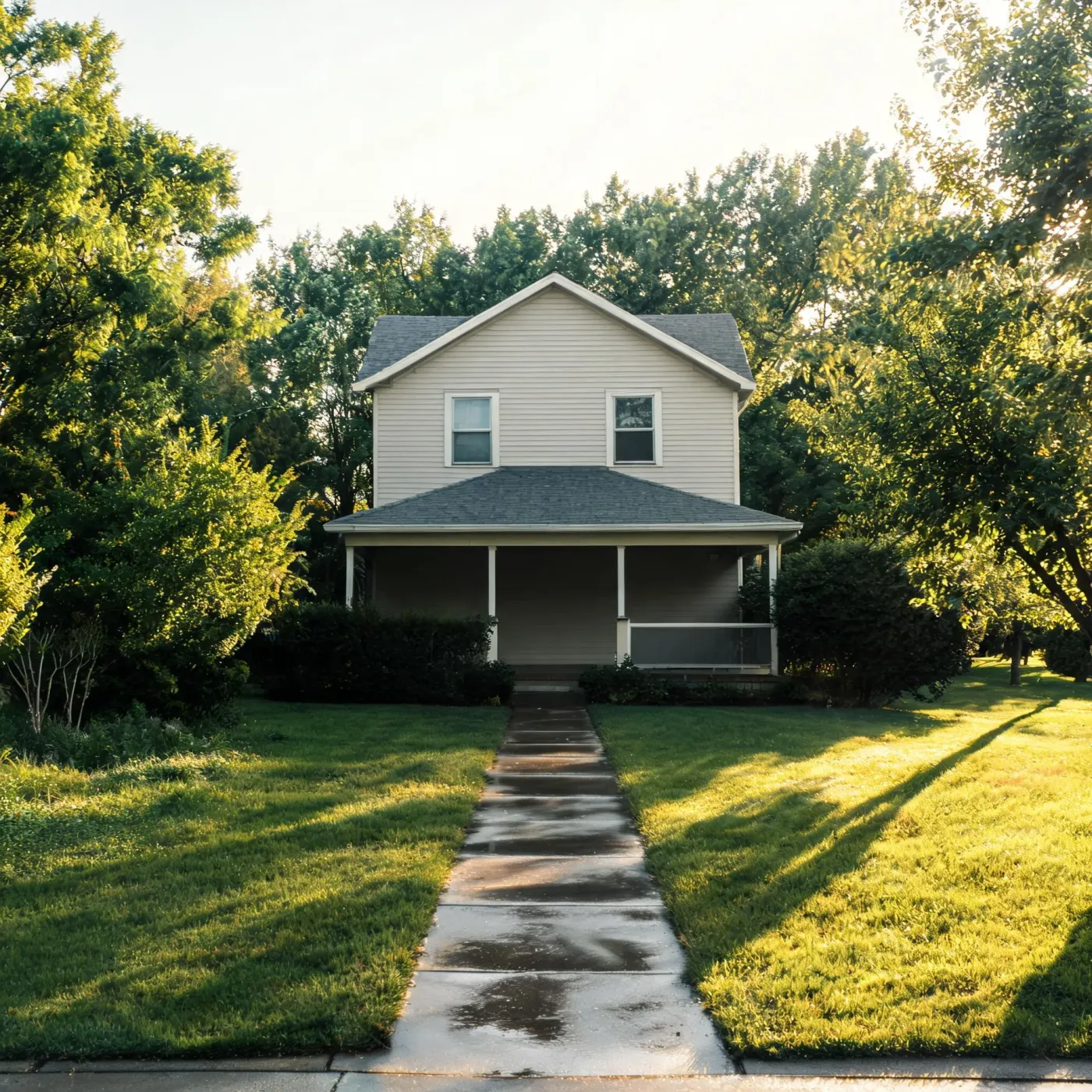
A two-story cream-colored house with a covered front porch and gray shingled roof, fronted by a concrete walkway crossing a green lawn, with large leafy trees on both sides in late-day light.

New York summers run a dew point of 62°F across June, July and August, averaged over where homes in the state sit, according to NOAA. That's heavy air, the kind that makes a room feel warm even when the thermostat says otherwise. A mini split pulls that moisture out as it cools, which is part of why the same unit can carry a room through summer and winter both. But a system sized only for how a room feels in July can come up short once it has to hold heat against a January wind. Getting the sizing right for both ends of the year is what installation is for. Send the details once and skip calling around New York for someone who'll actually look at the whole picture.

NASA POWER T2MDEW county cells weighted by homes

Let someone else find the pro

Skip collecting and comparing quotes for the new mini split.

Asking costs nothing, and the choice to hire stays yours.

Checking the rating label

Every mini split carries a heating capacity rating at low outdoor temperatures, usually listed down to 5°F or lower on cold-climate models. That number tells you what the unit can still put out when it's genuinely cold, not just what it does on a mild fall evening. A standard model's rating often drops off sharply below freezing, while a cold-climate unit holds most of its capacity. Installers size the system against your home's heat loss at that low temperature, not against the square footage alone. That's the figure worth asking about before anything goes on the wall.

What backup heat is for

Some homeowners pair a mini split with the gas furnace already in the house rather than replacing it outright. The furnace kicks in only on the coldest stretches, when even a cold-climate unit is working its hardest to keep pulling heat from outside air. This isn't a sign the mini split failed. It's a setup where two systems split the work across a New York winter, with the furnace covering the extremes and the mini split carrying the rest. Whether that makes sense depends on how the house loses heat and what's already installed.

A white wall-mounted mini-split air conditioner indoor unit installed near the ceiling on a plain light-colored wall, with its horizontal outlet vent and louvers visible.
Before you get your mini split installation
A white wall-mounted mini-split air conditioner on a beige interior wall, with a curtained window on the left and wood flooring with a light rug below.
After you get your mini split installation

Keep the furnace, or let it sit idle

If your mini split is sized to carry the whole house, you can leave the furnace alone and let it sit as backup for the week or two a year that drops hardest. It costs you nothing to keep it hooked up, and it's there if the outdoor unit ever needs service in January. Some homeowners run both on purpose, switching the furnace on only when the temperature falls past what they want the mini split handling alone. Either way works. What matters is deciding ahead of time instead of finding out mid-winter which one you meant to rely on.

Finding the right installer takes time you don't have in December

Sizing a cold-climate mini split for a New York winter means someone has to work out your home's actual heat loss, not just measure the rooms. Getting that done usually means calling a few contractors, explaining the house to each one, waiting on quotes, and comparing what they sized differently. Send the form on this page and that search is off your plate. You're not left sorting through names or repeating the same explanation to a third contractor. Once it's sent, finding someone to install it stops being something you have to manage yourself.

Power costs 26.39 cents per kilowatt-hour statewide

At 26.39 cents per kilowatt-hour, every hour your mini split runs below freezing shows up on the bill fast. That's the math behind sizing it right and keeping it clean, since a unit straining for heat on a cold night is pulling hard at that rate.

EIA-861 2025 statewide residential average

A gray-haired man with a beard in a blue button-placket shirt reclines on a couch with his eyes closed, beside a sunlit window with a green plant.
A woman in a cream knit sweater sits in an armchair with her eyes closed near a window showing yellow autumn foliage, with a mug on a round wooden side table beside her.

So, can it heat your home

  • A cold-climate mini split sized for your home's heat loss can carry you through a New York winter on its own.
  • The rating label tells you what the unit can still deliver at 5°F, not just its listed capacity.
  • A unit that's too small or clogged with dust will run longer and lose ground on the coldest nights.
  • Keeping the furnace as backup costs nothing and covers the week or two a year that hits hardest.
  • At 26.39 cents per kilowatt-hour, a mini split sized and installed right is what keeps a cold night from showing up on the bill.

The answer is yes, with a condition attached. A mini split heats a New York home through the winter when it's a cold-climate model, sized for how much heat your house actually loses, not just its square footage. Get that part wrong and you'll feel it on the first hard freeze, in a room that won't come up to temperature or a unit that runs constantly and still falls behind. Get it right and it carries the load down into single digits outside without losing capacity.

None of that happens by accident. Sizing a mini split means working out your home's heat loss, picking a unit rated for the cold you actually get, and installing it so the lines and the placement don't work against it. That's a different job than most homeowners are set up to check on their own, and it's not something a listed capacity number on a brochure tells you by itself.

Finding someone who does that work correctly, rather than someone who'll sell you whatever's in stock, usually means calling around, asking the same questions three or four times, and trying to compare quotes that aren't quite answering the same thing. Sending the form here skips that part. You're not vetting installers or explaining your situation over and over, you're just waiting to hear from one who already knows what a New York winter asks of this equipment.


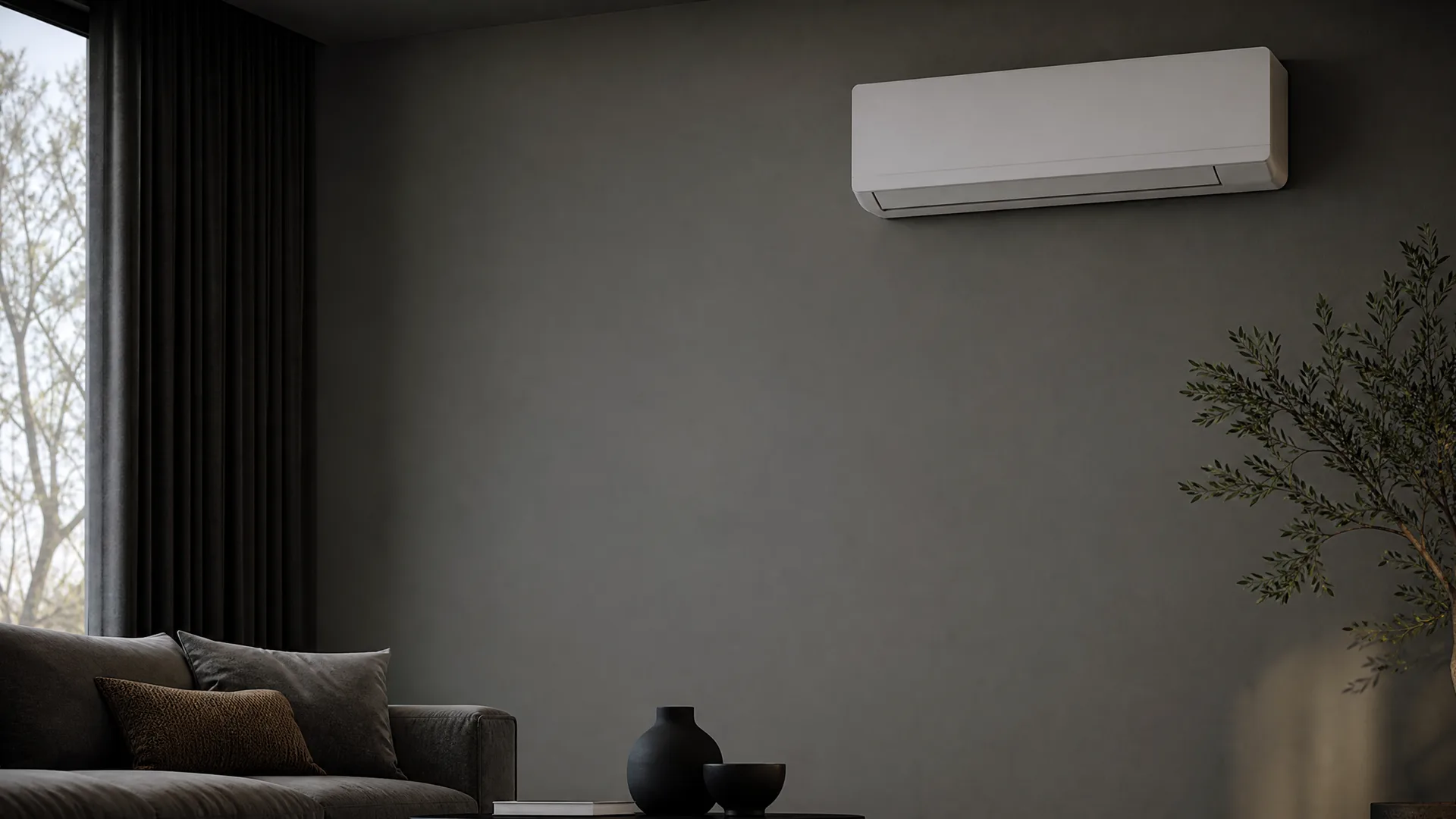
A white wall-mounted mini-split air conditioner on a dark gray interior wall above a gray sofa, with a window and curtain at left, a potted olive-like plant at right, and a black vase and bowl on a table in the foreground.

One request and it's handed off

Skip the round of in-home estimates for a new mini split.

New system or replacementMini-splitNew York
Step 1 of 2

What ZIP code is the job in?