 Get matched
How long a heat pump lasts in Buffalo, NY
Your new heat pump project goes to an installer who works in Erie County.
A heat pump in Buffalo works harder than in most places. Winters here are hard, and the unit runs for months pulling heat out of cold air, then switches over and runs again all summer for cooling. That kind of duty adds up differently than it does somewhere milder.
Most homes in Erie County heat with gas, so a heat pump here is often doing less of the heavy lifting than it would in an all-electric house, or it's carrying the whole load on its own. Either way, how long it lasts has a lot to do with how it was sized and installed for your house, not just the brand or the model.
Power here is expensive, so a heat pump that's struggling, short cycling, running longer than it should, icing up and defrosting too often, costs you more while it's wearing down faster. A unit that was installed right for your home's size and your winters tends to get through its years without those problems.
This is where installation matters more than people expect. The same heat pump, put in by someone who sized it correctly for your square footage and your Erie County winters, and set the refrigerant charge and airflow right from the start, holds up differently than one that was rushed or undersized to save money upfront.
If you're trying to figure out whether your current unit is on track or if a new one makes sense for your house, the straightforward move is getting it looked at by someone who installs these in Buffalo regularly and knows what they hold up against here. Once you send that request, it's no longer on you to track down who's available and who knows the local conditions. A contractor who handles installations in your area gets your details and reaches out to you directly, so the next step is theirs to carry, not yours.
Most heat pumps in Buffalo last around 12 to 15 years, often on the shorter end of that range. The reason comes down to what the hero already said: the system runs nearly year round here, pulling heat from cold air all winter and switching to cooling for summer, with little real downtime to rest the compressor. Winters below freezing force the unit to work harder for every degree of heat it delivers, and that strain adds up faster than it would somewhere with a milder cold season. For you, this means paying attention after year ten matters more than it would elsewhere. A heat pump that struggles to keep up on the coldest days, or one that's needed more repairs the last winter or two, is likely nearing the end even if it still runs. Knowing that now gives you time to plan a replacement before a hard freeze forces the decision for you.
What's actually wearing your heat pump down?
Winter nights average 19°F
Overnight lows average 19°F here in December, January and February. That's cold air for a heat pump to pull heat out of, hour after hour.
Heat runs October through May
Heat runs October through May in Erie County. That's eight months a year the compressor is working, not the three or four you'd see further south.
Cooling runs July through August
Cooling only runs July and August here. The other ten months, your heat pump is on heating duty, which is the harder half of its job.
NOAA nClimDiv 1991-2020
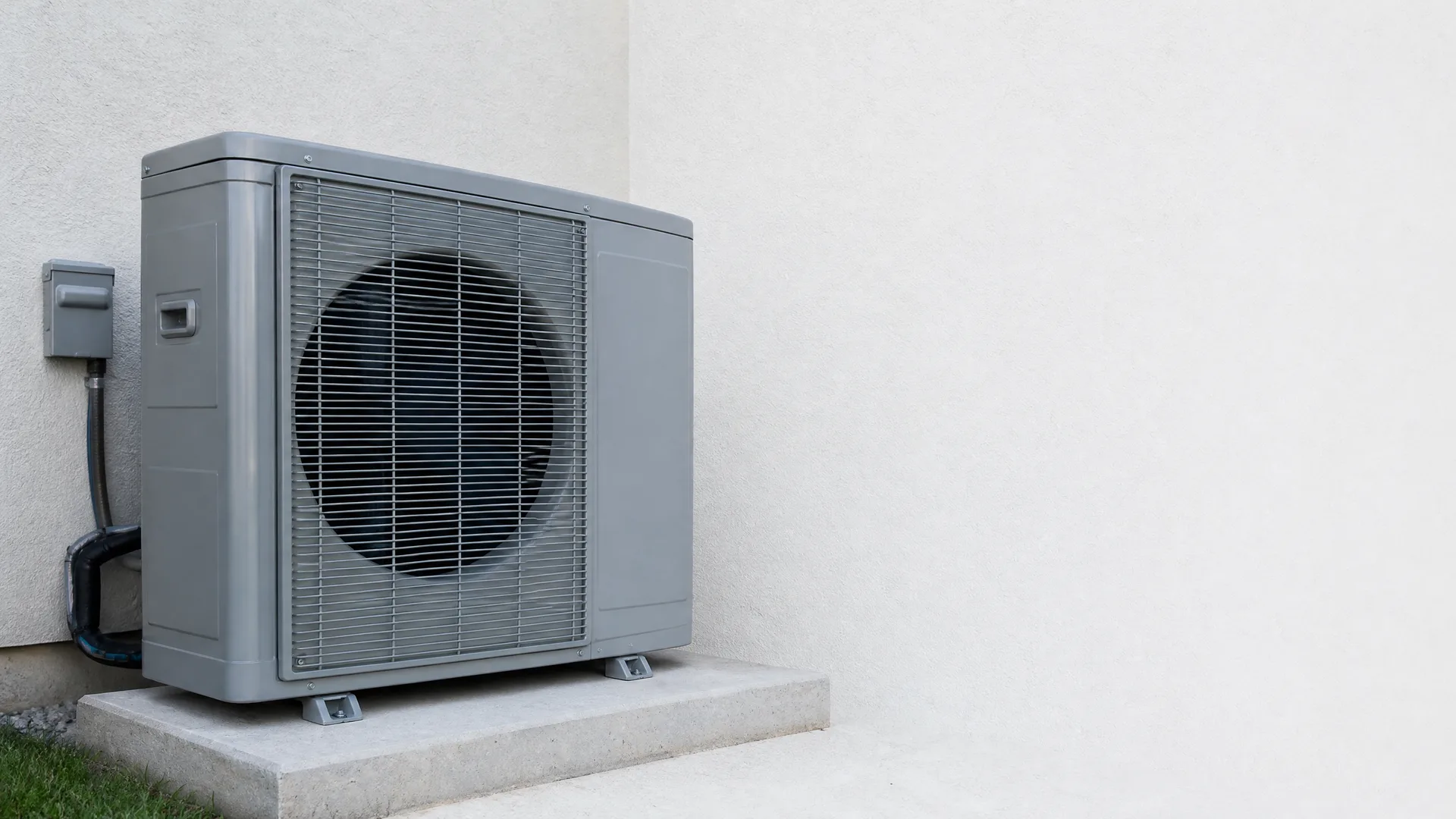
A heat pump kept up well
Filters get changed on schedule. The outdoor unit stays clear of leaves and snow. A contractor comes out once a year to check refrigerant charge and clean the coils. Caught early, a weak capacitor or a failing contactor gets replaced before it takes the compressor with it. A system run this way is more likely to reach 15 years, sometimes further, because nothing was left to wear on parts that depend on each other.
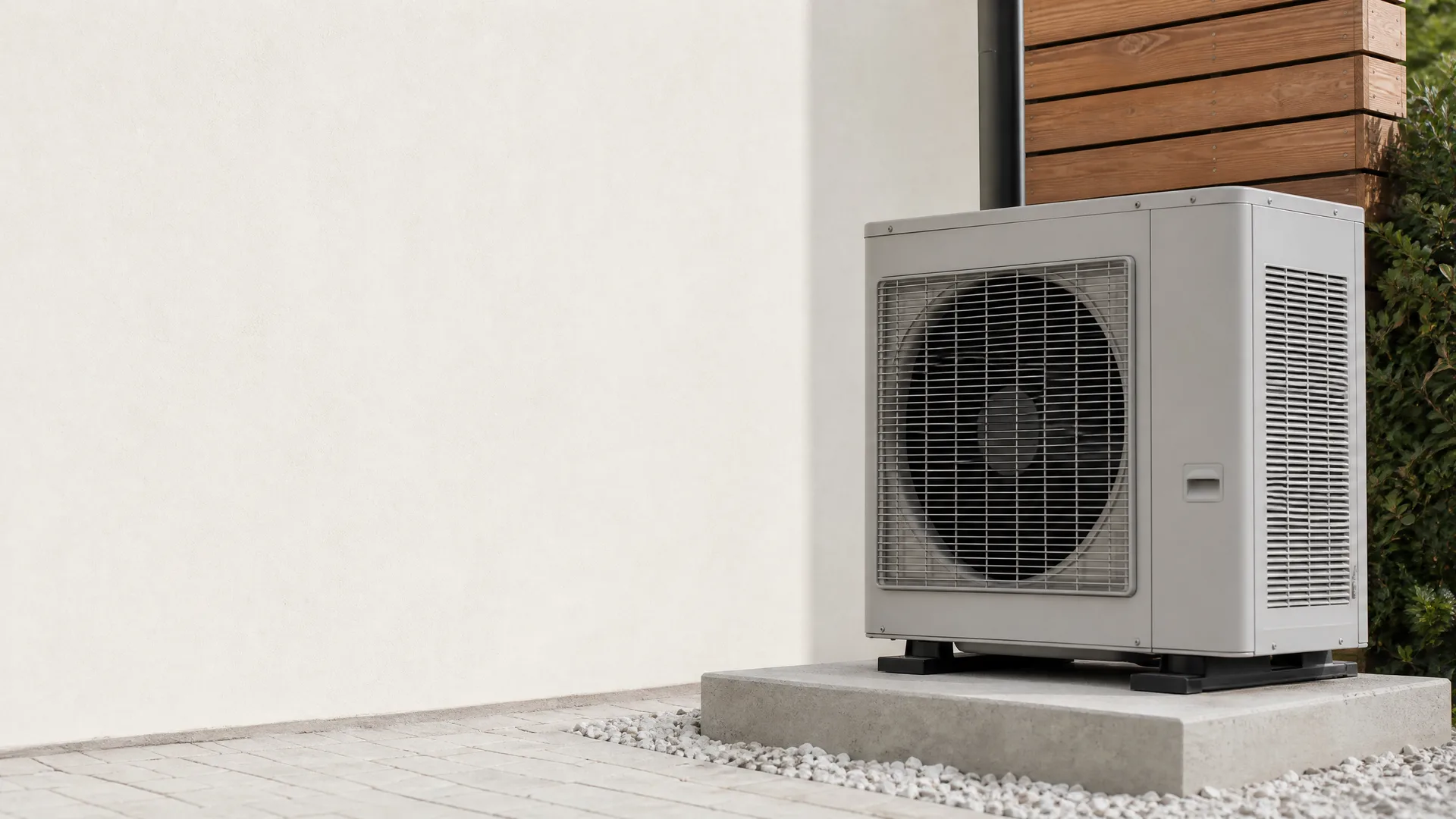
A heat pump left alone
Filters go months past when they should change. Ice builds on the outdoor coil in January and nobody clears it. No one looks at refrigerant levels until the house stops heating right. A compressor working against a dirty coil or a low charge runs hotter than it should, every hour it runs, and in Erie County that's most of the year. Problems that would have been a small repair turn into a failed unit, often well short of 12 years.
Power here costs 20.36 cents per kilowatt-hour
At 20.36 cents per kilowatt-hour, every extra year a strained heat pump keeps limping along costs more to run than a system working the way it should. A unit that falls behind on output pulls more power to hit the same temperature, and that shows up on your bill long before it fails outright.
EIA-861 2025




Find a heat pump installation pro in Erie County
A heat pump that's eight or ten years into a Buffalo winter is already working past what it was new. By year twelve or so, the questions change. Is it worth another repair, or is replacement the better move now before a January cold snap leaves you without heat. That decision is easier with someone who can look at your actual unit, not a general number. A contractor who knows Erie County installs knows what holds up against lows in the teens and what doesn't, and what size and type fits a house like yours instead of a house in general. Getting that answer now, before anything fails outright, means you're choosing on your own schedule instead of scrambling in the cold. Send the request and let someone who does this work sort out what your house actually needs.
Where Your Heat Pump Stands
- Most heat pumps in Erie County run 12 to 15 years before the compressor or coils give out for good.
- Eight months of heating duty plus a full summer of cooling wears a Buffalo heat pump faster than milder climates would.
- A unit serviced yearly and kept clear of snow and leaves tends to land on the longer end of that range.
- One that skipped maintenance or ran through a hard winter without repair often falls short of 12 years.
- Once a heat pump is past year ten, deciding on repair versus replacement is worth doing before the next cold snap, not during it.
- A contractor who knows Erie County winters can look at your specific unit and tell you where it stands.
Twelve to fifteen years is the range for a heat pump in Erie County, and where yours falls in it comes down to how it's been run and kept up. Eight months of heating plus a full summer of cooling is more work than this kind of system does almost anywhere else, and that shows up in the compressor and coils before it shows up anywhere you can see. A unit that got its yearly service, stayed clear of snow and leaves, and had small problems fixed as they came up tends to make it to the longer end of that range or past it. One that skipped maintenance, or ran through a hard winter on a failing part because nobody caught it, tends to fall short. None of that is a guess once the unit is in front of someone who knows what to check. Past year ten, the question of repair versus replacement is worth answering on your own schedule, not in the middle of a cold snap when the heat is already out. That's a different conversation than the one you have at year three or year six, and it's worth having before the weather forces it. A contractor who works on Erie County heat pumps can look at the age, the condition, and the repair history on yours and tell you plainly where it stands and what makes sense from here. Sending that information takes a few minutes, and once it's sent, you're not the one tracking down who's available.

Heat Pump Installation
The right pro for this job

- Get in touch with a local installer about a new heat pump.
- Get matched with a pro who works on heat pumps in Erie County.

- Send the form and the search for an installer is over.
- Send the request and finding a pro stops being your problem.

- Skip the round of in-home estimates for a new heat pump.
- Describe the project once instead of to every installer.

- A licensed installer who works in Erie County gets your project.
- One installer gets your project, so there's no bidding war over it.