
Is a heat pump enough for winter in Buffalo, NY
Find a pro near meA heat pump in Buffalo has to work through real cold, not just a few chilly mornings. You are asking the right question before the snow flies, not after a January night tells you the hard way. Whether yours can carry the house through the coldest stretch depends on the unit itself, how it was sized, and whether it has backup heat to lean on when the temperature drops low. That is not something to guess at from a search result. A contractor who knows Erie County winters can look at your specific setup, your ductwork, your home, and tell you where it stands. Send the form and that search is off your plate. A local contractor who installs and services heat pumps in this area will reach out to you directly, and you can ask them the question straight: is this system, in this house, enough for what's coming. You get a real answer instead of a guess, and you get it from someone who works on these systems in this cold every winter.
A heat pump can heat your home through a Buffalo winter, but most of them lose their edge somewhere in the teens, and Erie County sees plenty of nights colder than that. As the outdoor air drops, the heat pump has to work harder to pull warmth from it, and below a certain point it can't pull enough to keep up with the house. That's why most homes here heat with gas, and why a heat pump in this climate usually needs a backup, either a furnace it hands off to or built-in electric strips that kick in on the worst nights. The system can still do real work the rest of the year and during milder cold, cutting down on how much the backup has to run. Whether yours is set up that way, and whether that backup is sized right for how cold it actually gets here, is worth checking before winter tests it for you.
Can a heat pump keep up on Buffalo's coldest nights?
Winter nights average 19°F
Winter nights here average 19°F, and that's the range where older heat pumps start to struggle most.
Heat runs October through May
Eight months of heat a year means your system leans on its lowest-temperature performance far more than on its peak output.
Cooling runs July through August
Only two months of cooling means the heat pump earns its keep mostly as a heater, so winter performance is what matters most.
NOAA nClimDiv 1991-2020
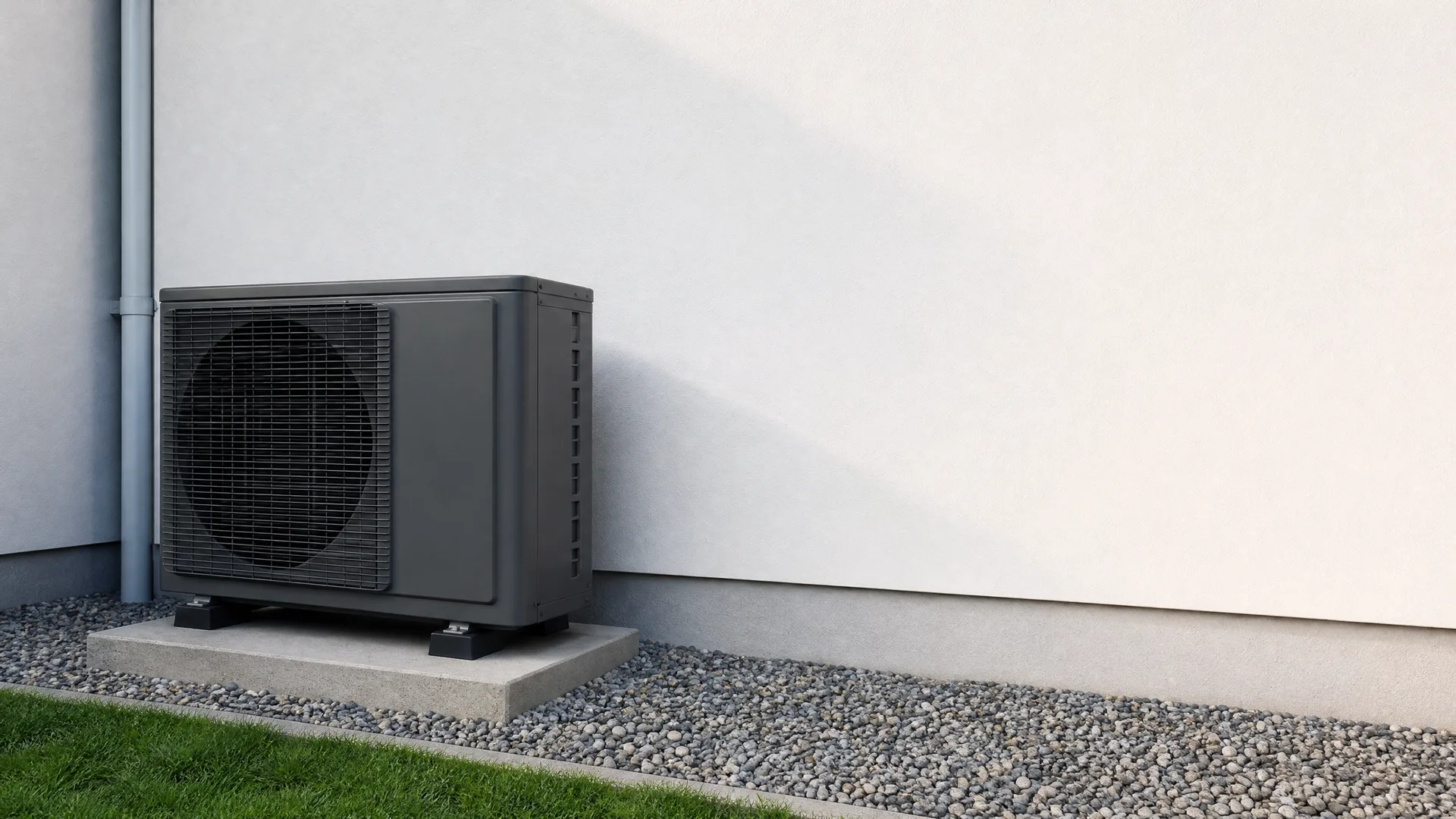
A heat pump alone
On its own, a heat pump keeps pulling heat from outside air as the temperature falls, but its output drops along with it. Past a certain point, usually somewhere in the teens, it can't move enough heat to keep the house at temperature, even running constantly. On those nights it either falls behind or switches over to electric strip heat built into the air handler, which costs more to run than the heat pump itself.
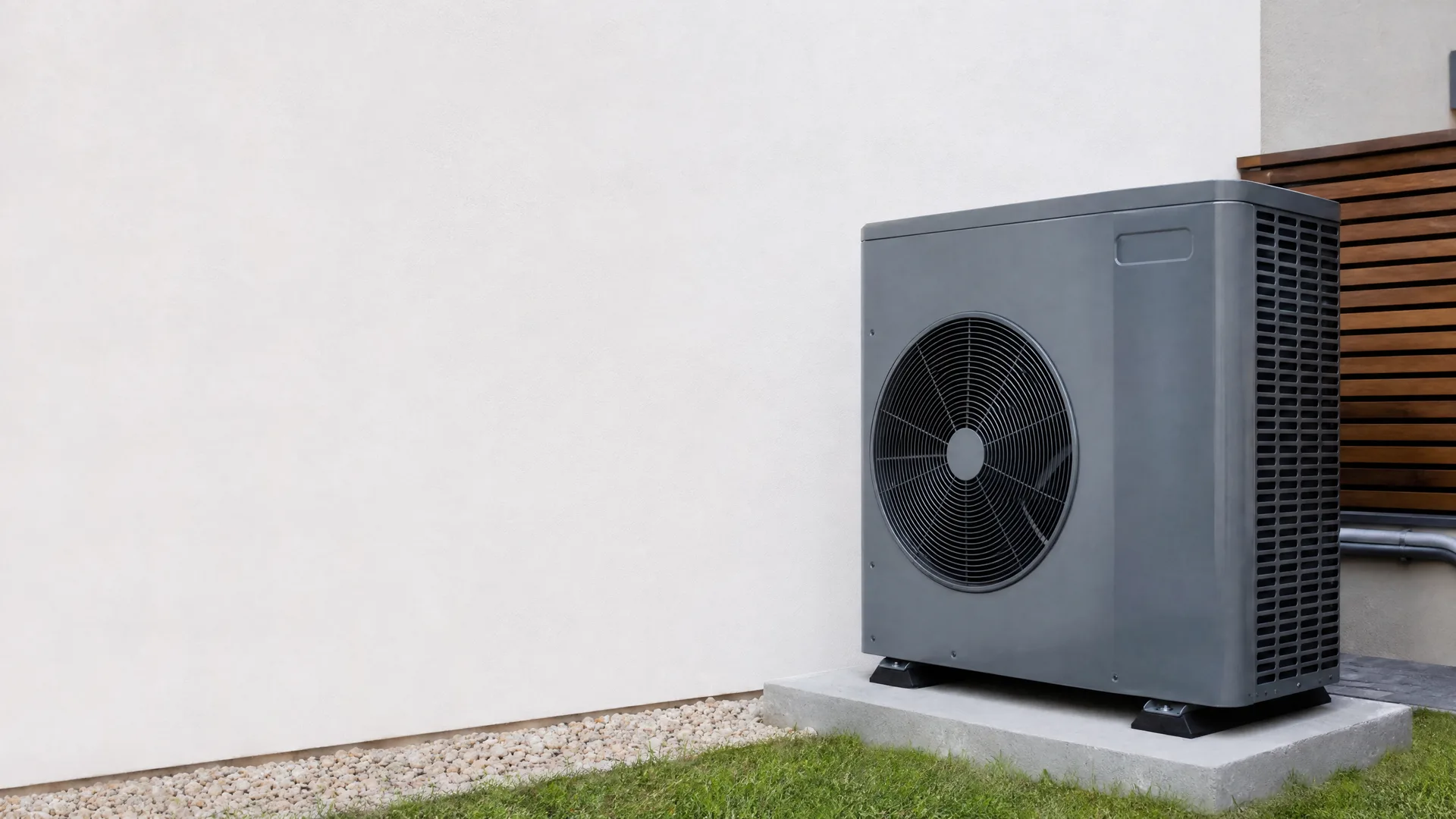
A heat pump with backup
Most homes in Erie County pair the heat pump with a gas furnace, so the furnace takes over once the outdoor temperature drops below where the heat pump can keep up. The heat pump handles the milder stretches of winter on its own, and the furnace carries the house through the coldest nights. Which one is running at any given time depends on a thermostat setting called the balance point, set during installation.
Heat Pump Alone or With Gas Backup
Heat pump only
- Once outdoor temperatures drop into the teens, most heat pumps start losing their ability to keep up with the house's heat loss.
- On the coldest nights of an Erie County winter, the system may run constantly and still fall short of your thermostat setting.
- Electric resistance backup built into some systems can cover the gap, but it runs up the power bill fast since electricity here isn't cheap.
- Without a backup heat source, you're relying on the compressor to keep working in conditions it wasn't necessarily sized for.
- Some older or lower-capacity heat pumps were never rated to perform much below freezing in the first place.
- If the system is undersized for Buffalo's winters, you may notice the house struggling to hold temperature on the worst nights.
Heat pump with gas backup
- A gas furnace paired with the heat pump takes over once outdoor temperatures drop below the point where the heat pump loses efficiency.
- Most homes in this area already heat with gas, so the fuel source and the gas line are often already in place.
- The heat pump still handles the milder months, including spring and fall, when it runs more efficiently than gas alone.
- Switching between the two happens automatically through the thermostat or control board, without you adjusting anything.
- Gas heat produces warmer air at the vents than a heat pump does, which matters most on the coldest nights.
- This setup avoids leaning on electric resistance backup, which costs more to run than gas during an Erie County winter.




Get the right pro for your heat pump
A heat pump in a home without a backup source has one job on the coldest night of the year, and that's the night it matters most. If yours was installed with gas backup or a furnace already in the house, it likely switches over on its own and you may not need to change anything. If it's running alone, the question is what happens at 5 degrees, not at 35. That's not something you can tell by looking at the unit, and guessing wrong means finding out during a cold snap instead of before one. A contractor who knows Erie County installs can look at what you have, tell you where it falls short for your house specifically, and lay out what adding backup heat or upgrading the system would take. Getting that answer now means one less thing to worry about once the snow is down and the temperature won't climb back above freezing.
Where You Stand This Winter
- A heat pump can carry a Buffalo winter, but most need backup heat once temperatures fall into the teens.
- Erie County averages around 19°F on winter nights, right where a heat pump alone starts to lose ground.
- A furnace or gas backup paired with the heat pump means the switch to backup heat happens without you doing anything.
- A heat pump with no backup source is the one that leaves a house short on the coldest night of the year.
- Checking how your system is set up now settles the question before a cold snap forces the answer.
- Submitting the form hands the search for the right contractor to someone else, not off to you.
A heat pump is not the wrong choice for Erie County. It is the wrong choice only without a way to pick up the load once the air outside gets too thin to pull heat from. That's the plain answer. Winter nights here settle around 19°F often enough that the question isn't rare or theoretical, it comes up most years, more than once. A heat pump paired with a furnace or gas backup handles that moment on its own. The system switches over when it needs to, and the house stays warm without anyone touching a thermostat at 2 a.m. A heat pump working alone has no such option. It keeps trying, and on the coldest nights that effort isn't enough, and the house falls behind on heat right when it matters most.
What settles this for your house is what's actually installed, not what's typical for the area. Some homes already have a furnace sitting alongside the heat pump, ready to take over. Others don't, and that gap is worth knowing about before a cold snap, not during one. A contractor can look at what you have and tell you where you stand, whether that means adding backup or confirming what's already there is enough.
Sending the form moves that search off your plate. A contractor who knows Erie County winters takes it from there, and you're not the one chasing down who's available or who knows heat pumps in this climate. That part stops being your problem the moment it's sent.

Heat Pump Installation
A pro who works on heat pumps

- Get matched with someone who does this kind of work in Erie County.
- A local installer who puts in heat pumps gets your project.

- One request ends the search for a heat pump installer.
- Once you send the form, finding a pro is off your list.

- Skip collecting and comparing quotes for the new heat pump.
- Skip the round of in-home estimates for a new heat pump.

- A licensed installer who works in Erie County gets your project.
- The pro who gets in touch is licensed in New York and works in Erie County.