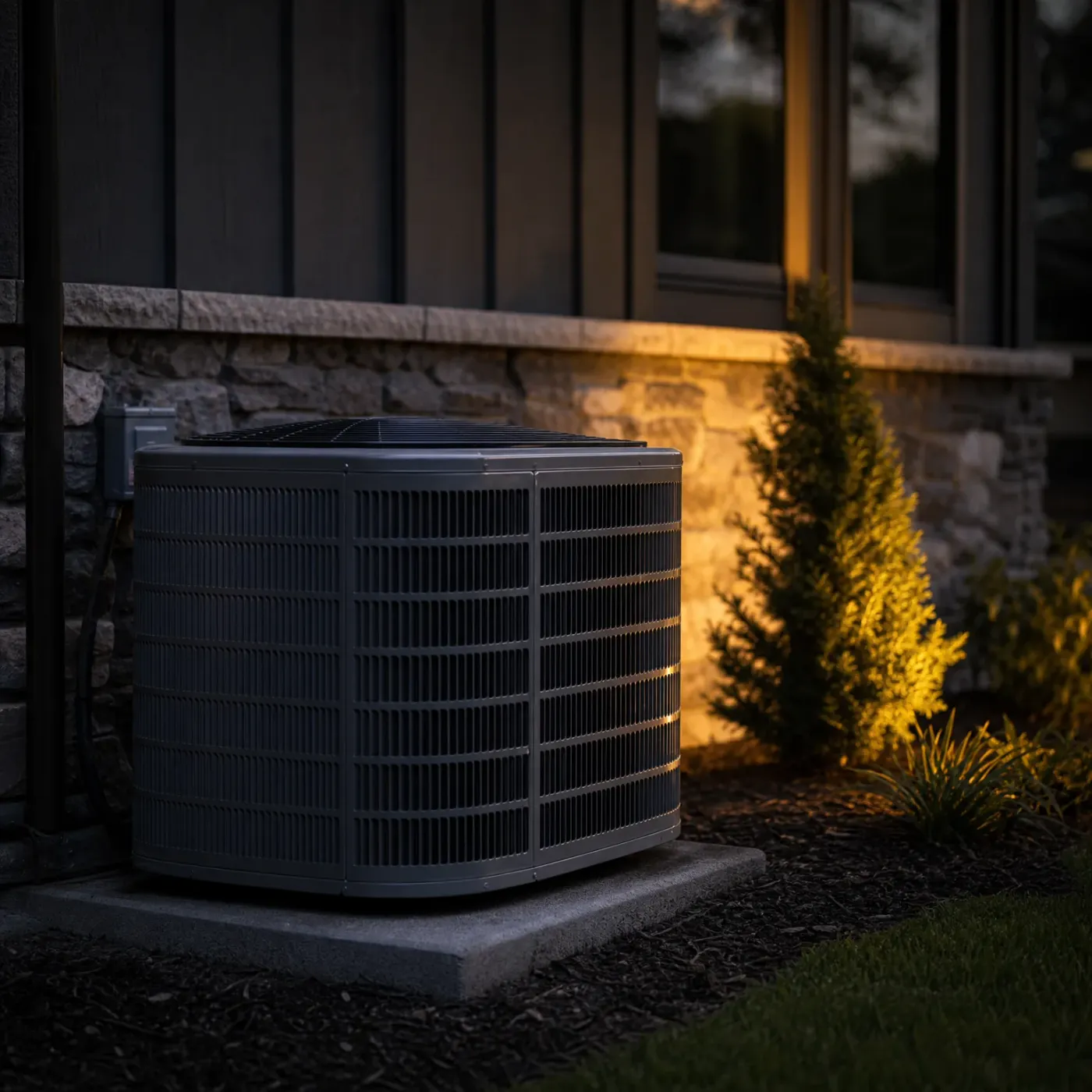
An outdoor air conditioning condenser unit on a concrete pad beside a house with stone veneer and vertical board siding, with a small shrub and mulch bed lit by a ground light at dusk.

Get matched with an air conditioner pro in Bronx County

AC unit frozen up in Bronx, NY

A frozen AC means something's stopping the system from moving heat the way it should, and running it longer won't thaw it out. This page gets into why coils ice up in Bronx summers and what to check before the whole unit shuts down. Skip calling around for someone to look at it. Answer a few questions and a contractor who handles this gets in touch.

Get an air conditioner pro

A frozen AC usually means airflow across the indoor coil has dropped off, or the system is low on refrigerant. Either one lets the coil get cold enough to freeze the moisture in the air passing over it, and once ice builds up it blocks airflow even more, so the problem feeds itself. A dirty filter, a blower that isn't pushing enough air, or closed vents can all starve the coil. So can a refrigerant leak, since low charge drops the pressure in the coil below freezing even on a hot Bronx afternoon. Running the unit longer, or turning the thermostat down further, just keeps feeding cold air into a system that can't move heat right now. Shut it off and let it thaw before anything gets checked, because ice sitting on the coil can crack it. The fix depends on which of these is actually happening, and that takes someone looking at the system directly.

A woman in a cream turtleneck sweater stands beside a large window with snow outside, looking to the side, in a dimly lit living room with a sofa, lamps, candles and framed artwork.
A woman in a light gray cable-knit turtleneck sweater stands by a window looking outside at snow, with a living room behind her containing a stone fireplace, lit lamp, framed pictures, and a sofa with a plaid throw.
A woman in a dark gray turtleneck sweater stands by a window with snow visible outside, in a dimly lit living room with a gray sofa, lamp, framed painting, and dark-framed glass door.
A woman in a cream turtleneck sweater stands by a window looking out at falling snow and snow-covered trees, with a dimly lit living room containing a sofa, lamp and fireplace behind her.

Why is ice building up on my AC lines?

Look at the indoor unit or the line set running outside, and you'll likely see a white crust or solid ice on the copper lines, sometimes coating the whole coil. Inside, the air coming from your vents may feel weak or barely cool, even with the thermostat set low. You might hear the system running constantly without the house actually cooling down. Water pooling near the indoor unit is next, as the ice melts whenever the system cycles off. If this runs for days while the coil stays frozen, the compressor is working against a system that can't move heat properly, and that kind of strain on a muggy Bronx afternoon is how a repairable problem turns into a replaced compressor.

A gray outdoor air conditioning condenser unit on a concrete pad beside a house with horizontal siding and a stone veneer base, with a wall-mounted disconnect box and conduit, next to a shrub bed and a concrete patio.

Running normally

Air moves freely through the vents, the coil stays clean, and the condenser outside cycles on and off without strain. Warm air crosses the indoor coil, gives up its heat, and leaves through the vents feeling dry and cool. Nothing on the copper lines looks wet or white.

An outdoor air conditioner condenser unit on a concrete pad beside a house with light gray vinyl siding, with a gray electrical disconnect box and conduit on the wall, gravel beds and dried plants nearby, and a concrete sidewalk in the foreground.

Frozen and struggling

Ice coats the line set or the coil itself, sometimes thick enough to hide the copper underneath. Airflow from the vents turns weak or stops, and the outdoor unit may keep running without cooling anything. Left alone, the ice only builds until the system shuts itself down.

Thaw It Out or Call Now

Shut it off and let it thaw

  • Turning the system off stops the coil from getting any colder and lets the ice melt on its own over a few hours.
  • Running the fan only, without the compressor, moves warm air across the coil and speeds up the thaw without straining the system further.
  • A towel and a tray under the indoor unit catch the water as the ice melts, since it can run off faster than a drain expects.
  • You still need to find out why the coil froze, because thawing it out doesn't fix a dirty filter or a low refrigerant charge.
  • If the coil freezes again within a day or two of restarting the system, the underlying cause is still there.

Call a contractor now

  • A contractor can check refrigerant pressure and airflow readings that tell you which one caused the freeze, which you can't see from outside the unit.
  • If the charge is low, that points to a leak somewhere in the line set, and only a licensed technician can find and seal it.
  • A blocked return vent, a collapsed duct, or a failing blower motor can all cut airflow enough to freeze the coil, and each needs a different fix.
  • Having someone look at it now means not searching for a contractor, calling a few, and explaining the same problem each time.
  • Leaving a refrigerant leak unaddressed in Bronx summers means the system keeps running harder and freezing again until it's repaired.
  1. Warm air crosses the indoor coil and gives up its heat

  2. Reduced airflow or low refrigerant drops the coil's surface temperature

  3. Moisture in the air freezes onto the cold coil surface

  4. Ice spreads and blocks the airflow that's left

A weathered outdoor air conditioner condenser unit on a concrete pad beside a house with horizontal vinyl siding, with a conduit and disconnect box on the wall to the right.
Before you get your air conditioner repair
A gray outdoor air conditioning condenser unit on a concrete pad beside a house with horizontal lap siding, with a conduit and electrical disconnect box on the wall and a green shrub in mulch to the right.
After you get your air conditioner repair
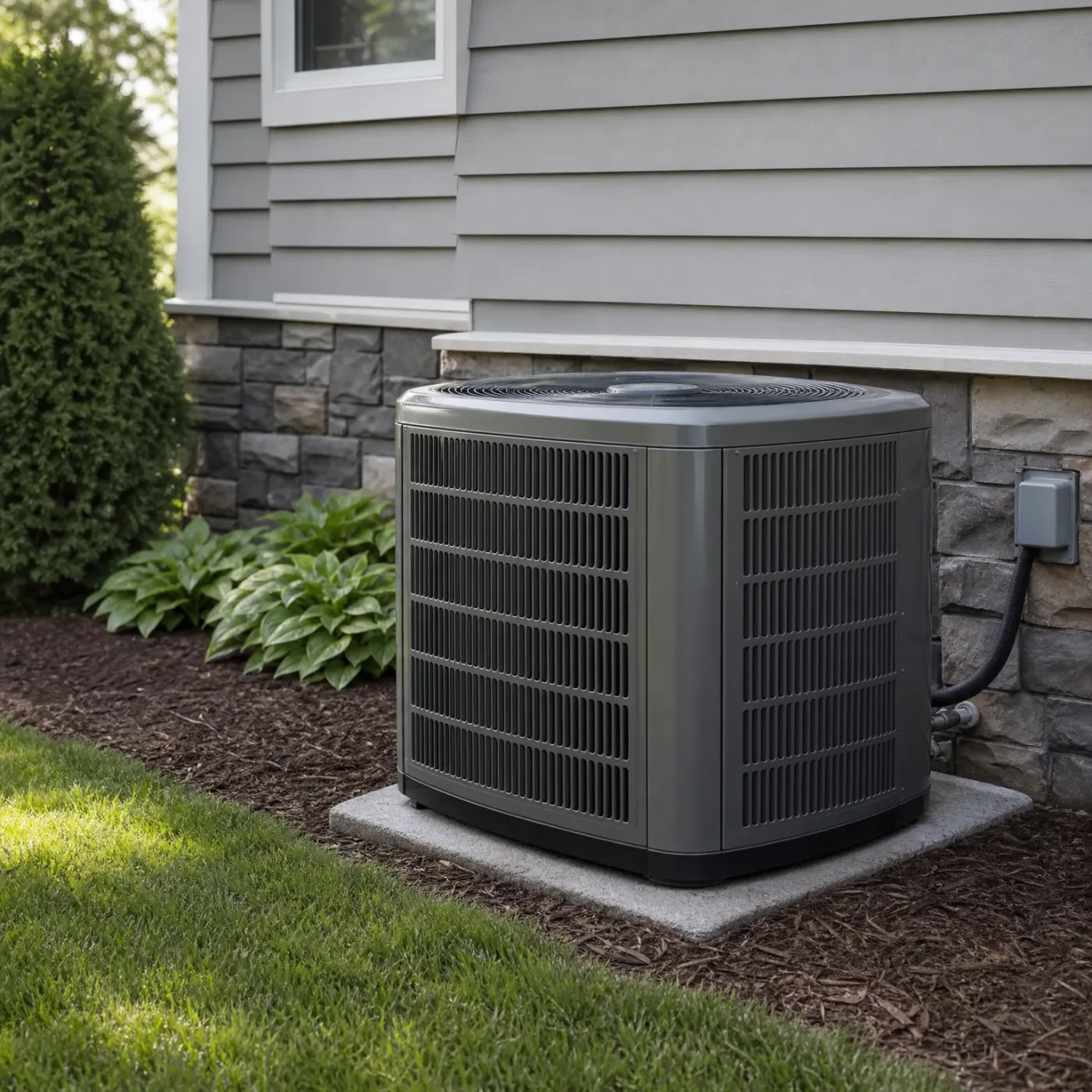
A gray outdoor air conditioning condenser unit on a concrete pad beside a house with horizontal siding and a stone veneer base, surrounded by mulch, hostas, a shrub, and lawn.

Find an air conditioner repair pro in Bronx County

Explain the air conditioner problem once instead of to every shop in Bronx County.

Get matched with a pro who fixes air conditioners in Bronx County.

Skip the calls

No charge to send it. You decide if you hire them.

A gray outdoor air conditioner condenser unit on a concrete pad beside a house with horizontal lap siding, with a wall-mounted disconnect box and conduit at left and a green shrub and mulch bed at right.
A clean air conditioner cycles on and off on its own, and the vents keep putting out cool, dry air without strain.
An outdoor air conditioner condenser unit on a concrete pad beside a house with horizontal lap siding, with a conduit running to a gray electrical disconnect box on the wall.
A frozen air conditioner builds ice on the lines against the siding, and the vents stop giving you any real cooling at all.
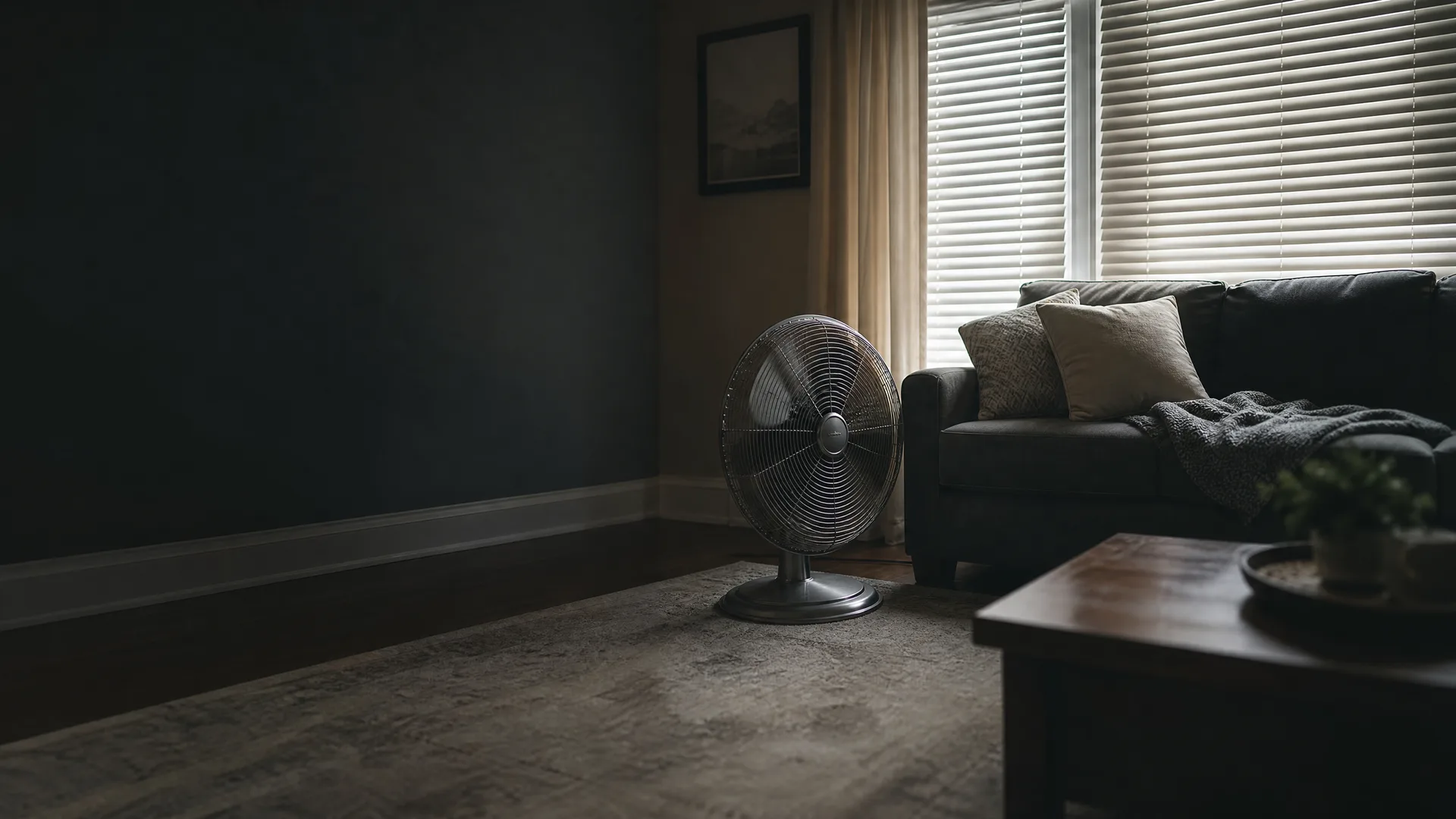
A dimly lit living room with a table fan on a patterned rug, a dark sofa with cushions and a blanket beside blinded windows, a framed picture on the wall, and a wooden coffee table with a potted plant in the foreground.

By three in the afternoon the blinds are down against the glare and the floor fan is going next to the couch, pointed straight at you. The vents are still blowing but there's no real cold in it anymore, just moving air. You've bumped the thermostat down twice since lunch and the house hasn't caught up at all. Outside the brick is holding the day's heat and the room feels thick with it. You get up to check the thermostat again, then think better of it and just sit back down in front of the fan, waiting out the worst of the afternoon before you go look at the unit itself.

Cooling runs June through September

Four months of real work a year, June through September, is enough for a coil problem to turn into a frozen unit fast once the heat sets in here. A system that iced up once in July will likely do it again before summer's done if nothing changes.

NOAA nClimDiv 1991-2020

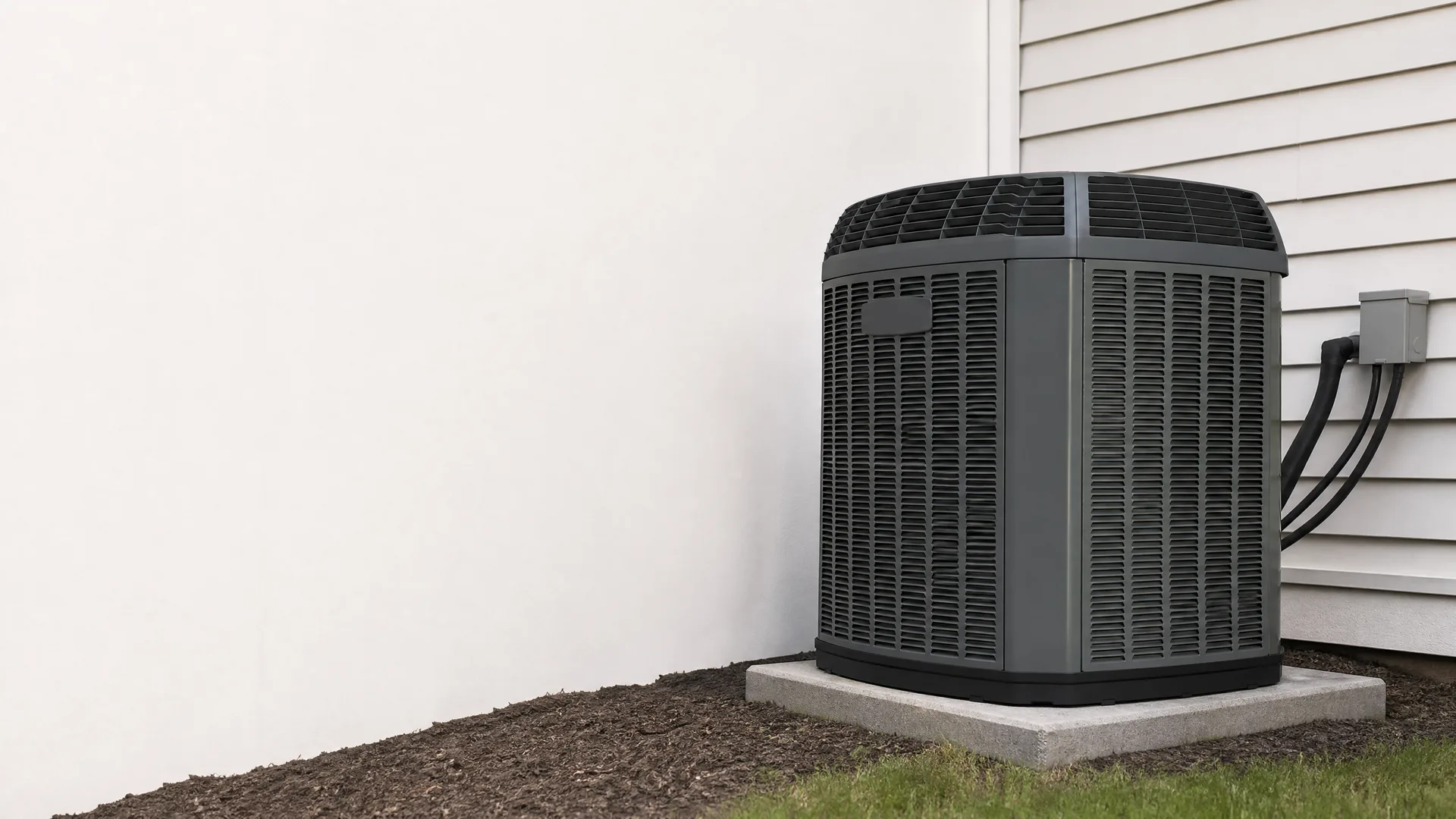
An outdoor air conditioner condenser unit on a concrete pad beside a light-colored stucco wall, with horizontal siding and a small electrical box to the left and gravel at lower left.

Why a dirty filter freezes a coil

A filter clogged with dust cuts down how much air passes over the indoor coil. Less air moving across it means less heat getting carried away, and the coil's surface temperature drops below freezing. Bronx summers push a lot of dust and pollen through a system running hours at a stretch, and a filter that looked fine in May can be restricting airflow badly by August. Checking it costs nothing and takes a minute.

A dark gray outdoor air conditioning condenser unit on a concrete pad beside a house with light siding and a stucco wall, with mulch and grass in the foreground.

What low refrigerant does to pressure

Refrigerant circulates at a specific pressure, and that pressure is what keeps the coil at a safe temperature while it absorbs heat. A leak drops the charge below what the system was designed to hold, and the pressure inside the coil falls with it. Lower pressure means a colder coil surface, cold enough to freeze condensation even when airflow is normal. A system low on refrigerant almost always has a leak somewhere in the line set or the coil itself.

A woman in a tan sweater and jeans stands in the open black-framed front doorway of a white single-story house, while a blonde woman in an orange sweater and jeans walks toward her along a concrete paver path bordered by shrubs.

A frozen coil has a cause, and it can be found

Ice on the lines means something is stopping airflow or the system has lost refrigerant. That's the whole answer. Shutting it off lets the ice melt, but it comes back once you start it up again unless whatever caused it gets fixed. In a Bronx summer, with the compressor running hard most afternoons from June through September, that can happen within a day or two.

Finding the actual cause means getting a contractor out to check the filter, the airflow, and the refrigerant charge, and that's not something to sort out alone over the phone with different companies. Once you're matched with a contractor who handles this in your area, they'll reach out to you directly to look at your system and figure out which one it is. No calling around, no repeating the same description of the ice and the weak airflow to three different shops just to get someone out to look at it.

A wooden table holding a stone vase with a bare branch, two stacked books and a small dark bowl, beside a window with green foliage outside and a sofa in the dim background.
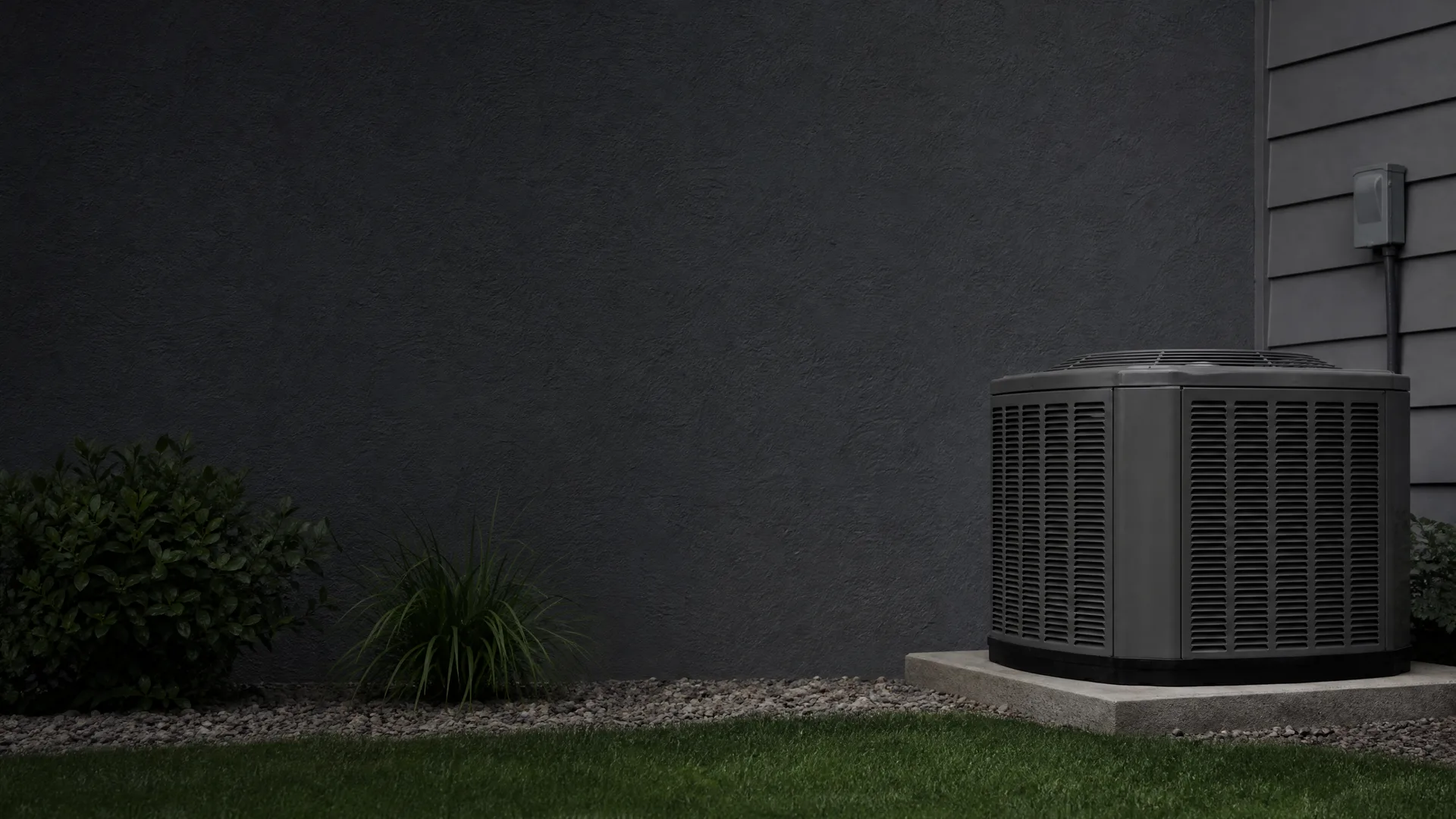
An outdoor air conditioning condenser unit on a concrete pad beside a dark stucco wall, with gravel bedding, shrubs, an ornamental grass clump, and a lawn in the foreground.

Get your air conditioner to the right pro

Skip calling shops to ask who repairs air conditioners in Bronx County.

RepairCentral ACBronx County, NY
Step 1 of 2

What ZIP code is the job in?