Why your heat pump isn't cooling in New York summers

Tell a local repair pro what your heat pump is doing.

Get matched

Why isn't my heat pump cooling my house in summer?

You turn the thermostat down on a sticky New York afternoon and the air coming out just isn't cold. Maybe it runs all the time now and never catches up, or it blows but the house stays warm into the evening. With how much power costs here, a heat pump that's working hard and not cooling is money going somewhere it shouldn't.

It's low on refrigerant, the outdoor coil is blocked, or the system can't reverse properly

A heat pump moves heat out of your house instead of making cold air, and that process depends on refrigerant charge, airflow, and a reversing valve that switches the unit from heat to cool. If the charge is low, the system struggles to pull heat out of the house no matter how long it runs. If the outdoor unit is caked with grass clippings or hemmed in by overgrown shrubs, it can't dump that heat into the outside air. And if the reversing valve sticks, the unit can act like it's still trying to heat even though you've switched it to cool. Any one of these shows up the same way: the house stays warm and humid no matter how long the system runs.

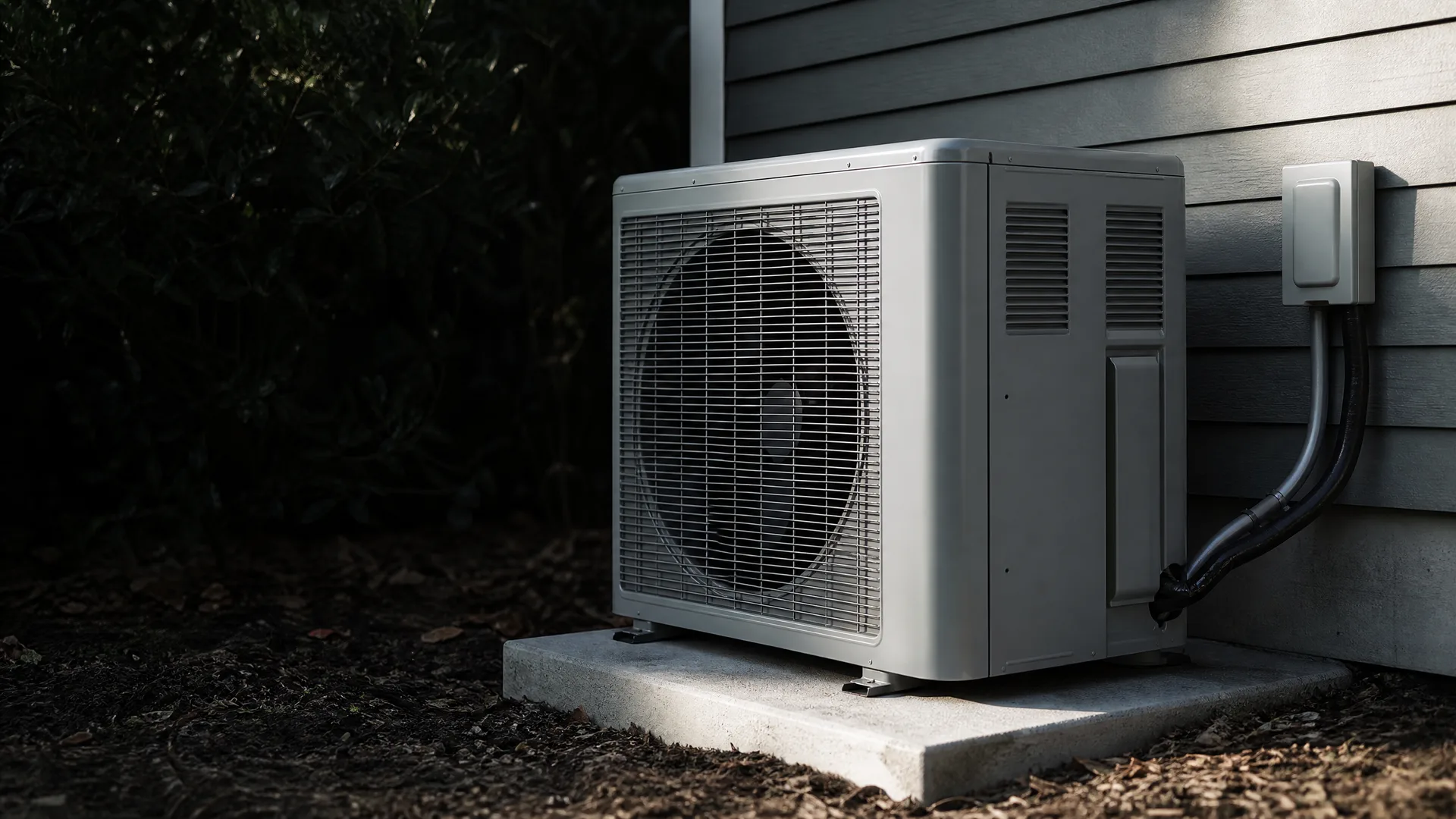
A gray outdoor condenser unit on a concrete pad beside a beige vinyl-sided house, with a wall-mounted disconnect box, flexible conduit, mulch bed, shrubs and a concrete walkway in front.

Running the way it should

A heat pump that's keeping up looks like this: clean grille, clear space around the pad, nothing blocking the airflow in or out. Air moves through it freely, and it can actually push the heat out of the house instead of fighting to.

A weathered gray outdoor condenser unit on a concrete pad beside a house with horizontal vinyl siding, with conduit, refrigerant lines, and an electrical disconnect box on the wall behind it.

Struggling to keep up

Dust caked on the grille and top panel, leaves piled against the base, this is a unit working against itself. Airflow in and out gets choked off, so it runs longer and still can't pull enough heat out of your house.

Is this just a hot day, or is something actually wrong

You notice it most at night, when the house should be cooling down and instead it's still sticky at ten o'clock. The thermostat says 72 but the air coming off the vents doesn't feel cold on your hand. Maybe you've started closing doors to rooms you're not using, hoping that helps. Maybe the outdoor unit is running nonstop, and you can hear it from the yard at 2 a.m. Left alone, a heat pump working this hard for this little cooling usually means a repair bill grows while New York electric rates do the rest to your bill. It also means the muggy nights don't let up.

A white outdoor heat pump unit on rubber feet atop a concrete pad beside a light stucco wall, with gray siding and a small shrub at the left edge.

Why the outdoor unit matters most

A heat pump cools by moving heat from inside your house to the air outside, and that outdoor unit has to dump that heat into air that's already near 90 degrees on a bad July afternoon. The hotter it is outside, the harder that unit works to push heat into air that doesn't want to take it. If the coil is caked with pollen or the fan motor is weak, that unit is losing a fight it was already struggling with.

A gray outdoor heat pump unit with a large circular fan grille sits on a concrete pad beside a house with horizontal siding, surrounded by gravel and grass, with a conduit and junction box on the wall.

What low refrigerant does to the coil

Refrigerant has to run at a specific pressure to pull heat out of your house and release it outside. When a line develops a slow leak, that pressure drops, and the indoor coil can get cold enough to grow a layer of ice even while your living room stays warm. A tech checks this with gauges, not a thermometer, because the thermostat reading alone won't tell you the charge is low.

A smiling man in an olive T-shirt and jeans stands in an open front doorway holding the door, facing a person in a navy polo and cap seen from behind in the foreground, with horizontal wood-look siding and a potted white flowering plant nearby.

Why summer hits a heat pump differently than a furnace ever would

A heat pump runs a refrigerant cycle both ways. In summer the reversing valve sends refrigerant through the system in the direction that pulls heat out of your house and dumps it outside. That valve has to switch fully each time the system changes mode, and if it's sticking, the unit can run for hours while only moving a fraction of the heat it should. You won't see that from the thermostat. You'll just feel that the air never quite gets cold.

Most houses in New York heat with gas, so the heat pump in a lot of homes here only really gets worked hard a few months a year, right when it's muggiest out. A refrigerant leak, a failing valve, or a compressor that's losing capacity can sit unnoticed all winter and only show itself the first humid week. Sorting out which one it is means someone checking refrigerant pressures and the valve itself, not guessing from the vents. A contractor who knows heat pumps, not just furnaces, can look at your system and tell you which of those it actually is.

A living room corner with a beige upholstered armchair holding navy and striped cushions, a small round wooden side table with a carved bowl and a potted green plant, a framed landscape picture on a pale wall, built-in shelving, and a curtained window.
A gray outdoor condenser unit on a concrete pad beside a house with horizontal lap siding, a conduit and disconnect box on the wall, a shrub with white flowers at right and evergreen foliage at left.

Clean and clear

The condenser sits on its pad with the grille open and nothing crowding it. The fins are clean, so air pulls through easily and the heat it carries gets dumped outside the way it's supposed to. A unit like this can keep up even on a 90 degree day.

An outdoor air conditioning condenser unit with a top fan grille sits on a concrete pad beside a house with horizontal siding and a concrete step.

Coated in grime

The fins here are dark with dust and debris, and the grille is caked over. Air can't pass through coated fins the way it needs to, so the heat has nowhere to go. The system keeps running, but the house stays warm.

Call for help or wait it out

Call for repair now

  • If the outdoor unit is running nonstop and the house still isn't cooling down, the system is losing the race and won't catch up on its own.
  • Warm air blowing from the vents instead of cold usually points to a refrigerant or reversing valve problem that gets worse the longer it runs.
  • Ice on the outdoor coil in the middle of summer means something's wrong with airflow or charge, and running it more will only add strain.
  • A sharp jump in your electric bill with no real improvement in comfort means the system is working hard and losing anyway.
  • Short cycling, where it kicks on and off every few minutes, puts wear on the compressor that doesn't reverse itself.
  • Waiting through a few more muggy nights with a struggling system can turn a repairable problem into a failed compressor.

Give it a little time

  • A single rough afternoon above 90 degrees can slow any heat pump down, and it may catch up once it's cooler overnight.
  • If the grille and the space around the outdoor unit are clear, give it a day to see if performance comes back on its own.
  • A thermostat that was bumped or reprogrammed can look like a cooling problem when it's really just a setting.
  • New York humidity makes the house feel warmer than the thermostat reading, which isn't the same as the system failing.
  • If the air filter hasn't been changed in a while, swapping it first is worth doing before assuming the worst.
  • A system that's cooling, just slower than usual, is different from one that's blowing warm air or icing up.
A smiling woman in a cream knit sweater sits at a marble counter with a glass of red wine, with a dining table, pendant lights, and French doors in the dim background.
A smiling woman with long dark hair in a cream sweater sits in a dimly lit open-plan home interior, with a glass of red wine in the foreground and a dining table, fireplace and shelving behind her.
A woman with long dark hair in a black turtleneck laughs while seated at a light stone counter with a glass of red wine, in a dimly lit interior with a potted plant, framed pictures and a hanging lamp behind her.
A woman in a dark sweater laughs while seated at a white marble counter with a glass of red wine, in a dimly lit open-plan interior with a pendant lamp and dining table behind her.

A heat pump pro near you

Explain the job once and skip repeating it on every call.

Sending the form costs nothing.

A smiling man with curly graying hair and a dark knit sweater sits at a candlelit dinner table with a glass of red wine, a water glass and a bowl of salad in the foreground, in a dimly lit room with a lamp, framed picture and window behind him.
A woman in a cream knit sweater reclines on a gray sofa with her eyes closed and a slight smile, covered by a fleece blanket with a closed book on her lap, a lit table lamp and potted plants behind her.
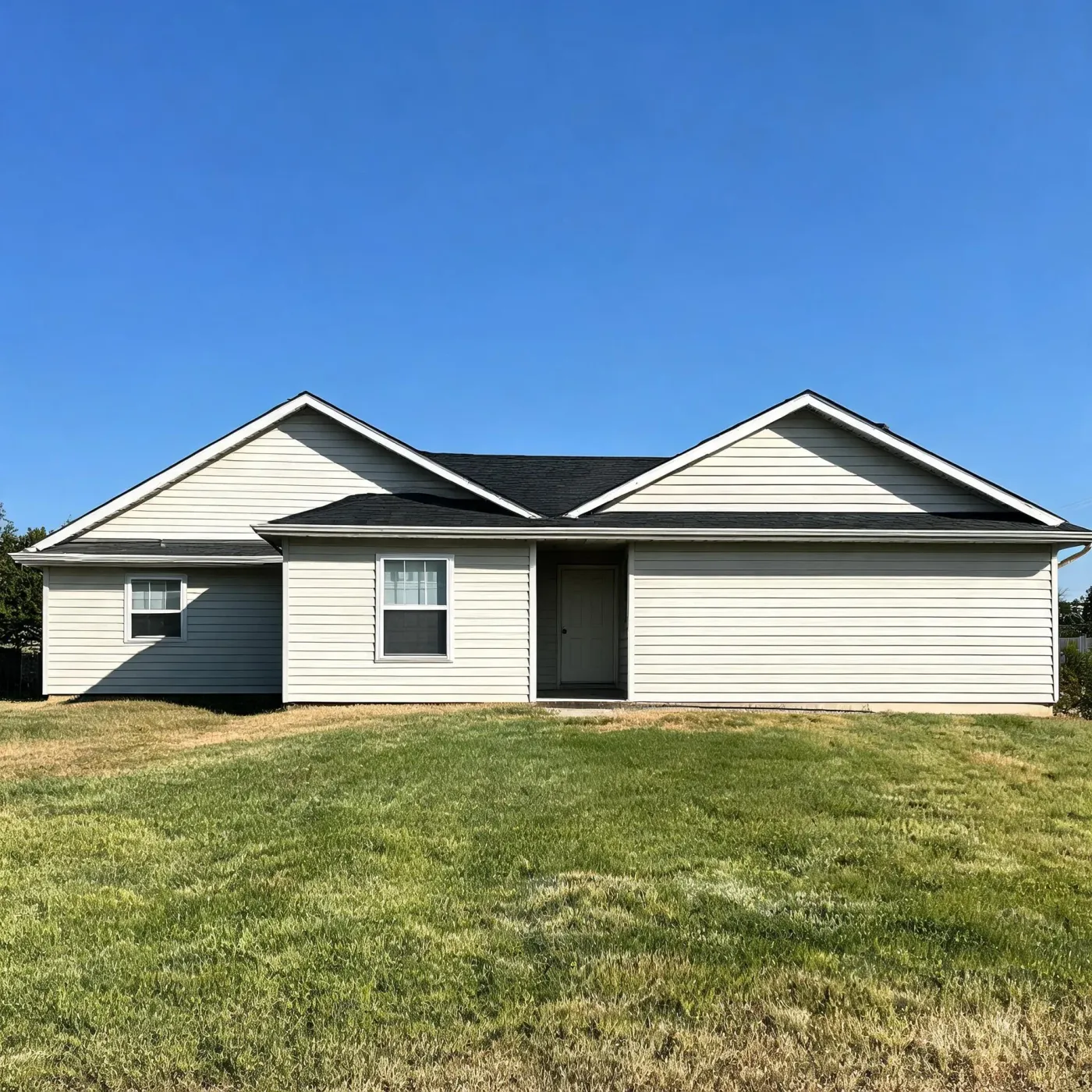
A single-story house with cream vinyl siding, dark shingled gable roofs, two windows and a center door, set on a grass lawn under a clear blue sky.

NOAA's climate data puts the summer dew point across New York at 62°F on average for June, July and August. That's the kind of air that sits heavy on your skin instead of just feeling warm. Your heat pump has to pull moisture out of that air as well as cool it, and wringing out sticky air takes more work than cooling dry air to the same temperature. On a day like that, you'll notice the system run long stretches without shutting off, and the house can still feel damp even once the thermostat number looks right. A struggling unit shows it here first, before the temperature itself ever climbs.

NASA POWER T2MDEW county cells weighted by homes

An outdoor air conditioner condenser unit on a concrete pad beside a house with horizontal lap siding, with a shrub to the left, bare dirt in front, and conduit and a metal disconnect box on the wall.
Before you get your heat pump repair
A beige outdoor air conditioning condenser unit on a concrete pad beside a house with horizontal vinyl siding, with refrigerant lines and a disconnect box on the wall, surrounded by dark mulch and a green shrub at left.
After you get your heat pump repair

Power costs 26.39 cents per kilowatt-hour statewide

At 26.39 cents per kilowatt-hour, a heat pump that's struggling to cool your house isn't just uncomfortable, it's running longer and harder to get nowhere. A unit that's low on refrigerant or fighting a dirty coil draws power the whole time without delivering the cold air you're paying for.

EIA-861 2025 statewide residential average

How the cooling cycle actually works

  • The reversing valve switches the refrigerant flow so heat moves out of your house instead of into it.
  • A stuck reversing valve can leave the system running in heating mode even though the thermostat is set to cool.
  • The indoor coil has to absorb heat from your house air before the outdoor unit can push it outside.
  • Refrigerant carries that heat between the two coils, so a low charge weakens cooling at both ends at once.
  • The compressor has to work harder to move heat into air that's already near 90 degrees outside.
  • A dirty outdoor coil blocks the airflow the system needs to dump that heat, so the whole cycle slows down.

A heat pump doesn't make cold air. It moves heat from inside your house to the air outside, and every part of it has a job in that chain. The reversing valve sets the direction. In summer it points the refrigerant flow so heat travels out, not in. If that valve sticks, the system can run in heating mode no matter what the thermostat says, and the house just won't cool down. From there, the indoor coil pulls heat out of the air moving through your ductwork. The refrigerant carries that heat to the outdoor unit, where the compressor and outdoor coil push it into the air outside. On a July afternoon in New York, that outside air is already close to 90 degrees, so the compressor has to work harder just to move the heat where it needs to go. If the outdoor coil is caked with dirt or grass clippings, the airflow it needs to dump that heat gets choked off, and the whole cycle backs up. Low refrigerant hits the system at both ends at once, since the same charge is what lets the indoor coil absorb heat and the outdoor coil release it. Weaken that one thing and neither side does its job right. None of these parts fail in isolation. A problem at the reversing valve, the coils or the refrigerant charge shows up the same way at the thermostat: a system that runs and runs and never catches up.

An outdoor condenser unit on a concrete pad beside a gray lap-sided house, with an electrical disconnect box and conduit on the wall and shrubs with mulch to the right.
Clean fins, clear pad, nothing blocking the sides, so it can dump heat into the outside air as fast as the house makes it.
An outdoor air conditioning condenser unit on a concrete pad beside a house with horizontal siding above a brick foundation, with a flexible conduit running to a wall-mounted disconnect box.
Dust caked into the fins and grime on the cabinet choke off airflow, so the unit works longer and still falls behind on a sticky day.
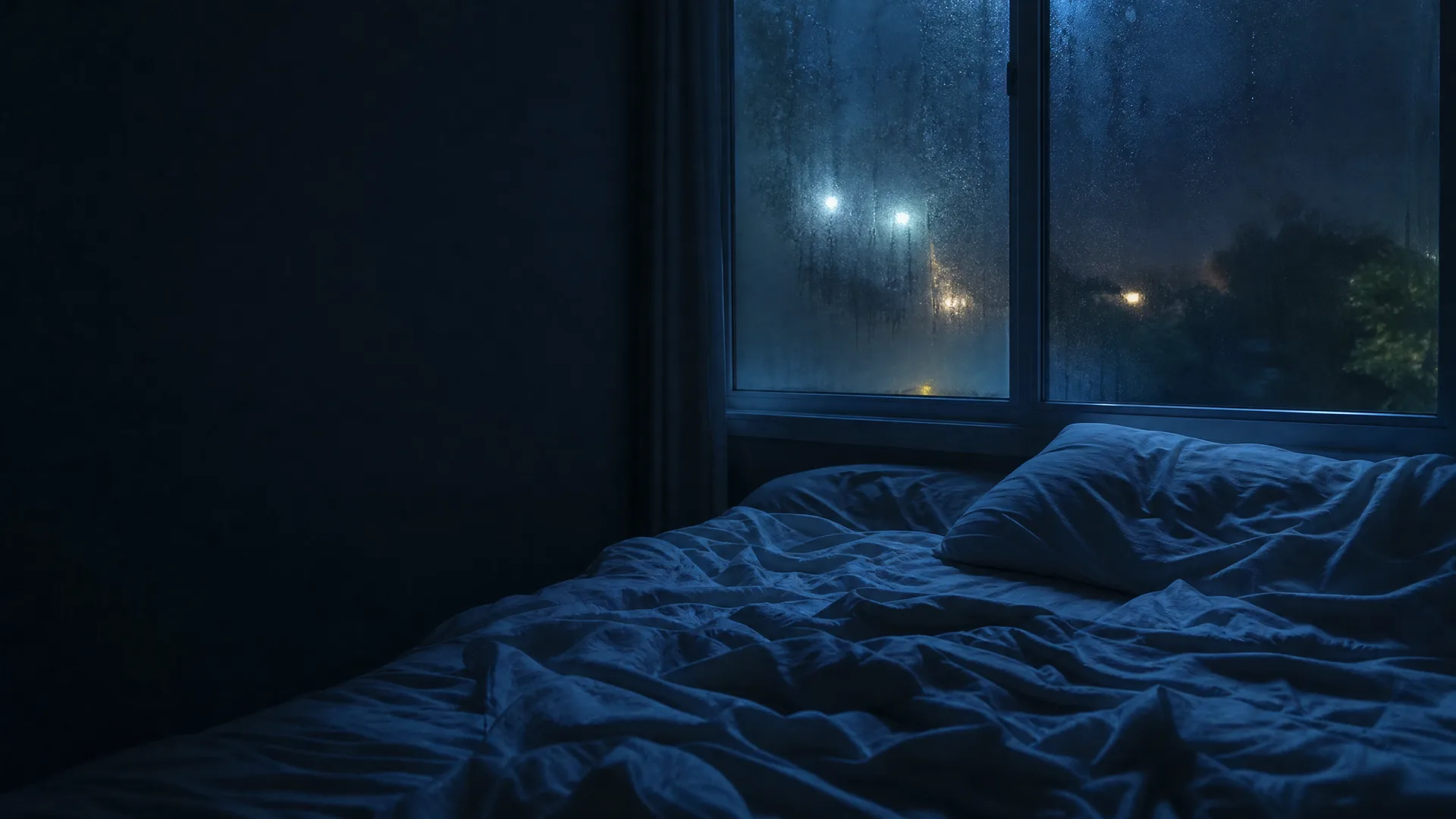
A dark bedroom at night with an unmade bed and a pillow beside a rain-streaked window showing distant lights and trees outside.

It's past eleven and the room still hasn't let go of the heat. The sheets are damp under you, bunched where you kicked them off an hour ago. Outside, the air is as thick as it was at noon, and the window glass has fogged up along the edges from the gap between the cool glass and everything else that isn't cool at all. You can hear the outdoor unit running, that steady hum that hasn't stopped since dinner. The thermostat on the wall reads 72. It does not feel like 72. You lie there doing the math on whether it's worth getting up to check the vent again, knowing already what your hand will tell you.


A heat pump that won't cool your New York house in summer usually comes down to one of a few things: a reversing valve stuck in the wrong position, refrigerant low from a leak, or a coil so dirty it can't move heat the way it needs to. None of those get better on their own, and none of them are something you fix by waiting out a cooler week. What they take is a contractor who can look at the system, find which one it is, and repair it. Getting to that point is usually the slow part, calling around for someone licensed to work on heat pumps, explaining the same symptoms to each one, waiting on quotes that are hard to compare because no two contractors looked at the same thing. That's the part that goes away here. You answer a few questions about what your system is doing, and a contractor who handles this equipment gets in touch with you directly. The sticky nights and the warm air blowing from the vents, that's what gets looked at. The searching around is done.

An outdoor air conditioning or heat pump condenser unit on a concrete pad beside a gray horizontal-sided house, with a disconnect box and conduit on the wall and dark shrubbery to the left.

A local pro for your heat pump repair

RepairHeat PumpNew York
Step 1 of 2

What ZIP code is the job in?