AC can't keep up on hot days in Bronx, NY
Find my proYour AC runs all day and the house still doesn't cool past a certain point once it gets muggy out. That's a hard thing to live with here, where summer humidity sits on top of the heat for weeks at a time. It usually means the system is undersized for what the house needs now, low on refrigerant, or struggling with a part that's wearing out. Figuring out which one takes someone who can look at the unit itself, not a guess over the phone. Finding that person is the slow part. You're left calling around, describing the same problem to each one, waiting on callbacks, trying to compare quotes that aren't really comparable. Answer a few questions here and you get matched with a contractor who works on systems like yours in this area. They'll reach out to you directly. No more sorting through names on a list on a hundred degree afternoon when the house is already uncomfortable and you just want it looked at.
Why can't my AC keep up on the hottest days in the Bronx?
You keep an eye on your thermostat and the house still feels warm by late afternoon, even though the unit never shuts off. On a mild day it catches up fine, so you know the system isn't broken in any obvious way. You want to know what's actually different about the worst days, and whether that's something a repair can fix or just how the system behaves once it gets that hot and sticky outside.
Heat and humidity together ask more of the system than heat alone
On a 95 degree day with heavy humidity, your air conditioner has to pull moisture out of the air before it can bring the temperature down, and that takes time the thermostat doesn't show you. A system that's low on refrigerant or has a dirty coil can still cool a house on a mild day and fall behind once the outdoor air gets this heavy. The gap shows up only at the extremes, which is why it can feel like the unit worked fine all spring and then suddenly can't keep up in July and August. That pattern, fine most days and losing ground on the worst ones, usually points to something a technician can find and fix rather than a system that needs replacing.
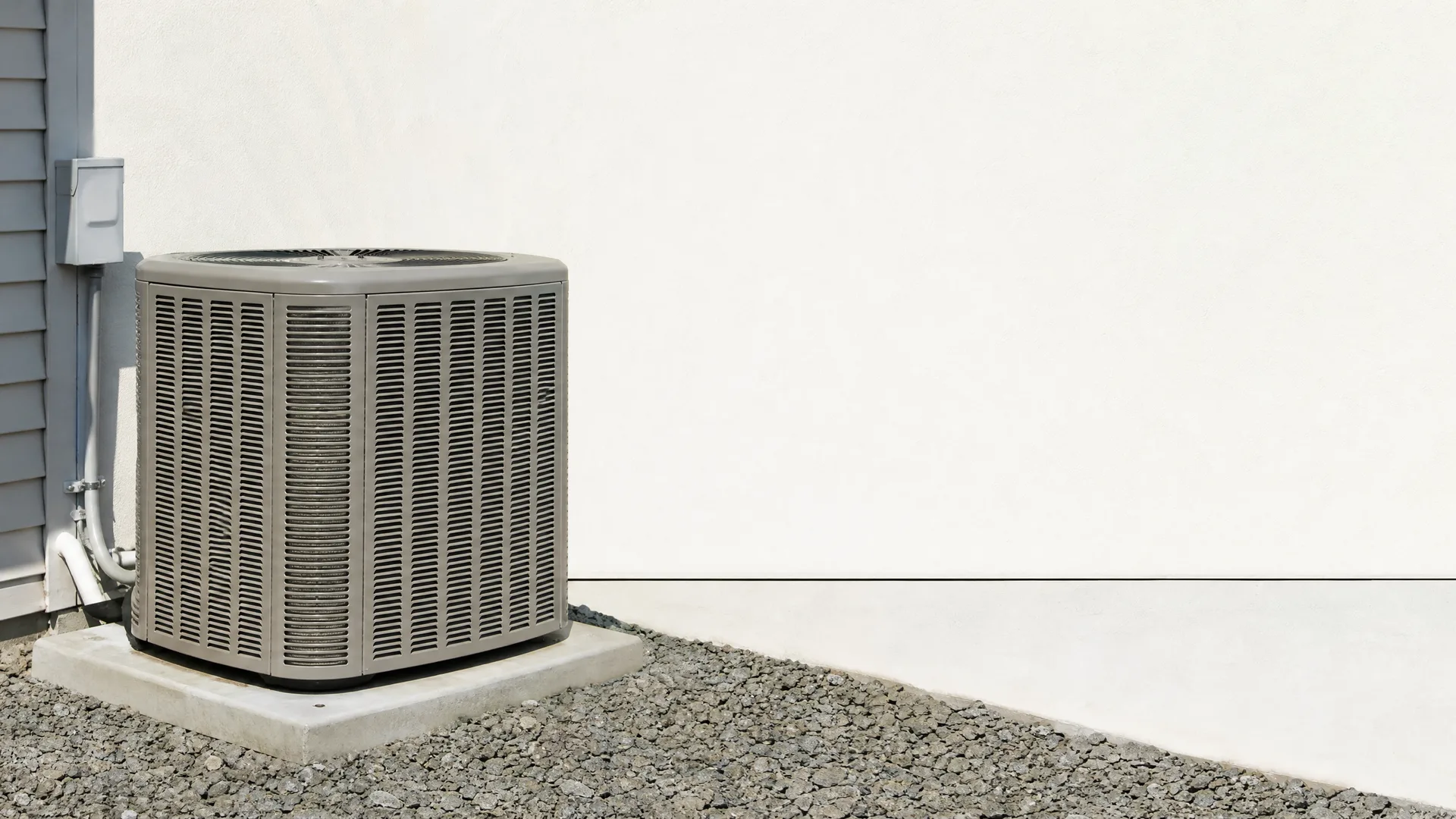
Why a dirty coil matters most now
The outdoor unit sheds heat through a coil, and that coil needs air moving through it. Months of pollen, grass clippings and city dust cut down how much air gets across the fins. On a 75 degree day the system has margin to spare. Past 90, with the humidity sitting heavy over the Bronx, there's no margin left, and the same coil that worked fine in May can't shed heat fast enough to keep the house cooling.
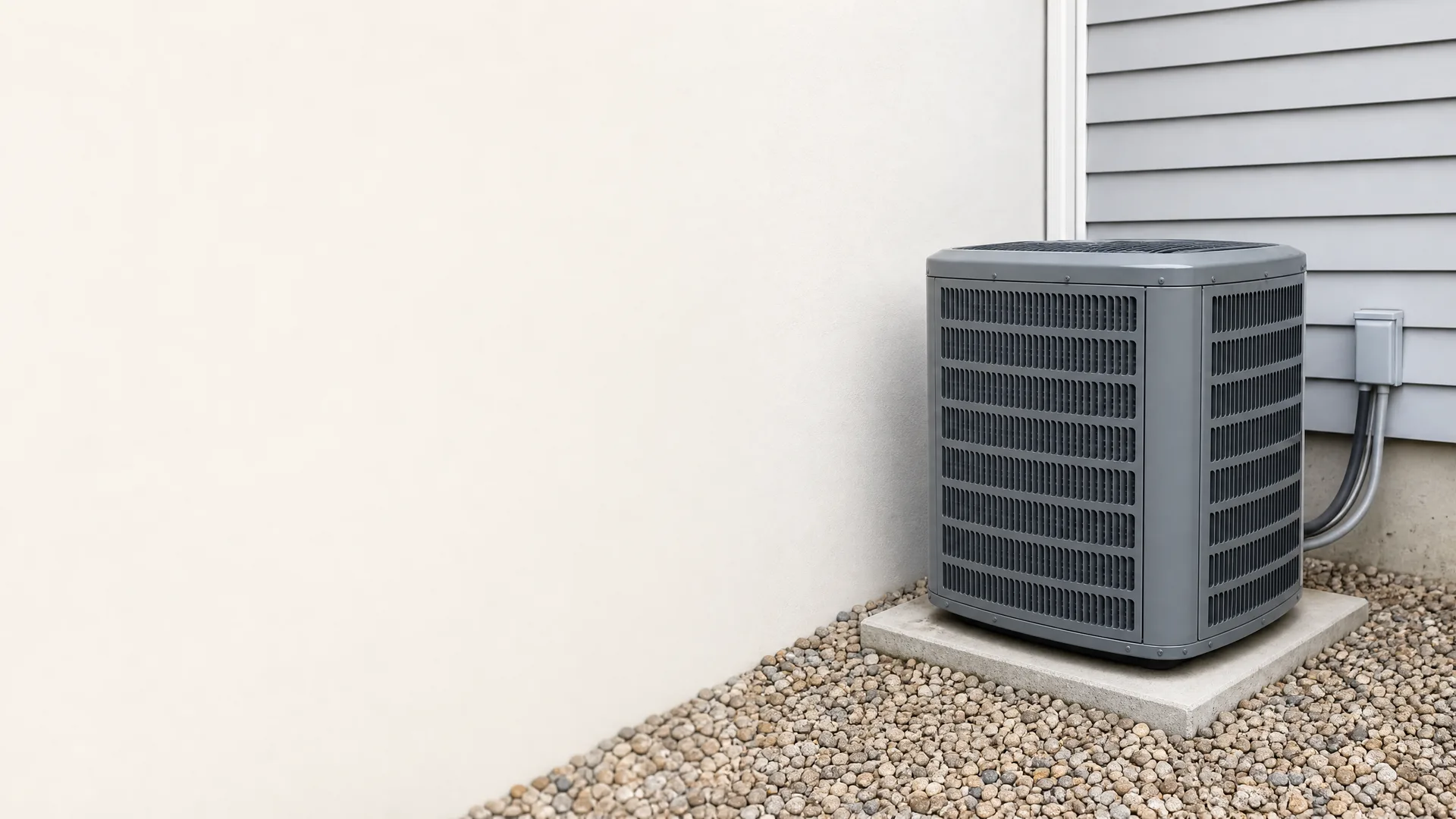
What a low charge does on these days
A system low on refrigerant can still blow cold air on a mild afternoon and still fall behind once it's 92 outside. The compressor runs the same amount either way, but it's moving less heat per cycle, so the house loses ground as the day goes on. That gap only shows up at the extremes, which is why it reads as the unit struggling on the hottest days instead of being broken outright.
What does it look like when your AC is falling behind
The thermostat says 72 but the air coming out of the vents feels barely cool. Upstairs rooms stay warmer than the rest of the house no matter how low you set it. The unit runs for hours without shutting off, and your electric bill shows it, higher than you'd expect for the same house last summer. You might notice the air has less force behind it than it used to, or that the system short cycles, kicking off and on in quick bursts instead of running steady. Left alone through another summer, a system working this hard can wear out parts faster than it should, and the strain shows up as a bigger repair down the line instead of a smaller one now.
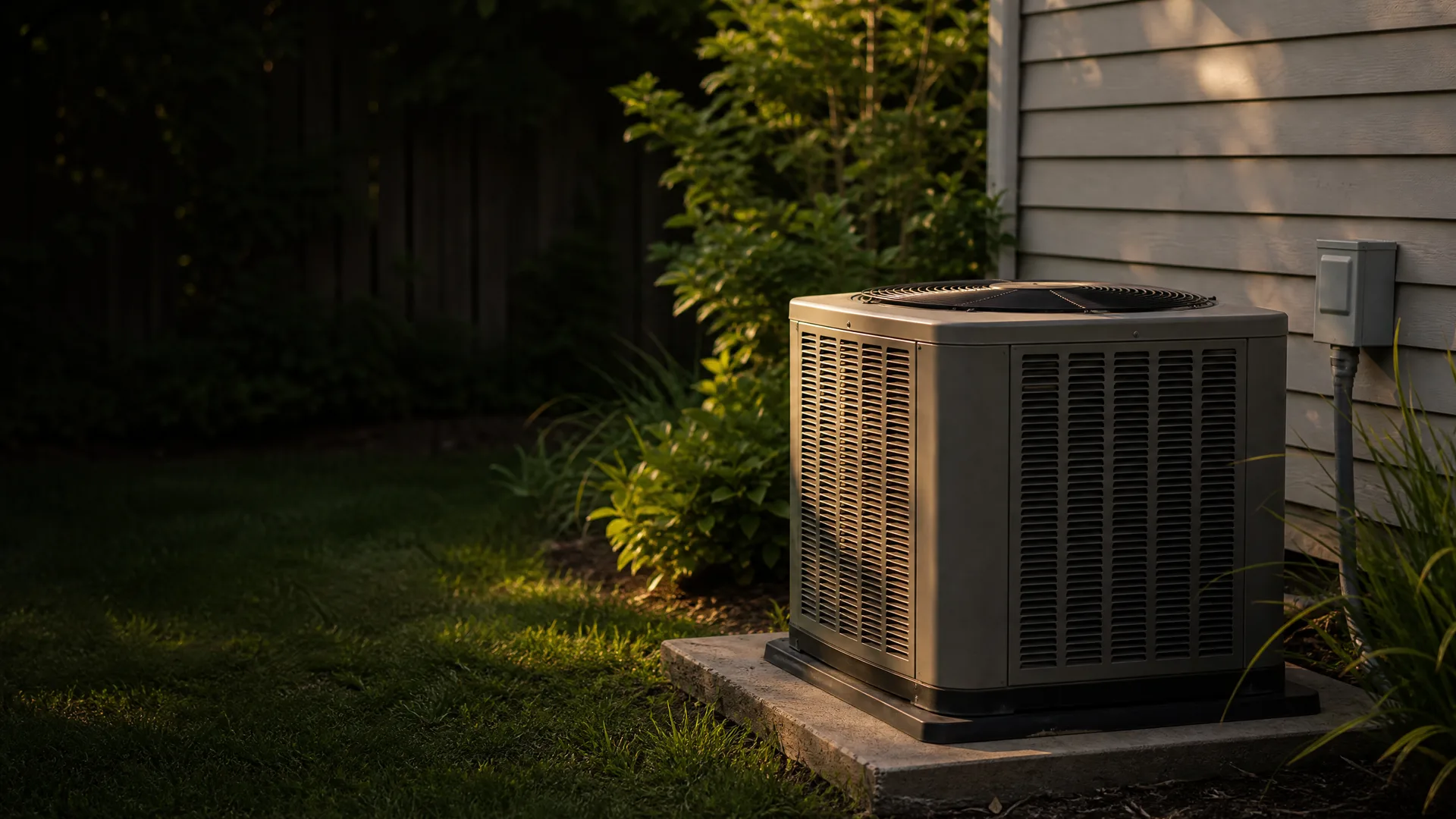
You're out back around seven, the sky still holding that late gold light, and you walk past the condenser on your way to the trash cans. It's quiet. Not the hum you're used to, just the cicadas. You stop and look and the fan isn't moving at all. Inside, the house has been climbing since three o'clock and you'd blamed the humidity. Now you know better. You crouch down, feel no air coming off the unit, and head back in to find your phone, already thinking about who you're going to call and what you'll even say when they ask what's wrong with it.
Matched to your air conditioner job
By the time you've noticed the house isn't cooling, you've probably already lost a few days to it. Opening windows at night, running fans in whatever room you're sitting in, checking the thermostat every hour like it might change on its own. A system that's falling behind on the hottest days usually isn't getting better by August. Most of the time it's a coil that needs cleaning, a charge that's low, or a unit that was never sized right for this house to begin with, and none of those sort themselves out. Figuring out which one it is means getting someone out to look, and that's usually where people stall, because calling around to find a contractor who's free this week and will actually show up is its own chore on top of the one you already have. You don't have to sort through that part. Hand off the part where you find someone, and get back to the part where your house is cool again.
Call now versus wait it out
A technician out this week can find a weak capacitor, a low charge or a blocked coil before the next heat wave sits on top of the Bronx for days. Most of those fixes hold for years once they're done. The system keeps running the same way it has, just cooling the house the way it's supposed to. You stop checking the thermostat every hour and stop running fans to make up the difference. The appointment itself is the only real cost of finding out early, and you get your afternoons back without wondering if today is the day it quits outright.
What waiting usually costs you
Put it off and the system keeps running hard against whatever's wrong with it, which is how a low charge turns into a frozen coil or a tired motor burns out trying to push air through a dirty one. A repair now can turn into a bigger repair in August, on a day when every other AC in the Bronx is failing for the same reason and a tech is harder to get. You also keep paying for the labor of running flat out, calling around, explaining the problem to whoever picks up, and sorting through quotes while the house stays warm. None of that gets the air any cooler.
Cooling runs June through September
Four months is all your AC gets to earn its keep, but it has to do it in a stretch where one bad week can mean days in a row near 90. There's not much slack built in. A system that's already struggling in June only gets worse as July and August pile on.
NOAA nClimDiv 1991-2020
An AC that can't keep up on the hottest days usually has a reason behind it, a dirty coil, a weak capacitor, a low charge, a system that was undersized from the start. None of those get better by waiting. The house will keep running warm through the afternoons, the unit will keep running longer than it should to chase a temperature it can't quite reach, and the next stretch of 90 degree days will show the same problem again, only with less patience left for it. A technician can look at the system, find which of these it is, and tell you what it takes to fix. Some of that is a quick repair. Some of it means the system has outgrown the house. Either way, you'll know what you're dealing with instead of guessing at it through another July. The house is not going to cool itself down on its own, and the system is not going to fix itself either.




Air Conditioner Repair
An air conditioner pro near you
Skip calling shops to ask who repairs air conditioners in Bronx County.