One thermostat, every room
A single thermostat reads the temperature near it, not in the hot room. The system shuts off once that spot is satisfied, even if your bedroom is still warm.

One room stays hot because it isn't getting the airflow or the cooling load the rest of the house gets. In a lot of New York apartments and houses, that's a bedroom at the end of a duct run, a top floor room under a hot roof, or a room with west sun all afternoon. If the system is a single central unit, the air has to travel further or fight more heat to reach that room, and it loses. A closed vent, a bent duct, or a return that's blocked can starve that one room on its own. A failing capacitor or a low refrigerant charge will show up as weak cooling everywhere, but it's often worse in the room furthest from the unit. With New York summers running hot and humid for months, a room that's a few degrees warmer than the rest of the house stays uncomfortable the whole time, not just on the worst days. Worth having someone look at the ductwork and the equipment before the room becomes the room nobody uses in July and August.


Central air moves the same volume of cooled air out of the unit no matter which room needs it most. Where that air ends up depends on the ductwork and the dampers, not on which room is hottest. A duct that runs a long way, especially through an attic or basement that isn't conditioned, loses pressure and picks up heat before it reaches the vent. If another room's register is closed down, that room gets starved of airflow while the rest of the house gets more than its share. The hot room also needs a way to let its warm air back out. Without an open return grille nearby, that air sits and the thermostat never sees how warm it really is. A window unit has its own version of this problem. It's rated to cool a room of a certain size, and a wall that holds direct afternoon sun adds a load the unit was never set up to handle.




A single thermostat reads the temperature near it, not in the hot room. The system shuts off once that spot is satisfied, even if your bedroom is still warm.
A room facing west takes on direct sun through the afternoon and into evening. It needs more cold air for longer than a room that only gets morning light.
Why does my bedroom at the end of the hall never cool down?
Air moves through a duct system in order, and the rooms closest to the air handler get full pressure and the coldest air. By the time air reaches the last branch, it has lost some pressure and warmed up a little passing through a hot attic or a basement. If that run also feeds the thermostat's room first, the system shuts off once that room is comfortable, long before your bedroom catches up. A contractor can check the airflow at that last register against one closer to the unit and tell you whether the fix is a damper adjustment, a duct repair, or something with the run itself.


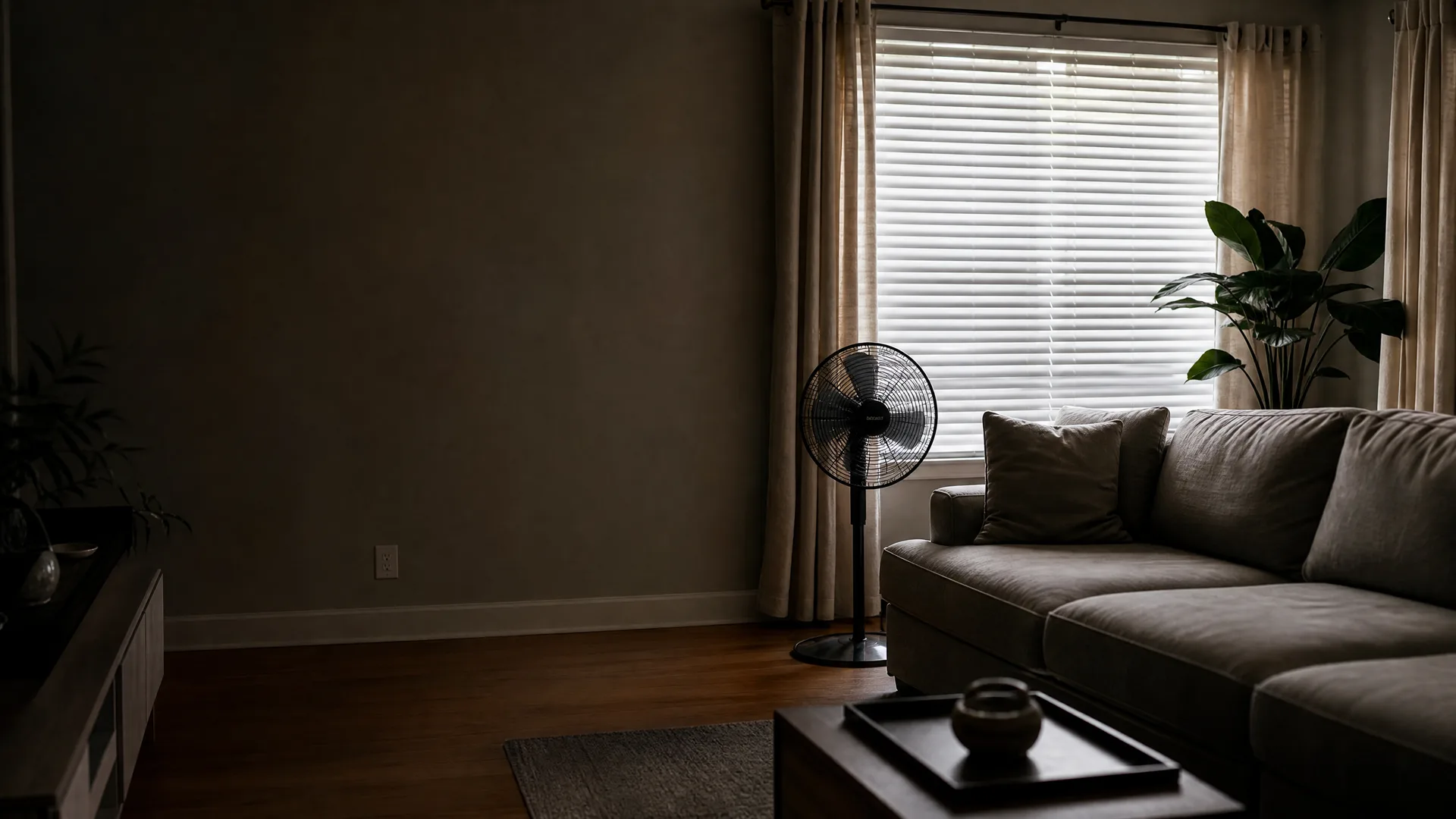
By three in the afternoon the blinds are down and the fan by the couch is doing most of the work. You can hear the compressor running outside, steady, like it's earning its keep, but the air coming through the vent near the window is barely moving. The thermostat down the hall reads seventy-two. This room doesn't feel like seventy-two. The sun's been on this side of the building since noon and the wall behind the couch is warm to the touch. You've already called about the bedroom once this year. This is a different room, same system, and you're starting to wonder if it's something that needs a look before August gets worse than July.
You've probably already tried the easy things. Closed the vents in other rooms to push more air to the hot one. Run a window unit alongside the central system. Set the thermostat lower and waited. None of that fixes a duct run that was never balanced for that room, or a damper stuck in the wrong position, or a condenser outside that's lost its airflow. Those are jobs for someone who can get into the ductwork and the system itself, not something you solve from the thermostat. With power rates what they are here, a system working that hard to cool one room while the rest of the house sits cold is costing you more than it should every month this summer. A contractor who services central air in New York can look at the duct run, the dampers and the outdoor unit and find out which one is leaving that room behind. Send the request and that part stops being something you have to figure out on your own.
You can keep closing the vents in other rooms and running a fan in the hot one. It costs nothing and it helps some, especially on a day in the 70s when the system isn't straining. But it won't fix a duct run that was sized or balanced for a house that didn't have a finished attic room, or a thermostat that's reading 72 in the hallway while your bedroom sits at 80. You'll be doing this again next July, and the room still won't be comfortable enough to sleep in without a fan running all night.
A contractor can check whether the duct run to that room is undersized, whether a damper needs adjusting, or whether the room needs its own return. Some fixes are simple, like rebalancing dampers at the plenum. Others mean adding a duct booster or a zone damper so that room gets its own call for cooling instead of waiting on a thermostat somewhere else in the house. Either way, once it's set up right you stop managing it every summer. The form just starts that conversation. No pressure to do anything beyond finding out what's actually going on in your ducts.



New York summers hold a lot of moisture. Average that out over June, July and August and the dew point sits at 62°F, by NOAA's numbers for the area. Air that heavy doesn't give up its moisture easily, and your air conditioner has to pull more of it out before the house feels dry and cool. The room farthest from the air handler is where that extra work shows up first, because it's already getting less airflow than the rest of the house. On a muggy afternoon that room can feel damp as well as warm, even with the vent blowing. That's the moisture riding on top of whatever the duct run and the sun are already doing to it.
NASA POWER T2MDEW county cells weighted by homes

A room that isn't cooling isn't drying out either. Your air conditioner pulls moisture out of the air as it runs, but a room with weak airflow gets less of both at once. On a muggy July night that's the room where the sheets feel damp and the air feels thick even with the vent open. It's also the room where a window unit, if you've added one, ends up running longer than it should to make up the difference.
Left alone, that's more than a comfort problem. A room that stays warm and damp through a New York summer is a room where mildew gets a head start, and it's wear on whatever unit is trying to compensate for it. A contractor who comes out to look at your duct run can tell you whether the fix is a damper, a sealed leak, or something else in that one line, and once you've sent your information, finding that person isn't something you have to chase down yourself.

Running that window unit or a fan in the hot room adds to a bill that's already steep at this rate. A single room fighting for cool air often means the system runs longer to satisfy the thermostat, and every extra hour shows up on your statement.
EIA-861 2025 statewide residential average
The hot room isn't broken on its own. It's telling you something about the whole system, whether that's a duct run that was never balanced, a condenser outside that's lost some of its airflow, or a room that just takes on more sun and more load than the thermostat ever sees. None of that shows up by staring at the vent harder. It takes someone who can check static pressure at the register, look at the duct run end to end, and see what the condenser outside is actually doing before they can tell you which of those it is, or whether it's more than one.
Closing vents in other rooms and running a fan by the couch gets you through a sticky afternoon. It doesn't change the duct run, and it doesn't make the thermostat read what your bedroom actually feels. The humidity in that room follows the same pattern. Weak airflow means less cooling and less drying out, and on a July night that's the room where the air sits heavy even with the system running.
Sending the form hands this off. You stop being the one calling around or figuring out who handles duct balancing versus who handles the condenser. A contractor who works on systems like yours takes it from there, and the room that's been running hot all summer stops being something you manage around and starts being something that gets fixed.
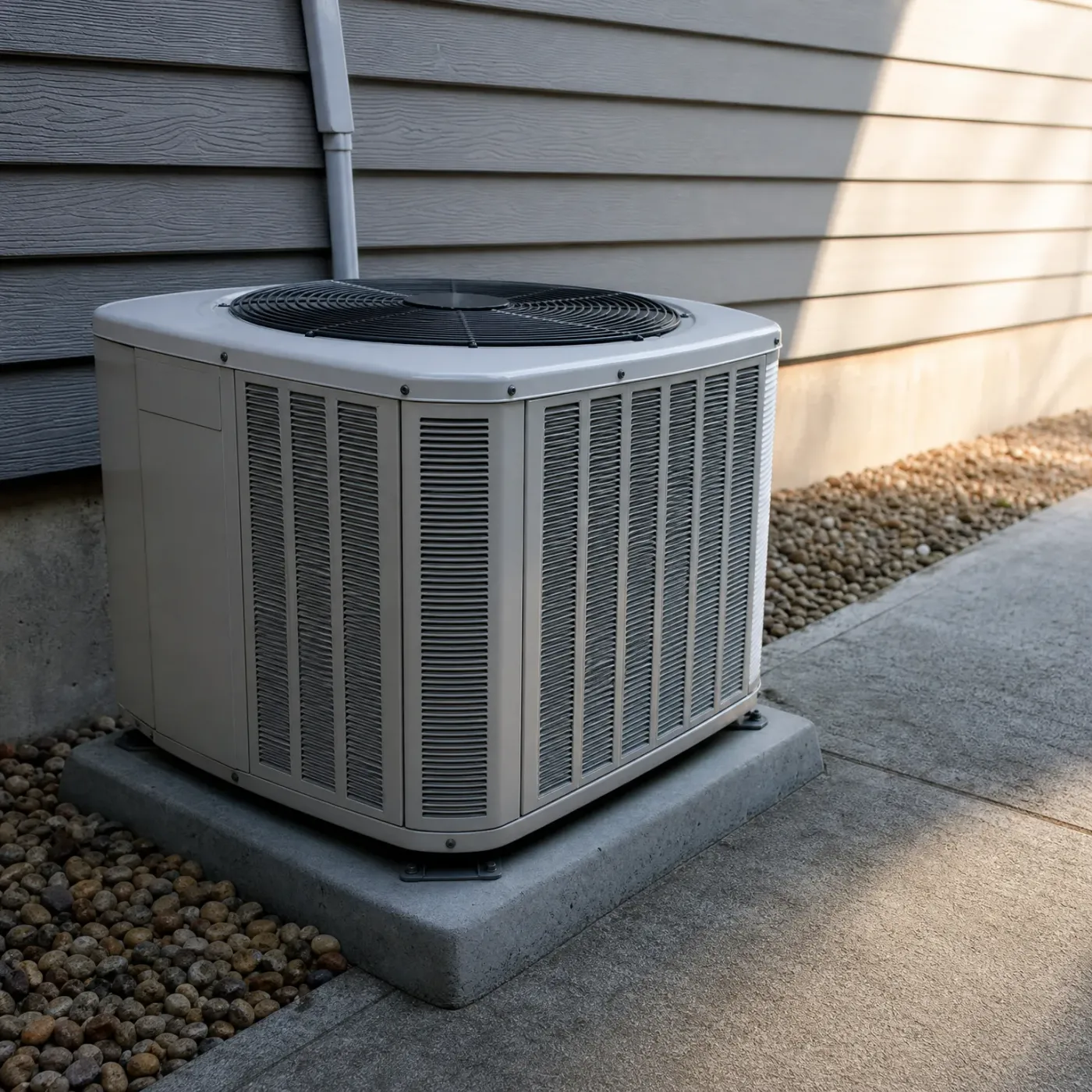
Send it once and finding someone is no longer on you.
No charge to send it. You decide if you hire them.