A slow leak you can't smell
R-22 escapes without warning. You'll just notice your house isn't as cool as it used to be, and the system running longer to get there.

R-22, the refrigerant also called Freon, hasn't been made or imported into the US since 2020. If your air conditioner was installed before around 2010, there's a good chance it runs on R-22. The unit itself isn't illegal to run, but the refrigerant that keeps it cold is no longer produced, so what's left comes from reclaimed stock and costs far more than it used to. A small leak that once meant a quick top-off now means a much bigger repair bill, if a contractor can even find the refrigerant at all. In New York, with summers as sticky as they are, a system that can't hold its charge through July and August is a system you'll notice fast. For a lot of homeowners with an older unit, a leak like this is the point where repairing the old system costs close to what a new one would, and the new one runs on refrigerant that's still made.
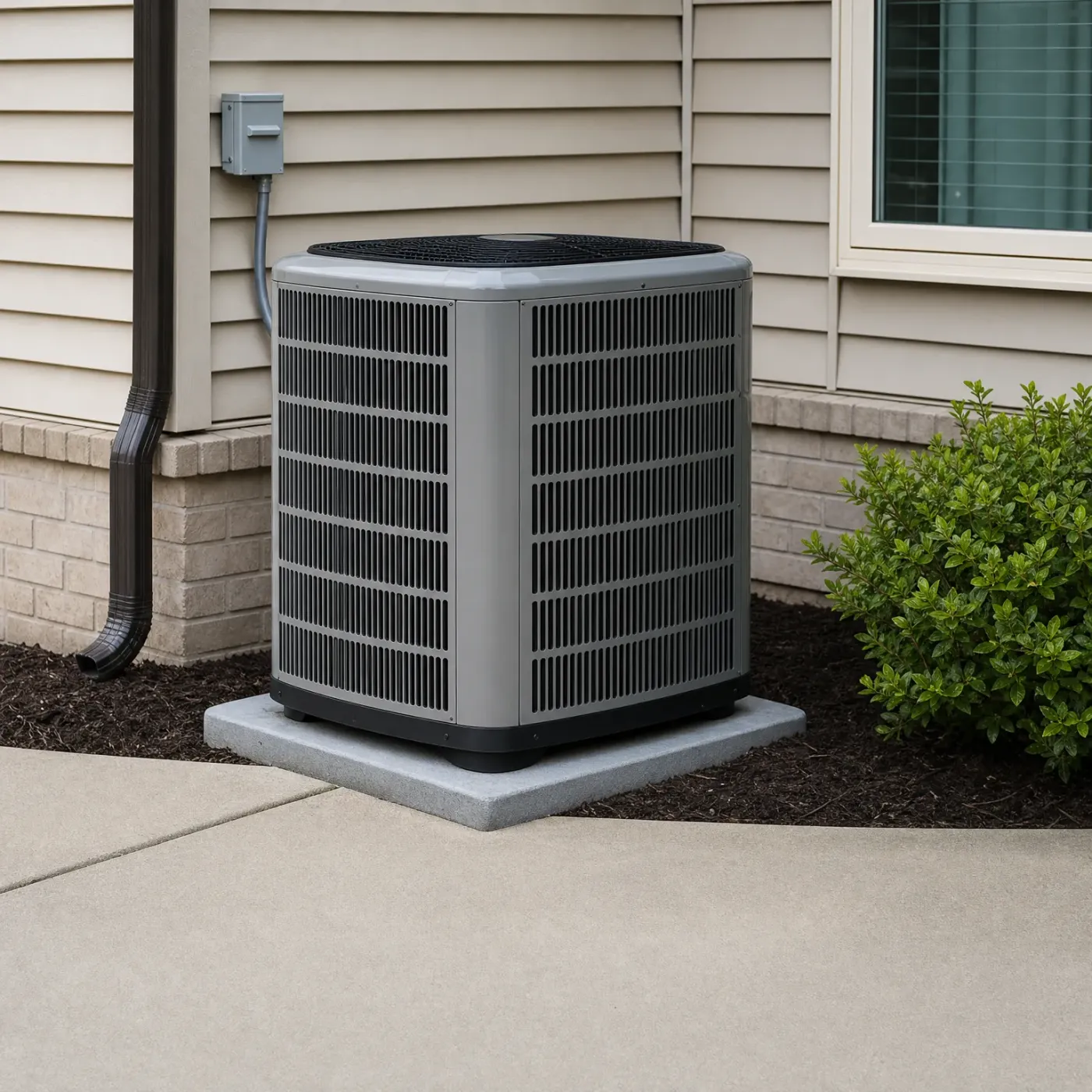
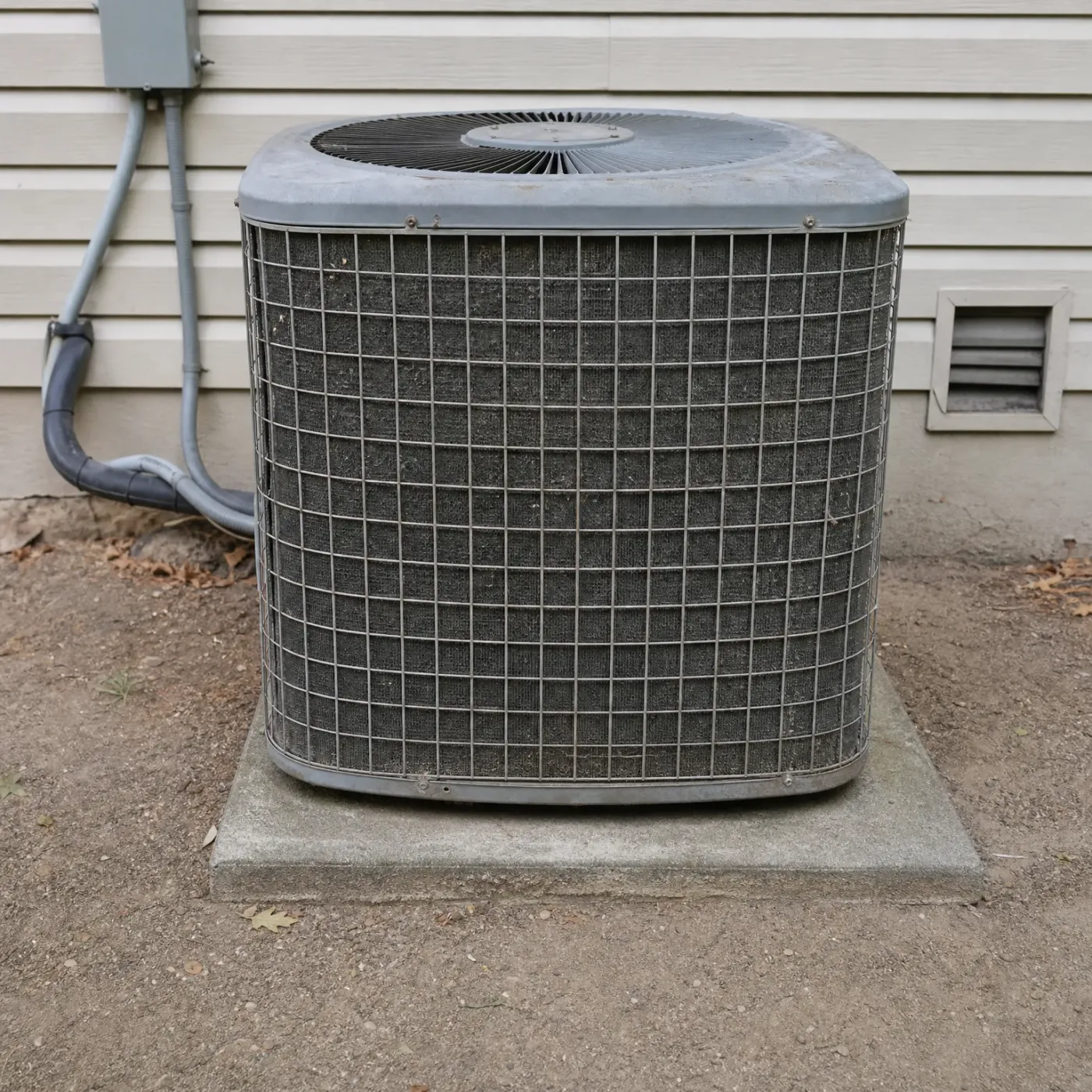
Nobody makes R-22 anymore. What's out there is whatever got produced before 2020 or whatever a technician reclaims from old systems and tests before putting it back into use. That's the whole supply, and it only shrinks. A small leak is usually a simple fix, a patch and a recharge. But coils and line connections let a little refrigerant out every year even in a system that seems to be running fine, so a unit that's fine this summer isn't guaranteed to be fine next summer. If the coil cracks or the compressor fails, the repair bill can run higher than the system is worth once you factor in what that old refrigerant costs to source. The nameplate on your unit will tell a technician in a minute whether you're running R-22 or something newer. Anything sold today runs on R-410A or another current refrigerant, made new, without the sourcing problem. Knowing which one you have now, before something fails in July, is the difference between planning for it and scrambling for it.




A leak that would have meant a quick top-off years ago now means sourcing R-22 that nobody is making. What's left in the country is reclaimed from old units being scrapped, so the price moves on its own schedule, not with the rest of the market. Some suppliers run short for weeks at a time. A technician can still find it, but what used to be a routine service call now takes longer and costs more, and there's no telling in advance how much either will be. That uncertainty is the real difference between an R-22 system and a newer one, not whether it can still cool your house in August.
A new central air system runs on a refrigerant that's still being produced, so a leak or a failed part gets fixed on a normal timeline at a normal price. There's no hunting down reclaimed gas, no waiting on a supplier, no guessing what it'll cost before the tech even opens the unit. With power costs in New York among the highest in the country, a new system also runs on a compressor built for current efficiency standards, which matters over a summer of steady use. Replacing before the old unit fails means you choose the timing, instead of finding out in July when the compressor finally gives up.


R-22 escapes without warning. You'll just notice your house isn't as cool as it used to be, and the system running longer to get there.
A system low on R-22 works harder for the same result. In New York, where electricity rates run high, that shows up fast.

If your system is original to the house and the house is older, you're likely cooling with R-22 right now and may not know it. You'll find out the hard way, on a July afternoon when the house won't drop below 80 and a technician tells you the fix isn't a part, it's the refrigerant itself. With New York summers running hot and sticky for months, that's not a repair you want to be shopping for in the middle of a heat wave.
A local contractor who services this equipment every season has seen this exact call before and knows what an aging R-22 system is worth saving versus replacing. Getting matched with one who works near you, rather than whoever picks up the phone first, means someone looks at your actual unit and your actual house before you decide anything. Your power bill is already higher than most of the country's. A system straining to push R-22 through a slow leak adds to that every month it runs.


New York summers run humid, with the dew point averaging 62°F across June, July and August, according to NOAA climate data. Air that heavy makes your system pull double duty, wringing out moisture before it can even start dropping the temperature. On an R-22 unit, that extra load shows up as longer run times, which is exactly the kind of strain that pushes an aging compressor toward failure. If yours is already low on refrigerant, a sticky stretch of July is when you'll feel it most, a house that stays warm and damp no matter how long the system runs. A local contractor who services this equipment all summer knows how R-22 systems tend to fail under this kind of humidity, and what to check first.
NASA POWER T2MDEW county cells weighted by homes
Your request goes to one pro, not a list of companies.
There's no charge for the request.
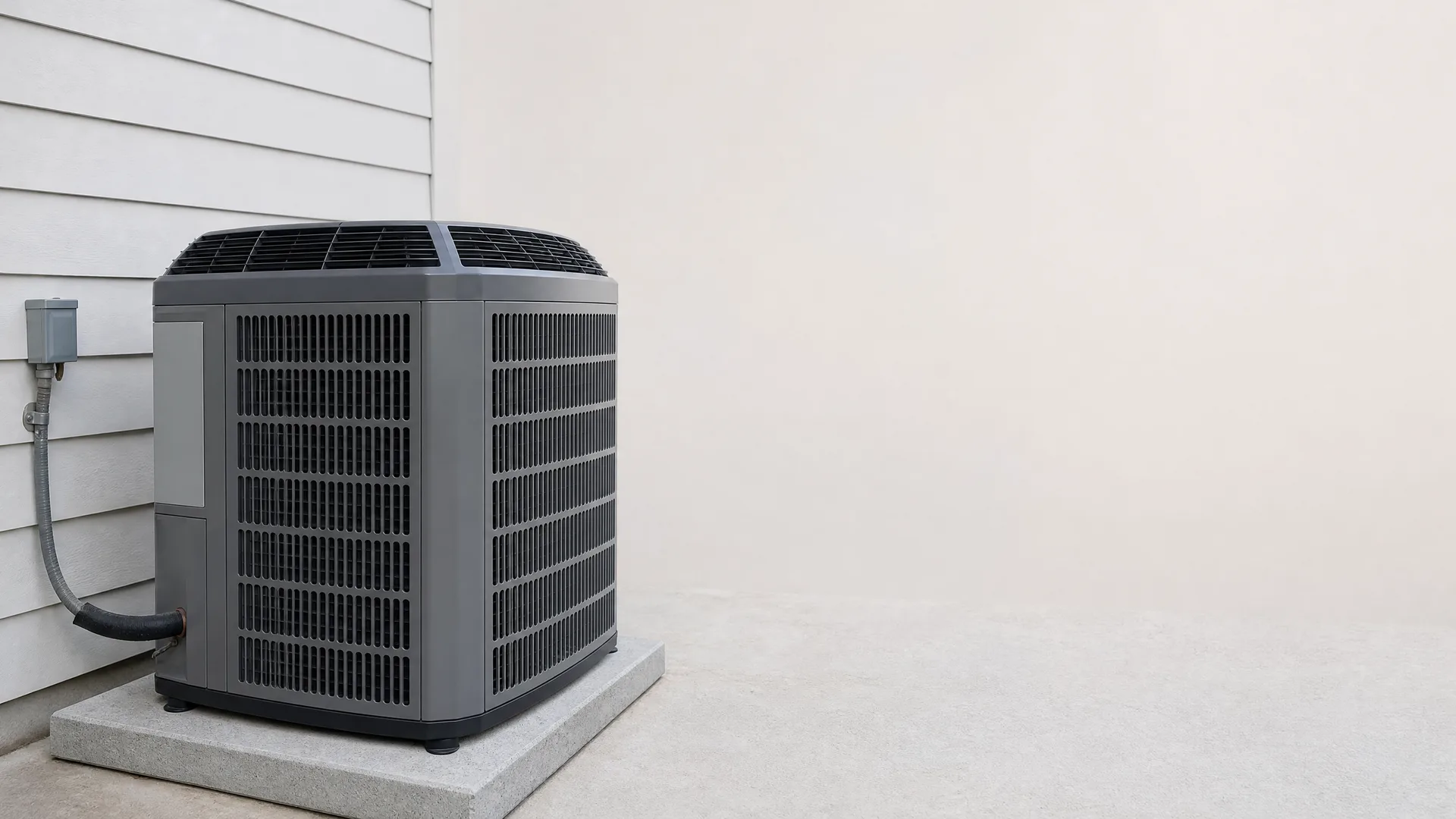
You can keep running it as is and deal with repairs when they come up. Some homeowners get another two or three summers out of an old system this way. The risk is that you're betting on a part that can't be replaced the normal way, and if the compressor goes, you're not looking at a quick fix. You're looking for a contractor who can still source R-22 at all, and paying whatever that costs that week.
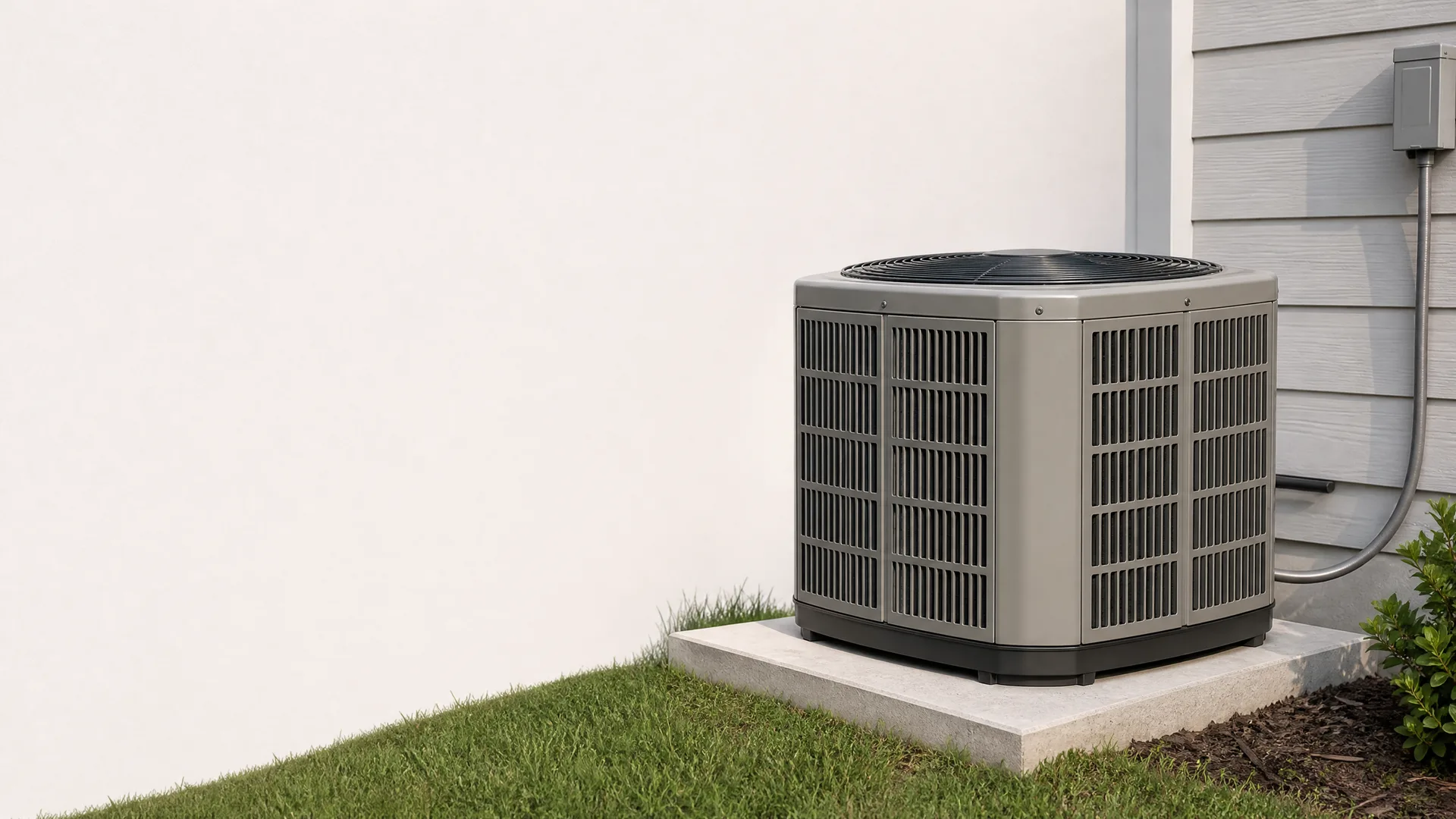
A new central air system runs on R-410A, which is still being made and isn't going anywhere. You lose the uncertainty about parts and refrigerant pricing, and you gain a system built for New York's humid summers instead of one just getting by in them. With power costs here among the highest in the country, a system that isn't working overtime to dehumidify a muggy house also means a bill that isn't either.
You've heard R-22 is being phased out and your air conditioner isn't new, but nobody's told you how to actually check which refrigerant it runs on. You don't want to call someone out for nothing, and you don't want to guess wrong either. The answer is on the unit itself, you just need to know where to look and what you're looking for.
Open the panel on the outdoor condenser, or just look at the sticker on its side. Every unit has a data plate listing the refrigerant it was built to use, printed right next to the model and serial number. If it says R-22 or HCFC-22, that's your answer. If it says R-410A, you're already off R-22 and none of this applies to you. The install date is a decent clue too. R-22 systems stopped being manufactured for new installs years ago, so a unit original to a house built before around 2010 is worth checking. A technician can also confirm it in minutes using gauges, which settles it if the nameplate is worn off or hard to read.


At 26.39 cents per kilowatt-hour, an R-22 system that's lost some charge isn't just risking a bigger repair bill later. It's costing you more right now, every time it runs longer to cool the house down.
EIA-861 2025 statewide residential average
An R-22 system can run for years without trouble, right up until it doesn't. That's the part worth sitting with. The refrigerant isn't coming back into production, so every repair from here on draws from a supply that only shrinks. Nothing about that changes whether you check the nameplate this week or wait for a July breakdown to force the question.
What changes is who picks the timing. A homeowner who gets ahead of it schedules the work on their own terms, in a month when a contractor isn't stretched thin by every other R-22 system in the area failing at once. A homeowner who waits is choosing to let the compressor or the next leak make that call instead, usually on the hottest day of the year, with the house already at 80 and climbing.
If you do call someone, you want a contractor who already knows this equipment, not one learning it on your system. The ones who've serviced R-22 units through enough New York summers know which parts tend to go first on which models, and they can tell you in a few minutes whether what you have is worth repairing or worth replacing. You're matched with one contractor, local and licensed, so it's a single conversation instead of a string of callbacks from companies that don't know your address or your system.
The refrigerant situation isn't going to resolve itself in your favor. What you decide to do about it is still yours to decide, for now.




The pro who reaches out is licensed in New York.
You only hire the pro if you want to.